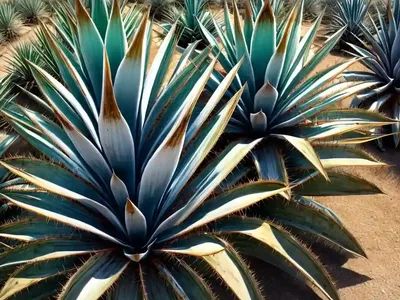
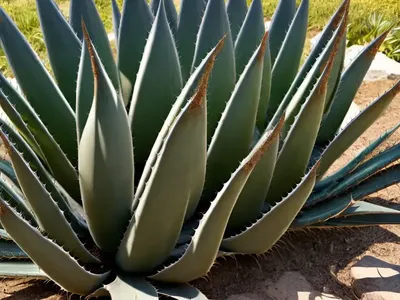
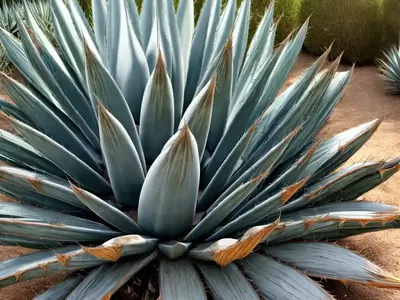
Foxtail Agave (Agave Attenuata)
The Agave attenuata, commonly known as the Foxtail Agave, is a stunning succulent plant native to Mexico. Its unique appearance and low-maintenance nature.
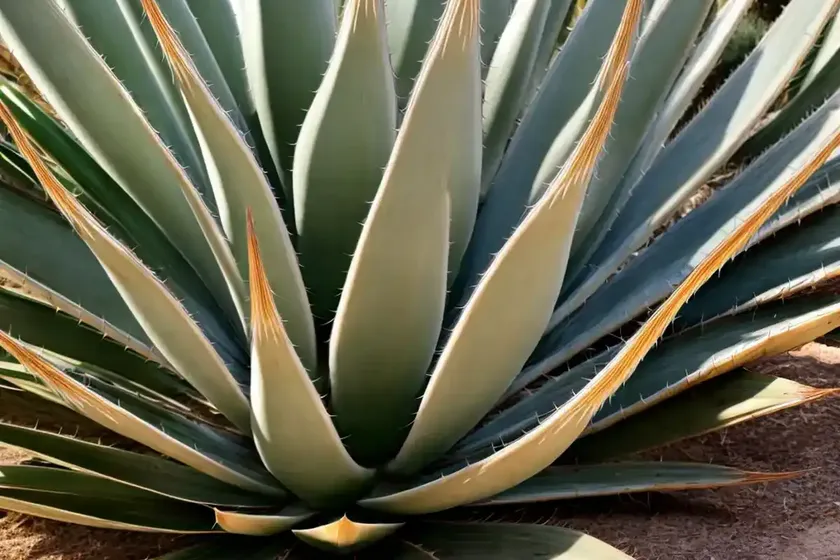
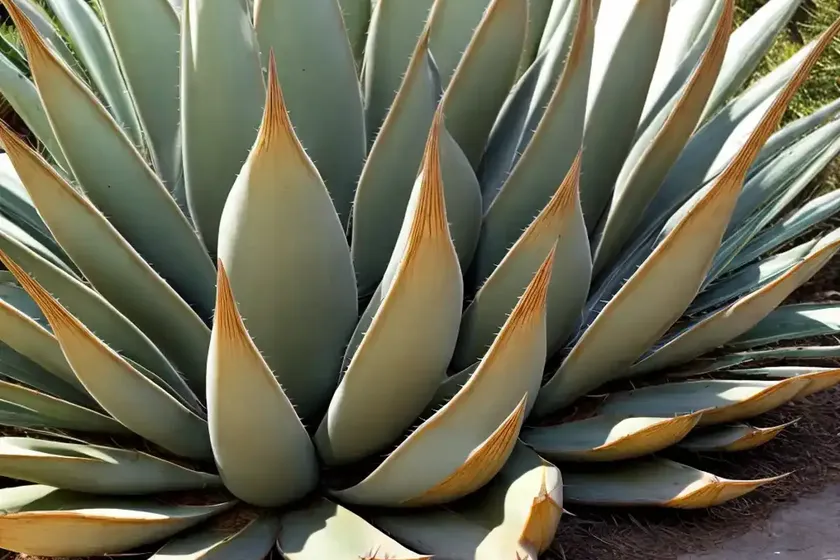
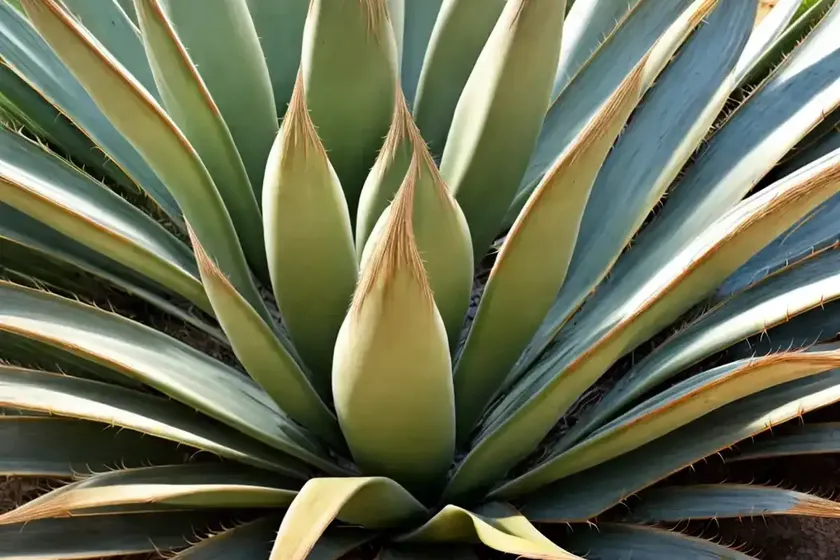
The Agave attenuata, commonly known as the Foxtail Agave, is a stunning succulent plant native to Mexico. Its unique appearance and low-maintenance nature have made it a popular choice for landscaping and gardens around the world. In this comprehensive guide, we will explore the culture, uses, care requirements, common diseases, and propagation methods for the Foxtail Agave. Whether you are a seasoned gardener or just beginning to explore the world of plants, this guide will provide valuable insights into the cultivation and maintenance of this remarkable species.
What is the Foxtail Agave (Agave attenuata)?
The Foxtail Agave, scientifically known as Agave attenuata, belongs to the family Asparagaceae. Known for its rosette of soft, arching, blue-green leaves, this agave is distinct from its spiky-leaved relatives, making it a desirable ornamental plant.
Key Takeaways – Foxtail Agave (Agave attenuata)
- Botanical Name: Agave attenuata
- Common Name: Foxtail Agave
- Family: Asparagaceae
- Native to: Mexico
- Type: Succulent, Perennial
- Hardiness Zone: 9-11
- Landscape Use: Gardens, Landscaping, Containers
- Watering: Moderate
- Sunlight: Partial to Full Sun
- Soil Type: Well-draining
- Height: Up to 4 feet
- Spread: Up to 6 feet
- Propagation: Offsets, Seeds
Now that we have an overview of the Foxtail Agave, let’s delve into the specifics of its culture, uses, and care requirements.
Culture
Uses
The Foxtail Agave is highly valued for its ornamental and architectural significance. It is commonly used in landscape design, rock gardens, coastal gardens, and as a focal point in mixed succulent beds. Additionally, due to its suitability for container gardening, it is often featured in outdoor patio arrangements and as an accent in modern and minimalist garden designs.
Care Requirements
Successfully cultivating Foxtail Agave requires attention to water, sunlight, fertilizer, soil, pruning, and propagation. Let’s explore each of these aspects in detail.
Water
Foxtail Agave is known for its relatively low water requirements, making it well-suited for arid and semi-arid landscapes. To promote healthy growth, it is crucial to avoid overwatering, which can lead to root rot. During the growing season, water the plant thoroughly, allowing the soil to dry out between watering sessions. In winter, reduce the frequency of watering to prevent waterlogged conditions.
Sunlight
This agave thrives in partial to full sun, making it ideal for gardens and landscapes with ample sunlight. When grown in partial shade, the Foxtail Agave maintains its characteristic form and coloration, while exposure to full sun enhances its growth and overall appearance.
Fertilizer
The Foxtail Agave benefits from a well-balanced fertilizer application during the growing season to support its development and enhance its ornamental qualities. A slow-release, low-nitrogen fertilizer applied in spring can promote healthy growth without causing excessive softening of the leaves.
Soil
Like many succulent plants, the Foxtail Agave requires well-draining soil to prevent waterlogging and root rot. A mixture of sandy, gritty soil with excellent drainage properties is essential for maintaining the plant’s health and vigor. Additionally, incorporating organic matter into the soil can improve its overall structure and fertility.
Pruning
Pruning requirements for the Foxtail Agave are minimal, primarily involving the removal of dead or damaged leaves. As older leaves naturally senesce, they can be gently removed to maintain the plant’s aesthetics while allowing space for new growth.
Propagation
Foxtail Agave can be propagated through offsets or seeds. Offsets, also known as pups, are young plants that develop at the base of the parent agave. They can be carefully separated and replanted to establish new individuals. Additionally, the plant produces flowers and seeds, which can be collected and sown to propagate new Foxtail Agave plants.
Container Popularity
The Foxtail Agave’s adaptability to container gardening has contributed to its popularity among gardeners and landscape designers. Its striking form and moderate size make it an excellent choice for adding visual interest to outdoor and indoor spaces.
Common Diseases
Disease Diagnosis
The Foxtail Agave is relatively resistant to pests and diseases, especially when grown in well-draining soil and provided with appropriate cultural care. However, it is essential to monitor the plant for signs of stress, overwatering, or pests such as scale insects and aphids. In humid environments, fungal diseases like root rot can pose a risk to the plant’s health.
Common Pests
While the Foxtail Agave is generally resilient against pests, occasional infestations of scale insects and aphids may occur. Regular inspection of the plant, particularly on the undersides of leaves and along stems, can aid in early pest detection and appropriate intervention.
Botanist’s Tips
- The Foxtail Agave’s architectural form and striking silhouette make it an excellent choice for modern and contemporary garden designs.
- When cultivating Foxtail Agave in containers, select pots with adequate drainage holes to prevent waterlogging.
- Incorporating the Foxtail Agave into xeriscape and drought-tolerant landscapes can showcase its resilience and ornamental value in arid environments.
Fun Facts
- The Foxtail Agave’s scientific name, Agave attenuata, references its distinct, attenuated (narrowed) leaves, setting it apart from the serrated and spiky leaves typically associated with agave plants.
- This species is an excellent choice for coastal gardens due to its ability to tolerate salt spray and coastal conditions.
Now that we have covered the culture, uses, care requirements, and interesting facts about the Foxtail Agave, it is valuable to explore additional resources for further information and inspiration.
Links to External Resources
- Agave attenuata: A Landscape Gem
- Growing Agave Attenuata: Caring For Foxtail Agave In The Garden
- Foxtail Agave (Agave Attenuata): Types, Planting, Care, and Management
- UC Botanical Garden – Foxtail Agave
In conclusion, the Foxtail Agave (Agave attenuata) stands out as an exceptional succulent plant with a multitude of uses in landscaping, gardens, and container gardening. Its adaptability, low-maintenance care requirements, and ornamental features make it a valuable addition to diverse garden settings. Whether used as a focal point in a modern landscape or incorporated into a coastal garden, the Foxtail Agave captures attention with its elegant form and striking silhouette.
Through attentive cultural practices, such as moderate watering, adequate sunlight, and well-draining soil, gardeners can cultivate healthy and thriving Foxtail Agave plants. Additionally, monitoring for potential pests and diseases, while enjoying its architectural beauty, contributes to a rewarding and aesthetically pleasing gardening experience.
As you embark on your journey of exploring the diverse world of plants, consider the distinctive allure and practical benefits of the Foxtail Agave. Embrace its versatility and aesthetic appeal as you design and nurture captivating garden spaces that showcase the unique qualities of this remarkable succulent species.
With the guidance provided in this comprehensive guide and the wealth of external resources available, you are well-equipped to embark on an enriching and fulfilling gardening journey with the Foxtail Agave.
Happy gardening, and may your landscapes bloom with the splendor of the Foxtail Agave!
This blog post was authored in the context of plant science and landscaping, based on the extensive knowledge and expertise of a professional plant scientist.
References:
- Liam, D. “Agave attenuata: A Landscape Gem.” Garden Design. Link
- Brown, A. “Growing Agave Attenuata: Caring For Foxtail Agave In The Garden.” Gardening Know How. Link
- Fisher, G. “Foxtail Agave (Agave Attenuata): Types, Planting, Care, and Management.” Gardenerdy. Link
- University of California Botanical Garden. “UC Botanical Garden – Foxtail Agave.” Link