Fountain Grass (Pennisetum Setaceum)
Fountain grass (Pennisetum setaceum) is a strikingly beautiful and versatile ornamental grass that has gained popularity due to its graceful appearance and.
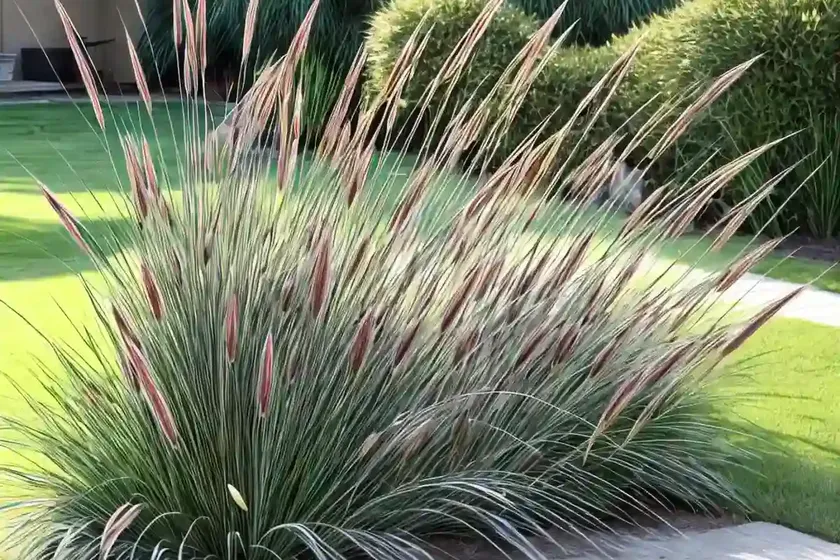
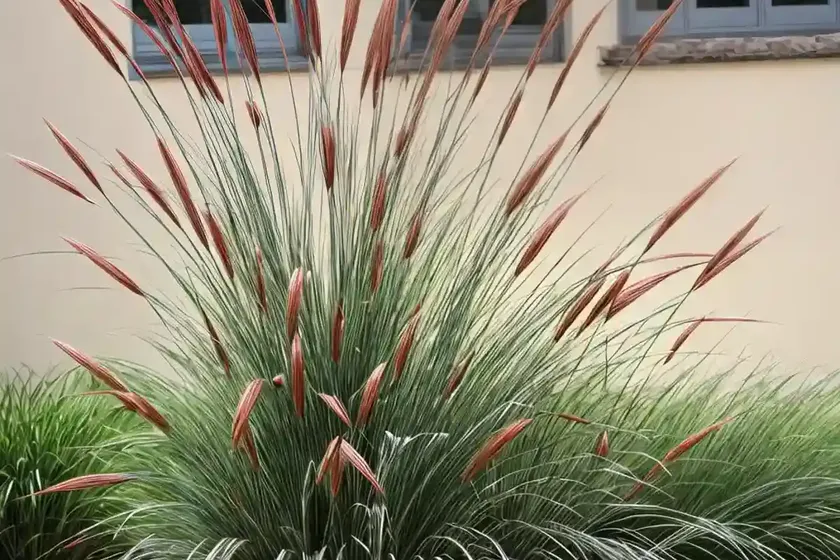
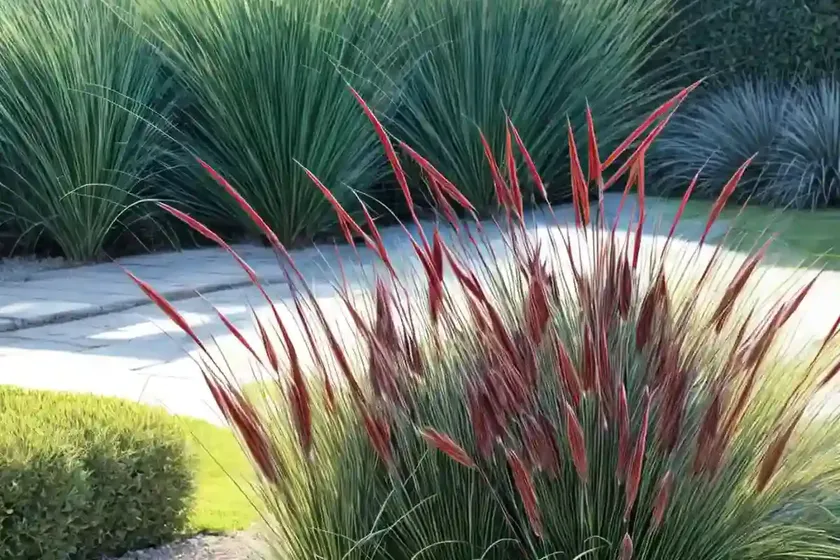
Fountain grass (Pennisetum setaceum) is a strikingly beautiful and versatile ornamental grass that has gained popularity due to its graceful appearance and low maintenance requirements. With its feathery plumes and elegant arching habit, it adds texture, movement, and a touch of drama to landscapes. This comprehensive guide will explore everything you need to know about the culture, uses, propagation, common diseases, and other aspects of caring for and growing fountain grass.
What is Fountain Grass (Pennisetum Setaceum)?
Fountain grass, scientifically known as Pennisetum setaceum, belongs to the Poaceae family. Native to North Africa, the Middle East, and Southwest Asia, it is a warm-season perennial grass that is highly valued for its ornamental appeal. The plant gets its common name from the arching nature of its leaves and the striking, fountain-like appearance of its inflorescence.
Fountain grass is a clump-forming grass that typically reaches a height of 2 to 4 feet, with a spread of 1 to 3 feet. It bears long, slender, and arching leaves that form a graceful mound, and in summer, it produces beautiful, bottlebrush-like plumes that rise above the foliage, creating a mesmerizing ethereal effect.
Key Takeaways – Fountain Grass (Pennisetum Setaceum)
Before delving into the specifics of growing and caring for fountain grass, let’s highlight some key takeaways about this striking ornamental plant:
- Fountain grass (Pennisetum setaceum) is a warm-season perennial grass known for its graceful arching leaves and beautiful bottlebrush-like plumes.
- It is widely used in landscaping for its ornamental appeal, texture, and low maintenance requirements.
- Fountain grass is versatile and can be used in various settings, including gardens, borders, erosion control, landscaping, xeriscaping, and even in containers.
- The plant thrives in sunny locations, and it is a low-maintenance ornamental grass that adds visual interest to any garden with minimal care.
- It is important to be cautious of potential diseases and pests that may affect fountain grass, and proper care and maintenance are crucial for its long-term health and vitality.
Now, let’s delve into the specific aspects of culture, uses, and care for fountain grass.
Culture
Cultivating fountain grass successfully requires an understanding of its specific cultural requirements, including water, sunlight, soil, and fertilizer needs.
Water
Fountain grass is a drought-tolerant plant. Once established, it can tolerate periods of dryness, making it an excellent choice for water-wise landscapes and gardens in arid regions. While it can thrive in dry conditions, providing occasional watering during prolonged dry spells can help maintain its aesthetic appeal and overall health.
To determine when to water fountain grass, consider the following factors:
– Soil moisture: Check the soil moisture level regularly, and water when the top 1 to 2 inches of soil is dry.
– Weather conditions: During hot and dry periods, increase the frequency of watering, ensuring the plant does not undergo prolonged periods without moisture.
Sunlight
Fountain grass thrives in full sun. It requires at least 6 to 8 hours of direct sunlight daily to promote vigorous growth and prolific flowering. Insufficient sunlight can result in reduced flowering and overall diminished plant vigor.
When selecting a planting site for fountain grass, consider the following sunlight requirements:
– Choose a location that receives ample sunlight throughout the day, especially during the growing season.
– Avoid planting in shaded areas or places with partial sunlight, as it can negatively impact the plant’s growth and flowering potential.
Fertilizer
Fountain grass generally doesn’t require high levels of fertilization. However, providing a balanced, slow-release fertilizer in spring can contribute to healthy growth and prolific flowering. Use a general-purpose fertilizer with balanced N-P-K (nitrogen, phosphorus, and potassium) ratios.
Fertilizer application tips:
– Apply fertilizer in early spring as new growth emerges.
– Follow the manufacturer’s recommendations for proper application rates.
– Avoid over-fertilizing, as it can lead to excessive foliage at the expense of flowering.
Soil
Fountain grass adapts well to various soil types, provided that the soil is well-draining. It can grow in sandy, loamy, or clay soils, but it thrives best in moderately fertile, loamy soils with good drainage. If the soil is heavy and poorly draining, consider improving it with organic amendments to enhance drainage.
Soil preparation and planting tips:
– Before planting, amend heavy soils with organic matter such as compost or well-rotted manure to improve drainage.
– Ensure the planting site has good drainage to prevent waterlogging, which can lead to root rot and other moisture-related issues.
Uses
Fountain grass serves as a versatile ornamental plant with a wide range of practical and aesthetic uses in landscaping and gardening. Its graceful form, vibrant plumes, and low maintenance requirements make it a popular choice for numerous applications:
-
Gardens: Fountain grass adds texture, movement, and visual interest to garden beds and borders. Its graceful arching leaves create a soft, billowing effect, making it an ideal choice for mixed perennial beds and as a standalone focal point in ornamental gardens.
-
Landscaping: The plant is commonly used in landscaping to soften hardscapes, line walkways, and create naturalistic plantings. It works well in both formal and informal landscape designs, offering a unique and striking aesthetic appeal.
-
Erosion Control: Due to its deep roots and dense growth habit, fountain grass is effective for controlling soil erosion on slopes and hillsides. Its extensive root system helps stabilize soil and reduce the risk of erosion.
-
Container Planting: Fountain grass is well-suited for container gardening, adding vertical interest and texture to patio containers, mixed planters, and even rooftop gardens. Its compact size and low maintenance requirements make it an excellent choice for container arrangements.
-
Wildlife Gardens: The plant attracts birds and beneficial insects, making it a valuable addition to wildlife-friendly gardens and pollinator habitats. The dense foliage and plumes provide shelter and nesting opportunities for birds, contributing to biodiversity in the garden.
-
Xeriscaping: As a drought-tolerant plant, fountain grass is an essential component of xeriscape gardens and landscapes, where water conservation is a priority. Its ability to thrive with minimal irrigation makes it an environmentally friendly choice for water-wise gardening.
-
Privacy Screen: In regions with mild winters, fountain grass can be used as a natural privacy screen. Its dense growth and showy plumes create a visually appealing barrier, enhancing privacy and adding a touch of natural beauty to outdoor spaces.
Pruning
Pruning fountain grass is a straightforward task that helps maintain its aesthetic appeal and overall health. Proper pruning promotes vigorous growth, prevents the plant from becoming leggy or crowded, and encourages prolific flowering.
Pruning Tips:
-
Spring Pruning: In late winter or early spring, cut back the previous year’s growth to a height of 2 to 3 inches above the ground. Use sharp pruners to trim the plant, removing dead or damaged foliage.
-
Deadheading: Remove faded or spent flowers throughout the growing season to encourage continuous blooming and prevent the plant from seeding excessively.
-
Division: Every few years, consider dividing mature fountain grass clumps to rejuvenate the plant and maintain its vigor. Dividing helps prevent overcrowding and revitalizes the plant for healthy growth.
Propagation
Propagating fountain grass allows gardeners to expand their plant collection and populate new garden areas with this stunning ornamental grass. The plant can be propagated through division or seeds, offering distinct advantages and considerations for each method.
Division:
- Early spring is the ideal time to divide fountain grass clumps, as the plants are entering an active growth phase.
- Use a sharp spade or garden knife to carefully divide the clumps into smaller sections, each containing several shoots and a portion of the root system.
- Replant the divided sections in prepared soil, water thoroughly, and provide adequate care to promote establishment and robust growth.
Seeds:
- Collect mature seeds from the plant’s inflorescence in late summer to early fall.
- Prepare a well-draining seed-starting mix in containers or seed trays, and sow the fountain grass seeds on the surface of the soil.
- Gently press the seeds into the soil to ensure good seed-to-soil contact, and mist the surface lightly to settle the seeds in place.
- Place the containers in a warm, sunny location, and keep the soil consistently moist until the seeds germinate.
Container Popularity
Fountain grass is a popular choice for container gardening due to its compact size, graceful appearance, and minimal care requirements. It thrives in containers on patios, balconies, and outdoor living spaces, adding a touch of elegance and natural beauty to the surroundings.
Container Planting Tips:
- Select a large container with drainage holes to accommodate the plant’s root system and promote healthy growth.
- Use a well-draining potting mix that provides adequate aeration and moisture retention for the fountain grass.
- Position the container in a sunny location to ensure the plant receives sufficient sunlight for robust growth and prolific flowering.
- Water the plant regularly, ensuring the soil remains evenly moist but not waterlogged.
Common Diseases
While fountain grass is generally resilient and low-maintenance, it can be susceptible to certain diseases that may affect its overall health and appearance.
Disease Diagnosis
Common diseases that can affect fountain grass include fungal infections, rust, leaf spots, and root rot. Monitoring the plant for symptoms and addressing issues promptly is essential for disease management.
Symptoms to watch for:
– Discolored or necrotic foliage
– Reddish-brown or yellowish lesions on leaves
– Stunted growth and wilting
– Rust-like spores on the undersides of leaves
– Foul odor or decay at the base of the plant
Disease Management:
- Practice good sanitation by removing and disposing of affected plant material to prevent disease spread.
- Avoid overhead watering to minimize moisture on foliage, which can promote fungal diseases.
- Apply fungicidal treatments as recommended to control and prevent fungal infections.
Common Pests
Fountain grass is relatively resistant to pest infestations, but it can occasionally attract certain pests that may affect its growth and appearance.
Common Pests:
- Aphids: These small, soft-bodied insects can cluster on new growth and feed on the plant sap, leading to distorted foliage and the secretion of honeydew.
- Grasshoppers: These voracious feeders can cause significant damage to fountain grass by chewing on foliage and stems, potentially defoliating the plant.
Pest Management:
- Monitor the plant regularly for signs of pest activity, such as distorted foliage, yellowing, or chew marks.
- Use appropriate insecticidal treatments to control pest populations and prevent damage to the plant.
Botanist’s Tips
To maximize the beauty and vigor of fountain grass in your garden, consider the following tips from botanists and horticulturists:
-
Companion Planting: Pair fountain grass with complementary flowering perennials, such as coneflowers, black-eyed Susans, and sedum, to create visually stunning combinations that enhance the overall appeal of the garden.
-
Mulching: Apply a layer of organic mulch around the base of fountain grass to conserve moisture, suppress weeds, and insulate the soil. Mulching also contributes to the overall health of the plant and promotes steady growth.
-
Winter Care: In regions with cold winters, consider providing winter protection for fountain grass. Apply a layer of mulch around the base of the plant to insulate the roots and protect them from extreme temperature fluctuations.
Fun Facts
As you continue to appreciate the beauty and versatility of fountain grass, here are some intriguing and entertaining fun facts about this ornamental grass:
- Fountain grass is often used in Japanese gardens, where its delicate form and graceful movement symbolize tranquility and elegance.
- The plant’s plumes can vary in color, with common shades including pink, burgundy, and cream, adding a captivating visual element to landscapes.
- Some fountain grass varieties are sterile, preventing them from producing viable seeds and reducing the risk of invasive spread in certain regions.
As you gain a deeper understanding of fountain grass and its cultivation, we can explore additional resources and information to enhance your knowledge and appreciation of this exceptional ornamental plant.
Links to External Resources
Expand your knowledge of fountain grass by exploring the following valuable resources:
1. The American Horticultural Society’s Guide to Ornamental Grasses
2. University of Florida Extension: Fountain Grass
3. Royal Horticultural Society: Growing Ornamental Grasses
4. National Gardening Association: Guide to Container Gardening
5. Missouri Botanical Garden: Gardening Help
As you explore these resources, you’ll gain valuable insights into the selection, care, and landscape uses of fountain grass, enriching your gardening expertise and appreciation for this exceptional ornamental grass.
In conclusion, fountain grass (Pennisetum setaceum) is a remarkable ornamental plant that offers a myriad of practical and aesthetic benefits in landscaping and gardening. Its graceful form, low maintenance requirements, and versatility make it an ideal choice for various garden settings, from sunny borders to wildlife-friendly habitats. By understanding the specific cultural requirements, uses, propagation methods, and pest/disease management strategies, you can cultivate healthy, vibrant fountain grass that elevates the visual appeal of your outdoor spaces. Let the enchanting allure of fountain grass inspire your gardening endeavors and enrich your appreciation of nature’s botanical wonders.
Remember to continue your exploration of fountain grass and its diverse applications, drawing on the wealth of resources and expert guidance available to enhance your knowledge and enjoyment of this captivating ornamental grass.
By incorporating detailed insights into the culture, uses, propagation, diseases, and pests of fountain grass, this comprehensive guide provides an in-depth understanding of this versatile plant. The article also includes practical tips, fun facts, and external resource links to enrich the reader’s knowledge and inspire their exploration of fountain grass.


