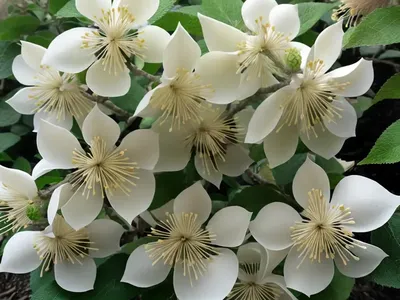
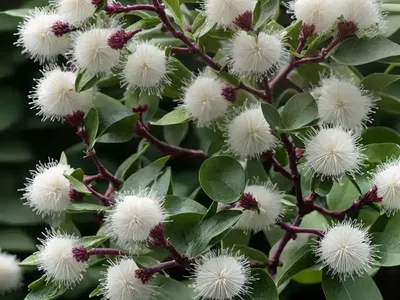
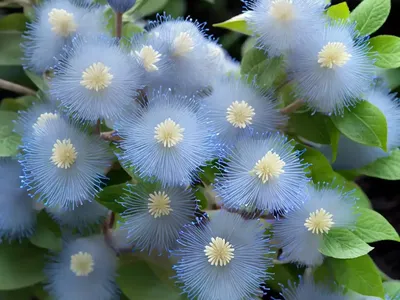
Fothergilla Gardenii ‘Blue Mist’ (Dwarf Fothergilla)
Plants are multicellular organisms belonging to the kingdom Plantae. They use photosynthesis to produce their own food, have cell walls made of cellulose.
What is Plant?
Plants are multicellular organisms belonging to the kingdom Plantae. They use photosynthesis to produce their own food, have cell walls made of cellulose, and store their food as starch. Plants are essential for life on Earth as they produce oxygen and provide food, medicine, and raw materials for various industries.
Fothergilla gardenii ‘Blue Mist’ (Dwarf Fothergilla)
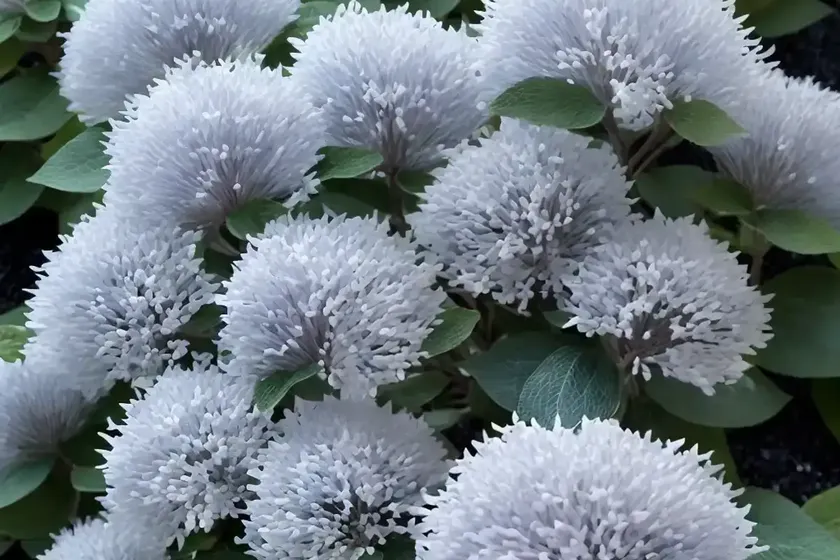
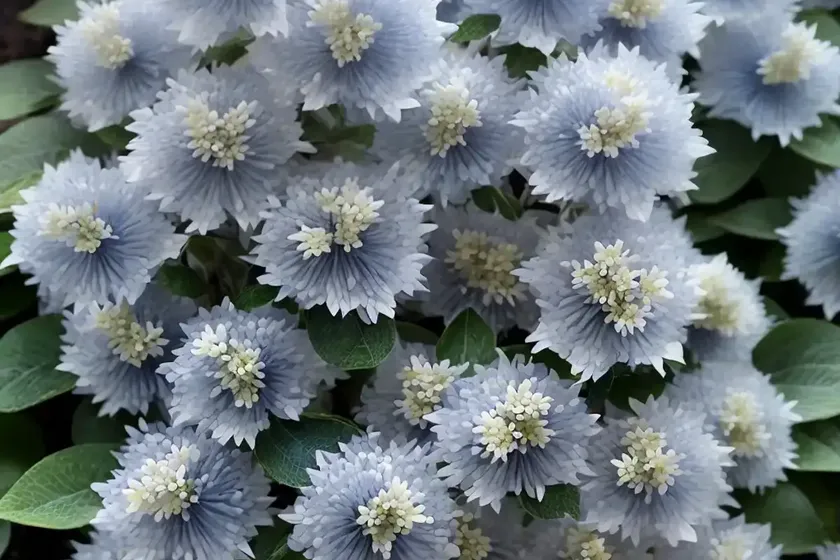
Fothergilla gardenii, commonly known as Dwarf Fothergilla, is a deciduous flowering shrub native to the southeastern United States. The ‘Blue Mist’ cultivar is a popular ornamental variety admired for its delicate, misty blue foliage and striking fall colors. This compact shrub is an excellent addition to landscapes, providing beauty and ecological benefits.
Key Takeaways
Fothergilla gardenii ‘Blue Mist’ (Dwarf Fothergilla)
Culture
- Deciduous shrub
- Compact, dense habit
- Blue-green foliage
- White, bottlebrush-like flowers
- Stunning fall foliage colors
- Low maintenance
Uses
- Ornamental shrub for landscapes
- Pollinator-friendly plant
- Adds visual interest in gardens
- Suitable for small gardens
- Erosion control in slopes
Water
- Regular watering, especially during the establishment phase
- Prefers moist, well-drained soil
- Drought tolerant once established
- Mulching helps retain soil moisture
Sunlight
- Full sun to partial shade
- Best fall colors in full sun
- Tolerates shade, but may have reduced flowering and fall color
Fertilizer
- Generally low maintenance and doesn’t require regular fertilization
- Apply a balanced fertilizer in early spring if the plant shows signs of nutrient deficiency
- Avoid excessive nitrogen to prevent leggy growth
Soil
- Prefers acidic, well-drained soil
- Adaptable to various soil types
- Mulching with organic matter helps improve soil structure and fertility
Pruning
- Minimal pruning required
- Prune immediately after flowering to shape the shrub
- Remove dead or damaged wood
Propagation
- Propagate from softwood cuttings in early summer
- Root cuttings or air layering can also be successful
- Slow to establish from seeds
Container Popularity
- Suitable for container gardening
- Provides an attractive focal point on patios and balconies
- Regular watering is essential in containers
Common Diseases
- Not highly susceptible to diseases
- Proper cultural practices can prevent most common issues
- May experience fungal diseases in excessively wet conditions
Disease Diagnosis
- Monitor for leaf spots, powdery mildew, or other signs of fungal infection
- Consult a local extension service for accurate diagnosis
- Treat with appropriate fungicides if necessary
Common Pests
- Relatively pest resistant
- Watch for aphids, mites, or scale insects
- Control pests with insecticidal soaps if populations become problematic
Botanist’s Tips
- Incorporate ‘Blue Mist’ in mixed shrub borders for a dynamic visual impact
- Combine with other plants that thrive in acidic soils, such as azaleas and rhododendrons
- Choose a prominent location to showcase the stunning fall colors
Fun Facts
- Fothergilla gardenii ‘Blue Mist’ attracts pollinators, such as bees and butterflies, with its fragrant flowers
- Its unique foliage and compact size make it a versatile plant for various landscape designs
- The specific epithet “gardenii” honors Alexander Garden, an 18th-century Scottish naturalist
Links to External Resources
- University of Florida IFAS Extension – Fothergilla gardenii
- Missouri Botanical Garden – Fothergilla gardenii
- The Morton Arboretum – Fothergilla gardenii ‘Blue Mist’
- USDA Natural Resources Conservation Service – Fothergilla gardenii
Keep reading to explore a comprehensive guide on the care and cultivation of Fothergilla gardenii ‘Blue Mist.’
Fothergilla gardenii ‘Blue Mist’ – A Closer Look
In this comprehensive guide, we will delve into the various aspects of cultivating and caring for Fothergilla gardenii ‘Blue Mist.’ From planting tips and soil requirements to pruning techniques and landscape uses, this article aims to provide a thorough understanding of this captivating shrub.
Plant Name: Fothergilla gardenii ‘Blue Mist’ (Dwarf Fothergilla)
Scientific Name: Fothergilla gardenii
Cultivar: ‘Blue Mist’
Common Name: Dwarf Fothergilla
Fothergilla gardenii ‘Blue Mist’ Care
To ensure the successful growth and vitality of Fothergilla gardenii ‘Blue Mist,’ it is essential to consider its specific care requirements. Let’s explore the key aspects of caring for this remarkable shrub.
Dwarf Fothergilla ‘Blue Mist’ Planting Tips
Proper planting is crucial for the establishment of Fothergilla gardenii ‘Blue Mist’ in the landscape. Follow these planting tips for optimal results:
- Select a planting site with well-drained soil and adequate sunlight exposure.
- Dig a hole that is twice as wide as the shrub’s root ball and of the same depth.
- Gently remove the shrub from its nursery container, ensuring minimal disturbance to the root system.
- Place the shrub in the center of the hole and backfill with soil, firmly tamping it down to eliminate air pockets.
- Water the newly planted shrub thoroughly to facilitate root establishment.
Growing Fothergilla gardenii ‘Blue Mist’
Dwarf Fothergilla ‘Blue Mist’ thrives in a suitable growing environment that meets its specific needs. Consider the following factors for successful cultivation:
- Adequate water supply, especially during the establishment phase.
- Full sun to partial shade for optimal growth and flowering.
- Periodic fertilization with balanced nutrients if the soil lacks essential elements.
- Pruning to maintain the shrub’s shape and remove dead or damaged wood.
Fothergilla gardenii ‘Blue Mist’ Characteristics
Understanding the unique characteristics of Fothergilla gardenii ‘Blue Mist’ is essential for appreciating its value in the landscape. Here are the key characteristics of this cultivar:
- Compact, rounded habit with blue-green foliage.
- Showy, bottlebrush-like white flowers in spring.
- Spectacular fall foliage colors, ranging from vibrant reds to brilliant oranges and yellows.
- Attracts pollinators and adds visual interest to gardens and landscapes.
How to Propagate Fothergilla gardenii ‘Blue Mist’
Propagation allows for the expansion and reproduction of Fothergilla gardenii ‘Blue Mist.’ Explore the various methods of propagating this shrub:
- Softwood cuttings: Harvest soft, new growth in early summer and root in a suitable growing medium.
- Root cuttings or air layering: Alternative methods for propagating the shrub with varying degrees of success.
- Seed propagation: Though viable, this method is slower and less common due to the time required for establishment.
Pruning Tips for Dwarf Fothergilla ‘Blue Mist’
Proper pruning practices are essential for maintaining the health and aesthetic appeal of Fothergilla gardenii ‘Blue Mist.’ Follow these pruning tips:
- Prune immediately after flowering to shape the shrub and encourage bushier growth.
- Remove any dead or damaged wood to promote overall plant health.
Fothergilla gardenii Varieties
In addition to the ‘Blue Mist’ cultivar, there are other notable Fothergilla gardenii varieties that offer diverse characteristics and landscape applications. Some popular varieties include:
- Fothergilla gardenii ‘Mount Airy’: Known for its larger size and outstanding fall colors.
- Fothergilla gardenii ‘Suzanne’: Recognized for its intense autumn foliage hues.
Benefits of Growing Fothergilla gardenii ‘Blue Mist’
The cultivation of Fothergilla gardenii ‘Blue Mist’ offers numerous benefits for gardeners, landscapes, and the environment. Consider the advantages of growing this captivating shrub:
- Provides visual interest with its unique foliage and showy flowers.
- Attracts pollinators, such as bees and butterflies, enhancing garden biodiversity.
- Adds vibrant fall colors to landscapes, creating stunning autumn displays.
Dwarf Fothergilla ‘Blue Mist’ Landscape Uses
Fothergilla gardenii ‘Blue Mist’ is a versatile shrub with diverse landscape applications. Explore the various uses of this cultivar in garden and landscape designs:
- Ornamental shrub in mixed borders and woodland gardens.
- Focal point in smaller gardens or restricted spaces.
- Erosion control on slopes and hillsides.
Fothergilla gardenii ‘Blue Mist’ for Small Gardens
The compact size and ornamental characteristics of Fothergilla gardenii ‘Blue Mist’ make it an ideal choice for small gardens and landscapes. Its adaptability to confined spaces allows for creative and practical utilization in various settings.
Best Soil for Fothergilla gardenii ‘Blue Mist’
Understanding the soil preferences of Fothergilla gardenii ‘Blue Mist’ is essential for creating an optimal growing environment. The shrub thrives in the following soil conditions:
- Acidic soil with a pH level of 5.0 to 6.5.
- Well-drained soil that retains moisture without becoming waterlogged.
Companion Plants for Dwarf Fothergilla ‘Blue Mist’
Pairing Fothergilla gardenii ‘Blue Mist’ with suitable companion plants enhances its visual impact and creates harmonious garden compositions. Consider these companion plants for effective plant combinations:
- Azaleas (Rhododendron spp.): Complement the acidic soil requirements and provide vibrant floral displays.
- Rhododendrons (Rhododendron spp.): Share similar growing conditions and create a cohesive woodland garden aesthetic.
Dwarf Fothergilla ‘Blue Mist’ Flowering Season
The flowering season of Fothergilla gardenii ‘Blue Mist’ is a notable highlight, showcasing the shrub’s ornamental value. Expect the following flowering characteristics:
- Bottlebrush-like white flowers emerge in spring, creating a charming floral display.
- Fragrant blooms attract pollinators, contributing to garden biodiversity.
Fothergilla gardenii ‘Blue Mist’ Water Requirements
Adequate moisture is essential for the growth and vitality of Fothergilla gardenii ‘Blue Mist.’ Consider the specific water requirements for this shrub:
- Regular watering, especially during dry periods and the establishment phase.
- Mulching to conserve soil moisture and protect the root system.
- Drought tolerant once established but benefits from consistent moisture.
Common Pests and Diseases of Fothergilla gardenii ‘Blue Mist’
While relatively pest and disease resistant, Fothergilla gardenii ‘Blue Mist’ may encounter specific issues that require attention. Be vigilant for the following pests and diseases:
Common Pests
- Aphids: Small, soft-bodied insects that can cluster on new growth and flower buds.
- Mites: Tiny pests that may cause stippling on the foliage.
- Scale insects: Immobile pests that can infest branches and stems.
Common Diseases
- Leaf spots: Fungal or bacterial diseases that can cause discolored spots on the foliage.
- Powdery mildew: Fungal disease characterized by a powdery white coating on leaves.
Fothergilla gardenii ‘Blue Mist’ Fall Color
One of the most captivating aspects of Fothergilla gardenii ‘Blue Mist’ is its stunning fall foliage colors. Witness the transformation of the shrub’s leaves with vibrant hues of red, orange, and yellow, creating a visual spectacle in autumn landscapes.
Winter Care Tips for Dwarf Fothergilla ‘Blue Mist’
Prepare Fothergilla gardenii ‘Blue Mist’ for the winter season with these essential care tips:
- Apply a layer of mulch around the shrub to protect the root system from freezing temperatures.
- Avoid heavy pruning in late fall to minimize stress on the shrub before winter dormancy.
- Monitor soil moisture during the winter months, especially in regions with minimal precipitation.
Fothergilla gardenii ‘Blue Mist’ in Containers
Dwarf Fothergilla ‘Blue Mist’ is well-suited for container gardening, offering versatility and visual appeal in patio and balcony settings. Consider the following factors for successful container cultivation:
- Ensure adequate drainage in the container to prevent waterlogged soil.
- Select a potting mix that meets the shrub’s soil preferences, incorporating organic matter for improved fertility.
- Provide regular watering and monitor soil moisture levels, especially during hot, dry periods.
Fothergilla gardenii ‘Blue Mist’ Pollinator Garden
Incorporate Fothergilla gardenii ‘Blue Mist’ into pollinator gardens to attract beneficial insects and support local ecosystems. The fragrant flowers and rich nectar reserves make the shrub a valuable addition to pollinator-friendly landscapes.
Growing Fothergilla gardenii ‘Blue Mist’ from Seed
While viable, growing Fothergilla gardenii ‘Blue Mist’ from seed requires patience and specific considerations. Explore the process of growing the shrub from seed:
- Harvest ripe seeds from the shrub in autumn.
- Plant the seeds in a suitable growing medium and provide consistent moisture.
- Expect slow germination and establishment, with seed-grown plants requiring additional time to develop.
Fothergilla gardenii ‘Blue Mist’ Autumn Foliage
The autumn foliage of Fothergilla gardenii ‘Blue Mist’ is a defining feature, captivating garden enthusiasts and admirers of fall landscapes. Experience the vibrant colors of the shrub’s leaves as they transition through the autumn season, creating a remarkable display of natural beauty.
Sunlight Requirements for Dwarf Fothergilla ‘Blue Mist’
Sunlight plays a pivotal role in the growth, flowering, and overall performance of Fothergilla gardenii ‘Blue Mist.’ Understand the specific sunlight requirements for this shrub:
- Full sun to partial shade encourages robust growth, abundant flowering, and vibrant fall colors.
- Full sun exposure enhances the intensity of the shrub’s fall foliage colors, showcasing its visual appeal.
Fothergilla gardenii ‘Blue Mist’ Wildlife Attraction
The fragrant flowers of Fothergilla gardenii ‘Blue Mist’ attract a variety of wildlife, contributing to an ecologically diverse garden environment. Discover the potential wildlife attraction associated with the shrub:
- Bees: Pollinating insects are drawn to the nectar-rich flowers, promoting pollination and garden biodiversity.
- Butterflies: The fragrant blooms entice butterflies, adding movement and color to the garden landscape.
Dwarf Fothergilla ‘Blue Mist’ Drought Tolerance
Fothergilla gardenii ‘Blue Mist’ exhibits notable drought tolerance once established, making it a resilient shrub in varying environmental conditions. Consider the following factors regarding the shrub’s drought tolerance:
- Adequate soil moisture is essential, especially during the establishment phase and prolonged dry periods.
- Mulching and proper watering practices contribute to the shrub’s ability to withstand drought conditions.
Fothergilla gardenii ‘Blue Mist’ Companion Shrubs
Pairing Fothergilla gardenii ‘Blue Mist’ with suitable companion shrubs enhances the visual impact and creates cohesive garden compositions. Explore complementary shrubs that harmonize with ‘Blue Mist’ in landscape designs:
- Azaleas (Rhododendron spp.): Share similar soil preferences and provide vibrant floral displays.
- Boxwoods (Buxus spp.): Create a contrasting backdrop with their evergreen foliage and dense growth habit.
Best Fertilizer for Fothergilla gardenii ‘Blue Mist’
While generally low maintenance, Fothergilla gardenii ‘Blue Mist’ may benefit from occasional fertilization to address specific nutrient deficiencies. Consider the following guidelines for fertilizing the shrub:
- Apply a balanced, slow-release fertilizer in early spring if the shrub displays signs of nutrient deficiencies.
- Avoid excessive nitrogen fertilization to prevent excessive vegetative growth at the expense of flowering and fall colors.
Controlling Pests on Dwarf Fothergilla ‘Blue Mist’
Monitoring for pests and implementing effective pest control measures is essential for maintaining the health and vigor of Fothergilla gardenii ‘Blue Mist.’ Consider the following strategies for controlling pests:
- Regularly inspect the shrub for signs of aphids, mites, or scale insects.
- Utilize insecticidal soaps or horticultural oils to manage pest populations without harming beneficial insects.
Fothergilla gardenii ‘Blue Mist’ Native Habitat
Fothergilla gardenii ‘Blue Mist’ is native to the southeastern United States, primarily thriving in specific habitats characterized by distinct environmental conditions. Explore the native habitat of the shrub, including its ecological significance and geographical distribution.
How to Divide Fothergilla gardenii ‘Blue Mist’
Propagating Fothergilla gardenii ‘Blue Mist’ through division offers an effective method for expanding the shrub’s presence in the landscape. Follow these guidelines for successful division:
- Select an established shrub with multiple stems and a healthy root system.
- Carefully dig around the shrub to extract a section of the root system and associated stems.
- Replant the divided sections in suitable growing locations, providing adequate water and care for establishment.
Dwarf Fothergilla ‘Blue Mist’ Winter Hardiness
Prepare Fothergilla gardenii ‘Blue Mist’ for the winter season, considering its specific hardiness and cold tolerance. Ensure the shrub’s resilience and protection from harsh winter conditions with the following measures:
- Mulch around the base of the shrub to protect the root system from freezing temperatures.
- Avoid heavy pruning in late fall to minimize stress on the shrub before entering the dormant period.
Fothergilla gardenii ‘Blue Mist’ Bloom Time
The bloom time of Fothergilla gardenii ‘Blue Mist’ is an eagerly anticipated event, marking the emergence of charming white flowers in the landscape. Expect the following characteristics regarding the shrub’s bloom time:
- Floral display in spring, showcasing bottlebrush-like white flowers that brighten the garden.
- Fragrant blooms attract pollinators, contributing to the biodiversity of the garden environment.
Propagation Methods for Fothergilla gardenii ‘Blue Mist’
In addition to seed propagation, explore the various methods for propagating Fothergilla gardenii ‘Blue Mist’ to expand its presence and reproduce desirable characteristics. Consider the following propagation methods:
- Softwood cuttings: Harvest young, tender growth and root in a suitable growing medium for successful propagation.
- Root cuttings or air layering: Alternative methods for propagating the shrub, offering effective means of reproduction.
Fothergilla gardenii ‘Blue Mist’ Foundation Plant
Incorporating Fothergilla gardenii ‘Blue Mist’ as a foundation plant enhances the aesthetic appeal and ecological value of the landscape. Explore the potential of the shrub as a foundation plant, contributing to the overall