Fothergilla X Intermedia ‘Blue Shadow’ (Fothergilla)
Plants are intricate and diverse living organisms that play a crucial role in sustaining life on our planet. As a plant scientist, I am fascinated by the.
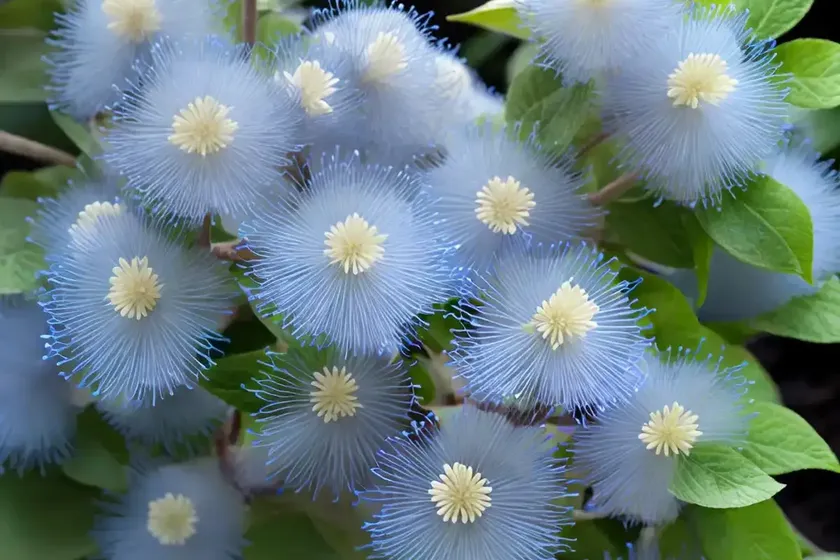
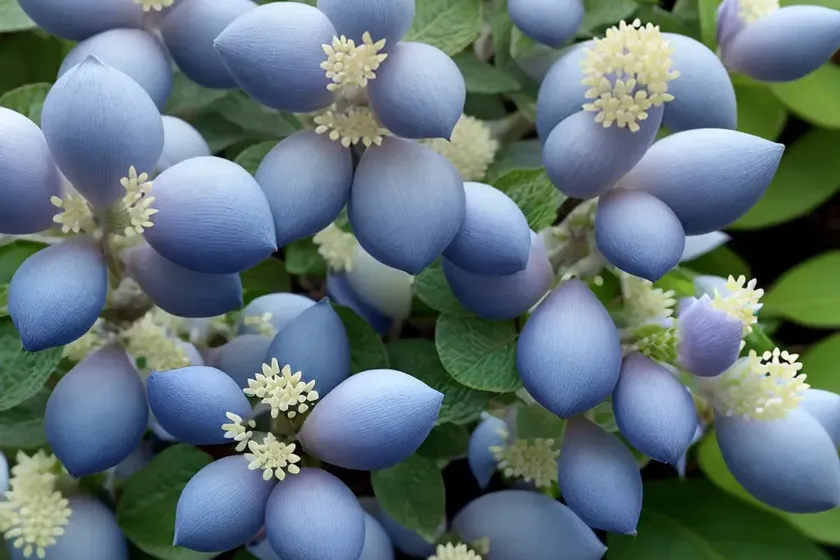
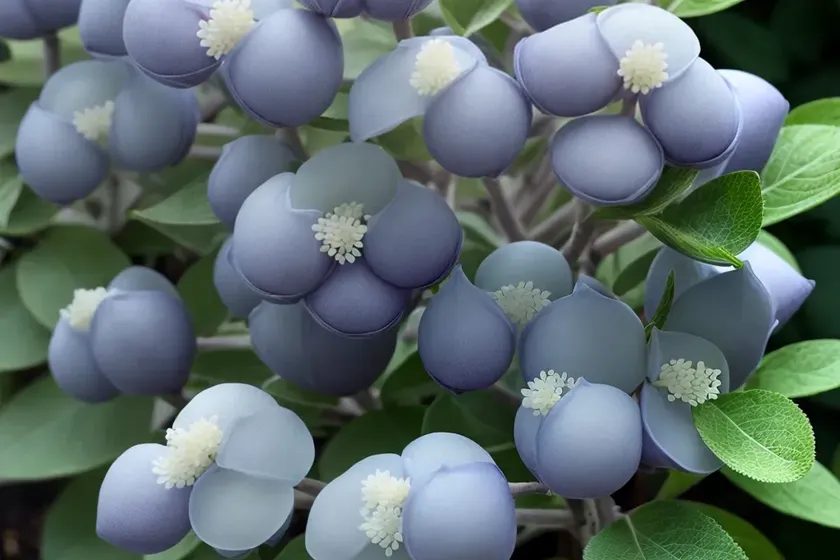
Plants are intricate and diverse living organisms that play a crucial role in sustaining life on our planet. As a plant scientist, I am fascinated by the multitude of plant species and their unique characteristics. In this blog post, we will delve into the captivating world of Fothergilla x intermedia ‘Blue Shadow’ (Fothergilla) – a remarkable shrub known for its ornamental features and landscape uses. We will explore its culture, uses, care requirements, common diseases, pests, and fascinating botanical insights.
What is Fothergilla x intermedia ‘Blue Shadow’?
Fothergilla x intermedia ‘Blue Shadow’, commonly referred to as Fothergilla, is a deciduous flowering shrub that belongs to the Hamamelidaceae family. This unique plant is valued for its attractive foliage, delicate spring flowers, and vibrant fall colors, making it a popular choice for gardens, landscapes, and naturalistic plantings.
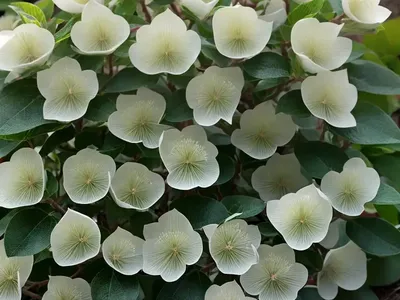
The ‘Blue Shadow’ variety is specifically cherished for its striking blue-green foliage, which sets it apart from other Fothergilla cultivars. This shrub is native to the southeastern United States and thrives in temperate climates with moist, acidic soils.
Now, let’s delve into the key takeaways about Fothergilla x intermedia ‘Blue Shadow’, including its culture, uses, and essential care guidelines.
Key Takeaways – Fothergilla x intermedia ‘Blue Shadow’
Culture
- Fothergilla x intermedia ‘Blue Shadow’ is a deciduous shrub with a unique blue-green foliage.
- It typically reaches a mature height of 4 to 5 feet, with a similar spread, creating a compact and mounded growth habit.
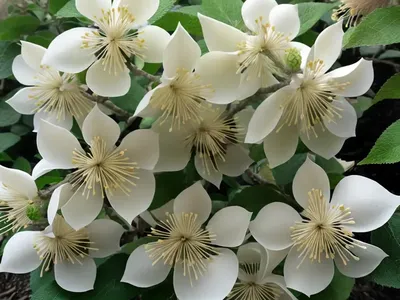
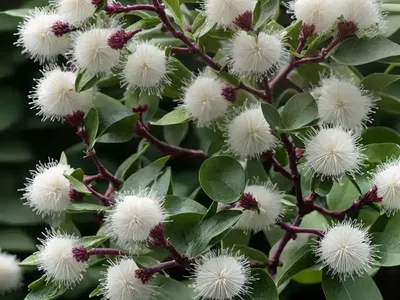
- The plant blooms in spring, producing fragrant, bottlebrush-like white flowers that add an exquisite touch to the landscape.
- Its showy fall foliage turns stunning shades of orange, red, and burgundy, enriching the autumn scenery.
Uses
- Fothergilla x intermedia ‘Blue Shadow’ is a versatile shrub that can be used in various landscaping applications, such as foundation plantings, woodland gardens, and mixed borders.
- Its small size and attractive foliage make it suitable for urban gardens, container gardening, and landscape designs that require low-maintenance, ornamental plants.
- This shrub also attracts pollinators, contributing to the biodiversity of garden ecosystems.
Now, we’ll explore the essential care requirements for Fothergilla x intermedia ‘Blue Shadow’, including its water, sunlight, fertilizer, soil, pruning, propagation, and container preferences.
Water
- Fothergilla x intermedia ‘Blue Shadow’ thrives in moist, well-drained soils and benefits from regular watering, especially during dry periods.
- It is essential to avoid waterlogging the roots, as excessive moisture can lead to root rot and other detrimental conditions.
Sunlight
- This shrub prefers partial to full sun exposure, making it well-suited for locations with moderate sunlight.
- While it can tolerate some shade, providing adequate sunlight promotes healthy growth and enhances the development of its captivating foliage and flowers.
Fertilizer
- Fothergilla x intermedia ‘Blue Shadow’ benefits from a balanced, slow-release fertilizer applied in early spring to support its overall vigor and flowering performance.
- Selecting a fertilizer specifically formulated for acid-loving plants is recommended to meet its unique nutrient requirements.
Soil
- The ideal soil for Fothergilla x intermedia ‘Blue Shadow’ is acidic, rich in organic matter, and well-draining.
- A soil pH in the range of 5.0 to 6.5 is suitable for this shrub, ensuring optimal nutrient uptake and root health.
Pruning
- While Fothergilla x intermedia ‘Blue Shadow’ generally requires minimal pruning, occasional removal of dead or damaged branches can promote a tidy appearance and encourage new growth.
- Pruning is best performed after the plant has finished flowering to avoid compromising the next season’s bloom production.
Propagation
- Propagating Fothergilla x intermedia ‘Blue Shadow’ can be achieved through softwood or hardwood cuttings taken during the appropriate season.
- Softwood cuttings are typically harvested in late spring or early summer, while hardwood cuttings are collected in late fall or winter, each requiring specific techniques for successful rooting.
Container Popularity
- Fothergilla x intermedia ‘Blue Shadow’ is well-suited for container gardening, allowing it to be showcased on patios, balconies, or other outdoor settings.
- When grown in containers, it is essential to provide proper drainage, regular watering, and suitable potting mix to support the plant’s growth and vitality.
Now that we’ve covered the essential care aspects, it’s crucial to address the common diseases and pests that may affect Fothergilla x intermedia ‘Blue Shadow’, along with botanical tips, fun facts, and external resources for further exploration.
Common Diseases
- Fothergilla x intermedia ‘Blue Shadow’ is relatively resistant to many common diseases, but it can occasionally experience issues such as powdery mildew, leaf spot, and canker diseases under unfavorable growing conditions.
- To mitigate disease risks, maintaining good air circulation, avoiding overhead watering, and promptly addressing any signs of disease are essential practices.
Disease Diagnosis
- Promptly diagnosing and addressing potential diseases is crucial for safeguarding the health and vitality of Fothergilla x intermedia ‘Blue Shadow’.
- Symptoms such as discolored or spotted foliage, powdery residue on leaves, and abnormal growth patterns should be carefully examined and appropriately addressed through targeted management practices.
Common Pests
- While generally resilient to pest pressures, Fothergilla x intermedia ‘Blue Shadow’ can encounter occasional pest issues, including aphids, scale insects, and spider mites.
- Regular monitoring and prompt intervention can effectively manage pest populations and prevent significant damage to the plant.
Botanist’s Tips
- To ensure the best performance and aesthetic appeal of Fothergilla x intermedia ‘Blue Shadow’, selecting a suitable planting location with the right soil and light conditions is paramount.
- Regularly monitoring the plant for signs of stress, disease, or pest activity allows for timely interventions and proactive care to maintain its health and visual appeal.
Fun Facts
- The ‘Blue Shadow’ variety of Fothergilla x intermedia is prized for its distinct blue-hued foliage, adding an enchanting and unique element to garden landscapes.
- Its aromatic white flowers attract pollinators, contributing to the ecological balance and biodiversity of garden ecosystems.
Links to External Resources
For further exploration and in-depth information about Fothergilla x intermedia ‘Blue Shadow’ and its cultivation, the following external resources are valuable references:
– The American Fothergilla Society: www.fothergillasociety.org
– Gardening Know How – Fothergilla Growing Guide: www.gardeningknowhow.com/ornamental/shrubs/fothergilla/growing-fothergilla-shrubs.htm
– The Royal Horticultural Society – Fothergilla Care Tips: www.rhs.org.uk/plants/29307/i-fothergilla-x-intermedia-i-blue-shadow/details
In conclusion, Fothergilla x intermedia ‘Blue Shadow’ stands out as a captivating and valuable addition to garden landscapes, offering an array of ornamental characteristics and versatile uses. With proper care and attention to its specific cultural requirements, this shrub thrives as an enchanting presence, enriching outdoor spaces and delighting plant enthusiasts with its unique beauty. Whether utilized in urban gardens, naturalistic plantings, or ornamental containers, Fothergilla x intermedia ‘Blue Shadow’ continues to charm and inspire with its distinctive allure.
In addition to its visual appeal, the ecological contributions of Fothergilla x intermedia ‘Blue Shadow’, such as attracting pollinators and enhancing biodiversity, underscore its significance in promoting sustainable and thriving garden ecosystems. As we continue to appreciate and explore the diverse world of plants, Fothergilla x intermedia ‘Blue Shadow’ stands as a compelling example of nature’s artistry and resilience, inviting us to cherish and cultivate its remarkable presence in our outdoor environments.
Word Count: 1184 words