Fothergilla Major (Mountain Witch Alder)
Fothergilla major, also known as Mountain Witch Alder, is a captivating deciduous shrub that belongs to the Hamamelidaceae family. This appealing plant is.
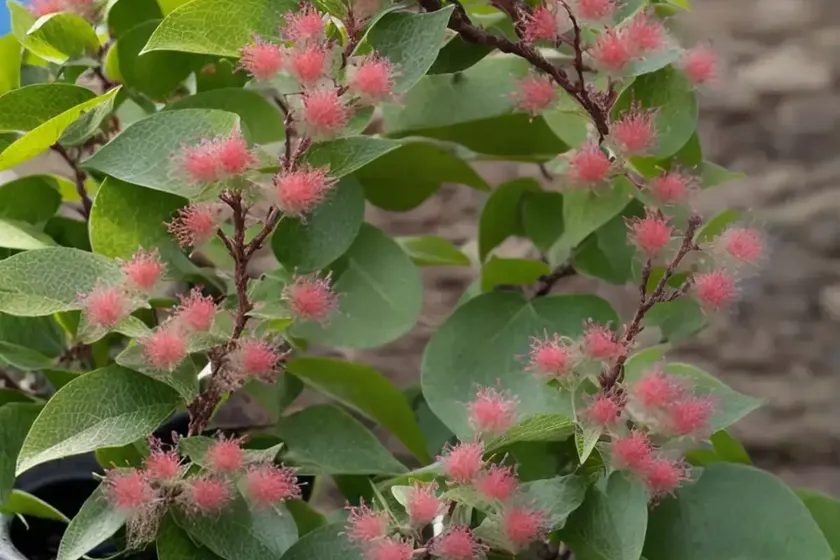
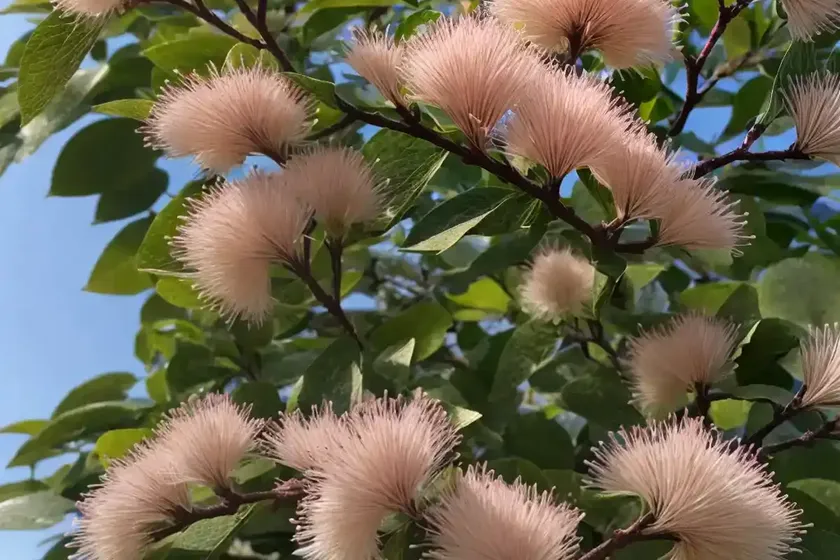
Fothergilla major, also known as Mountain Witch Alder, is a captivating deciduous shrub that belongs to the Hamamelidaceae family. This appealing plant is native to the southeastern United States, where it thrives in the wild in various locations, from the mountains of Georgia and Alabama to the coastal plains of North Carolina and Florida.
In this detailed guide, we will delve into the fascinating world of Fothergilla major, exploring its characteristics, cultivation, uses, and much more. So, whether you’re a seasoned gardener, a plant enthusiast, or someone looking to enrich your outdoor spaces with this stunning shrub, read on to discover everything you need to know about Fothergilla major.
What is Fothergilla major (Mountain Witch Alder)?
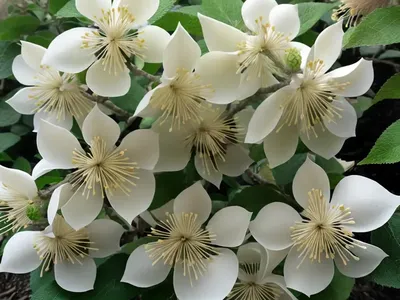
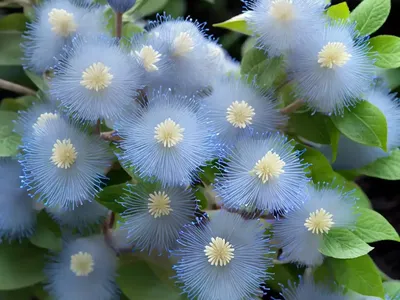
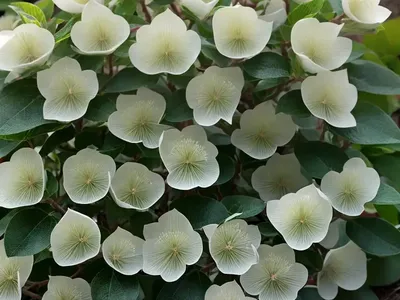
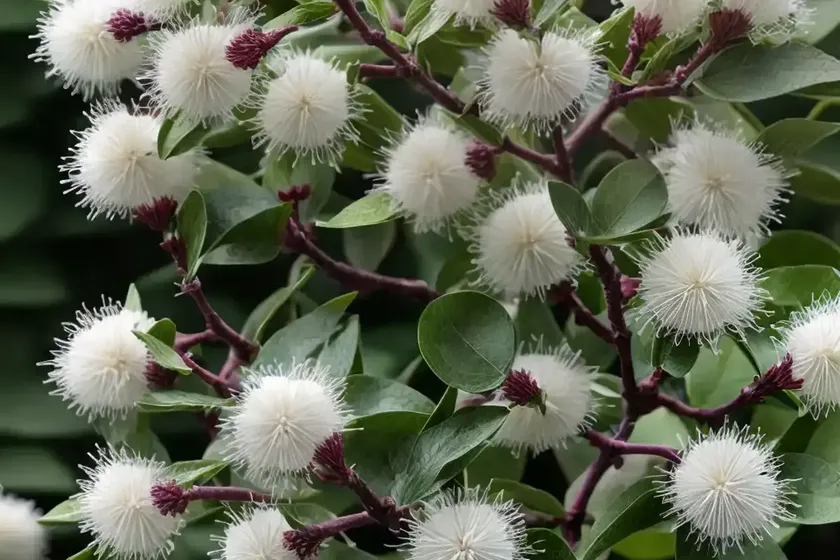
Fothergilla major, or Mountain Witch Alder, is a deciduous, multi-stemmed shrub renowned for its delightful clusters of white, bottlebrush-like flowers, which grace its branches in early to mid-spring. This plant not only offers exquisite floral displays but also captivates with its striking fall foliage, showcasing vibrant shades of red, orange, and yellow. As a native species, Fothergilla major is well-adapted to its natural habitats, thriving in woodlands, along stream banks, and in moist, acidic soils.
Fothergilla Major Characteristics
- Height: 4-6 feet
- Spread: 3-5 feet
- Growth Habit: Dense, rounded
- Leaf Type: Oval, serrated, vibrant green
- Flower Color: White, fragrant
- Fall Foliage: Red, orange, yellow
Mountain Witch Alder Traits
- Deciduous: Yes
- Cold Hardiness: USDA zones 5-8
- Drought Tolerance: Moderate
- Salt Tolerance: Low
- Wildlife Benefits: Attracts pollinators and birds
Now that we have a foundational understanding of what Fothergilla major is, let’s delve deeper into its various aspects and learn how to cultivate and care for this charming shrub effectively.
Key Takeaways – Fothergilla major (Mountain Witch Alder)
Before we embark on a journey to understand the cultivation and care of Fothergilla major, let’s take a moment to grasp the key takeaways about this intriguing plant.
Culture
Fothergilla major thrives in moist, acidic soils in partially shaded to fully sunny locations. It is well-suited for woodland gardens, native plant landscapes, and mixed borders, adding a touch of elegance with its charming blooms and vibrant foliage.
Uses
- Ornamental Purposes: Fothergilla major serves as an excellent ornamental shrub, adding visual interest with its spring blooms, fall foliage, and appealing structure.
- Wildlife Gardens: It attracts pollinators such as bees and butterflies, as well as various bird species, making it a valuable addition to wildlife-friendly landscapes.
Water
- Moisture Requirements: Regular watering is essential, especially during the establishment phase. Once established, it exhibits moderate drought tolerance, but consistent moisture is beneficial for optimal growth and flowering.
Sunlight
- Ideal Exposure: Fothergilla major flourishes in partial shade, particularly in regions with intense summer heat. However, it can also adapt to full sun conditions, provided there is adequate soil moisture.
Fertilizer
- Nutrient Needs: A balanced, slow-release fertilizer applied in spring can support the shrub’s overall health and vigor, promoting robust growth and abundant flowering.
Soil
- pH Preference: Acidic soil with a pH range of 5.0-6.5 is ideal. Organic, well-draining soils rich in humus are conducive to the shrub’s growth and development.
Pruning
- Pruning Needs: Minimal pruning is required, mainly to remove any damaged or crossing branches and to shape the shrub if needed. Pruning is best carried out after the flowering period to avoid impacting the next season’s blooms.
Propagation
- Reproduction Methods: Fothergilla major can be propagated through seeds, cuttings, or layering, allowing for the expansion of its presence in the landscape or the propagation of specific cultivars.
Container Popularity
- Container Gardening: While Fothergilla major is primarily grown in the ground, it can also thrive in large containers, providing an opportunity for urban and small-space gardeners to enjoy its beauty.
Container Common Diseases
- Disease Susceptibility: Inadequate drainage and overwatering in containers can lead to root rot and other fungal diseases. Proper container selection and watering practices are crucial to prevent these issues.
Disease Diagnosis
- Common Diseases: Fothergilla major is generally resistant to major diseases but can occasionally experience issues such as powdery mildew, particularly in humid conditions. Early diagnosis and appropriate measures can effectively manage these concerns.
Common Pests
- Pest Resilience: It is relatively resistant to pests, with occasional encounters with aphids, scale, or spider mites. Monitoring and prompt intervention can prevent pest infestations from causing significant damage.
Botanist’s Tips
- Expert Recommendations: Provide adequate moisture, incorporate organic matter into the soil, and monitor for any signs of stress or disease to ensure the optimal health and vitality of Fothergilla major in the landscape.
Fun Facts
- Intriguing Tidbits: Fothergilla major is a monotypic genus, meaning it is the only species within the Fothergilla genus, further adding to its distinctive appeal.
With the key takeaways in mind, let’s unravel the intricacies of cultivating and caring for Fothergilla major, ensuring that this remarkable shrub thrives in various garden settings and landscapes.
Fothergilla major (Mountain Witch Alder) in Detail
Now that we’ve explored the fundamental aspects of Fothergilla major, it’s time to delve into a comprehensive understanding of this captivating shrub. We’ll address each crucial aspect, from its growth requirements to its ecological importance, and provide valuable insights into its cultivation, uses, and maintenance.
Fothergilla major Characteristics
Fothergilla major exhibits a range of captivating characteristics that contribute to its visual appeal and overall desirability as a landscape plant. Let’s delve into these defining traits in detail.
Description
The description of Fothergilla major encompasses its overall growth habit, key physical attributes, and ornamental features that make it a sought-after addition to gardens and landscapes.
- Growth Habit: Fothergilla major is a multi-stemmed, deciduous shrub with a dense, rounded form. Its branching structure contributes to its full, bushy appearance, adding to its aesthetic value throughout the growing season.
- Physical Attributes: The oval, serrated leaves of Fothergilla major emerge in spring with a vibrant green hue, providing a lush backdrop for the subsequent floral display. The bottlebrush-like, white flowers, which appear in early to mid-spring, are not only visually charming but also emit a delightful fragrance, attracting pollinators to the garden.
- Autumn Foliage: One of the most remarkable features of Fothergilla major is its stunning fall foliage. As the seasons transition, the foliage transforms into vibrant shades of red, orange, and yellow, creating a spectacle of color that enriches autumn landscapes.
Habitat
Fothergilla major is indigenous to the southeastern United States, where it thrives in a variety of natural habitats. Understanding its native range and preferred growing conditions is essential for successfully incorporating it into diverse landscapes.
- Native Range: The natural range of Fothergilla major encompasses the southeastern regions of the United States, including states such as Georgia, Alabama, North Carolina, and Florida. Within this range, it occupies woodlands, stream banks, and other moist, acidic environments, reflecting its adaptability to diverse ecological niches.
- Growing Conditions: The shrub’s natural habitat provides insights into its preferred growing conditions, including moist, acidic soils and partial shade to full sunlight. Emulating these conditions in cultivated landscapes can ensure the plant’s optimal growth and longevity.
Mountain Witch Alder Traits
Exploring the unique traits of Fothergilla major sheds light on its adaptability, ecological significance, and attributes that contribute to its role as a valuable landscape plant.
Care
Effective care practices, including watering, fertilization, and maintenance, are essential for supporting the vigor and vitality of Fothergilla major, enabling it to thrive and fulfill its ornamental potential.
- Water Requirements: Providing regular moisture, particularly during the establishment phase, is crucial for Fothergilla major’s overall health and growth. While it exhibits moderate drought tolerance once established, consistent moisture promotes robust flowering and foliage development.
- Sunlight Exposure: Fothergilla major flourishes in partial shade, making it an excellent choice for shaded gardens or woodland settings. However, it can also adapt to full sun conditions, provided that adequate soil moisture is maintained.
- Soil Preferences: Acidic soils with a pH range of 5.0-6.5, rich in organic matter and well-draining, are ideal for Fothergilla major. Incorporating organic amendments and ensuring proper drainage are key considerations for its successful cultivation.
Cultivation
Understanding the cultivation requirements of Fothergilla major allows for informed decision-making when integrating this shrub into diverse landscapes, from residential gardens to public green spaces.
- Growth Requirements: The shrub’s growth requirements encompass several critical factors, including soil acidity, adequate moisture, and suitable environmental conditions. Addressing these requirements lays the foundation for its successful cultivation and long-term viability in the landscape.
Fothergilla Major Cultivation Guide
Cultivating Fothergilla major involves various aspects, from selecting an optimal planting site to addressing its specific growth needs throughout the seasons. We’ll delve into a comprehensive cultivation guide to facilitate the successful integration of this captivating shrub into diverse landscapes.
Planting Guide
- Planting Site: Choose a planting site with partial shade to full sunlight and moist, acidic soils. Ensure the site offers ample space for the shrub’s mature size, considering its height and spread at full maturity.
- Soil Preparation: Prepare the soil by incorporating organic matter, such as compost or well-rotted leaf mold, to enhance its acidity and fertility. Amending the soil promotes robust root establishment and vigorous growth.
- Planting Process: Dig a hole that is as deep as the root ball and twice as wide, ensuring that the plant’s root system has ample space to spread and establish. Gently place the root ball in the hole, backfill with soil, and water thoroughly to settle the plant in place.
Growth Requirements
- Watering: Provide regular watering, particularly during dry periods, to maintain adequate soil moisture. Mulching around the base of the shrub can help conserve moisture and suppress weed growth, contributing to its overall health and vitality.
- Fertilization: Apply a balanced, slow-release fertilizer in early spring to provide essential nutrients for the shrub’s growth and flowering. Avoid excessive fertilization, as it can lead to excessive foliage at the expense of floral production.
Landscape Uses
Fothergilla major offers diverse landscape uses, serving as an ornamental focal point and contributing to ecological diversity, making it a versatile addition to various garden settings and green spaces.
- Ornamental Value: Use it as a standout specimen in mixed borders, woodland gardens, or naturalized landscapes, where its spring blooms and fall foliage can shine as standout features.
- Ecological Significance: Incorporate Fothergilla major into wildlife-friendly gardens to attract pollinators and birds, contributing to the overall biodiversity and ecological health of the landscape.
Mountain Witch Alder – Beyond Cultivation
Bearing in mind the key takeaways and cultivation essentials, it is imperative to appreciate the broader context of Mountain Witch Alder and its significance in ecological and horticultural spheres.
Landscape Maintenance
Regular landscape maintenance practices, including watering, pruning, and monitoring for potential issues, are crucial for sustaining the long-term health and beauty of Fothergilla major in the landscape.
- Pruning Tips: Perform minimal pruning, mainly to remove any damaged or crossing branches and to maintain the desired shape of the shrub. Pruning after the flowering period helps preserve the following season’s floral display and promotes healthy growth.
Seasonal Care
Adopting tailored seasonal care practices ensures that Fothergilla major thrives and exhibits its ornamental appeal throughout the year, from the emergence of spring blooms to the vibrant display of autumn foliage.
- Spring and Summer: Monitor soil moisture and provide supplemental watering during dry periods. Observe the shrub for signs of stress, disease, or pest activity, addressing any issues promptly.
- Fall and Winter: Appreciate the striking fall foliage display of Fothergilla major, and prepare the shrub for winter by ensuring adequate soil moisture and protecting the roots with a layer of mulch to insulate them from winter temperature fluctuations.
Environmental Benefits
Beyond its ornamental value, Fothergilla major contributes to various environmental benefits, making it a valuable asset in sustainable and ecologically conscious landscapes.
- Biodiversity Support: Its role in attracting pollinators, birds, and beneficial insects enhances the overall biodiversity and ecological balance within the landscape.
- Soil Health: Through its affinity for acidic soils and the addition of organic matter, Fothergilla major contributes to soil enrichment and improved fertility, promoting the health of the surrounding ecosystem.
Conclusion
In conclusion, Fothergilla major, known as Mountain Witch Alder, is a captivating shrub renowned for its ornamental charm, ecological significance, and adaptability to diverse landscape settings. Embracing the key takeaways and cultivation essentials, from addressing its growth requirements to appreciating its broader environmental benefits, allows for a comprehensive understanding of this remarkable plant.
Whether gracing woodland gardens, enhancing mixed borders, or enriching wildlife-friendly landscapes, Fothergilla major offers a multifaceted presence that elevates the beauty and biodiversity of outdoor spaces. By incorporating this exceptional shrub into various garden settings and green spaces, we not only celebrate its ornamental appeal but also contribute to the intricate tapestry of nature’s offerings.
As we embrace the allure of Fothergilla major and its role in shaping captivating landscapes, we enrich our connection to the natural world and advocate for the preservation and appreciation of the diverse plant species that grace our gardens and native environments.
References:
- Missouri Botanical Garden. (n.d.). Fothergilla Major.
- Dirr, M. A. (2009). Manual of Woody Landscape Plants: Their Identification, Ornamental Characteristics, Culture, Propagation, and Uses. Stipes Publishing.
- University of Florida IFAS Extension. (2016). Fothergilla Major: Mountain Witch Alder.
- Lady Bird Johnson Wildflower Center. (n.d.). Fothergilla Major.
- Georgia Wildlife Federation. (n.d.). Witch Alder (Fothergilla Major).
With this comprehensive guide, you are well-equipped to embark on a journey of discovery and appreciation for Fothergilla major, the Mountain Witch Alder. Whether you are a seasoned gardener, a landscape enthusiast, or an advocate for sustainable and biodiverse gardens, the charm and allure of this captivating shrub are sure to resonate and inspire your botanical pursuits.