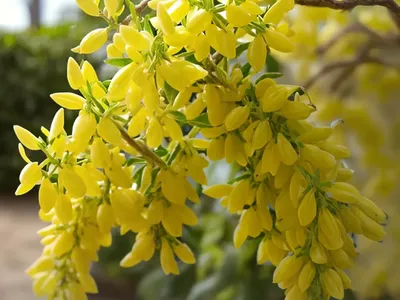
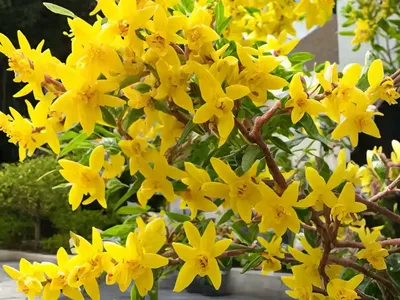
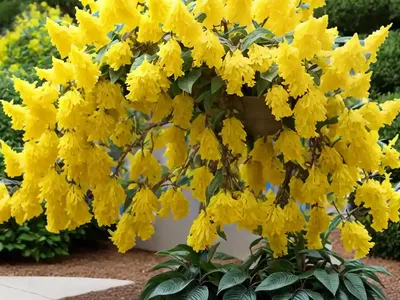
Forsythia (Forsythia)
Forsythia is a genus of flowering plants in the olive family Oleaceae, containing approximately 11 species. The plants are native to East Asia, and are.
Introduction to Forsythia
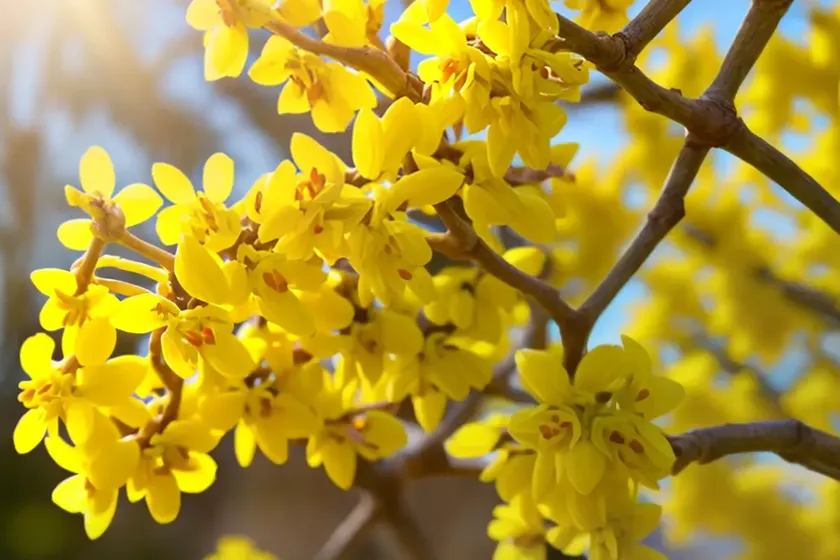
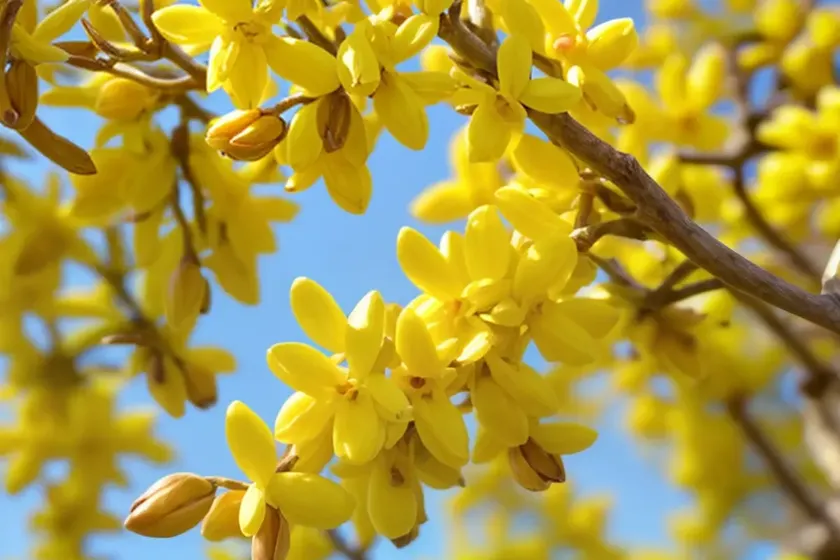
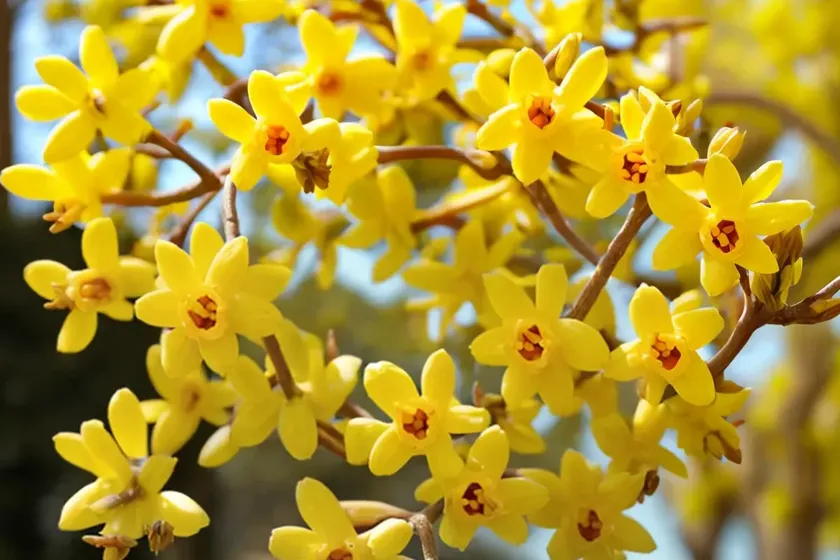
Forsythia is a genus of flowering plants in the olive family Oleaceae, containing approximately 11 species. The plants are native to East Asia, and are named after the Scottish botanist William Forsyth. Forsythias are deciduous shrubs with bright yellow flowers that bloom in early spring, often before the leaves emerge. These flowers are a harbinger of spring, signaling the end of winter with their cheerful display.
In this comprehensive guide, we will explore the various aspects of Forsythia care, its uses, ideal growing conditions, common diseases and pests, as well as some interesting botanical tips and fun facts about this beloved shrub.
Key Takeaways – Forsythia (Forsythia)
Before delving into the details, here are the key takeaways that we will cover in this guide:
1. Forsythia Care Tips: Understanding the essential care tips to ensure healthy growth and abundant flowering in Forsythia plants.
2. Best Fertilizers for Forsythia Plants: Exploring the fertilizers that are most beneficial for promoting robust growth and blooming in Forsythia.
3. Pruning Forsythia Shrubs: Learning the correct pruning techniques and timings for maintaining well-shaped and healthy Forsythia shrubs.
4. Forsythia Propagation Methods: Exploring the different methods of propagating Forsythia to expand your garden or share the beauty of these plants with others.
5. Common Diseases in Forsythia Plants: Identifying and addressing prevalent diseases that can affect Forsythia plants, ensuring their long-term health.
6. Forsythia Landscaping Ideas: Discovering creative landscaping ideas to showcase Forsythia’s beauty in various outdoor settings.
7. Ideal Soil Conditions for Forsythia: Understanding the soil requirements that are optimal for the growth and development of Forsythia.
8. Growing Forsythia in Containers: Exploring the possibilities of growing Forsythia in containers, allowing flexibility in placement and cultivation.
9. Forsythia Pruning Techniques: Delving into more specific techniques and approaches to pruning Forsythia to achieve desired results.
10. Pests Affecting Forsythia Plants: Identifying common pests that can pose a threat to Forsythia and strategies for prevention and management.
Now let’s delve into the details of each of these aspects, providing a comprehensive understanding of Forsythia and its care.
Cultivating Forsythia: Understanding Its Needs
To ensure the successful growth and blooming of Forsythia, it is essential to understand and cater to its specific requirements. From water and sunlight to soil and pruning, each aspect plays a crucial role in nurturing these vibrant shrubs.
Water
Watering Frequency: Forsythia plants generally do not require excessive watering once established. However, during their initial establishment period and in dry spells, regular watering is necessary to support healthy growth and flowering.
Soil Moisture: The soil around Forsythia should be kept consistently moist, but not waterlogged. It is important to monitor the moisture levels, especially during the hotter months, and adjust the watering frequency accordingly.
Sunlight
Sun Exposure: Forsythia thrives in full sunlight or partial shade. When choosing the placement for these shrubs, it is essential to ensure they receive an adequate amount of sunlight to support robust flowering.
Optimal Conditions: Selecting a location with morning sun and afternoon shade can be ideal for Forsythia, providing the right balance of sunlight for healthy growth.
Fertilizer
Nutrient Requirements: Forsythia plants benefit from regular fertilization, especially during the growing season. A balanced, slow-release fertilizer formulated for flowering shrubs can promote vigorous growth and abundant blooming.
Application Timing: Fertilize Forsythia in early spring before new growth emerges, and then again after the blooming period to support overall plant health.
Soil
Soil Type: Forsythia thrives in well-draining soil with a slightly acidic to neutral pH. Amending the soil with organic matter can improve its structure and fertility, providing an optimal environment for these shrubs.
Soil Quality: Ensuring the soil is nutrient-rich and well-draining is crucial for supporting healthy root development and overall plant vigor.
Pruning
Pruning Timing: Forsythia shrubs are best pruned immediately after flowering. This allows for the removal of older wood and encourages new growth for the following year’s blooms.
Pruning Techniques: When pruning Forsythia, focus on removing dead or damaged wood, as well as selectively cutting back the oldest stems to promote new growth and maintain a desired shape.
Propagation: Multiplying Forsythia
Forsythia can be propagated through various methods, allowing for the expansion of your garden or the sharing of these beautiful shrubs with others. Understanding the techniques for propagating Forsythia is beneficial for any plant enthusiast.
Propagation Methods
-
Softwood Cuttings: Softwood cuttings can be taken in early summer and rooted to produce new Forsythia plants. Select healthy, young stems for the best success rate.
-
Hardwood Cuttings: Hardwood cuttings, taken during the dormant season, can also be used to propagate Forsythia. These cuttings should be taken from the previous season’s growth and kept in a moist, but well-draining medium until they root.
-
Division: Forsythia can also be propagated by division, particularly when older plants develop multiple stems. Carefully dividing the root ball and replanting the sections can result in new, thriving shrubs.
Forsythia in Containers: Flexibility and Beauty Combined
Growing Forsythia in containers not only provides flexibility in placement, but also adds a touch of natural beauty to outdoor spaces such as patios, balconies, and garden decks. With proper care and attention to specific needs, Forsythia can thrive in container gardens.
Container Popularity
Appeal in Container Gardens: The vibrant yellow blooms of Forsythia make it a popular choice for container gardens, adding a burst of color and visual interest in outdoor settings.
Space Flexibility: Growing Forsythia in containers allows individuals with limited outdoor space to enjoy the beauty of these plants, making them an excellent option for urban and small-scale gardening.
Container Common Diseases
Root Rot: Just like with plants in the ground, Forsythia in containers can be susceptible to root rot if they are overwatered or if the soil does not drain adequately.
Pest Management: Pests such as aphids and spider mites can affect Forsythia in containers, requiring vigilant monitoring and prompt intervention to maintain plant health.
Disease Prevention: Maintaining proper watering practices and providing adequate airflow around container-grown Forsythia can help prevent the onset of common diseases.
Common Diseases and Pests: Protecting Forsythia Health
While Forsythia is generally a hardy shrub, it can still be affected by various diseases and pests. Being aware of common issues and their management is essential for ensuring the long-term health and vitality of these plants.
Disease Diagnosis
Leaf Spot: Forsythia can be prone to leaf spot, a fungal disease that presents as dark spots on the leaves. Removing and disposing of affected foliage can help prevent the spread of the disease.
Powdery Mildew: Powdery mildew is another common issue that can affect Forsythia, appearing as a white, powdery substance on the leaves. Fungicidal treatments and improving air circulation can help manage this disease.
Bacterial Blight: Bacterial blight can cause wilting and browning of Forsythia leaves and stems. Pruning affected parts and applying appropriate antibiotics can help mitigate the impact of this disease.
Common Pests
Aphids: These tiny, sap-sucking insects can cluster on Forsythia, causing leaf distortion and reducing plant vigor. Insecticidal soaps or neem oil can be used to control aphid infestations.
Spider Mites: Spider mites are another potential pest that can affect Forsythia, causing stippling and webbing on the leaves. Regularly spraying the plants with water and using miticides can help manage spider mite populations.
Scale Insects: Scale insects can infest Forsythia, appearing as small, immobile bumps on the stems and leaves. Systemic insecticides or horticultural oils can be used to control scale infestations.
Botanist’s Tips for Forsythia Care
To provide additional insight and expert advice on cultivating and caring for Forsythia, here are some valuable tips from seasoned botanists and horticulturists:
- Early Spring Pruning: Prune Forsythia immediately after flowering to allow ample time for new growth to develop and set flower buds for the following year.
- Adequate Sunlight: Ensure Forsythia plants receive at least 6 hours of sunlight daily to promote healthy blooming and overall vigor.
- Moisture Monitoring: Regularly check the soil moisture around Forsythia, aiming for consistent moisture levels without waterlogging.
- Fertilization Schedule: Apply a balanced, slow-release fertilizer in early spring to provide essential nutrients for the upcoming growing season.
- Disease Vigilance: Monitor Forsythia plants for any signs of disease or pest infestations, addressing issues promptly to prevent spread and damage.
- Proper Propagation Techniques: When propagating Forsythia, ensure the chosen method aligns with the plant’s growth stage and environmental conditions for the best success rate.
- Container Considerations: When growing Forsythia in containers, choose a spacious and well-draining pot, and monitor the moisture levels and plant health consistently.
Fun Facts About Forsythia
While Forsythia is appreciated for its vibrant blooms and early arrival in spring, there are numerous fascinating facts and tidbits worth knowing about these cheerful shrubs. Here are a few fun facts to broaden your understanding of Forsythia:
- Winter Forcing: Forsythia branches can be forced to bloom indoors during winter, bringing a burst of springtime color to the indoor environment.
- Traditional Medicine: In traditional Chinese medicine, Forsythia suspensa (Lianqiao) has been used for its potential medicinal properties, believed to have effects on heat-clearing and detoxification.
- Wildlife Attraction: Forsythia can act as a valuable wildlife plant, attracting beneficial insects, such as pollinators, and contributing to ecological diversity in outdoor spaces.
Links to External Resources
For further in-depth information on Forsythia care, landscaping ideas, and related topics, the following external resources are recommended:
- The Royal Horticultural Society (RHS) – Forsythia
- University of Maryland Extension – Forsythia
- Missouri Botanical Garden – Forsythia × intermedia
In this comprehensive guide, we have explored the various facets of Forsythia, delving into its care, cultivation, propagation, and unique qualities. By understanding the specific needs and nuances of Forsythia, enthusiasts and gardeners can cultivate and showcase these charming shrubs to their full potential. Whether it’s enjoying the vibrant bloom of Forsythia in spring or employing creative landscaping ideas, these versatile plants hold enduring appeal in gardens and outdoor spaces.
In closing, Forsythia’s early burst of sunshine in the landscape serves as a reminder of the beauty and resilience of nature, inspiring a sense of joy and anticipation as spring unfolds.