Forsythia Suspensa (Weeping Forsythia)
The Forsythia suspensa, commonly known as Weeping Forsythia, is a captivating shrub that belongs to the Oleaceae family. This deciduous plant is native to.
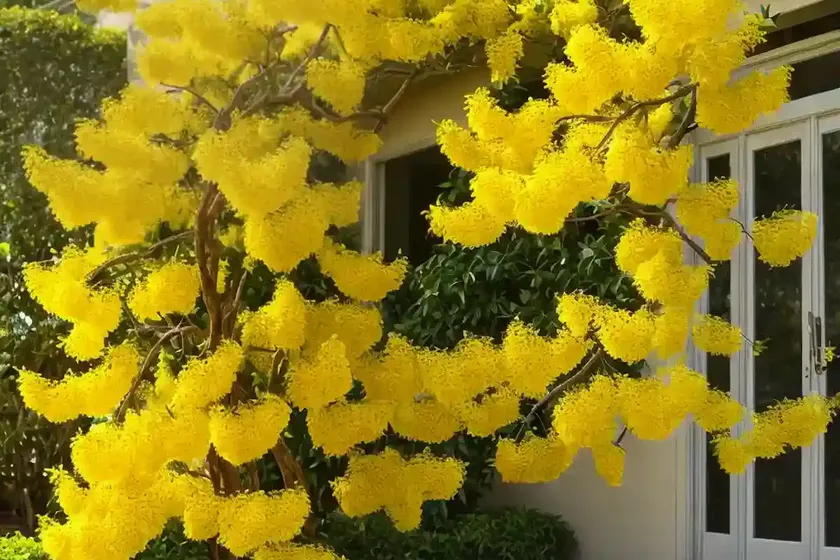
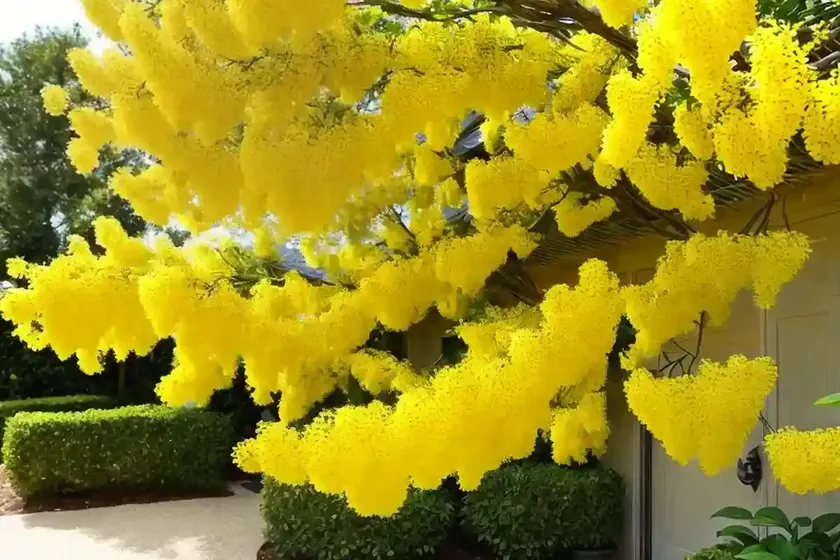
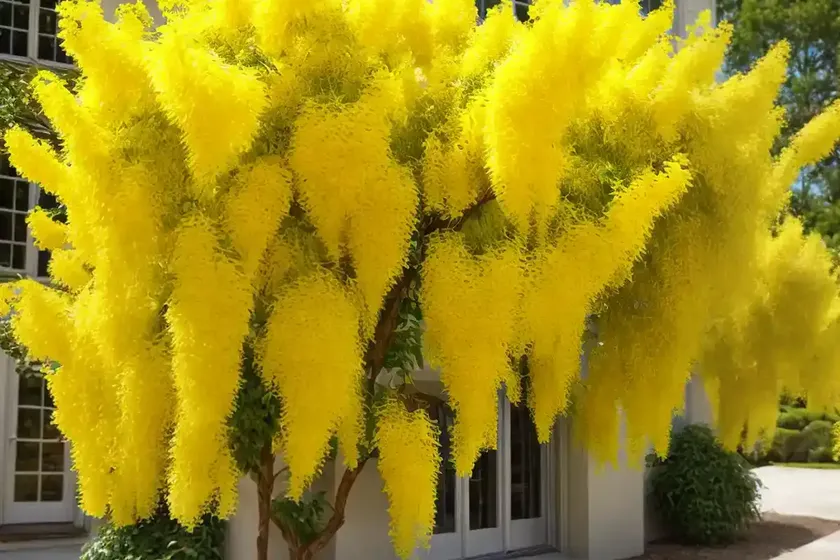
The Forsythia suspensa, commonly known as Weeping Forsythia, is a captivating shrub that belongs to the Oleaceae family. This deciduous plant is native to China and is widely cultivated for its stunning display of bright yellow flowers that bloom in early spring. Weeping Forsythia is a popular choice for landscaping due to its graceful arching growth habit and low maintenance requirements. In this comprehensive guide, we will explore the various aspects of caring for and cultivating this beautiful plant.
What is Forsythia Suspensa?
Forsythia suspensa, known as Weeping Forsythia, is a deciduous shrub that is valued for its vibrant yellow flowers and graceful cascading branches. This plant is native to East Asia, particularly in China, where it can be found growing in woodlands, hillsides, and along stream banks. The botanical name “suspensa” refers to the weeping or pendulous growth habit of the plant, which distinguishes it from other Forsythia species.
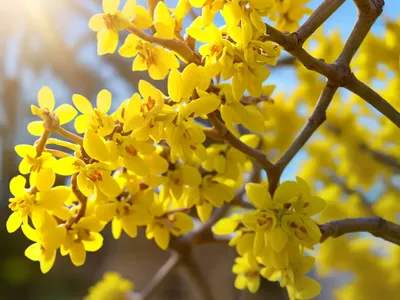
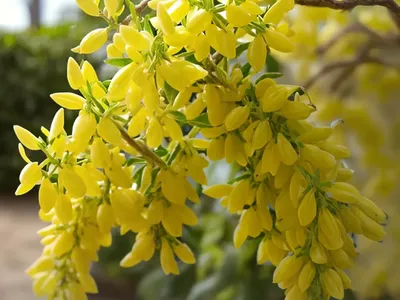
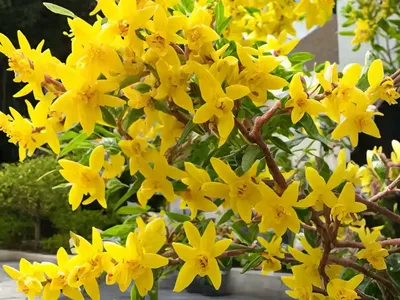
Forsythia suspensa is known for its early spring bloom, with the bright yellow flowers appearing before the foliage emerges. The flowers are bell-shaped and appear in clusters along the arching branches, creating a striking visual display. After blooming, the plant develops bright green ovate leaves that provide an attractive backdrop for the remainder of the growing season.
This species typically reaches a height of 6 to 10 feet, with a spread of 10 to 12 feet, making it an excellent choice for hedging, borders, or as a standalone specimen in the garden. Its elegant weeping form adds a sense of movement and grace to the landscape, making it a sought-after ornamental plant for gardeners and landscapers alike.
Key Takeaways – Forsythia Suspensa (Weeping Forsythia)
Before delving into the specifics of caring for Weeping Forsythia, let’s highlight the key takeaways that will be covered in this guide:
- Forsythia Suspensa Description: Understanding the physical characteristics and growth habits of the Weeping Forsythia.
- Weeping Forsythia Care: Detailed guidance on cultivating and maintaining this ornamental shrub.
- Growing Forsythia Suspensa: Tips for successful cultivation and propagation of Weeping Forsythia.
- Forsythia Suspensa Pruning: Techniques for shaping and maintaining the plant’s attractive form.
- Forsythia Suspensa Propagation: Methods for propagating new plants from existing specimens.
- Weeping Forsythia Varieties: Exploring different cultivars and variations of Weeping Forsythia.
- Forsythia Suspensa for Landscaping: Creative uses of Weeping Forsythia in garden and landscape design.
- Weeping Forsythia Diseases: Identification and management of common diseases affecting the plant.
- Forsythia Suspensa Planting Tips: Best practices for planting Weeping Forsythia for optimal growth.
- Forsythia Suspensa Maintenance: Guidelines for ongoing care and maintenance of the plant.
Now, let’s dive into the detailed care and cultivation requirements for Forsythia suspensa to help you successfully grow and enjoy this stunning ornamental shrub.
Forsythia Suspensa (Weeping Forsythia) Care
Caring for Weeping Forsythia involves understanding its specific needs in terms of water, sunlight, soil, fertilizer, and maintenance practices. By providing the right growing conditions and proper care, you can ensure that your Forsythia suspensa thrives and produces abundant blooms each spring. Let’s explore the key aspects of caring for this captivating shrub.
Culture
Weeping Forsythia, like many ornamental shrubs, benefits from a cultural environment that mimics its natural habitat. Understanding the plant’s preferred conditions can help you create an optimal growing environment for it to flourish.
Climate: Forsythia suspensa is well-suited to temperate climates with distinct seasons. It thrives in regions with cold winters and moderate summers, making it an ideal choice for gardeners in temperate zones. The plant may struggle in extremely hot or arid climates, so consider the local climate when selecting a planting location.
Hardiness Zone: Weeping Forsythia is generally hardy in USDA hardiness zones 5 to 8, although specific cultivars may exhibit varying degrees of cold tolerance. Ensure that your local hardiness zone aligns with the plant’s requirements to provide it with the best chance of survival and growth.
Growth Rate: Weeping Forsythia is known for its vigorous growth, particularly in the right conditions. The plant typically establishes and spreads quickly, making it an excellent choice for gardeners looking to create a lush, full garden or landscape feature.
Uses
The Weeping Forsythia has several versatile uses in garden and landscape designs, thanks to its attractive appearance and low maintenance requirements. Understanding the various uses of this plant can inspire creative applications in your own gardening endeavors.
Ornamental Accent: Weeping Forsythia is primarily valued for its ornamental qualities, particularly its early spring display of vibrant yellow flowers. When planted as a standalone specimen, it can serve as a focal point in the garden, creating a striking visual impact.
Hedging and Screening: The dense, arching growth habit of Weeping Forsythia lends itself well to hedging and screening applications. When planted in multiples, the plants can be strategically positioned to create privacy screens or natural barriers in the landscape.
Naturalizing: In more informal or naturalistic garden settings, Weeping Forsythia can be used to naturalize and soften the edges of formal garden features. Its graceful form and abundant blooms add a wild, carefree element to the landscape.
Erosion Control: The vigorous growth and spreading nature of Weeping Forsythia make it useful for controlling erosion on slopes or hillsides. The dense root system helps stabilize soil, making it an effective erosion control plant in certain landscapes.
Water
Proper watering is essential to the health and vitality of Weeping Forsythia, particularly during its establishment phase and in periods of drought. Understanding the plant’s water needs can help prevent issues such as dehydration or waterlogging, both of which can negatively impact its growth and flowering.
Establishment Phase: Newly planted Weeping Forsythia shrubs require regular watering to help them establish strong, healthy root systems. Provide consistent moisture, particularly during the first growing season, to support the plant’s transition and initial growth.
Drought Tolerance: While Weeping Forsythia appreciates consistent moisture, it also exhibits a degree of drought tolerance once established. The plant is capable of withstanding short periods of dry soil, but prolonged drought can lead to stress and reduced flowering.
Watering Frequency: During the active growing season and especially in periods of limited rainfall, water Weeping Forsythia deeply and infrequently. Aim to provide 1 to 1.5 inches of water per week, either through rainfall or supplemental irrigation, to maintain adequate soil moisture.
Avoid Waterlogging: Ensure that the planting site provides good drainage to prevent waterlogging, which can lead to root rot and other moisture-related issues. If the soil becomes waterlogged, the plant’s ability to take up nutrients and water is compromised, ultimately affecting its health.
Sunlight
Weeping Forsythia thrives in full sun to partial shade, requiring adequate sunlight to stimulate healthy growth and prolific flowering. Understanding the plant’s sunlight requirements can help you select an appropriate planting location and ensure its overall well-being.
Sun Exposure: Provide Weeping Forsythia with a planting location that receives full sun to partial shade. Full sun locations, with at least 6 to 8 hours of direct sunlight per day, promote the best flowering and overall growth.
Partial Shade: While Weeping Forsythia prefers full sun, it can tolerate partial shade, particularly in regions with intense summer heat. The plant may exhibit reduced flowering in partially shaded areas but should still maintain healthy growth and foliage.
Avoid Full Shade: Avoid planting Weeping Forsythia in areas of full shade, as this can severely limit its growth potential and diminish its ability to produce an abundant display of flowers. Shaded conditions may also increase the plant’s susceptibility to diseases and pests.
Fertilizer
Applying the right type and amount of fertilizer can support the growth and flowering performance of Weeping Forsythia. By understanding the plant’s nutritional needs, you can provide it with the essential nutrients required for healthy development.
Timing of Fertilization: Apply fertilizer to Weeping Forsythia in early spring, just before the plant begins to actively grow. This timing allows the nutrients to be readily available to support the plant’s initial growth and flower bud formation.
Fertilizer Type: Use a balanced, slow-release fertilizer formulated for flowering shrubs. A formulation such as 10-10-10 or 10-15-10 provides a good balance of essential nutrients, including nitrogen (N), phosphorus (P), and potassium (K), to support overall plant health and flowering.
Application Rate: Apply the fertilizer according to the manufacturer’s instructions, typically based on the size and age of the plant. Avoid over-fertilization, as this can lead to excessive vegetative growth at the expense of flowering.
Avoid Late-Season Fertilization: Refrain from applying fertilizer to Weeping Forsythia in late summer or fall. Late-season fertilization can stimulate late, tender growth that may be susceptible to damage from early frosts or cold temperatures.
Soil
The soil composition and structure play a crucial role in the overall health and performance of Weeping Forsythia. Understanding the plant’s soil preferences can help you create an optimal growing environment that supports its growth and vitality.
Well-Draining Soil: Weeping Forsythia thrives in well-draining soil that allows excess water to percolate away from the root zone. Avoid heavy or waterlogged soils, as these can lead to root suffocation and other moisture-related issues.
Soil pH: The preferred soil pH for Weeping Forsythia is slightly acidic to neutral, ranging from 6.0 to 7.0. Conduct a soil test to determine the pH of the planting site, and amend the soil as needed to achieve the optimal pH range for the plant.
Soil Amendments: Incorporating organic matter, such as well-aged compost or leaf mold, into the soil can improve its structure and fertility. Organic matter enhances soil drainage and aeration while providing essential nutrients for the plant.
Mulching: Apply a layer of organic mulch, such as wood chips or shredded bark, around the base of Weeping Forsythia to conserve soil moisture, suppress weed growth, and insulate the root zone. Maintain a 2- to 3-inch layer of mulch, ensuring that it does not directly contact the plant’s stem.
Pruning
Pruning is an essential aspect of Weeping Forsythia care, helping to maintain the plant’s attractive form, control its size, and promote vigorous flowering. Understanding the principles of pruning and the specific requirements of the plant can help you perform this task effectively.
Timing: Prune Weeping Forsythia immediately after the plant has finished flowering in early spring. This timing allows you to shape the shrub without sacrificing the following year’s flowers, which develop on the previous season’s growth.
Selective Pruning: Remove damaged, dead, or diseased branches as soon as they are observed. Additionally, selectively prune any overly vigorous or crossing branches to maintain an open, well-aerated canopy.
Thinning: Thinning cuts, which involve the removal of entire branches at the base or point of origin, can help improve air circulation and light penetration within the plant. Thinning cuts also promote a more graceful and open growth habit.
Rejuvenation Pruning: In situations where Weeping Forsythia has become overgrown or neglected, rejuvenation pruning can help restore its form and vigor. This drastic pruning technique involves cutting the entire plant back to 6 to 12 inches from the ground to encourage fresh, vigorous growth.
Tools: Use clean, sharp pruning tools, such as bypass pruners or loppers, to make clean cuts that minimize damage to the plant. Disinfect the tools with a 10% bleach solution between cuts, especially when pruning diseased branches.
Propagation
Propagating Weeping Forsythia is an excellent way to expand your garden or share the plant with others. Understanding the propagation methods and best practices can help you successfully cultivate new plants from existing specimens.
Propagation Methods: Weeping Forsythia can be propagated through several methods, including softwood cuttings, hardwood cuttings, and division. Softwood cuttings are typically taken in early summer, while hardwood cuttings are best harvested in late winter or early spring.
Rooting Hormone: Apply a rooting hormone to the base of the cuttings to encourage the development of roots. This can improve the success rate of propagation and ensure that the newly propagated plants establish themselves more effectively.
Growing Medium: Plant the cuttings in a well-draining, sterile growing medium, such as a mix of perlite and peat moss. Maintain consistent moisture and humidity around the cuttings to support root development.
Protection: Provide newly propagated plants with protection from direct sunlight and harsh environmental conditions. A shaded or sheltered location can help the young plants establish themselves without excessive stress.
Caring for Young Plants: After the cuttings have rooted and developed new growth, transplant them into individual containers or a prepared garden bed. Continue to provide appropriate care and maintenance to support their ongoing growth and development.
Container Popularity
Weeping Forsythia is well-suited to container cultivation, making it an excellent choice for gardeners with limited space or those who wish to enjoy its beauty on a patio, deck, or balcony. Understanding the specific requirements for growing Weeping Forsythia in containers can help you successfully cultivate and enjoy this plant in a confined space.
Container Selection: Choose a large, sturdy container with adequate drainage holes to support the growth of Weeping Forsythia. The container should be at least 18 to 24 inches in diameter to accommodate the plant’s root system and provide stability.
Well-Draining Soil: Use a high-quality potting mix that provides excellent drainage and aeration for the plant’s roots. Incorporate perlite or coarse sand to improve soil structure and prevent waterlogging in the container.
Watering: Container-grown Weeping Forsythia may require more frequent watering than plants in the ground, particularly during the active growing season and in warm weather. Monitor the moisture levels in the container and water as needed to maintain even soil moisture.
Fertilization: Apply a balanced, slow-release fertilizer to container-grown Weeping Forsythia in early spring to support its growth and flowering. Follow the manufacturer’s recommendations for application rates and frequency.
Winter Protection: In regions with cold winters, insulate the container and protect the plant’s roots from freezing temperatures. Move the container to a sheltered location or wrap it with insulating material to prevent winter damage.
Common Diseases
Weeping Forsythia is relatively resilient to diseases, but it may be susceptible to certain infections and issues under unfavorable growing conditions. Recognizing the common diseases affecting the plant and implementing appropriate management strategies can help protect its health and vitality.
Leaf Spot: Leaf spot diseases, caused by various fungi, can manifest as dark, irregular spots on the leaves. To manage leaf spot, prune and dispose of affected plant material, improve air circulation, and apply fungicidal sprays if necessary.
Powdery Mildew: Powdery mildew may appear as a white powdery coating on the leaves and stems, particularly in humid conditions. Provide good air circulation, avoid overhead watering, and apply fungicidal treatments to manage powdery mildew.
Anthracnose: Anthracnose can cause dark, sunken lesions on the stems, branches, and leaves of Weeping Forsythia. Prune and dispose of affected plant parts, maintain good sanitation practices, and apply fungicidal treatments as recommended.
Root Rot: Overly wet or poorly draining soil can lead to root rot, causing the plant’s roots to become waterlogged and suffocated. Avoid overwatering, improve soil drainage, and provide a suitable growing environment to prevent root rot.
Bacterial Blight: Bacterial blight may cause browning and necrosis of the plant’s foliage and stems. Remove and dispose of affected plant parts, maintain proper sanitation, and apply copper-based fungicides as a preventive measure.
Disease Diagnosis
Diagnosing diseases in Weeping Forsythia involves careful observation of the plant’s symptoms, coupled with an understanding of common disease issues that affect the species. Prompt and accurate diagnosis of diseases can facilitate timely intervention and effective management.
Visual Inspection: Regularly inspect the plant for any signs of abnormal growth, discoloration, or lesions on the foliage, stems, or branches. Note any changes in the plant’s appearance, vigor, or flowering performance.
Symptom Identification: Identify the specific symptoms exhibited by the plant, such as leaf spots, powdery coatings, wilting, or dieback. Note the location, extent, and severity of the symptoms to aid in diagnosis.
Comparative Analysis: Compare the observed symptoms with common disease profiles for Weeping Forsythia, considering factors such as environmental conditions, recent weather patterns, and cultural practices.
Expert Consultation: If uncertain about the cause of the plant’s symptoms, seek expert consultation from a local extension service, horticulturist, or plant disease specialist. Professional diagnosis can lead to targeted and effective treatment strategies.
Preventive Measures: Implement proactive measures to prevent diseases, including proper sanitation, regular plant inspection, and the use of disease-resistant cultivars. These strategies can minimize the risk of disease development.
Common Pests
While Weeping Forsythia is relatively resistant to pests, it may face occasional challenges from insect pests that can impact its growth and appearance. Recognizing and managing common pests can help protect the plant from damage and maintain its overall health.
Aphids: Aphids are small, soft-bodied insects that may cluster on the tender shoots and new growth of Weeping Forsythia. Control aphids through natural predators, such as ladybugs, or by using insecticidal soaps or horticultural oils.
Scale Insects: Scale insects can appear as small, raised bumps on the stems and branches of Weeping Forsythia. Prune and dispose of heavily infested plant parts, and apply horticultural oils during the dormant season to suffocate scale insects.
Spider Mites: Spider mites are tiny arachnids that feed on the undersides of leaves, causing stippling and discoloration. Increase humidity around the plant, remove and discard heavily infested leaves, and apply insecticidal sprays as needed.
Caterpillars: Certain caterpillar species may feed on the foliage of Weeping Forsythia, causing defoliation and damage. Handpick caterpillars and eggs, or apply biological insecticides to manage infestations.
Whiteflies: Whiteflies are small, moth-like insects that congregate on the undersides of leaves and can cause yellowing and wilting. Use yellow sticky traps to monitor whitefly populations, and apply insecticidal treatments as necessary.
Botanist’s Tips
As a botanist, I highly recommend incorporating Weeping Forsythia into garden and landscape designs for its exceptional ornamental value and adaptability. Here are some botanist’s tips to help you successfully grow and enjoy this beautiful plant:
- Site Selection: Choose a well-drained, sunny location for planting Weeping Forsythia to