Forsythia ‘Happy Centennial’)
As a plant scientist, my passion lies in understanding and cultivating various plant species to harness their beauty and benefits. One such captivating.
Introduction
As a plant scientist, my passion lies in understanding and cultivating various plant species to harness their beauty and benefits. One such captivating plant is the Forsythia ‘Happy Centennial’. This article is a comprehensive guide to understanding and nurturing this remarkable plant species. From its cultural requirements to common diseases and pests, we will delve deep into the world of Forsythia ‘Happy Centennial’, providing insights and tips for plant enthusiasts at all levels.
What is Forsythia ‘Happy Centennial’?
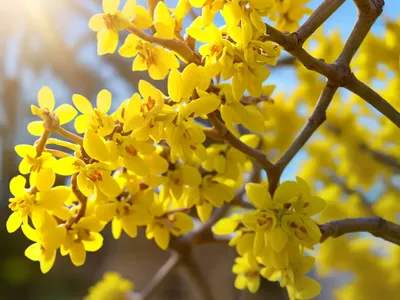
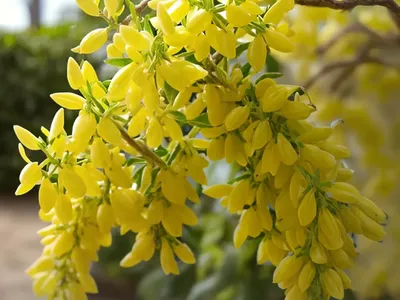
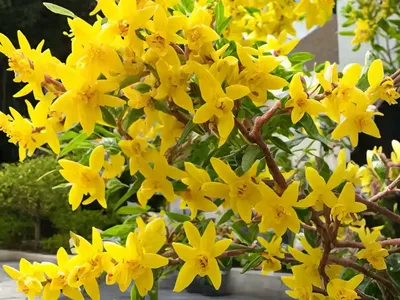
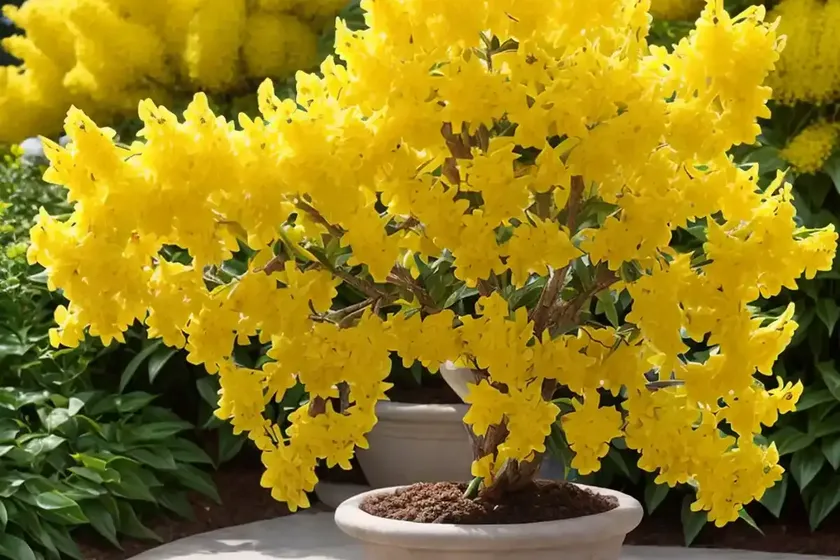
Forsythia ‘Happy Centennial’ is a dazzling deciduous shrub, adored for its vibrant yellow flowers that signal the arrival of spring. With a burst of cheerful color, it often serves as a focal point in gardens and landscapes. The botanical name Forsythia is an ode to William Forsyth, a prominent Scottish botanist.
Key Takeaways
- Genus: Forsythia
- Species: ‘Happy Centennial’
- Type: Deciduous shrub
- Flower Color: Vibrant yellow
- Cultural Highlights: Early blooming, visually striking flowers
Culture
Uses
Forsythia ‘Happy Centennial’ finds numerous uses in landscaping and gardening due to its striking appearance and adaptability. Some common applications include:
- Accentuating garden borders
- Creating vibrant hedgerows
- Adding visual interest to mixed plantings
- Serving as a standalone ornamental shrub
Water
Forsythia ‘Happy Centennial’ thrives in moist but well-drained soil. Proper watering is crucial, especially during its formative years and dry spells. It’s important to strike a balance, avoiding waterlogged conditions while ensuring the plant does not dry out.
Sunlight
This stunning shrub favors full sun to partial shade. Ample sunlight is essential for robust flower production and overall vigor.
Fertilizer
When it comes to fertilization, applying a balanced, slow-release fertilizer in the early spring benefits the growth and blooming potential of Forsythia ‘Happy Centennial’. Fertilizers with a formulation of NPK 10-10-10 or similar ratios work well.
Soil
Forsythia ‘Happy Centennial’ thrives in moderately fertile, well-drained soil. Loamy soil types are ideal, but the plant demonstrates adaptability to a range of soil conditions.
Pruning
Pruning is an important aspect of maintaining the form and health of Forsythia ‘Happy Centennial’. Proper timing and technique are crucial to ensure abundant blooms and a tidy growth habit.
Propagation
Forsythia ‘Happy Centennial’ can be propagated through various methods, including:
- Softwood cuttings
- Hardwood cuttings
- Division
Choose the most suitable method based on the specific growth stage and intended propagation timeline.
Container Popularity
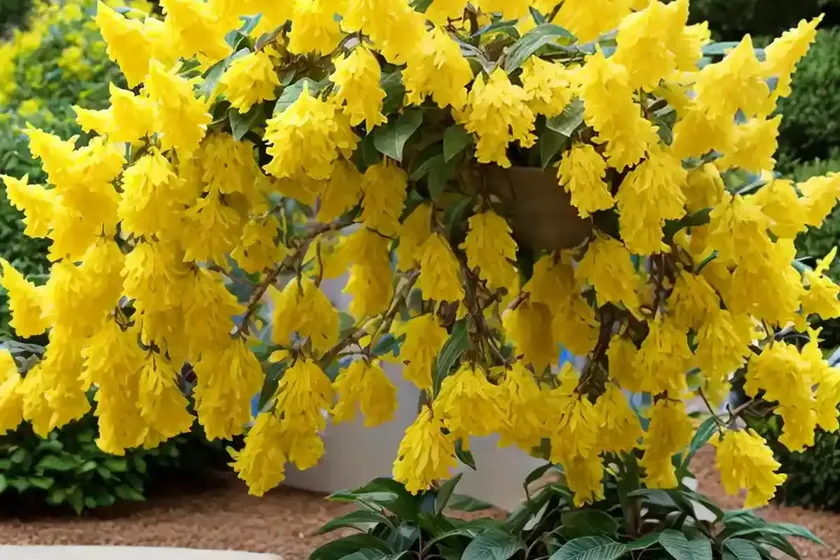
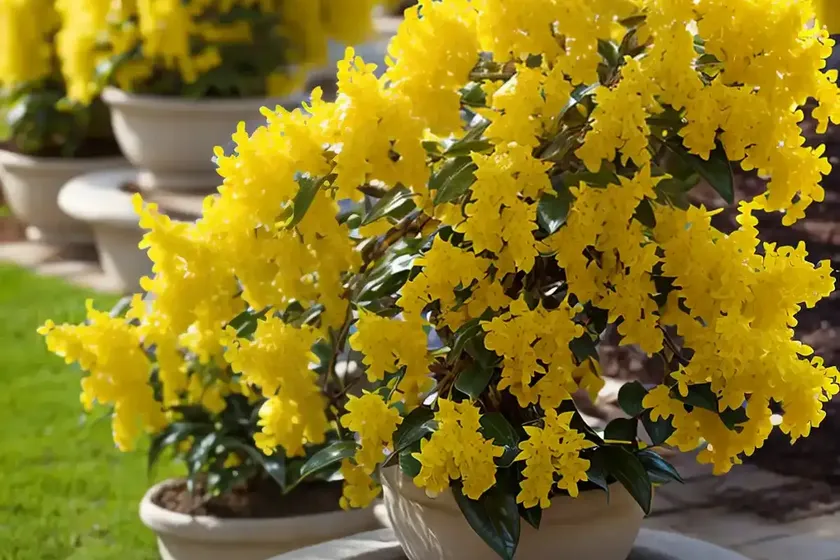
Forsythia ‘Happy Centennial’ is well-suited for container growth, making it a versatile choice for spaces with limited garden areas. Its vibrant flowers bring a delightful touch to patios, balconies, and any outdoor setting.
Container Common Diseases
Diseases in container-grown Forsythia ‘Happy Centennial’ can include issues such as root rot, powdery mildew, and leaf spot diseases.
Disease Diagnosis
Careful observation of symptoms such as wilting, discoloration, or abnormal growth can aid in diagnosing potential diseases in container-grown Forsythia ‘Happy Centennial. Prompt action and appropriate treatments can mitigate the impact of diseases.
Common Pests
Pests such as aphids, scale insects, and spider mites can occasionally affect Forsythia ‘Happy Centennial in container settings. Regular monitoring and proactive pest management practices are essential.
Botanist’s Tips
Optimal Environment
Creating an optimal environment for Forsythia ‘Happy Centennial’ involves providing the right balance of sunlight, moisture, and nutrients. Close attention to these factors enhances the plant’s resilience and ornamental value.
Mulching Benefits
Applying a layer of organic mulch around the base of the plant helps conserve soil moisture, suppress weed growth, and enrich the soil as it breaks down. Mulching also contributes to a tidy and polished appearance in the garden bed.
Fun Facts
- The genus Forsythia is named after William Forsyth, a renowned Scottish botanist and founding member of the Royal Horticultural Society.
- Forsythia ‘Happy Centennial’ symbolizes renewal and optimism with its vibrant yellow blooms, often marking the end of winter and the onset of spring.
- The flowers of Forsythia are edible and can be used to add a splash of color to salads or as a garnish.
Links to External Resources
- Planting Forsythia: How To Grow and Care for Forsythia Shrubs
- Pruning Forsythia: Tips For Trimming Forsythia Bushes
- Forsythia – University of Florida, Institute of Food and Agricultural Sciences
- Forsythia Diseases – Missouri Botanical Garden
The allure of Forsythia ‘Happy Centennial’ is undeniable, from its captivating flowers to its robust disposition. With the right care and attention, it can thrive and adorn gardens with its vibrant presence. Understanding its cultural requirements, pest and disease management, and propagation techniques equips enthusiasts to cultivate this charming shrub successfully. Whether it’s for landscape accents or container displays, Forsythia ‘Happy Centennial’ has immense potential to elevate the aesthetic appeal of any environment.
As we continue to explore and appreciate the natural world, each plant species enriches our understanding of biodiversity and the marvels of nature. Forsythia ‘Happy Centennial’ stands as a testament to the beauty and resilience found in the botanical realm, inviting us to revel in the splendor of its golden blooms with each passing spring.