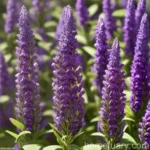
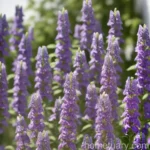
Foothill Penstemon (Penstemon heterophyllus ‘Electric Blue’)
As a plant scientist, I am thrilled to delve into the world of Penstemon heterophyllus ‘Electric Blue’, commonly known as foothill penstemon. This striking perennial plant belongs to the family Plantaginaceae and is native to California and Oregon, where it graces the landscape with its dazzling, electric-blue flowers.
In this comprehensive guide, we will explore the intricacies of caring for and cultivating the foothill penstemon. From its cultural requirements to propagation methods and common diseases, we will cover a wide array of topics to help you foster a thriving garden filled with the alluring beauty of this exceptional plant.
What is Foothill Penstemon (Penstemon heterophyllus ‘Electric Blue’)?
The Penstemon heterophyllus ‘Electric Blue’, or foothill penstemon, is a herbaceous perennial with an upright, clumping growth habit. It typically reaches a height of about 1 to 2 feet (30 to 60 cm) and spreads to around 1 to 1.5 feet (30 to 45 cm). The plant’s lance-shaped, deep green leaves provide an elegant backdrop to its magnificent blossoms, which emerge in spring and continue to enchant throughout the summer months.
This remarkable cultivar is celebrated for its prolific flowering nature, with its electric-blue tubular blossoms attracting a myriad of pollinators to the garden. Its vibrant hue and long-lasting blooms make it a coveted addition to both formal and naturalistic landscapes, as well as a delightful choice for container gardening.
Key Takeaways – Foothill Penstemon (Penstemon heterophyllus ‘Electric Blue’)
Before we embark on an in-depth exploration of caring for the foothill penstemon, let us provide a brief overview of the key takeaways that we will be addressing in this guide:
- Cultural Requirements
-
Understanding the cultural needs, including water, sunlight, soil, and fertilizer preferences, is crucial for cultivating a flourishing foothill penstemon.
-
Uses
-
Exploring the versatile uses of the Penstemon heterophyllus ‘Electric Blue’ in landscaping, container gardening, and its wildlife-attracting properties.
-
Propagation
-
Learning about the various propagation methods to expand your foothill penstemon collection.
-
Common Diseases and Pests
-
Identifying potential diseases and pests and implementing effective control measures for the plant’s well-being.
-
Botanist’s Tips
- Providing expert insights and recommendations for the optimal care and maintenance of this striking plant.
With these key takeaways in mind, let us embark on a journey to unlock the secrets of nurturing and celebrating the foothill penstemon in your garden.
Culture
Cultivating the foothill penstemon successfully begins with understanding and meeting its cultural requirements. From watering and sunlight preferences to soil and fertilizer considerations, providing the optimal environment is essential for fostering its remarkable beauty.
Water
In its natural habitat, the foothill penstemon thrives in areas with well-draining soil and moderate water availability. When establishing this plant in your garden, ensuring adequate moisture during the establishment phase is crucial. Once established, the plant exhibits moderate drought tolerance, making it suitable for water-wise landscapes and gardens with sporadic rainfall.
Watering Needs:
– Water the plant regularly during the initial establishment period to promote robust root development.
– Once established, reduce watering frequency, allowing the soil to dry out between waterings to prevent waterlogged conditions.
Sunlight
As a sun-loving perennial, the foothill penstemon flourishes in bright, full sun conditions. Providing ample sunlight is essential for the plant to thrive and produce an abundance of stunning blossoms throughout the growing season.
Sunlight Requirements:
– Plant in a location that receives at least 6 to 8 hours of direct sunlight daily to promote healthy growth and prolific flowering.
Fertilizer
In nutrient-deficient soils, adding a balanced fertilizer can enhance the growth and blooming potential of the foothill penstemon. However, it is crucial to avoid excessive fertilization, as this can lead to excessive vegetative growth at the expense of flowering.
Fertilizing Tips:
– Apply a balanced, slow-release fertilizer in early spring to provide essential nutrients for the growing season.
– Use a fertilizer with a low nitrogen content to encourage flowering without promoting excessive foliage growth.
Soil
The foothill penstemon thrives in well-draining, sandy or loamy soils with a slightly acidic to neutral pH. Soil that retains excessive moisture can lead to root rot and other moisture-related issues, underscoring the importance of providing optimal drainage for the plant.
Soil Requirements:
– Plant in well-draining soil to prevent waterlogging and root rot.
– Amending heavy clay soils with organic matter, such as compost or peat moss, can improve drainage and soil structure for the plant.
Pruning
Pruning is an essential aspect of maintaining the health and aesthetics of the foothill penstemon. Regular pruning helps promote air circulation, prevents overcrowding, and encourages a more compact growth habit, leading to a visually appealing and healthy plant.
Pruning Techniques:
– Deadhead spent flowers regularly to prolong the blooming period and encourage the development of new flower buds.
– In early spring, prune back the plant to remove any dead or damaged growth, promoting vigorous new shoots and blossoms.
Propagation
Expanding your collection of foothill penstemons through propagation allows you to share the beauty of this plant with others while fostering its presence in diverse garden settings. Understanding the propagation techniques can help you multiply this captivating species effectively.
Propagation Methods:
– Division: Divide mature clumps in early spring, ensuring each division has sufficient roots and shoots for successful establishment.
– Softwood Cuttings: Take softwood cuttings in late spring or early summer, propagating them in a well-draining rooting medium under controlled conditions to encourage root development.
Container Popularity
The charming allure and manageable size of the Penstemon heterophyllus ‘Electric Blue’ make it a popular choice for container gardening. Its striking blooms and compact growth habit can transform any outdoor space or patio into a vibrant display of natural beauty.
Container Gardening Tips:
– Select a well-draining pot or container with ample drainage holes to prevent waterlogging.
– Use a quality potting mix and ensure the container receives sufficient sunlight for the plant’s optimal growth and flowering.
Common Diseases
Just like any other plant, the foothill penstemon is susceptible to certain diseases that can impact its health and vigor. Understanding the signs and symptoms of common diseases can help in their early detection and implementation of appropriate measures to mitigate their impact.
Disease Diagnosis
- Powdery Mildew: A common fungal disease that manifests as a powdery, white coating on the leaves, stems, and flowers, impairing the plant’s photosynthetic capabilities.
- Root Rot: Caused by excessive soil moisture and poor drainage, root rot leads to wilting, yellowing, and decay of the plant’s root system, often resulting in stunted growth.
Common Pests
While the foothill penstemon is relatively resistant to pest infestations, certain pests can still pose a threat to its well-being. Being vigilant in monitoring the plant for signs of pest activity is essential for early intervention and control.
Common Pests:
– Aphids: These small, soft-bodied insects can cluster on the undersides of leaves, causing yellowing and distortion of the foliage.
– Spider Mites: These tiny arachnids can infest the plant, causing stippling and discoloration of the leaves, ultimately impacting the plant’s overall health.
Botanist’s Tips
As a plant scientist, I would like to impart some valuable tips for the successful cultivation and maintenance of foothill penstemons. These insights are derived from years of study and observation, underscoring the importance of providing the optimal growing conditions for this captivating plant.
Expert Recommendations:
– Regularly monitor the plant for signs of stress, such as wilting or discoloration, and adjust cultural practices accordingly to support its well-being.
– Encourage biodiversity in your garden to attract a diverse range of pollinators that can benefit the plant and contribute to the overall ecological balance.
Fun Facts
- The foothill penstemon is a pollinator-friendly plant, attracting hummingbirds, bees, and butterflies to the garden with its nectar-rich flowers.
- This cultivar has been recognized for its water-wise gardening attributes, making it a suitable choice for landscapes with limited water availability.
Links to External Resources
To enrich your understanding of the foothill penstemon and its care, here are some valuable external resources that provide further insights and guidance:
- UC Master Gardeners of Napa County – Penstemon heterophyllus
- California Native Plant Society – Penstemon heterophyllus
- USDA Plant Guide – Foothill Penstemon (Penstemon heterophyllus)
As we draw this guide to a close, I hope that the insights and recommendations shared here will empower you to cultivate and cherish the extraordinary beauty of the foothill penstemon in your own garden. Its vibrant blossoms and ecological contributions make it a truly remarkable addition to any landscape, enriching the lives of both humans and wildlife alike.