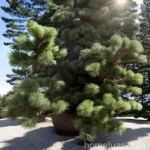
Dwarf Mountain Pine (Pinus mugo ‘Teeny’): A Comprehensive Guide
Introduction
As a plant scientist specializing in coniferous plants, I find the dwarf mountain pine (Pinus mugo ‘Teeny’) to be a fascinating specimen that adds unique beauty to landscapes. This blog post aims to provide a comprehensive guide to understanding and caring for this charming plant. From its cultural requirements to common diseases and pests, this guide will cover everything you need to know about cultivating and maintaining the Pinus mugo ‘Teeny.’
What is the Dwarf Mountain Pine (Pinus mugo ‘Teeny’)?
The dwarf mountain pine, scientifically known as Pinus mugo ‘Teeny,’ is a popular evergreen conifer that belongs to the Pinaceae family. Originating from the mountainous regions of central and southern Europe, this slow-growing pine tree exhibits a compact and dense growth habit, making it a perfect addition to smaller gardens, rockeries, and alpine landscapes.
Key Takeaways – Dwarf Mountain Pine (Pinus Mugo ‘Teeny’)
Before delving into the specific aspects of caring for the dwarf mountain pine, let’s take a quick look at the key takeaways that will be discussed in detail in this comprehensive guide:
- Plant Name: Dwarf Mountain Pine (Pinus mugo ‘Teeny’)
- Common Names: Dwarf pine, mountain pine, ‘Teeny’ pine, miniature pine tree, compact pine tree
- Characteristics: Slow-growing, evergreen, coniferous, low-maintenance
- Cultural Requirements: Water, sunlight, fertilizer, soil, pruning, propagation, container planting
- Uses: Landscaping, container gardening, rock gardens, alpine gardens, groundcover, border plant
- Diseases: Common diseases and their diagnosis
- Pests: Common pests and management strategies
- Botanist’s Tips: Expert tips for successful cultivation
- Fun Facts: Interesting tidbits about the dwarf mountain pine
- Links to External Resources: Additional references for further exploration
Now, let’s explore each of these aspects in detail to gain a holistic understanding of the dwarf mountain pine and its care requirements.
Culture
Uses
The dwarf mountain pine (Pinus mugo ‘Teeny’) is a versatile plant that can be utilized in various landscaping settings. Its compact size and slow growth make it an ideal choice for small gardens, rock gardens, alpine landscapes, and as a border plant. Additionally, its evergreen nature and low-maintenance characteristics make it suitable for container gardening, where it can add year-round interest to patios, balconies, and outdoor living spaces.
Water
Proper watering is essential for the health and vitality of the dwarf mountain pine. When establishing a new planting or caring for a potted specimen, it’s important to provide regular watering to keep the soil consistently moist but not waterlogged. Once the plant is established, it exhibits good drought tolerance, but it’s still essential to monitor soil moisture during dry periods and provide supplemental watering when necessary.
Sunlight
As a sun-loving species, the dwarf mountain pine thrives in full sunlight. When selecting a planting location, ensure that the site receives ample sunlight throughout the day. Adequate sunlight not only promotes healthy growth but also enhances the vibrant green foliage, making it an attractive feature in the landscape.
Fertilizer
While the dwarf mountain pine is relatively low-maintenance, occasional fertilization can benefit its overall health and vigor. A balanced slow-release fertilizer formulated for evergreen trees can be applied in early spring to provide essential nutrients for robust growth. It’s important to follow the manufacturer’s recommendations for application rates and timing to avoid over-fertilization.
Soil
This species prefers well-draining, slightly acidic soil for optimal growth. When planting in the ground, it’s advisable to amend the soil with organic matter to improve drainage and create a suitable growing environment for the dwarf mountain pine. In container gardening, a well-draining potting mix designed for coniferous plants is recommended to ensure proper root health.
Pruning
The dwarf mountain pine typically requires minimal pruning, thanks to its naturally compact and uniform growth habit. However, routine maintenance pruning can be performed to remove any dead, damaged, or overgrown branches. Additionally, light shaping can be carried out to maintain the desired form and silhouette of the plant. It’s best to conduct pruning during the dormant season to minimize stress on the tree.
Propagation
Propagation of the dwarf mountain pine can be accomplished through several methods, including:
- Seed Propagation: Growing the species from seeds is a viable option, but it requires patience due to the slow growth rate of the plants produced from seeds.
- Cutting Propagation: Softwood or hardwood cuttings can be taken from healthy, mature plants and rooted under controlled conditions to produce new clones.
- Grafting: Utilizing grafting techniques to join the desirable ‘Teeny’ cultivar onto rootstock can yield genetically identical plants with the desired characteristics.
Each propagation method has its own advantages and challenges, and the choice of technique often depends on the specific goals and resources available to the grower.
Container Popularity
The dwarf mountain pine’s compact size and aesthetic appeal make it a popular choice for container gardening. Its ability to thrive in confined spaces and enhance the visual interest of containers makes it an excellent option for adorning patios, decks, and other outdoor areas. When selecting a container for the ‘Teeny’ pine, choose a sizable pot with adequate drainage to ensure healthy root development and overall growth.
Common Diseases
As with any plant, the dwarf mountain pine is susceptible to certain diseases that can impact its health and vitality. Some common diseases that may affect Pinus mugo ‘Teeny’ include:
- Needle Blight: Caused by fungal pathogens, needle blight can result in browning, discoloration, and premature shedding of needles.
- Canker Diseases: Various canker-causing fungi can lead to the formation of sunken lesions on the branches or trunk, potentially causing dieback and decline.
- Root Rot: Excessive soil moisture and poor drainage can create conditions conducive to root rot, leading to wilted foliage and overall decline.
Disease Diagnosis
Early detection and accurate diagnosis of diseases are crucial for implementing effective management strategies. Regular monitoring of the plant for any signs of discoloration, lesions, or abnormal growth can aid in the timely identification of potential issues. In cases of suspected disease, consulting with a plant health specialist or extension service can provide valuable insights and guidance for proper diagnosis and treatment.
Common Pests
While the dwarf mountain pine is relatively resistant to many pests, it can still experience occasional infestations. Some common pests that may target Pinus mugo ‘Teeny’ include:
- Pine Sawfly: The larvae of these insects feed on the needles, leading to defoliation and decreased vitality of the tree.
- Adelgids: These tiny insects can cause needle discoloration and distortion, affecting the overall appearance of the plant.
- Pine Tip Moth: The larvae of this moth species can damage the growing tips of the branches, impacting the growth and aesthetic appeal of the pine.
Botanist’s Tips
To ensure the success of cultivating and maintaining the dwarf mountain pine, consider the following expert tips:
- Site Selection: Choose a well-drained, sunny location for planting to provide the ideal growing conditions for the ‘Teeny’ pine.
- Moderate Watering: While the plant can tolerate periods of dryness, consistent moisture during the establishment phase is critical for root development.
- Minimal Pruning: Avoid excessive pruning, as the plant naturally maintains a compact form and excessive trimming can disrupt its natural shape.
- Regular Monitoring: Keep a close eye on the plant for any signs of stress, disease, or pest activity, and address issues promptly.
Fun Facts
The world of plants is filled with intriguing and delightful facts, and the dwarf mountain pine is no exception. Here are some fun facts about Pinus mugo ‘Teeny’:
- The name “mugo” is derived from the Latin word “mugus,” meaning “dwarf” or “small,” reflecting the compact nature of the species.
- This pine species is known for its adaptability to harsh conditions, including rocky terrains and alpine environments, making it a resilient and hardy plant.
- In its natural habitat, Pinus mugo can serve as valuable habitat and food source for various wildlife species, including birds and small mammals.
Links to External Resources
For those interested in further exploration of the dwarf mountain pine and related topics, here are some valuable external resources:
- American Conifer Society: A comprehensive source of information on coniferous plants, including cultivation guides and species profiles.
- Royal Horticultural Society: An authoritative resource for gardening enthusiasts, offering expert advice on plant care, pest management, and more.
- University Extension Services: Many university extension services provide valuable publications and resources on plant health, disease management, and horticultural practices.
As a plant scientist passionate about sharing knowledge and fostering a deeper appreciation for the botanical world, I hope this comprehensive guide serves as a valuable resource for plant enthusiasts, gardeners, and anyone intrigued by the captivating nature of the dwarf mountain pine (Pinus mugo ‘Teeny’). Whether adorning a rock garden, contributing to a container display, or gracing a small garden landscape, this miniature pine tree truly exemplifies the timeless beauty and resilience of nature’s creations.
With this comprehensive guide, readers can gain a thorough understanding of the cultural requirements, uses, potential challenges, and fascinating attributes of the dwarf mountain pine (Pinus mugo ‘Teeny’). From its low-maintenance nature to its adaptability in various settings, the ‘Teeny’ pine stands out as a charming and versatile addition to any landscape. Whether you are a gardening enthusiast, a landscape designer, or simply intrigued by the allure of coniferous plants, exploring the world of the dwarf mountain pine can provide valuable insights and inspire a deeper appreciation for the wonders of the plant kingdom.