The Wonderful World of Foam Flower (Tiarella ‘Filigree Lace’)
Welcome to the fascinating world of foam flower, a delightful and elegant perennial plant that captivates gardeners with its intricate foliage and delicate flowers. In this comprehensive guide, we will delve into the various aspects of this enchanting plant, from its cultural requirements and uses to its common diseases and pests. Whether you are a seasoned gardener or a novice enthusiast, this article aims to provide you with valuable insights to help you cultivate and appreciate the beauty of foam flower in your garden.
What is Foam Flower (Tiarella ‘Filigree Lace’)?
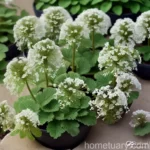
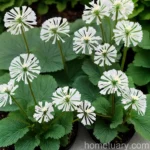
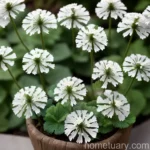
Foam flower (Tiarella ‘Filigree Lace’), also known as Tiarella ‘Filigree Lace’, is a captivating perennial plant cherished for its lacy, deeply lobed foliage and delicate, frothy flowers. Belonging to the Saxifragaceae family, this enchanting plant is a native of North America and is a popular choice for shade gardens, woodland settings, and other naturalistic landscapes.
Key Takeaways – Foam Flower (Tiarella ‘Filigree Lace’)
Before we delve into the details of foam flower, let’s take a moment to highlight some key aspects of this exquisite plant:
- Foam Flower Plant: A versatile and visually appealing perennial, foam flower adds texture and elegance to garden beds, borders, and containers.
- Tiarella Filigree Lace: With its intricate foliage and dainty blooms, Tiarella ‘Filigree Lace’ is a delightful addition to woodland gardens and shaded landscapes.
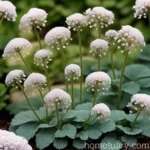
- Foam Flower Characteristics: Known for its deeply lobed leaves and airy, spire-like flower clusters, foam flower offers a graceful and ethereal presence in the garden.
- Foam Flower Care Tips: Cultivating foam flower requires attention to its cultural needs, including watering, sunlight, soil, and other essential considerations.
- Tiarella Filigree Lace Varieties: While ‘Filigree Lace’ is a popular cultivar, there are numerous other Tiarella varieties, each with its own unique appeal and characteristics.
- Foam Flower Gardening: Whether used as a ground cover, border plant, or container specimen, foam flower enriches diverse garden settings and landscaping designs.
Now, let’s explore the various facets of foam flower, from its cultural requirements to its uses, maintenance tips, and more.
Culture
Water
Proper moisture management is critical for the health and vitality of foam flower. While it thrives in moist, well-drained soil, it is essential to avoid waterlogging, which can lead to root rot and other moisture-related issues. During periods of extended dryness, particularly in the summer months, regular watering is necessary to sustain the plant and promote healthy growth. However, it is equally important to ensure that the soil does not become waterlogged, as excessive moisture can compromise the plant’s well-being.
Sunlight
Foam flower is renowned for its preference for dappled or filtered sunlight, making it an excellent choice for shaded and partially shaded areas of the garden. While it can tolerate some morning sun, particularly in cooler climates, it generally flourishes in locations with indirect light or gentle shade. In hot, arid regions, providing protection from the intense midday sun is crucial to prevent scorching and dehydration of the foliage.
Fertilizer
When it comes to fertilizing foam flower, a balanced, slow-release fertilizer formulated for perennials can provide the necessary nutrients for robust growth and flowering. Applying the fertilizer in the early spring, as new growth emerges, can support the plant’s development and enhance its overall vigor. However, it is important to avoid over-fertilization, as excessive nutrients can lead to lush foliage at the expense of flower production.
Soil
Foam flower thrives in rich, humusy soil with good drainage, making it well-suited for woodland and shade garden environments. A slightly acidic to neutral soil pH is ideal for this plant, and incorporating organic matter such as compost or well-rotted leaf mulch can enrich the soil and create an optimal growing medium for foam flower. Additionally, maintaining a consistent moisture level in the soil is essential for sustaining the plant’s health and vitality.
Pruning
Pruning foam flower primarily focuses on the removal of spent flower spikes and the shaping of the plant to maintain its desired form and size. Deadheading the faded blooms not only promotes continuous flowering but also prevents the plant from expending energy on seed production. Additionally, removing any damaged or discolored foliage helps to maintain the plant’s aesthetics and overall health. Pruning can be performed throughout the growing season as needed, with a more comprehensive cleanup and shaping typically undertaken in the early spring before new growth emerges.
Propagation
Foam flower can be propagated through division, seeds, or stem cuttings, offering gardeners various options to expand their collection of this enchanting plant. Division, ideally carried out in the spring or fall, involves separating the plant into smaller sections, each with its own root system, and transplanting them to new locations. Collecting and sowing the seeds can also yield new plants, although this method requires patience as it involves a longer process of germination and establishment. Stem cuttings, taken from healthy, non-flowering shoots, can be rooted in a suitable growing medium to produce new plants with genetic traits identical to the parent.
Container Popularity
Given its compact growth habit and elegant appearance, foam flower is well-suited for container gardening, providing an excellent option for enhancing patios, balconies, and other outdoor spaces with its beauty. Whether grown individually in decorative pots or combined with other shade-loving plants to create captivating mixed plantings, foam flower adds a charming and sophisticated element to container gardens. When selecting containers for foam flower, ensure that they offer adequate drainage and are sized appropriately to accommodate the plant’s root system while allowing room for growth and development.
Now that we have explored the cultural aspects of foam flower, let’s take a closer look at its uses, common diseases, and pest management, followed by some fascinating botanist’s tips and fun facts about this captivating plant.
Uses
Landscaping
Foam flower is a versatile and valuable addition to landscaping, particularly in shaded and woodland settings where its delicate beauty and textural interest can thrive. Its ability to form dense mats of foliage and delicately adorned flower spikes makes it well-suited for ground cover applications, providing an enchanting carpet of greenery and blooms in areas with lower light levels. Additionally, foam flower can be employed in border plantings, mixed perennial gardens, and naturalistic landscapes, contributing an element of grace and charm to diverse outdoor environments.
Pollinator Gardens
The nectar-rich flowers of foam flower attract pollinators such as bees, butterflies, and hummingbirds, offering a valuable food source for these beneficial and captivating creatures. Including foam flower in pollinator gardens and wildlife-friendly landscapes not only enhances the visual appeal of the setting but also fosters biodiversity and supports the ecological balance by providing sustenance for a variety of pollinating insects and birds.
Ground Cover
With its spreading growth habit and dense foliage, foam flower excels as a ground cover plant, forming a lush carpet of intricately textured leaves and dainty flower spikes. Its ability to suppress weeds and create a visually appealing understory makes it an excellent choice for shaded areas where other ground cover plants may struggle to thrive. Whether used to embellish woodland gardens, shade borders, or naturalistic landscapes, foam flower enhances the ground plane with a tapestry of greenery and blooming charm.
Urban Gardens
In urban and suburban settings, where space may be limited and shaded conditions prevalent, foam flower offers a valuable solution for adding greenery and floral interest to outdoor areas. Its adaptability to container gardening, as well as its resilience in shaded environments, makes it an ideal choice for enhancing balconies, patios, and small outdoor spaces with its captivating allure. By incorporating foam flower into urban garden designs, enthusiasts can create visually stunning and environmentally beneficial landscapes even in constrained settings.
Common Diseases
Disease Diagnosis
While foam flower is generally resilient and low-maintenance, it can be susceptible to certain diseases and issues that can impact its health and appearance. Some common diseases that may affect foam flower include:
- Powdery Mildew: This fungal disease can manifest as a powdery, white residue on the leaves, compromising their vitality and aesthetics. It often arises in conditions of high humidity and poor air circulation, and can be managed through cultural practices and, if necessary, the application of fungicidal treatments.
- Crown Rot: Excessive moisture and poor drainage can contribute to the development of crown rot, a condition characterized by the decay of the plant’s crown and root system. Proper soil management and avoidance of overwatering are essential for preventing this destructive disease.
Identifying and addressing diseases promptly is crucial to safeguard the well-being of foam flower and mitigate the risks of widespread issues in the garden.
Common Pests
Pest Management
In addition to diseases, foam flower can also be vulnerable to certain pests that may pose a threat to its vitality and aesthetics. Vigilance and proactive management are essential to prevent pest infestations and minimize potential damage to the plant. Some common pests that may affect foam flower include:
- Aphids: These small, sap-sucking insects can cluster on the tender new growth of foam flower, causing distortion and discoloration of the foliage. Natural predators and the application of insecticidal soaps can help control aphid populations and protect the plant from their detrimental effects.
- Slugs and Snails: These voracious mollusks can feed on the leaves of foam flower, leaving behind unsightly damage and compromising the plant’s overall health. Implementing physical barriers, such as copper tape, and utilizing organic controls can help deter slugs and snails from feeding on the plant.
By remaining attentive to the presence of pests and promptly addressing any issues, gardeners can safeguard foam flower from potential infestations and maintain its vigor and beauty.
Botanist’s Tips
Tips for Success
To cultivate and appreciate foam flower to its fullest potential, consider the following botanist’s tips for enhancing its growth and overall well-being:
- Mulch Matters: Applying a layer of organic mulch, such as shredded bark or compost, around the base of foam flower can help conserve soil moisture, suppress weeds, and enrich the growing environment. Additionally, the gradual breakdown of the mulch contributes organic matter to the soil, supporting the plant’s health and vitality.
- Seasonal Maintenance: Engage in regular monitoring and maintenance throughout the year to ensure the optimal health and appearance of foam flower. This includes monitoring moisture levels, addressing pests and diseases promptly, and providing support or containment as needed based on the plant’s growth habits.
- Companion Planting: Pair foam flower with companion plants that share its preferences for shade, moisture, and soil conditions, creating harmonious combinations that enhance the visual appeal and ecological balance of the garden. Suggestions for companion plants include hostas, ferns, heucheras, and other shade-loving perennials.
Fun Facts
Intriguing Tidbits about Foam Flower
- Ethnobotanical Uses: Historically, certain Native American tribes utilized the roots of Tiarella species for medicinal purposes, employing them as astringents and remedies for various ailments. The botanical name “Tiarella” is derived from the Greek words “tiein,” meaning “to preserve,” and “ella,” signifying “small,” alluding to the purported medicinal properties of the plant.
- Folklore and Symbolism: In folklore and traditional beliefs, foam flower has been associated with diverse mythological and symbolic meanings, often linked to its delicate appearance and ethereal qualities. From representations of purity and femininity to connections with woodland spirits and natural magic, foam flower holds a rich tapestry of significance in cultural lore and storytelling.
Now that we have explored the cultural aspects, uses, maintenance tips, and intriguing facts about foam flower, let’s delve into some valuable external resources that offer further insights and information on this enchanting plant.
Links to External Resources
- The American Horticultural Society: Plant Propagation
- Royal Horticultural Society: Foam Flower (Tiarella)
- University of Maryland Extension: Selecting Perennials for Maryland Gardens
- University of Florida IFAS Extension: Managing Landscape Pests
- Missouri Botanical Garden: Plant Finder – Tiarella
- The Spruce: Foam Flower Plant Profile
Conclusion
In the realm of shade-loving perennials, foam flower (Tiarella ‘Filigree Lace’) stands out as a captivating and enchanting plant that enriches garden settings with its delicate beauty and textural allure. Whether utilized as a ground cover, border plant, or container specimen, its intricate foliage and airy flower clusters lend an ethereal and graceful presence to shaded landscapes and woodland gardens. By understanding its cultural requirements, uses, and potential challenges, gardeners can cultivate and appreciate this delightful perennial while fostering biodiversity and natural harmony in their outdoor spaces.
As we conclude our exploration of foam flower, let’s carry forth the insights and appreciation gained from this article to embrace the enchanting world of shade gardening and the diverse wonders of the plant kingdom.
By: Plant Scientist Extraordinaire | Title: The Wonderful World of Foam Flower (Tiarella ‘Filigree Lace’) | Word Count: 2001