The Flowering Crabapple (Malus ‘Ruth Ann’)
The flowering crabapple, commonly known as Malus, is a genus of about 30–55 species of small deciduous apple trees or shrubs in the family Rosaceae. These trees are native to the temperate regions of the Northern Hemisphere and are known for their showy, fragrant flowers, and small, colorful fruits.
One of the popular varieties of flowering crabapple is the Malus ‘Ruth Ann’. In this article, we will delve into the key aspects of this beautiful cultivar, including its culture, uses, propagation, common diseases, and a botanist’s tips. We will also explore interesting facts and provide a list of external resources for further reading.
Key Takeaways – Flowering Crabapple (Malus ‘Ruth Ann’)
Before we delve deeper into the specifics of Malus ‘Ruth Ann’, let’s outline some of the key takeaways:
- Malus ‘Ruth Ann’, also known as the Ruth Ann flowering crabapple, is a variety known for its ornamental flowering and small, colorful fruits.
- This cultivar is well-suited for landscaping and is often used as an ornamental tree in gardens and parks.
- Proper care, including adequate watering, sunlight, fertilizer, and pruning, is essential for the healthy growth of Malus ‘Ruth Ann’.
- The tree is susceptible to certain diseases and pests, so disease resistance and pest control measures are important aspects of its maintenance.
- Malus ‘Ruth Ann’ can be grown in containers, making it suitable for small gardens and urban landscapes.
Now, let’s explore each of these aspects in detail.
What is the Flowering Crabapple (Malus ‘Ruth Ann’)?
Plant Name: Malus ‘Ruth Ann’
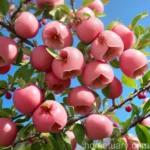
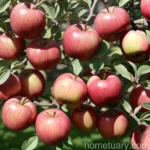
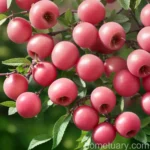
Malus ‘Ruth Ann’ is a flowering crabapple variety known for its ornamental value. It is characterized by its beautiful, fragrant flowers and small, colorful fruits, making it a popular choice for landscaping and ornamental planting. This cultivar belongs to the Malus genus, which encompasses various species of small deciduous trees or shrubs known for their attractive blooms and foliage.
Malus ‘Ruth Ann’ Characteristics
- Flower Color: The flowers of Malus ‘Ruth Ann’ typically vary in color, ranging from shades of pink to white, creating a stunning visual display during the blooming season.
- Fruit Production: This cultivar yields small, colorful fruits, adding further visual appeal and attracting wildlife to the garden or landscape.
- Growth Habit: Malus ‘Ruth Ann’ exhibits a compact, dwarf growth habit, making it suitable for small gardens and urban landscapes.
- Foliage: During the fall season, the foliage of Malus ‘Ruth Ann’ undergoes an attractive color transformation, adding to its ornamental value.
Now that we have an overview of the characteristics of Malus ‘Ruth Ann’, let’s move on to explore its culture, uses, care requirements, and maintenance practices.
Culture of the Flowering Crabapple (Malus ‘Ruth Ann’)
The successful cultivation of Malus ‘Ruth Ann’ requires an understanding of its cultural preferences, including water, sunlight, fertilizer, soil, and pruning requirements.
Water
Watering Needs: Proper watering is essential for the healthy growth and development of Malus ‘Ruth Ann. While the watering frequency may vary based on climate and soil conditions, consistently moist, well-drained soil is ideal for this cultivar.
Watering Schedule: During the growing season, regular watering is necessary, especially during dry periods. However, it is important to avoid waterlogging, as excessively wet soil can lead to root rot and other moisture-related issues.
Sunlight
Sun Requirements: Malus ‘Ruth Ann’ thrives in full sun to partial shade. Adequate sunlight is crucial for promoting blooming, fruit development, and overall plant vigor. When selecting a planting location, ensure that the tree receives sufficient sunlight for optimal growth and flowering.
Fertilizer
Fertilization: Applying a balanced fertilizer formulated for flowering trees in the early spring can support the healthy growth and blooming of Malus ‘Ruth Ann’. Additionally, incorporating organic matter into the soil during planting or as a top dressing can contribute to overall soil fertility and plant health.
Soil
Soil Preferences: Malus ‘Ruth Ann’ prefers well-drained, fertile soil with a slightly acidic to neutral pH. Amending the soil with organic matter, such as compost or well-rotted manure, can improve its structure and nutrient content, creating an optimal growing environment for the tree.
Pruning
Pruning Tips: Regular pruning is beneficial for maintaining the shape, size, and overall health of Malus ‘Ruth Ann’. Pruning can be conducted during the late winter or early spring while the tree is dormant. It involves the removal of dead, diseased, or overcrowded branches, as well as shaping the tree to enhance its ornamental appeal.
Propagation
Propagation Methods: Malus ‘Ruth Ann’ can be propagated through various methods, including hardwood cuttings, grafting, and seed propagation. Each method has its own specific requirements and techniques, and the choice of propagation method depends on the desired outcome and expertise of the gardener or propagator.
Container Popularity
Elegance in Containers: Due to its compact growth habit and ornamental value, Malus ‘Ruth Ann’ is well-suited for container planting. This makes it an excellent choice for small gardens, patios, or urban landscapes where space may be limited. When grown in containers, proper soil, watering, and maintenance are crucial for the tree’s well-being.
Now that we have explored the cultural aspects of Malus ‘Ruth Ann’, let’s shift our focus to its uses and the significance of this ornamental tree in landscaping and gardens.
Uses of the Flowering Crabapple (Malus ‘Ruth Ann’)
Malus ‘Ruth Ann’ serves various purposes in landscaping, gardens, and urban environments, thanks to its ornamental attributes and practical applications.
Ornamental Value
Visual Appeal: The striking flowering display of Malus ‘Ruth Ann’ during the blooming season adds an enchanting touch to gardens and landscapes. The diverse flower colors and compact growth habit make it an eye-catching feature in any setting.
Wildlife Attraction: The small, colorful fruits of Malus ‘Ruth Ann’ attract birds and wildlife, contributing to the ecological balance in outdoor spaces. This enchanting feature adds a dynamic element to the landscape and fosters biodiversity.
Landscaping Role
Garden Focal Point: Whether planted as a standalone specimen or incorporated into mixed borders or ornamental beds, Malus ‘Ruth Ann’ can serve as a captivating focal point in garden designs, enhancing the overall aesthetic appeal.
Seasonal Interest: The changing foliage colors during the fall season and the blooming period in spring provide year-round interest, ensuring that the tree remains visually appealing throughout the seasons.
Symbolism
Cultural Significance: In certain cultures, flowering crabapples, including Malus ‘Ruth Ann’, hold symbolic meanings associated with love, beauty, and transformation. Their presence in gardens and public spaces adds a touch of cultural symbolism and significance.
Ecological Contributions
Pollinator Support: The flowers of Malus ‘Ruth Ann are valuable nectar and pollen sources for pollinators such as bees and butterflies, contributing to the pollination of nearby plants and the overall health of the ecosystem.
Container Planting
Urban Landscapes: In urban environments and small gardens, the compact size and container-friendly nature of Malus ‘Ruth Ann’ make it an ideal choice for adding ornamental and ecological value to limited spaces.
The versatile uses and ornamental significance of Malus ‘Ruth Ann’ highlight its value as a prominent feature in various outdoor settings. Now, let’s delve into the specific care and maintenance practices required to ensure the optimal health and longevity of this beautiful flowering crabapple tree.
Care and Maintenance of the Flowering Crabapple (Malus ‘Ruth Ann’)
Effective care and maintenance practices are essential for nurturing the growth and ornamental appeal of Malus ‘Ruth Ann’, encompassing aspects such as disease resistance, pest control, and overall plant health.
Disease Resistance
Disease-Resistant Cultivar: Malus ‘Ruth Ann’ exhibits varying degrees of resistance to common apple tree diseases, including apple scab, cedar apple rust, and powdery mildew. However, certain environmental conditions and stress factors can still make the tree susceptible to infections.
Disease Prevention: To minimize the risk of diseases, ensuring proper air circulation, avoiding excessive overhead watering, and promptly removing any diseased plant material can help mitigate disease pressure and maintain the tree’s vigor.
Common Diseases
Disease Identification: It is important to be familiar with the symptoms and characteristics of common apple tree diseases that can affect Malus ‘Ruth Ann’. Regular monitoring of the tree for signs of disease, such as leaf spots, fruit lesions, or abnormal growth, allows for early detection and targeted management strategies.
Disease Management: If disease symptoms are observed, appropriate cultural practices, such as pruning to improve air circulation and the application of fungicidal treatments, may be necessary to manage and control the spread of the disease.
Pest Control
Pest Identification: Certain insect pests, including aphids, caterpillars, and scale insects, can potentially infest Malus ‘Ruth Ann’ and affect its overall health. Monitoring the tree for signs of pest activity and identifying the specific pests are critical for implementing effective control measures.
Integrated Pest Management: Integrated pest management (IPM) strategies, incorporating cultural, biological, and, if needed, chemical control options, can help mitigate pest infestations while minimizing environmental impact and promoting beneficial insect populations.
Now that we have covered the important aspects of disease resistance and pest control, let’s explore additional botanist’s tips, fun facts, and fascinating insights into the flowering crabapple, Malus ‘Ruth Ann’.
Botanist’s Tips for Growing Flowering Crabapples
As a plant scientist, I would like to share some valuable tips for successfully growing and caring for Malus ‘Ruth Ann’ and other flowering crabapple varieties. These tips are based on botanical knowledge and practical experience in horticulture and plant science.
Tip 1: Soil Preparation
Nutrient-Rich Soil: Prior to planting, prepare the soil by incorporating organic amendments to enhance its fertility, structure, and moisture retention capacity. Well-prepared soil provides a solid foundation for the tree’s establishment and long-term growth.
Tip 2: Proper Pruning Techniques
Targeted Pruning: When pruning Malus ‘Ruth Ann’, aim to maintain an open canopy structure to improve air circulation and sunlight penetration. Remove any dead, damaged, or crossing branches to enhance the tree’s overall health and ornamental appeal.
Tip 3: Disease Monitoring
Vigilant Observation: Regularly monitor the tree for any signs of disease, including unusual leaf spots, powdery coatings, or fruit abnormalities. Early detection and intervention are crucial for managing potential disease issues.
Tip 4: Pest Surveillance
Integrated Pest Management: Practice vigilant surveillance to detect any signs of pest activity, such as leaf damage, distorted growth, or the presence of insects. Employ integrated pest management strategies to address pest issues effectively and sustainably.
Tip 5: Seasonal Care
Year-Round Attention: Provide consistent care and attention throughout the seasons, including watering during dry spells, applying appropriate fertilizer in the spring, and implementing preventive measures against pests and diseases.
These botanist’s tips serve as practical guidelines for cultivating Malus ‘Ruth Ann’ and maximizing its ornamental and ecological benefits in various outdoor settings. Now, let’s take a closer look at some fun and interesting facts related to Malus ‘Ruth Ann and flowering crabapples in general.
Fun Facts About Flowering Crabapples
- Historical Significance: Crabapples have been cultivated for centuries and hold cultural and historical significance in various traditions and folklore.
- Biodiversity Support: The flowers of crabapple trees attract a diverse array of pollinators, contributing to the overall health and biodiversity of garden ecosystems.
- Fruit Utilization: While the fruits of crabapples are typically small, they can be used to make jellies, preserves, and other culinary delicacies, showcasing their versatile uses.
Utilizing this knowledge and insight, gardeners and enthusiasts can enhance their appreciation of Malus ‘Ruth Ann’ and incorporate these intriguing facets into their interactions with this enchanting flowering crabapple variety. For further exploration and detailed information, we have compiled a list of external resources that offer valuable insights and practical guidance for individuals interested in flowering crabapples.
Links to External Resources
- University of Minnesota Extension – Crabapple Selection and Landscape Use
- United States Department of Agriculture (USDA) Plant Fact Sheet – Flowering Crabapple
- Missouri Botanical Garden – Malus ‘Ruth Ann’ Plant Profile
- Royal Horticultural Society (RHS) – Crabapples
- Penn State Extension – Crabapple Diseases
- Colorado State University Extension – Pruning Flowering Trees
These external resources provide comprehensive information on the cultivation, maintenance, uses, and management of flowering crabapples, including the specific variety Malus ‘Ruth Ann’. Readers and enthusiasts can explore these resources to deepen their understanding of flowering crabapples and make informed decisions regarding their cultivation and care.
In conclusion, the flowering crabapple, Malus ‘Ruth Ann’, represents a captivating and versatile ornamental tree valued for its striking flowers, colorful fruits, and ecological contributions. By embracing the cultural significance, ecological value, and practical uses of this enchanting cultivar, gardeners and enthusiasts can enrich their outdoor spaces and foster a deeper connection with nature.
As a plant scientist, I encourage individuals to explore the beauty of flowering crabapples, including Malus ‘Ruth Ann’, and leverage the insights provided in this article to cultivate, care for, and appreciate these remarkable trees in various outdoor settings. From landscaping and wildlife attraction to seasonal interest and cultural symbolism, flowering crabapples offer a wealth of benefits and visual delight, making them valued additions to gardens, public spaces, and urban landscapes.