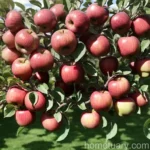
The Marvelous Flowering Crabapple (Malus ‘Scbrazam’ SCARLET BRANDYWINE)
Introduction
As a plant scientist deeply involved in the study and growth of various plant species, I have come to appreciate the beauty and significance of the flowering crabapple (Malus ‘Scbrazam’ SCARLET BRANDYWINE). The flowering crabapple is a mesmerizing ornamental tree that has earned a special place in the hearts of gardeners and plant enthusiasts. In this comprehensive guide, we will explore the culture, uses, care, and maintenance of the flowering crabapple, focusing particularly on the striking Scarlet Brandywine variety (Malus ‘Scbrazam’). We will delve into its water and sunlight requirements, fertilizer needs, soil preferences, pruning techniques, propagation methods, as well as common diseases and pests that are associated with this captivating tree.
Owing to its unique characteristics and stunning features, the Scarlet Brandywine crabapple, also known as Malus ‘Scbrazam’, has gained remarkable popularity among both novice and experienced gardeners. With its beautiful spring blossoms, distinctive growth habits, and valuable contributions to the ecosystem, the flowering crabapple holds immense botanical and horticultural significance. Moreover, I will share insights into the botanist’s tips, fun facts, and essential information on the Scarlet Brandywine, providing enthusiasts with a deeper understanding of this remarkable plant.
What is the Flowering Crabapple (Malus ‘Scbrazam’ SCARLET BRANDYWINE)?
The flowering crabapple, scientifically known as Malus, encompasses a diverse group of deciduous trees and shrubs belonging to the family Rosaceae. Appreciated for their ornamental flowers, vibrant foliage, and often, decorative fruit, crabapples have been cultivated for centuries. Among the vast array of crabapple varieties, the Scarlet Brandywine stands out for its exceptional features. This hybrid cultivar, identified by the botanical name ‘Scbrazam’, is renowned for its stunning, deep red flowers that emerge as the harbinger of spring.
Key Takeaways – flowering crabapple (Malus ‘Scbrazam’ SCARLET BRANDYWINE)
Flowering Crabapple Varieties
- There is a wide range of flowering crabapple varieties, each offering unique characteristics and attributes. The Scarlet Brandywine is distinguished by its deep red blossoms, which make it a coveted choice for landscaping and garden enthusiasts.
Crabapple Tree Care
- Proper care is essential for the healthy growth and development of crabapple trees. Understanding the specific requirements of the Scarlet Brandywine can significantly contribute to its overall well-being.
Scarlet Brandywine Crabapple
- The Scarlet Brandywine variety is celebrated for its captivating deep red blossoms. Its elegance and charm make it a popular choice for ornamental plantings.
Malus Scbrazam
- Malus ‘Scbrazam’ is the botanical name for the Scarlet Brandywine crabapple. A thorough understanding of this nomenclature can aid in identifying and appreciating this exquisite variety.
Ornamental Crabapple Trees
- Crabapple trees, particularly ornamental varieties like Scarlet Brandywine, are valued for their aesthetic appeal and visual impact in landscapes and gardens.
Flowering Fruit Trees
- The flowering aspect of crabapple trees adds to their allure, making them a unique addition to gardens where both flowers and fruit are desired.
Best Crabapple Trees
- The Scarlet Brandywine stands as one of the best crabapple trees, admired for its exceptional beauty and ornamental value.
Dwarf Crabapple Trees
- For those seeking smaller varieties, dwarf crabapple trees offer the enchanting beauty of crabapples in a more compact form, suitable for limited spaces.
Flowering Tree Species
- The crabapple belongs to the diverse category of flowering tree species, contributing to the visual splendor of landscapes and gardens.
Brandywine Crabapple Cultivar
- The Brandywine crabapple cultivar, particularly the Scarlet Brandywine, possesses distinctive traits that set it apart as an exceptional choice for horticultural enthusiasts.
Culture
Uses
The flowering crabapple, including the Scarlet Brandywine variety, presents numerous uses and benefits that enrich both the natural environment and human interaction with plants.
Ornamental Beauty
- The primary use of the Scarlet Brandywine crabapple is its ornamental value. The tree’s stunning blossoms and vibrant fruit contribute to its visual appeal, making it an attractive addition to gardens and landscapes.
Pollinator Attraction
- Crabapple trees, including the Scarlet Brandywine, serve as valuable sources of nectar and pollen for bees, butterflies, and other pollinators, thereby supporting the health and biodiversity of ecosystems.
Wildlife Support
- The fruits of crabapple trees provide sustenance for various wildlife species, including birds. This ecological role enhances the overall biodiversity within natural habitats.
Educational Purposes
- The unique growth habits, flowering patterns, and fruit production of the Scarlet Brandywine crabapple make it an excellent subject for educational purposes in botanical gardens, arboretums, and horticultural institutions.
Cultural Significance
- In some cultures, flowering crabapple trees hold symbolic significance, often associated with beauty, renewal, and the changing seasons. The Scarlet Brandywine, with its remarkable blooms, contributes to such symbolic representations.
Water
Proper watering is crucial for the optimal growth and well-being of the Scarlet Brandywine crabapple. Understanding the water requirements is essential for maintaining a healthy and vibrant tree.
Watering Schedule
- Newly planted crabapple trees, including the Scarlet Brandywine, should be watered regularly to aid in the establishment of their root systems. During dry periods, supplemental watering is necessary to support overall tree health.
Moisture Levels
- It is important to monitor the moisture levels in the soil surrounding the tree. While it is essential to prevent waterlogging, ensuring adequate moisture is critical, especially during the tree’s active growth phases and flowering period.
Drought Tolerance
- With its established root system, the Scarlet Brandywine has shown resilience in handling temporary periods of drought. However, during prolonged dry spells, supplementing rainfall with controlled irrigation is advisable.
Sunlight
A crucial factor influencing the growth and flowering of the Scarlet Brandywine crabapple is the availability of sunlight. Understanding its sunlight requirements is pivotal for promoting optimal growth and blooming.
Sun Exposure
- The Scarlet Brandywine prefers full sun to partial shade. Adequate sunlight exposure is essential to support vigorous growth and abundant flowering.
Shading Considerations
- While the tree thrives in full sun, it can also tolerate partial shade. However, excessive shade may lead to reduced flowering and overall vigor. Selecting a well-lit location is paramount for ensuring the tree’s health and beauty.
Southern Exposure
- Planting the Scarlet Brandywine in a location with a southern exposure can provide it with optimal sunlight throughout the day, thus promoting robust growth and profuse flowering.
Fertilizer
Proper fertilization is essential for maintaining the vigor and health of the Scarlet Brandywine crabapple, promoting robust growth and abundant flowering.
Nutrient Requirements
- The Scarlet Brandywine benefits from a balanced fertilizer application during its active growth periods. Fertilizers rich in nitrogen, phosphorus, and potassium can support the tree’s overall nutritional needs.
Application Timing
- Fertilizers should be applied in early spring, just before new growth begins. The application can be repeated during the summer months to sustain the tree’s nutrient requirements.
Organic vs. Synthetic Fertilizers
- Both organic and synthetic fertilizers can be used to nourish the Scarlet Brandywine. Organic options, such as compost or well-rotted manure, contribute to long-term soil health, while synthetic fertilizers offer immediate nutrient availability.
Soil
The soil composition plays a crucial role in the growth and development of the Scarlet Brandywine. Understanding the soil preferences of the tree is essential for establishing a conducive growing environment.
Well-Drained Soil
- The Scarlet Brandywine thrives in well-drained soil, as excessive water accumulation around its roots can lead to issues such as root rot. Amending heavy clay soils with organic matter can improve drainage.
pH Levels
- Preferably, the soil pH should range between 5.5 and 7.0 for optimal growth of the Scarlet Brandywine. Conducting a soil test can provide insights into the existing pH levels, aiding in necessary soil amendments.
Soil Amendments
- Organic soil amendments such as compost, peat moss, or well-rotted manure can enhance the soil structure and fertility, promoting favorable growing conditions for the Scarlet Brandywine.
Pruning
Proper pruning is essential for maintaining the desired form, vigor, and flowering capability of the Scarlet Brandywine crabapple. Understanding the pruning techniques and timing is crucial for effective tree management.
Pruning Timing
- Pruning of the Scarlet Brandywine is best performed during late winter or early spring, while the tree is dormant. This timing helps in promoting new growth and abundant flowering in the upcoming season.
Deadwood Removal
- Regularly inspecting the tree for dead, damaged, or diseased branches and promptly removing them can enhance the overall health and aesthetics of the Scarlet Brandywine.
Thinning Out
- Thinning out congested branches and ensuring proper airflow within the canopy of the Scarlet Brandywine promotes improved light penetration and reduces the risk of disease development.
Structural Pruning
- The establishment of a strong and well-balanced tree structure through strategic pruning during the early years contributes to the long-term health and beauty of the Scarlet Brandywine.
Propagation
The propagation of the Scarlet Brandywine crabapple allows for the expansion of its presence in landscapes and gardens. Understanding effective propagation methods is essential for successful reproduction.
Seed Propagation
- Growing the Scarlet Brandywine from seeds is a viable option, though the resulting trees may exhibit variations in traits. Scarification and stratification are often employed to enhance seed germination.
Grafting
- Grafting methods, including whip grafting and bark grafting, are commonly used to propagate specific cultivars like the Scarlet Brandywine, ensuring the retention of desired characteristics in the offspring.
Root Cuttings
- Propagation through root cuttings offers another method for reproducing the Scarlet Brandywine. Root sections are carefully prepared and encouraged to develop into new, genetically identical trees.
Air Layering
- Air layering presents a technique to encourage root formation on a selected branch of the Scarlet Brandywine, facilitating the creation of a separate, independent tree.
Container Popularity
The Scarlet Brandywine crabapple, with its enchanting beauty and relatively compact size, has gained popularity as a container-grown ornamental tree. Its presence in containers offers versatility and aesthetics in various settings.
Urban Landscapes
- In urban and suburban environments, the container cultivation of the Scarlet Brandywine allows for the incorporation of flowering crabapples into limited spaces, such as patios, courtyards, and rooftop gardens.
Balcony Gardens
- The manageable size and remarkable flowering display of the Scarlet Brandywine make it an ideal choice for creating captivating arboreal displays in balcony gardens and small outdoor spaces.
Seasonal Accent
- Placing the Scarlet Brandywine in containers provides the flexibility to move and position the tree as desired, allowing for seasonal accentuation and visual interest in different areas of the garden.
Greenhouse Cultivation
- Container-grown Scarlet Brandywine crabapples can thrive in greenhouse environments, providing an elegant and picturesque addition to horticultural displays and ornamental plant collections.
Container Common Diseases
While container cultivation offers various benefits, it is essential to be mindful of potential diseases that can affect the Scarlet Brandywine when grown in containers. Understanding common diseases aids in their prevention and management.
Phytophthora Root Rot
- Excessive soil moisture in containers can lead to the development of phytophthora root rot, affecting the roots of the Scarlet Brandywine and potentially causing decline or death of the tree.
Anthracnose
- Anthracnose, a fungal disease, can manifest in container-grown crabapples, leading to unsightly leaf spots and potential defoliation. Proper sanitation and cultural practices aid in disease prevention.
Powdery Mildew
- Inadequate air circulation in container environments can create favorable conditions for powdery mildew to occur on the foliage of the Scarlet Brandywine, necessitating proactive measures for control.
Apple Scab
- Apple scab, caused by the fungus Venturia inaequalis, can affect container-grown crabapples, including the Scarlet Brandywine, resulting in leaf and fruit blemishes that compromise the tree’s aesthetics.
Disease Diagnosis
The identification and diagnosis of diseases affecting the Scarlet Brandywine crabapple are pivotal for implementing targeted management strategies and preserving the health and beauty of the tree.
Visual Symptoms
- Careful observation of the tree’s foliage, bark, and fruit can provide initial clues about the presence of diseases. Symptoms such as leaf spots, discoloration, or abnormal growth should be noted.
Laboratory Analysis
- In cases of uncertainty or complex disease manifestations, obtaining laboratory analysis of affected plant tissues can aid in accurate disease identification, guiding the subsequent courses of action.
Professional Consultation
- Seeking the expertise of plant pathologists or horticultural specialists can offer valuable insights into disease diagnosis, particularly when encountering unfamiliar or challenging plant health issues.
Common Pests
The lush foliage and fruit produced by the Scarlet Brandywine may attract various pests that can impact the tree’s health and appearance. Understanding common pests and their management is crucial.
Aphids
- Aphids are common sap-feeding insects that can infest the foliage and tender growth of the Scarlet Brandywine, leading to distorted leaves and the secretion of honeydew.
Caterpillars
- Caterpillars, including the larvae of moth species, can feed on the leaves of the Scarlet Brandywine, potentially causing defoliation and aesthetic damage to the tree.
Japanese Beetles
- Japanese beetles are voracious feeders that can consume the foliage and flowers of the Scarlet Brandywine, necessitating control measures to prevent extensive damage.
Scale Insects
- Scale insects can attach themselves to the stems and foliage of the Scarlet Brandywine, sapping the tree’s sap and potentially leading to weakening and decline.
Botanist’s Tips
As a botanist deeply fascinated by the Scarlet Brandywine crabapple, I have gathered several valuable tips for enthusiasts and gardeners aiming to cultivate and appreciate this extraordinary ornamental tree.
- Selecting an appropriate site with well-drained soil and ample sunlight is crucial for the successful establishment and flourishing of the Scarlet Brandywine.
- Regular inspection of the tree for signs of diseases and pests allows for early intervention and effective management, preserving the tree’s health and beauty.
- Pruning the Scarlet Brandywine in late winter or early spring aids in shaping the tree, managing its growth, and promoting a profusion of blossoms in the following season.
- Understanding the water requirements of the Scarlet Brandywine and ensuring consistent moisture levels during critical growth stages contribute to the tree’s overall well-being.
Fun Facts
The Scarlet Brandywine is not only a captivating ornamental tree but also holds several intriguing characteristics and stories that further enhance its allure.
- The deep red blossoms of the Scarlet Brandywine are visually reminiscent of the bold hue of brandy, reflecting its cultivar name and enhancing its visual appeal.
- The small, apple-like fruit produced by the Scarlet Brandywine is edible and contributes to the tree’s ornamental value as well as providing food for wildlife.
- Flowering crabapples, including the Scarlet Brandywine, have been cultivated and appreciated for centuries, with their beauty and symbolism finding mentions in various cultural and literary works.
Links to External Resources
For additional information and in-depth insights into the Scarlet Brandywine and its cultivation, the following external resources are invaluable references:
- The American Crabapple: A Guide to the Identification and Attributes of the Flowering Crabapple Tree
- Crabapples of North America: A Comprehensive Guide to the Wild and Cultivated Malus
- Understanding Plant Diseases: A Comprehensive Resource for Disease Identification and Management
- Integrated Pest Management for Ornamental Trees: Strategies for Effective Pest Control
In conclusion, the Scarlet Brandywine crabapple, with its distinctive beauty and cultural significance, stands as a prized addition to landscapes and gardens. Understanding its culture, care needs, and unique traits enables enthusiasts to appreciate and cultivate this extraordinary ornamental tree. I hope this comprehensive guide provides valuable insights and inspiration for embracing the allure of the Scarlet Brandywine and enhancing the botanical charm of diverse horticultural settings.
The information provided in this blog post is based on scientific research, botanical expertise, and horticultural knowledge pertinent to the cultivation and care of the Scarlet Brandywine crabapple. Cultivation practices and disease management may vary based on local climatic conditions and specific regional considerations. For specific guidance on the cultivation of the Scarlet Brandywine and related ornamental trees, it is recommended to consult with local horticultural extension services, botanical gardens, or certified arborists.