Flowering Crabapple (Malus ‘Purple Prince’)
Plants play an essential role not only in the environment but also in various aspects of human life. From providing oxygen to food and medicine, plants are.
Plants play an essential role not only in the environment but also in various aspects of human life. From providing oxygen to food and medicine, plants are integral to the sustenance of life on earth. Among the wide array of plant species, the flowering crabapple, scientifically known as Malus ‘Purple Prince’, is a notable ornamental tree. This blog post will delve into the various aspects of the Malus ‘Purple Prince’, including its culture, uses, care, common diseases, and much more.
What is a Plant: Flowering Crabapple (Malus ‘Purple Prince’)
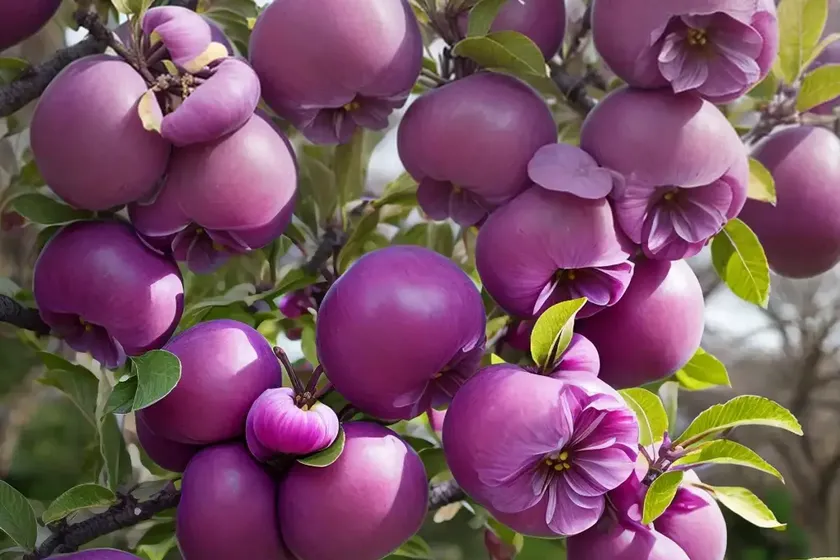
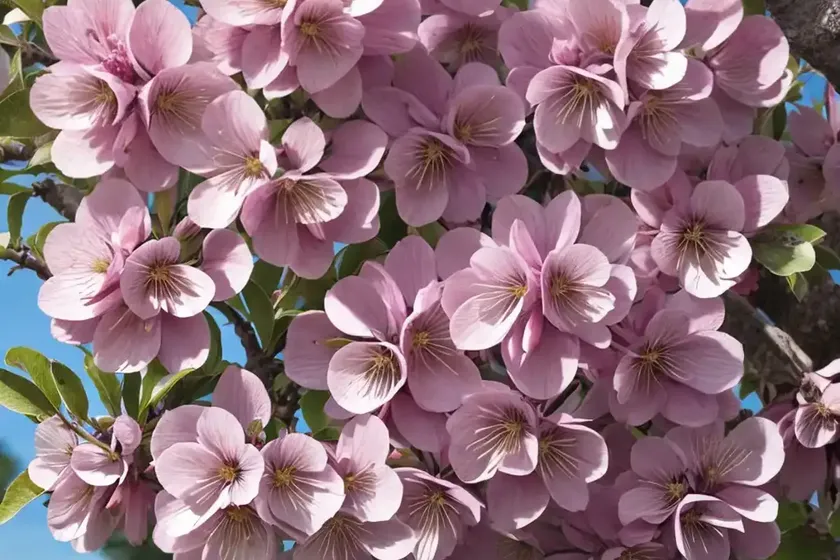
The flowering crabapple, Malus ‘Purple Prince’, is a deciduous tree that is widely recognized for its stunning purple foliage and attractive pinkish-white blossoms. This ornamental tree is part of the Rosaceae family, which encompasses a wide variety of plants including apples, cherries, and roses. The Malus ‘Purple Prince’ is a hybrid of several crabapple species, resulting in its distinct characteristics and aesthetic appeal.
Key Takeaways – Flowering Crabapple (Malus ‘Purple Prince’)
Before diving into the specifics of the Malus ‘Purple Prince’, let’s first understand a few pertinent details that encapsulate its essence:
- Scientific Name: Malus ‘Purple Prince’
- Common Name: Flowering Crabapple
- Family: Rosaceae
- Height: 15-20 feet
- Spread: 15-20 feet
- Growth Rate: Moderate
- Flower Color: Pinkish-white
- Foliage Color: Purple
- USDA Hardiness Zones: 4-8
- Bloom Time: Spring
- Fruit Color: Red
Culture of Flowering Crabapple (Malus ‘Purple Prince’)
The culture of a plant encompasses various factors such as water, sunlight, fertilizer, soil, and pruning requirements. Understanding the specific cultural needs of the Malus ‘Purple Prince’ is crucial for its successful cultivation and growth.
Water
Proper watering is essential for the optimal growth and development of the Malus ‘Purple Prince. Although it is important to maintain adequate moisture, overwatering can lead to root rot and other issues. A well-draining soil is crucial to prevent waterlogged conditions. During the establishment phase, regular watering is necessary to ensure that the roots are adequately hydrated. Once the tree is established, it is more tolerant of drought conditions.
Sunlight
The flowering crabapple thrives in full sun, requiring at least 6-8 hours of direct sunlight per day. Adequate sunlight is essential for robust growth, vibrant foliage, and prolific blooming. Insufficient sunlight can result in sparse foliage and diminished flowering.
Fertilizer
Proper fertilization is essential for the Malus ‘Purple Prince’ to thrive and produce an abundance of blossoms. An annual application of a balanced fertilizer in early spring can provide the necessary nutrients for healthy growth and flowering. It is important to follow the recommended dosage and avoid excessive fertilization, which can lead to an imbalance in the tree’s nutrient uptake.
Soil
The ideal soil for the Malus ‘Purple Prince’ is well-draining and loamy, with a slightly acidic to neutral pH. A fertile soil enriched with organic matter promotes healthy root development and overall growth. Additionally, the soil should be well-aerated to prevent waterlogging, which can be detrimental to the tree’s root system.
Pruning
Pruning is essential to maintain the structure, shape, and health of the Malus ‘Purple Prince. Regular pruning can also promote better air circulation and sunlight penetration, reducing the risk of diseases. Pruning is typically carried out during the dormant season in late winter or early spring. It is important to remove dead or diseased branches, as well as any crossing or congested growth.
Uses of Flowering Crabapple (Malus ‘Purple Prince’)
The Malus ‘Purple Prince’ is primarily valued for its ornamental attributes, making it a popular choice for landscaping and garden beautification. Let’s explore the various uses of this stunning flowering crabapple tree:
- Landscape Ornament: The Malus ‘Purple Prince’ serves as a captivating focal point in landscape design, adding visual interest and color contrast with its purple foliage and pinkish-white blossoms.
- Pollinator Attraction: The blossoms of the Malus ‘Purple Prince’ are a valuable source of nectar and pollen for pollinators, including bees and butterflies, making it a beneficial addition to pollinator-friendly gardens.
- Wildlife Habitat: The red crabapples produced by the tree serve as a food source for birds and other wildlife, enhancing biodiversity in the garden or natural surroundings.
- Seasonal Interest: With its profusion of pinkish-white blossoms in spring and colorful foliage in summer and fall, the Malus ‘Purple Prince’ provides year-round visual appeal.
Propagation of Flowering Crabapple (Malus ‘Purple Prince’)
The propagation of the Malus ‘Purple Prince’ can be achieved through various methods, including seed propagation, grafting, and cutting propagation. Each method has its own specific requirements and considerations.
-
Seed Propagation: Propagating the Malus ‘Purple Prince from seeds is possible, but the resulting trees may not retain the exact characteristics of the parent tree. The seeds should be collected from ripe crabapples in the fall and stratified before sowing in the following spring.
-
Grafting: Grafting is a common propagation method used to ensure that the new tree retains the desirable traits of the parent tree, such as its flower color and foliage. The Malus ‘Purple Prince’ can be grafted onto suitable rootstock to propagate new trees with consistent characteristics.
-
Cutting Propagation: Propagating the Malus ‘Purple Prince from semi-hardwood cuttings is a viable method to produce genetically identical trees. The cuttings should be taken during the active growth phase and treated with a rooting hormone to facilitate root development.
Container Popularity of Flowering Crabapple (Malus ‘Purple Prince’)
The Malus ‘Purple Prince’ is also a popular choice for container cultivation, allowing it to be enjoyed in various settings such as patios, decks, and urban gardens. When grown in containers, the cultural requirements and care practices may vary slightly to accommodate the tree’s confined growing environment.
Container Common Diseases
When cultivating the Malus ‘Purple Prince in containers, it is important to be mindful of potential diseases that can affect the tree. Common container diseases may include:
- Root Rot: Overwatering or poorly draining soil in containers can lead to root rot, which is characterized by wilting, yellowing foliage, and stunted growth.
- Powdery Mildew: This fungal disease can affect the foliage of container-grown Malus ‘Purple Prince’ if the environmental conditions are conducive to its development. It appears as a powdery white coating on the leaves.
Disease Diagnosis
Diagnosing and treating diseases in container-grown Malus ‘Purple Prince’ requires careful observation and proactive management. The following steps can aid in disease diagnosis and management:
- Symptom Identification: Carefully observe the foliage, stems, and overall health of the tree to identify any unusual symptoms such as discoloration, spots, or distortion.
- Cultural Adjustment: Adjusting the cultural practices such as watering, fertilization, and soil drainage can help mitigate disease development and promote the tree’s vigor.
- Fungicidal Treatment: If a fungal disease such as powdery mildew is identified, applying an appropriate fungicidal treatment according to the label instructions can help control the spread of the disease.
Common Pests of Flowering Crabapple (Malus ‘Purple Prince’)
In addition to diseases, the Malus ‘Purple Prince’ may also be susceptible to various pests that can affect its health and vitality. Understanding the common pests and their management strategies is essential for preserving the tree’s well-being.
-
Aphids: These small, soft-bodied insects can infest the foliage of the Malus ‘Purple Prince, causing distorted growth and honeydew secretion. Insecticidal soaps or horticultural oils can help control aphid populations.
-
Apple Scab: This fungal disease can affect the foliage of the Malus ‘Purple Prince‘, leading to unsightly lesions and defoliation. Fungicidal treatments and proper sanitation practices can help manage apple scab in crabapple trees.
-
Caterpillars: Certain caterpillar species may feed on the foliage of the Malus ‘Purple Prince, leading to leaf damage and defoliation. Bt (Bacillus thuringiensis) products can be used to control caterpillar infestations.
-
Japanese Beetles: These voracious insects can feed on the foliage and blossoms of the Malus ‘Purple Prince, causing significant damage. Manual removal and insecticidal control methods can be employed to manage Japanese beetle populations.
Botanist’s Tips for Flowering Crabapple (Malus ‘Purple Prince’)
As a plant scientist, here are some valuable tips and recommendations for the successful cultivation and care of the Malus ‘Purple Prince:
-
Selecting a Planting Site: Choose a well-drained site with ample sunlight for planting the Malus ‘Purple Prince. Avoid low-lying or waterlogged areas to prevent root issues.
-
Mulching: Apply a layer of organic mulch around the base of the Malus ‘Purple Prince to conserve soil moisture and suppress weed growth. Mulching also helps insulate the roots during temperature fluctuations.
-
Regular Monitoring: Regularly monitor the tree for signs of diseases, pests, or nutrient deficiencies. Early detection allows for prompt intervention and effective management.
-
Pruning Considerations: When pruning the Malus ‘Purple Prince, focus on removing any dead or diseased branches, as well as thinning out congested growth to improve air circulation.
-
Seasonal Care: Adjust the tree’s care practices according to the seasonal changes, such as adequate watering during dry periods and protection from frost in winter.
Fun Facts about Flowering Crabapple (Malus ‘Purple Prince’)
To further appreciate the allure of the Malus ‘Purple Prince, here are some intriguing fun facts about this captivating ornamental tree:
-
The Malus ‘Purple Prince’ is a hybrid variety that exhibits both ornamental and fruiting characteristics, making it a multi-purpose tree in garden landscapes.
-
The aromatic blossoms of the Malus ‘Purple Prince’ attract pollinators such as bees and butterflies, contributing to ecological diversity in the garden.
-
The purple foliage of the Malus ‘Purple Prince’ adds a dramatic touch to garden compositions, particularly when paired with complementary plantings.
-
The red crabapples produced by the Malus ‘Purple Prince’ can be used to make flavorful jams, jellies, and preserves, adding a culinary dimension to the tree’s appeal.
Links to External Resources
For further insights and information regarding the Malus ‘Purple Prince, here are valuable external resources that provide comprehensive details and guidance:
- Royal Horticultural Society – Malus ‘Purple Prince’
- University of Florida IFAS Extension – Crabapple Cultivars
- Missouri Botanical Garden – Malus ‘Purple Prince’
In conclusion, the Malus ‘Purple Prince is a captivating and versatile ornamental tree that adds beauty and charm to garden landscapes. By understanding its culture, uses, care practices, and potential challenges, enthusiasts and horticulturists can cultivate and appreciate the allure of this remarkable flowering crabapple. Whether adorning urban gardens, public parks, or residential landscapes, the Malus ‘Purple Prince stands as a testament to the enduring appeal of ornamental trees in horticulture and the natural world.


