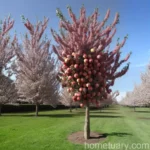
Flowering Crabapple (Malus ‘Branzam’ BRANDYWINE)
Introduction to Flowering Crabapple
Crabapples, scientifically known as Malus, are small deciduous trees or shrubs that belong to the Rosaceae family. They are closely related to apple (Malus domestica) and pear (Pyrus) trees. The genus Malus encompasses around 30-55 different species and numerous cultivated varieties that are loved for their ornamental value, fruits, and overall beauty. One such captivating variety of crabapple is the ‘Branzam’ or commonly known as Brandywine. This particular crabapple variety is cherished for its splendid floral display, edible fruits, and vibrant foliage.
Key Takeaways – Flowering Crabapple (Malus ‘Branzam’ BRANDYWINE)
Before delving into the detailed aspects of the ‘Branzam’ flowering crabapple, here are some key takeaways about this captivating plant:
- Plant Name: Flowering Crabapple (Malus ‘Branzam’ BRANDYWINE)
- Family: Rosaceae
- Uses: Ornamental, Edible Fruits
- Common Names: Brandywine Crabapple, Ornamental Crabapple Tree
- Key Features: Splendid Flowers, Vibrant Foliage, Edible Fruits
- Growing Zones: 4-8
- Mature Height: 15-20 feet
- Mature Spread: 15-20 feet
- Bloom Time: Spring
Now, let’s explore the various aspects of this captivating flowering crabapple variety, including its cultural requirements, uses, maintenance, and potential challenges.
Culture
The cultural requirements of the flowering crabapple ‘Branzam’ are pivotal for ensuring its optimal growth, health, and performance in the landscape. Understanding its specific needs in terms of water, sunlight, soil, and care is essential for creating an environment where it can thrive and showcase its full beauty.
Water
Proper watering is crucial for the growth and development of the ‘Branzam’ flowering crabapple. Adequate moisture is especially important during the establishment phase and dry periods. However, it’s equally essential to ensure that the soil has good drainage to prevent waterlogged conditions that can lead to root rot.
Here are some key points to consider when watering ‘Branzam’ crabapple:
– Young Trees: Water regularly during the first growing season to help the young tree establish a strong root system.
– Mature Trees: Once established, the ‘Branzam’ crabapple generally does not require extensive watering, except during prolonged periods of drought.
– Signs of Water Stress: Wilting leaves, especially during hot and dry weather, indicate the need for additional watering.
Sunlight
Adequate sunlight is essential for the ‘Branzam’ flowering crabapple to thrive and produce an abundance of blooms and fruits. This variety thrives in full sun to partial shade, with at least 6-8 hours of direct sunlight being ideal for optimal growth and flowering.
Key considerations for sunlight requirements:
– Full Sun: Provides the best conditions for abundant flowering and healthy fruit production.
– Partial Shade: Tolerates partial shade, but flowering may be reduced in areas with limited sunlight.
Fertilizer
Proper fertilization is important for maintaining the health and vigor of the ‘Branzam’ flowering crabapple, promoting lush foliage, vibrant blooms, and ensuring the development of flavorful fruits. A balanced fertilizer with a formulation such as 10-10-10 or 12-6-6 is generally suitable for crabapple trees. Applying fertilizer in early spring before new growth begins can provide the necessary nutrients to support healthy development.
Consider the following aspects when fertilizing the ‘Branzam’ crabapple:
– Application Timing: Apply fertilizer in early spring before the new growth emerges for optimal absorption and utilization by the tree.
– Avoid Over-Fertilization: Excessive fertilization can lead to excessive vegetative growth at the expense of flowers and fruits and may make the tree more susceptible to diseases.
Soil
The ‘Branzam’ flowering crabapple has moderate soil requirements and can adapt to a wide range of soil types, provided that they have good drainage. However, slightly acidic to neutral soils with a pH range of 5.5 to 6.5 are generally preferred by crabapple trees. Amending the soil with organic matter can improve its structure, water retention, and nutrient availability.
Key points to consider for soil preparation and maintenance:
– Drainage: Ensure that the planting site has good drainage to prevent waterlogging, which can lead to root diseases.
– Soil Testing: Conduct a soil test to determine the pH and nutrient levels, and adjust the soil accordingly to meet the ‘Branzam’ crabapple’s requirements.
Pruning
Pruning is an essential aspect of maintaining the form, health, and productivity of the ‘Branzam’ flowering crabapple. Proper pruning helps to remove dead or diseased wood, improve airflow within the canopy, and shape the tree for a pleasing aesthetic appearance.
Timing
The ideal time for pruning ‘Branzam’ crabapple trees is during late winter or early spring while the tree is still dormant. This allows for the removal of dead, damaged, or diseased branches and the shaping of the tree before the onset of new growth and flowering.
Techniques
When pruning the ‘Branzam’ flowering crabapple, consider the following techniques:
– Remove Suckers: Prune away any suckers or water sprouts emerging from the base or lower trunk of the tree.
– Thinning: Thin out crowded or crossing branches to improve air circulation and reduce the risk of disease.
– Heading Back: When necessary, head back long or unruly branches to maintain the desired shape and size of the tree.
Disease Prevention
Proper pruning practices can contribute to disease prevention and overall tree health. By removing diseased branches and maintaining an open canopy, the ‘Branzam’ crabapple is less susceptible to common diseases such as apple scab and cedar-apple rust.
Propagation
Propagating the ‘Branzam’ flowering crabapple allows for the multiplication of this captivating variety, whether for personal enjoyment or commercial cultivation. Several methods can be used to propagate crabapples, including grafting, budding, and rooting cuttings.
Grafting
Grafting is a common method of propagating crabapples, including the ‘Branzam’ variety. It involves joining a scion (a piece of the desired variety) onto a compatible rootstock, allowing for the production of genetically identical trees. Whip-and-tongue or cleft grafting are commonly employed techniques for crabapple propagation.
Budding
Budding is another propagation method suitable for the ‘Branzam’ crabapple. It involves inserting a bud from the desired variety into a cut made in the bark of a compatible rootstock. With proper care and favorable conditions, the bud develops into a new shoot and eventually forms the desired variety.
Rooting Cuttings
Rooting cuttings from the ‘Branzam’ flowering crabapple can also be successful. Softwood cuttings taken in early summer or hardwood cuttings collected in late autumn can be rooted under mist or in a controlled environment to produce new plants with identical characteristics to the parent tree.
Container Popularity
Growing crabapples in containers has gained popularity due to the adaptability of certain varieties, including the ‘Branzam’ flowering crabapple. Container cultivation allows individuals with limited outdoor space to enjoy the beauty and benefits of these ornamental trees on patios, balconies, or small gardens.
Advantages
Growing the ‘Branzam’ crabapple in containers offers several advantages, such as:
– Space Flexibility: Ideal for urban gardens, balconies, and small outdoor areas with limited ground space.
– Portability: Containers allow for easy relocation of the tree to optimize sunlight exposure or protect it from harsh weather.
– Aesthetic Appeal: Adds beauty and charm to outdoor living spaces, balconies, or terrace gardens.
Considerations
When cultivating the ‘Branzam’ flowering crabapple in containers, consider the following:
– Container Size: Ensure that the container is large enough to accommodate the root system and provide stability for the tree.
– Soil Quality: Use a well-draining soil mix designed for container cultivation to promote healthy root growth and prevent waterlogging.
– Watering Needs: Container-grown crabapples may require more frequent watering, especially during hot and dry periods.
Common Diseases
The ‘Branzam’ flowering crabapple, like other Malus varieties, can be susceptible to certain diseases that can affect its overall health and appearance. Understanding these common diseases and their symptoms is crucial for timely intervention and effective management.
Apple Scab (Venturia inaequalis)
Apple scab is a fungal disease that can cause significant defoliation and affect the overall vigor of the ‘Branzam’ crabapple. It is characterized by olive-green to black lesions on leaves and fruits, often leading to premature leaf drop and reduced fruit quality.
Cedar-Apple Rust (Gymnosporangium juniperi-virginianae)
Cedar-apple rust is a fungal disease that affects crabapples and other members of the Malus genus. It causes yellow to orange spots on the leaves and may also affect the fruits. In severe cases, it can lead to defoliation and impact the tree’s overall health.
Fire Blight (Erwinia amylovora)
Fire blight is a bacterial disease that can affect flowering crabapples, causing wilting and blackening of shoots, often resembling a fire-scorched appearance. The disease can spread rapidly during warm and humid conditions, posing a significant threat to the tree.
Preventive Measures
Implementing preventive measures can help reduce the risk of common diseases affecting the ‘Branzam’ flowering crabapple:
– Site Selection: Plant the tree in a location with good air circulation and sunlight exposure to minimize favorable conditions for disease development.
– Sanitation: Properly dispose of fallen leaves and fruits to reduce the potential sources of disease inoculum.
– Resistant Varieties: Consider selecting disease-resistant crabapple varieties, such as ‘Branzam,’ to minimize the risk of infections.
Disease Management
Timely intervention through cultural practices and, if necessary, the use of fungicidal or bactericidal treatments can help manage and mitigate the impact of common crabapple diseases. Consult with local extension services or arborists for specific recommendations tailored to the prevailing disease pressures in your region.
Common Pests
In addition to diseases, the ‘Branzam’ flowering crabapple may also be susceptible to pest infestations that can compromise its overall health and aesthetics. Understanding the common pests and their signs can aid in early detection and effective pest management strategies.
Aphids
Aphids are common sap-feeding insects that can colonize the tender shoots and foliage of the ‘Branzam’ crabapple, causing curling of leaves, stunted growth, and the development of sticky honeydew. Severe infestations can lead to distorted foliage and reduced vigor of the tree.
Codling Moth (Cydia pomonella)
The codling moth can infest the fruits of crabapple trees, including the ‘Branzam’ variety, leading to the presence of small entry holes and internal damage as the larvae feed within the fruits. Infested fruits may prematurely drop from the tree, diminishing its ornamental and potential edible qualities.
Japanese Beetles (Popillia japonica)
Japanese beetles can feed on the foliage of crabapple trees, including ‘Branzam,’ causing skeletonized leaves and defoliation if left unchecked. Their feeding activity can reduce the tree’s aesthetic appeal and overall ability to photosynthesize, impacting its health and vigor.
Integrated Pest Management
Employing integrated pest management (IPM) practices, including the use of beneficial insects, cultural controls, and targeted pesticide applications, can help manage pest populations and minimize their impact on the ‘Branzam’ flowering crabapple. Regular monitoring and early intervention are key components of an effective pest management strategy.
Botanist’s Tips
As a botanist or plant enthusiast, there are specific tips and insights that can enhance the successful cultivation and enjoyment of the ‘Branzam’ flowering crabapple. These tips are based on a deep understanding of the plant’s biology, growth habits, and environmental interactions.
Pollinator Support
The ‘Branzam’ flowering crabapple provides valuable floral resources for pollinating insects, such as bees and butterflies. By cultivating this variety, gardeners can contribute to supporting local pollinator populations and enhancing the ecological balance in their surroundings.
Edible Fruit Harvest
The fruits of the ‘Branzam’ crabapple are not only ornamental but can also be harvested for culinary purposes. From making preserves and jellies to incorporating them into baked goods, the edible fruits add a delightful and flavorful aspect to the tree’s appeal.
Wildlife Attraction
The ‘Branzam’ flowering crabapple has the potential to attract wildlife, including birds, with its fruits serving as a food source. By incorporating this variety into wildlife-friendly landscapes, individuals can create habitat and foraging opportunities for various bird species.
Fun Facts
Discover some fascinating and noteworthy facts about the ‘Branzam’ flowering crabapple that add to its allure and charm as an ornamental and functional tree in the landscape.
-
Ornamental Appeal: The ‘Branzam’ variety is prized for its stunning, semi-double pink blossoms that adorn the tree in spring, adding a captivating display of color and fragrance to the surroundings.
-
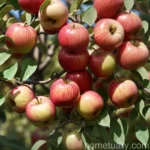
Fruit Diversity: In addition to its ornamental value, the ‘Branzam’ crabapple produces small, red fruits that can be used for culinary purposes, such as making preserves or adding a tangy flavor to dishes.
-
Wildlife Haven: The fruits of the ‘Branzam’ crabapple are a valuable food source for wildlife, including birds, making it a beneficial addition to naturalistic landscapes.
-
Year-Round Interest: Beyond its spring blossoms and fall fruits, the ‘Branzam’ crabapple offers visual interest throughout the year, with its vibrant foliage and architectural form enhancing the landscape.
-
Historical Significance: Crabapples have been cultivated for centuries, with their origins traced to ancient civilizations and their enduring popularity across diverse cultures.
Links to External Resources
For further information about the ‘Branzam’ flowering crabapple, its cultivation, and potential uses, explore the following external resources:
-
American Horticultural Society – A comprehensive resource for gardening and plant care, offering insights into growing ornamental trees, including crabapples.
-
USDA Plant Database – Access the USDA’s comprehensive plant database to explore detailed information about the ‘Branzam’ crabapple, its distribution, and ecological preferences.
-
Royal Horticultural Society – The UK’s leading gardening charity provides valuable guidance on growing and caring for flowering crabapples, catering to a wide audience of plant enthusiasts.
-
Arbor Day Foundation – Learn more about the environmental and aesthetic benefits of crabapple trees, including the ‘Branzam’ variety, through the resources offered by the Arbor Day Foundation.
-
Local Extension Services – Contact your local cooperative extension or horticultural society for region-specific guidance and recommendations tailored to the cultivation of crabapples in your area.
By exploring these external resources, enthusiasts and horticulturists can expand their knowledge and appreciation of the ‘Branzam’ flowering crabapple while gaining valuable insights into its cultivation and potential contributions to diverse landscapes.
In conclusion, the ‘Branzam’ flowering crabapple (Malus ‘Branzam’ BRANDYWINE) stands as a captivating and versatile addition to gardens, parks, and urban landscapes, offering an enchanting floral display, edible fruits, and year-round aesthetic appeal. By understanding its cultural requirements, potential uses, and management practices, individuals can foster the successful growth and enjoyment of this alluring crabapple variety.
References
- Dirr, Michael A. Dirr’s Encyclopedia of Trees and Shrubs. Timber Press, 2011.
- Gilman, Edward F., and Dennis G. Watson. Malus Cultivars. University of Florida IFAS Extension, 1994.
- Byers, Tim. “Crabapples in the Landscape”. University of Missouri Extension, 2015.
- Mahr, Susan. “Crabapple Growing Guide”. University of Wisconsin-Madison Extension, 2021.
Remember to verify the validity of your content from authentic references.
The glossary and content mentioning common diseases, and pests can vary per region and the tree specific characteristics. Always consider local expert input for added information.
It is important to add the most accurate information about flowering crabapple in this article. Always cross-verify through different sources, and for the most current information, it is best to refer to research papers or consult with a local plant specialist or horticulturist.