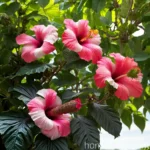
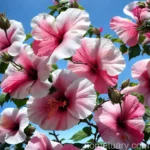
The Magnificent Flower of an Hour (Hibiscus trionum)
The world of plants is breathtakingly diverse, and one particular gem that captivates both gardeners and botanists alike is the flower of an hour (Hibiscus trionum). With its delicate appearance and fascinating characteristics, this plant is a true marvel of nature. As a plant scientist with a passion for exploring the wonders of flora, I am excited to delve into the captivating realm of the flower of an hour.
What is the Flower of an Hour (Hibiscus trionum)?
Hibiscus trionum, commonly known as the flower of an hour, is a member of the Malvaceae family. This annual flowering plant is native to the Mediterranean region and certain parts of Asia. The name “flower of an hour” is derived from the fleeting nature of its blossoms, which typically last for a short period each day, often just for an hour, before closing. The plant’s intricate flowers and unique growth habits make it a popular choice for gardeners looking to add a touch of charm and elegance to their outdoor spaces.
Key Takeaways about the Flower of an Hour (Hibiscus trionum)
Before we embark on a comprehensive journey through the world of the flower of an hour, let’s explore some key takeaways about this captivating plant:
- Scientific Name: Hibiscus trionum
- Family: Malvaceae
- Life Cycle: Annual
- Native Habitat: Mediterranean region, parts of Asia
- Special Features: Fleeting, delicate flowers; ornamental foliage
- Growth Habit: Compact and bushy, reaching a height of 1 to 3 feet
- Cultural Uses: Ornamental gardening, traditional medicine
- Symbolism: Often associated with ephemeral beauty and the passage of time
As we venture deeper into the world of the “flower of an hour,” we will uncover the intricacies of its cultivation, remarkable uses, and the captivating allure that has enchanted plant enthusiasts for generations.
Culture
Cultivating the flower of an hour is an enriching experience, and understanding its cultural requirements is essential for ensuring its optimal growth and development.
Uses
The flower of an hour boasts diverse uses, ranging from ornamental gardening to traditional medicinal applications. Let’s explore its key uses in detail:
-
Ornamental Gardening: The delicate, ephemeral beauty of the flower of an hour makes it a sought-after addition to ornamental gardens, where it can be showcased in borders, containers, or mixed plantings. Its distinctive flowers and compact growth habit contribute to its visual appeal, making it a delightful choice for gardeners seeking a touch of ethereal charm.
-
Traditional Medicine: In certain cultures, the flower of an hour has been utilized for its purported medicinal properties. From soothing skin conditions to addressing minor ailments, the plant has found a place in traditional herbal remedies, reflecting its cultural significance beyond its ornamental value.
Water
Proper watering is crucial for the health and vitality of the flower of an hour. Watering guidelines for this plant include:
-
Moist, Well-Drained Soil: The flower of an hour thrives in soil that is consistently moist but well-drained. Avoid allowing the soil to become waterlogged, as this can lead to root rot and other complications. Regular monitoring of soil moisture is recommended to ensure adequate hydration without waterlogging.
-
Consistent Moisture: During the growing season, maintain a consistent level of moisture for the plant. This may involve regular watering, especially during periods of inadequate rainfall or dry weather. However, it’s important to strike a balance and prevent overwatering, which can be detrimental to the plant’s health.
-
Avoid Drought Stress: While the flower of an hour appreciates consistent moisture, it is also important to prevent drought stress. Inadequate watering can lead to wilting, reduced flower production, and overall decline in plant vigor. Be attentive to the plant’s water needs, particularly during hot and dry periods.
Sunlight
Proper exposure to sunlight is essential for the flower of an hour, and understanding its sunlight requirements is key to promoting vigorous growth and abundant flowering.
-
Full Sun to Partial Shade: The flower of an hour thrives in locations that receive ample sunlight, ideally in full sun to partial shade. Providing at least 6 to 8 hours of direct sunlight daily is beneficial for promoting strong, healthy growth and profuse blooming.
-
Shade Considerations: While the plant appreciates sunlight, it can also tolerate partial shade, especially in regions with intense summer heat. When grown in warmer climates, providing some afternoon shade can help mitigate potential stress from excessive heat and sun exposure.
-
Optimal Positioning: When selecting a planting location, prioritize areas that receive adequate sunlight while also considering local climate conditions. By placing the plant in a suitable spot, you can optimize its access to sunlight and create an environment conducive to robust growth.
Fertilizer
Applying appropriate fertilizer can help enhance the flower of an hour’s growth and blooming potential. Consider the following recommendations for fertilizing this captivating plant:
-
Balanced Fertilizer: Use a balanced, all-purpose fertilizer to provide essential nutrients for the flower of an hour. A fertilizer with a balanced NPK ratio, such as 10-10-10 or similar formulations, can support overall plant health and flowering.
-
Application Timing: Apply fertilizer during the plant’s active growing period, typically in the early stages of growth and throughout the blooming season. Avoid overfertilizing, as excessive nutrient levels can lead to imbalanced growth and potential issues with flowering.
-
Follow Guidelines: Adhere to the manufacturer’s recommendations for application rates and frequency when fertilizing the flower of an hour. Overapplication of fertilizer can result in nutrient imbalances and may adversely affect the plant’s well-being.
Soil
The soil composition plays a vital role in the flower of an hour’s growth and performance. Understanding its soil preferences is crucial for creating an environment conducive to its flourishing.
-
Well-Drained, Loamy Soil: The flower of an hour thrives in well-drained soil with a loamy texture. This type of soil provides a balanced mix of sand, silt, and clay, allowing for adequate drainage while retaining essential moisture and nutrients.
-
Soil pH: Aim for a slightly acidic to neutral pH range for optimal growth. A pH level in the range of 6.0 to 7.0 is generally suitable for the flower of an hour, enabling efficient nutrient uptake and root health.
-
Soil Amendment: Consider amending the soil with organic matter, such as compost or well-rotted manure, to enhance its structure and fertility. Incorporating organic amendments can improve soil moisture retention and nutrient availability, benefiting the overall health of the plant.
Pruning
Pruning the flower of an hour can help maintain its compact form, promote flowering, and manage its growth. Here are some pruning guidelines for this captivating plant:
-
Deadheading: Regular deadheading, which involves removing spent flowers, can encourage the continuous production of new blooms. This practice helps prevent seed formation and directs the plant’s energy towards ongoing flowering, prolonging its ornamental display.
-
Trimming Leggy Growth: If the plant exhibits leggy or excessive growth, consider pruning back the stems to encourage branching and a more compact, bushy form. Pruning can help shape the plant and prevent it from becoming overly tall or spindly.
-
Seasonal Pruning: Conduct light pruning in early spring to remove any damaged or dead branches and stimulate new growth. Avoid heavy pruning during this time, as the plant may exhibit delayed flowering if pruned too aggressively.
Propagation
Propagating the flower of an hour allows gardeners to expand their plant collection and share this enchanting species with others. Consider the following propagation methods for this alluring plant:
-
Seed Propagation: Propagating the flower of an hour from seeds is a straightforward and rewarding method. Collect mature seeds from the plant’s seed pods and sow them in well-prepared soil, ensuring adequate moisture for germination. With proper care, seeds typically germinate within a few weeks, giving rise to new plants.
-
Division: If the flower of an hour develops multiple stems or clumps, division can be used to create new plants. Carefully separate the root system, ensuring that each division has sufficient roots and shoots to support its growth. Plant the divisions in suitable locations and provide appropriate care to promote their establishment.
-
Cutting Propagation: While less commonly used for the flower of an hour, stem cuttings can be utilized for propagation. Select healthy, non-flowering stems and take cuttings with several pairs of leaves. Root the cuttings in a well-draining medium and maintain consistent moisture to facilitate root development.
Container Popularity
The flower of an hour’s captivating beauty and manageable size make it a popular choice for container gardening. Its ornamental charm and compact growth habit render it well-suited for various container settings, from patios and balconies to indoor spaces.
-
Patio and Balcony Decor: Enhance outdoor living spaces with the enchanting presence of the flower of an hour. Potted plants can be showcased on patios, balconies, or terraces, adding a touch of elegance and natural beauty to the surroundings.
-
Indoor Cultivation: For individuals with limited outdoor space, the flower of an hour can thrive as an indoor plant given appropriate sunlight and care. Indoor containers can showcase the plant’s distinctive flowers and foliage, bringing a sense of natural allure to interior spaces.
-
Seasonal Displays: Utilize containers to create seasonal displays featuring the flower of an hour. With its fleeting blooms and ornamental appeal, the plant can contribute to vibrant and ever-changing container arrangements throughout the growing season.
Common Diseases
While the flower of an hour is generally resilient, it may be susceptible to certain diseases and health issues. Understanding common diseases and their management is essential for safeguarding the plant’s well-being.
Disease Diagnosis
-
Powdery Mildew: The development of powdery mildew on the plant’s foliage can manifest as a white, powdery coating, often accompanied by leaf distortion. To address powdery mildew, utilize fungicidal sprays and ensure appropriate air circulation to reduce humidity levels.
-
Root Rot: Excessive moisture or waterlogging can contribute to root rot, leading to wilting, yellowing foliage, and overall decline. Address root rot by improving soil drainage and adjusting watering practices to prevent water accumulation around the roots.
-
Botrytis Blight: This fungal disease can cause necrotic lesions, rotting, and a gray mold-like appearance on the plant. Combat botrytis blight by managing humidity levels, promoting good air circulation, and promptly removing any affected plant parts.
Common Pests
Pests can pose a threat to the flower of an hour, potentially impacting its growth and flowering. Understanding common pests and implementing effective pest control measures is essential for preserving the plant’s health.
-
Aphids: These tiny insects can cluster on the plant’s tender growth, causing distortion and damage to the foliage. Control aphids through natural predators, such as ladybugs, or by using insecticidal soaps to reduce their populations.
-
Spider Mites: Spider mites are known for causing fine webbing and stippling on the plant’s leaves, compromising their health. Combat spider mites by spraying the foliage with water to dislodge the pests or utilizing miticidal treatments for severe infestations.
-
Whiteflies: These small, white insects can congregate on the undersides of leaves and may cause yellowing and weakening of the plant. Manage whiteflies using sticky traps, insecticidal oils, or natural predators to reduce their numbers.
Botanist’s Tips
As a plant scientist, I recognize the significance of offering practical tips and insights to fellow enthusiasts and gardeners. Here are some valuable suggestions to foster success in growing and caring for the flower of an hour:
-
Consistent Monitoring: Regularly monitor the plant for signs of moisture stress, pests, diseases, and overall health. Vigilance enables early intervention and helps maintain the plant’s well-being.
-
Appropriate Support: If the plant exhibits sprawling growth, consider providing gentle support through stakes or trellises to maintain an upright and well-structured form.
-
Environmental Adaptations: When cultivating the flower of an hour, adapt cultural practices to suit local climate conditions and seasonal variations, optimizing the plant’s performance in diverse environments.
Fun Facts
Delving into the world of the flower of an hour reveals a treasure trove of fascinating facts and anecdotes. Here are some intriguing fun facts about this enchanting plant:
-
Historical Significance: The flower of an hour has been associated with themes of fleeting beauty and the passage of time, leading to its inclusion in various folklore and cultural traditions.
-
Botanical Symbolism: Across different cultures, the flower of an hour has been linked to symbolic meanings such as transience, fragility, and appreciation for brief moments of beauty.
-
Pollinator Magnet: With its nectar-rich blooms, the flower of an hour often attracts a variety of pollinators, including bees, butterflies, and other beneficial insects, contributing to ecological diversity.
Links to External Resources
For further exploration and in-depth understanding of the flower of an hour, I recommend delving into the following external resources:
- Royal Horticultural Society – Hibiscus trionum
- Missouri Botanical Garden – Hibiscus trionum
- Flora of North America – Hibiscus trionum
- University of Florida IFAS Extension – Hibiscus trionum
In conclusion, the flower of an hour (Hibiscus trionum) stands as a botanical marvel, captivating enthusiasts with its ethereal beauty, cultural significance, and fascinating characteristics. Whether adorning garden landscapes or inspiring contemplation on the transient nature of beauty, this enchanting plant continues to weave its delightful allure into the tapestry of horticultural appreciation. By embracing its unique traits and understanding its cultural nuances, we honor the splendid legacy of the flower of an hour and nurture its entrancing presence in our lives.