Flower-of-an-hour (Hibiscus Trionum)
Flower-of-an-hour, scientifically known as Hibiscus Trionum, is an enchanting and vibrant annual plant that captivates the beholder with its ephemeral.
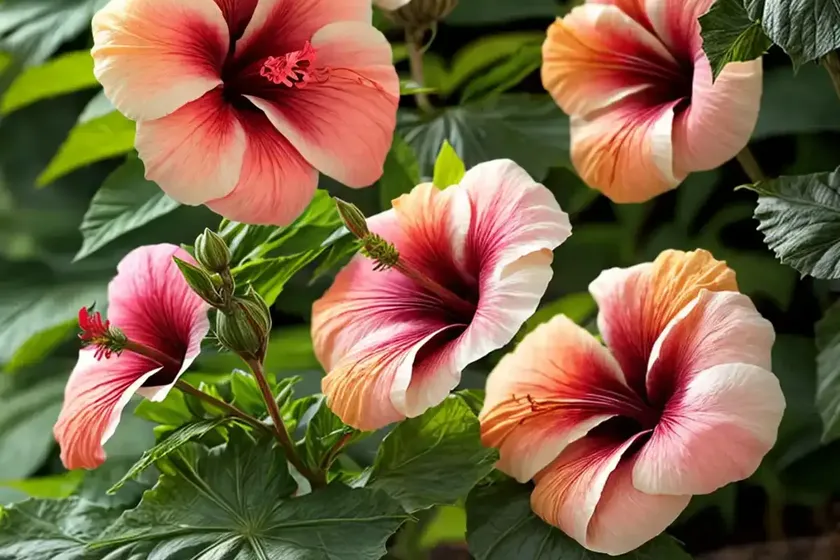
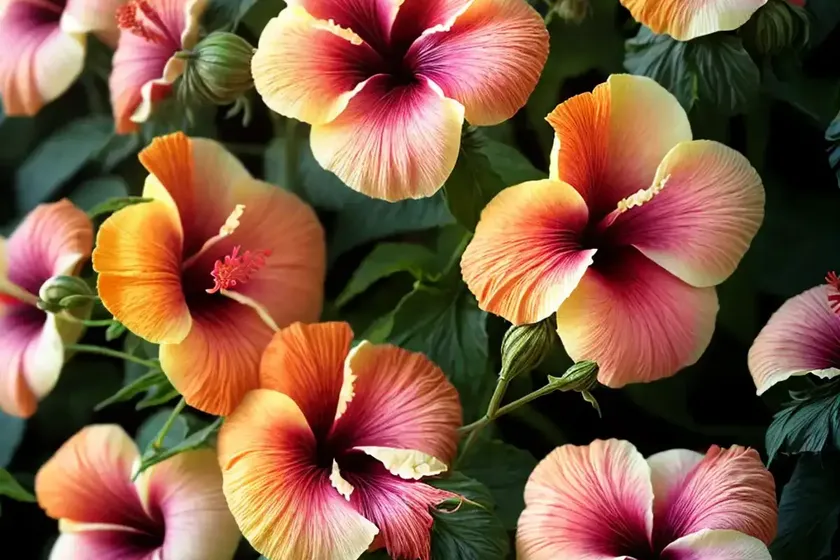
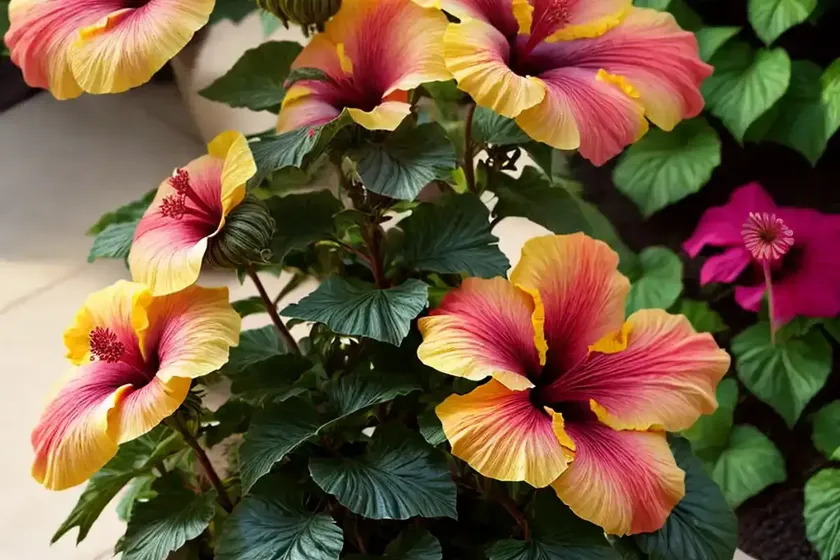
Flower-of-an-hour, scientifically known as Hibiscus Trionum, is an enchanting and vibrant annual plant that captivates the beholder with its ephemeral beauty. While it is often referred to as a weed due to its ability to proliferate in diverse environments, when intentionally cultivated, it can serve as a stunning addition to any garden. In this comprehensive guide, we will delve into the details of Flower-of-an-Hour, exploring its characteristics, cultivation techniques, and more.
What is Plant: Flower-of-an-Hour (Hibiscus Trionum)?
Plant Characteristics
Hibiscus Trionum, commonly known as Flower-of-an-hour, is a member of the Malvaceae family. This annual flowering plant is native to the Mediterranean region but has successfully naturalized in many other parts of the world. It typically reaches a height of about 12 to 36 inches (30-90 cm) and showcases delicate, yellow-centered flowers surrounded by five large, heart-shaped, white petals. These blooms open in the morning and fade as the day progresses, giving rise to its common name, “Flower-of-an-hour.”
The plant is adorned with lobed, dark green leaves and tends to present a bushy and sprawling growth habit, making it an aesthetically pleasing addition to gardens, borders, or containers.
Growing Flower-of-an-Hour from Seeds
Cultivating Flower-of-an-hour from seeds is a relatively straightforward process. Start by sowing the seeds directly into well-draining soil after the last frost date has passed. Opt for a sunny location with fertile, loamy soil. The seeds should be sown at a depth of approximately 1/4 inch and spaced about 8-12 inches apart. Keep the soil consistently moist and ensure that the seedlings receive ample sunlight.
Hibiscus Trionum seeds germinate readily, typically within 7-14 days under optimal conditions. Once the seedlings have developed a few sets of true leaves, thin them to encourage robust growth and ample air circulation.
Flower-of-an-Hour Plant Facts
- Common Name: Flower-of-an-Hour
- Scientific Name: Hibiscus Trionum
- Plant Type: Annual flowering plant
- Native Habitat: Mediterranean region
- Bloom Color: White petals with a yellow center
- Foliage: Dark green, lobed leaves
- Growth Habit: Bushy and sprawling
- Bloom Time: Morning, blooms fade by midday
- Height: 12 to 36 inches
- Family: Malvaceae
Key Takeaways: Flower-of-an-Hour (Hibiscus Trionum)
Before delving into the detailed care guide for Flower-of-an-hour, let’s take a moment to highlight some key takeaways regarding its culture, uses, and common requirements.
Culture
- Plant Type: Annual flowering plant
- Sunlight Requirements: Full sun to partial shade
- Watering: Consistent moisture, avoid waterlogging
- Soil Type: Well-draining, fertile
- Pruning: Minimal pruning required, deadheading to prolong blooming
- Propagation: Easily propagated from seeds
- Container Growing: Well-suited for container cultivation
- Common Uses: Ornamental bedding, borders, containers
Uses
- Ornamental: The captivating blooms of Flower-of-an-hour make it a delightful addition to ornamental gardens, borders, or containers.
- Decorative: Its delicate, white flowers can be used for decorative purposes, such as floral arrangements and bouquets.
Flower-of-an-Hour Plant Care Guide
Caring for Flower-of-an-hour entails understanding its specific requirements related to water, sunlight, fertilizer, soil, pruning, and propagation, among others. Let’s explore each of these aspects in detail.
Water
Proper watering is essential for the optimal growth and bloom production of Flower-of-an-hour. Here are some key considerations regarding its water requirements:
- Consistent Moisture: Maintain consistent soil moisture, ensuring that the plant does not experience prolonged dry periods. However, it’s crucial to avoid waterlogging, as excessively wet conditions can lead to root rot.
- Watering Schedule: In most cases, a thorough watering once a week should be adequate. Adjust the frequency based on local weather conditions and the moisture retention capacity of the soil.
Sunlight
Flower-of-an-hour thrives in locations that receive ample sunlight, but it can also tolerate partial shade. Here are some essential pointers regarding its sunlight requirements:
- Full Sun to Partial Shade: Plant Flower-of-an-hour in a spot that receives at least 6-8 hours of direct sunlight daily for robust growth and abundant flowering.
- Adaptable to Partial Shade: While it prefers full sun, Flower-of-an-hour can adapt to partial shade conditions, with slightly reduced flowering in such environments.
Fertilizer
When it comes to fertilization, Flower-of-an-hour benefits from moderate feeding to support healthy growth and prolific blooming. Here’s what you need to know about fertilizing this charming annual plant:
- Balanced Fertilizer: Use a balanced, all-purpose fertilizer with an NPK ratio of 10-10-10 or similar formulation. Apply the fertilizer according to the manufacturer’s instructions, typically every 4-6 weeks during the growing season.
- Avoid Excessive Nitrogen: While nitrogen is essential for lush foliage and vigorous growth, excessive nitrogen can lead to abundant foliage at the expense of flowering. Therefore, it’s crucial to strike a balance in fertilization.
Soil
The soil quality and composition play a crucial role in the health and performance of Flower-of-an-hour. Consider the following soil-related guidelines for optimal growth:
- Well-Draining Soil: Plant Flower-of-an-hour in well-draining soil to prevent waterlogging and root rot. A fertile, loamy soil with good drainage capabilities is ideal for promoting healthy growth and blooming.
- Soil pH: Flower-of-an-hour prefers slightly acidic to neutral soil with a pH range of 6.0-7.0. Conduct a soil test if necessary and amend the soil to achieve the desired pH level.
Pruning
Pruning requirements for Flower-of-an-hour are minimal, focusing mainly on deadheading to prolong the blooming period and maintain the plant’s overall appearance. Here are some essential pruning tips:
- Deadheading: Regularly remove spent flowers to encourage continuous blooming. This practice redirects the plant’s energy towards producing new blooms, enhancing the overall visual appeal.
- Minimal Shaping: While Flower-of-an-hour does not require extensive shaping or pruning, occasional tidying up can help maintain its bushy, compact form.
Propagation
Flower-of-an-hour is easily propagated from seeds, making it a fantastic choice for gardeners seeking to expand their plant collection or share this captivating species with others. Here’s what you need to know about propagating Hibiscus Trionum:
- Seed Propagation: Collect seeds from mature Flower-of-an-hour plants and sow them directly into the soil after the last frost date. Keep the soil consistently moist, and the seeds should germinate within a couple of weeks under favorable conditions.
- Division: While less commonly practiced, Flower-of-an-hour can also be propagated through division, particularly if you wish to create new plantings from an established specimen.
Container Popularity
Flower-of-an-hour’s adaptability and enchanting blooms make it an excellent candidate for container cultivation. Whether on patios, balconies, or terraces, this plant adds a touch of allure to its surroundings. Consider the following aspects for successfully growing Flower-of-an-hour in containers:
- Container Size: Choose a container that provides ample space for the plant’s roots to spread. A depth of at least 8 inches is recommended to accommodate the root system. Ensure that the container has drainage holes to prevent waterlogging.
- Potting Mix: Use a high-quality, well-draining potting mix to provide optimal growing conditions. Consider adding organic matter or perlite to enhance the mix’s texture and drainage capabilities.
Common Diseases and Disease Diagnosis
While Flower-of-an-hour is relatively resilient, it can occasionally fall prey to certain diseases. Being vigilant and proactive in disease management is crucial for maintaining the plant’s health. Here are some common diseases and tips for diagnosis:
| Disease | Symptoms | Management |
|---|---|---|
| Powdery Mildew | White, powdery growth on leaves and stems | Provide adequate air circulation; apply fungicidal sprays |
| Root Rot | Wilting, yellowing foliage; mushy, discolored roots | Improve soil drainage; adjust watering practices |
| Botrytis Blight | Gray mold on flowers and foliage | Remove affected plant parts; enhance air circulation |
| Leaf Spot | Circular brown lesions on leaves | Remove and destroy infected plant material |
Common Pests
In addition to diseases, Flower-of-an-hour may encounter various pests that can impact its growth and vitality. Understanding these common pests and implementing appropriate control measures is essential for preserving the plant’s well-being. Here are some prevalent pests and recommended management strategies:
| Pest | Symptoms | Management |
|---|---|---|
| Aphids | Clusters of soft-bodied insects on stems and leaves | Spray with insecticidal soap; introduce natural predators |
| Spider Mites | Fine webbing, stippling on leaves | Rinse plant with water; apply horticultural oil spray |
| Whiteflies | Small, white insects fluttering around the plant | Use yellow sticky traps; apply insecticidal soap |
| Caterpillars | Defoliation, visible caterpillars on the plant | Handpick caterpillars; use biological control agents |
Botanist’s Tips
- Mulching: Apply a layer of organic mulch around Flower-of-an-hour plants to retain soil moisture, suppress weed growth, and insulate the roots.
- Companion Plants: Pair Flower-of-an-hour with complementary companions such as Marigolds, Alyssum, or Nasturtiums for visually appealing and harmonious plantings.
- Winter Care: In regions where Flower-of-an-hour is grown as an annual, collect seeds from mature plants for subsequent sowing in the following season.
Fun Facts
- Historical Significance: In traditional herbal medicine, various parts of Hibiscus Trionum have been used for medicinal purposes due to their purported healing properties.
- Flower Symbolism: The fleeting blooms of Flower-of-an-hour have been associated with themes of ephemerality and the passage of time in literature and art.
Links to External Resources
- Royal Horticultural Society – Growing Hibiscus Trionum
- University of Florida – Hibiscus Trionum Fact Sheet
- Missouri Botanical Garden – Hibiscus Trionum Information
In conclusion, Flower-of-an-hour (Hibiscus Trionum) is a captivating annual plant that offers an array of delightful blooms and ornamental appeal. From its effortless propagation from seeds to its adaptability in containers, this plant presents an array of opportunities for gardeners to enjoy its transient yet mesmerizing presence. Armed with the comprehensive care guide and insights provided here, you’re well-equipped to embark on a rewarding journey of cultivating and cherishing the enchanting Flower-of-an-hour.
Whether you’re a seasoned gardener or a newcomer to the world of plant care, the alluring beauty and allure of Flower-of-an-hour make it a compelling addition to any garden or landscape setting. As you embark on your journey of cultivating this captivating plant, may its ephemeral blooms inspire moments of wonder and appreciation for the transient yet precious facets of nature’s creations. Happy gardening and may your Flower-of-an-hour flourish with vibrant splendor!
Note: The information provided in this guide is based on general cultivation practices and the specific requirements of Flower-of-an-hour. It is advisable to consider local climatic conditions and refer to regional gardening resources for tailored recommendations.


