Flat-Leaved Vanilla (Vanilla Planifolia)
Flat-Leaved vanilla (Vanilla planifolia) is a fascinating and exotic plant that has captured the attention of plant enthusiasts, chefs, and botanists.
Flat-Leaved vanilla (Vanilla planifolia) is a fascinating and exotic plant that has captured the attention of plant enthusiasts, chefs, and botanists alike. Renowned for its delicate, aromatic beans that are the source of the beloved vanilla flavor, this orchid species holds a special place in the hearts of many. In this comprehensive guide, we will delve into the intricacies of caring for and cultivating Flat-Leaved vanilla, exploring its culture, uses, propagation, and much more. Whether you are a seasoned botanist, a home gardener, or simply someone with a penchant for all things vanilla, this article is sure to provide you with a deep understanding of this remarkable plant.
What is Flat-Leaved Vanilla (Vanilla planifolia)?
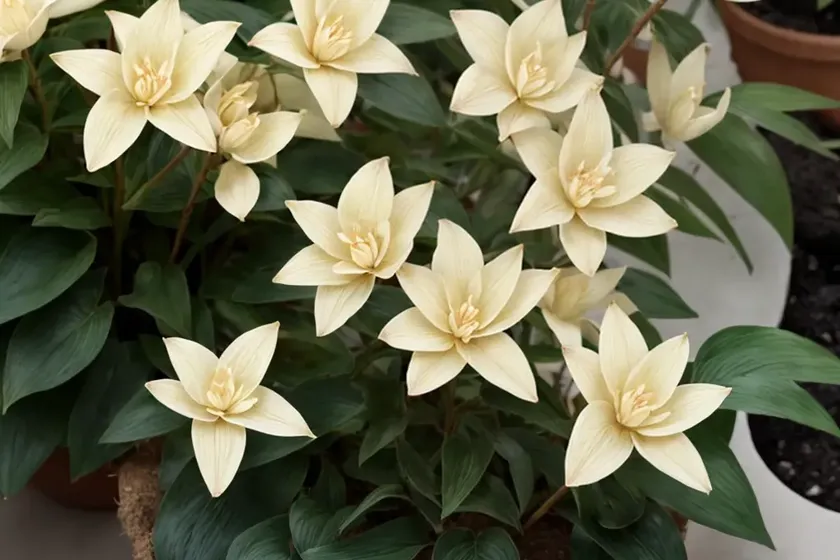
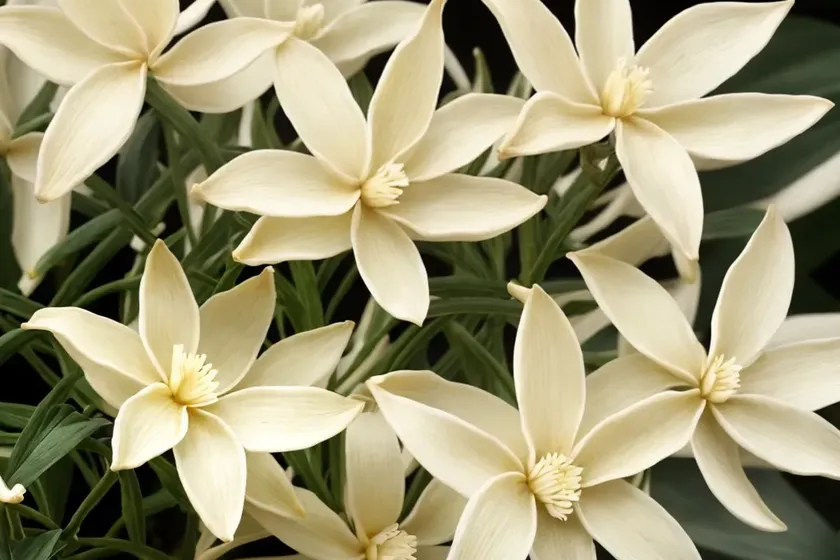
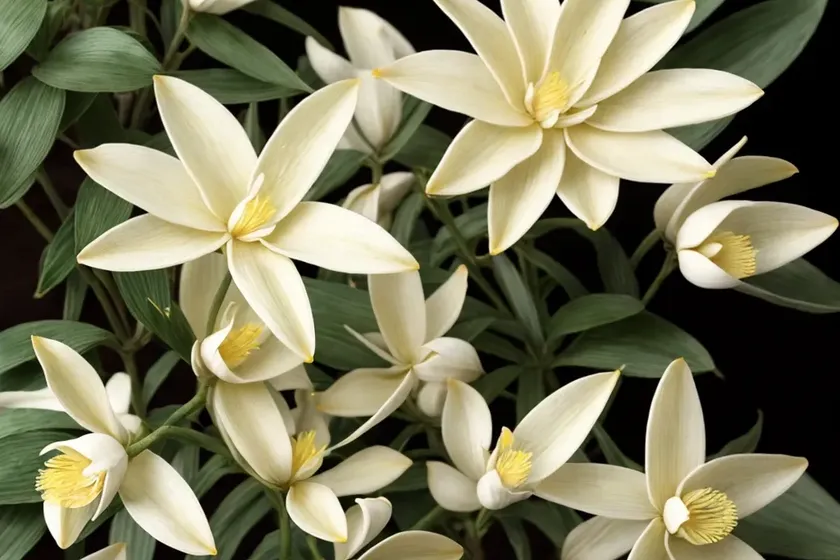
Flat-Leaved vanilla, scientifically known as Vanilla planifolia, is a species of orchid that belongs to the Orchidaceae family. Native to Mexico and Central America, this tropical beauty is characterized by its glossy, leathery leaves and delicate, cream-colored flowers. However, it is the fruit of the plant, particularly its aromatic beans, which are the primary reason for its popularity and economic significance.
The Vanilla planifolia orchid is an epiphytic vine, often found climbing trees in its natural habitat. In the wild, it relies on its aerial roots to anchor itself to tree trunks and branches while seeking the dappled sunlight and humid conditions of the tropical forest canopy.
Key Takeaways – Flat-Leaved Vanilla (Vanilla planifolia)
Before delving into the specific aspects of caring for and cultivating Flat-Leaved vanilla, let’s briefly outline the key takeaways that will be covered in this guide.
- Plant Name: Flat-Leaved vanilla (Vanilla planifolia)
- Cultural Requirements
- Uses
- Water
- Sunlight
- Fertilizer
- Soil and Propagation
- Soil
- Pruning
- Propagation
- Container Gardening
- Popularity in Containers
- Container Requirements
- Diseases and Pests
- Common Diseases
- Disease Diagnosis
- Common Pests
- Botanist’s Tips
- Fun Facts
- Links to External Resources
Cultural Requirements
Caring for Flat-Leaved vanilla involves understanding its cultural requirements, including its specific needs for water, sunlight, fertilizer, and soil. Let’s explore each of these aspects in detail.
1. Uses
The primary use of Flat-Leaved vanilla is for the production of vanilla flavoring. The beans of the Vanilla planifolia orchid contain compounds that impart the distinctive and beloved vanilla flavor and aroma, making them highly sought after in the culinary and fragrance industries. Additionally, the orchid species holds cultural and traditional significance in the regions where it is native, often being used in rituals and traditional medicine.
2. Water
Proper watering is crucial for the health and vigor of Flat-Leaved vanilla plants. As epiphytic orchids, they have adapted to rely on regular, light waterings, mimicking the intermittent showers they would receive in their natural habitat. Overwatering can lead to root rot, while underwatering can cause stress and dehydration.
- Key Points:
- Water the plant when the top inch of the potting medium feels dry to the touch.
- Allow excess water to drain freely from the pot to prevent waterlogging.
- During the growing season, typically spring and summer, increase the frequency of watering to support active growth.
3. Sunlight
Flat-Leaved vanilla thrives in bright, indirect light that mimics the conditions found under the forest canopy. Exposure to intense, direct sunlight can lead to leaf burn, while insufficient light can result in poor growth and reduced flowering.
- Key Points:
- Position the plant in an east or west-facing window where it can receive bright, filtered light.
- Consider using sheer curtains or blinds to provide gentle, diffused light if direct sunlight is unavoidable.
- Rotate the plant periodically to ensure even light exposure on all sides.
4. Fertilizer
Proper nutrition is essential for the growth and development of Flat-Leaved vanilla. Orchid-specific fertilizers are available and are formulated to provide the essential nutrients that orchids require for healthy growth and flowering.
- Key Points:
- Use a balanced orchid fertilizer formulated at quarter-strength to avoid the risk of overfertilization.
- Apply the fertilizer every 2-3 weeks during the growing season, reducing frequency during the winter months when growth slows.
Soil and Propagation
Understanding the soil requirements and propagation methods for Flat-Leaved vanilla is crucial for ensuring its long-term vitality and propagation for future generations.
1. Soil
Flat-Leaved vanilla thrives in a well-draining, aerated potting mix that mimics the loose, organic matter it would naturally grow in when attached to trees in the wild.
- Key Points:
- Use a specialized orchid potting mix containing components such as fir bark, sphagnum moss, and perlite to ensure excellent drainage.
- Repot the orchid every 2-3 years to refresh the potting medium and prevent the accumulation of decomposed material that can impede drainage.
2. Pruning
Pruning is an essential aspect of Flat-Leaved vanilla care, helping to maintain the plant’s shape, remove dead or decaying material, and encourage new growth.
- Key Points:
- Use clean, sterilized tools when pruning to minimize the risk of introducing pathogens.
- Remove spent flower spikes once they have finished blooming to redirect the plant’s energy into vegetative growth.
3. Propagation
Flat-Leaved vanilla can be propagated through several methods, including stem cuttings, division, and tissue culture. Each method has its advantages and is suitable for different circumstances.
- Key Points:
- Stem cuttings can be taken from healthy, mature vines and rooted in a suitable propagation medium such as sphagnum moss.
- Division involves carefully separating the plant into smaller sections, each with its own roots and growing points, and is best performed during repotting.
Container Gardening
The popularity of cultivating Flat-Leaved vanilla in containers has surged in recent years, driven by the increased interest in indoor gardening and the allure of growing this exotic orchid at home.
1. Popularity in Containers
The compact growth habit and elegant foliage of Flat-Leaved vanilla make it an excellent choice for container gardening, allowing enthusiasts to enjoy its beauty and fragrance in a manageable indoor or greenhouse setting.
- Key Points:
- The plant’s climbing habit can be trained onto a support structure within the container, providing a striking display of vining growth.
2. Container Requirements
Selecting the right container and providing suitable conditions are essential for successfully growing Flat-Leaved vanilla in a container.
- Key Points:
- Choose a spacious, well-draining container that accommodates the plant’s eventual size and provides room for the aerial roots to expand.
- Select a potting medium specifically formulated for orchids to ensure optimal drainage and aeration.
Diseases and Pests
Like all plants, Flat-Leaved vanilla is susceptible to certain diseases and pest infestations that can impact its health and vitality. Recognizing the signs of common diseases and pests is crucial for implementing timely and effective interventions.
1. Common Diseases
Flat-Leaved vanilla can experience issues such as root rot, fungal infections, and viral diseases that can affect its overall vigor and ability to produce healthy beans.
- Key Points:
- Preventing overwatering and ensuring proper ventilation can help reduce the risk of fungal diseases.
- Sterilize pruning tools and promptly remove any diseased or decaying plant material to prevent the spread of infections.
2. Disease Diagnosis
Accurately identifying and diagnosing diseases affecting Flat-Leaved vanilla is essential for implementing targeted treatment and management strategies.
- Key Points:
- Monitor the plant regularly for changes in leaf color, texture, and overall appearance that may indicate the presence of disease.
- Seek assistance from a knowledgeable plant professional if you are unsure about the cause of the plant’s decline.
3. Common Pests
Flat-Leaved vanilla can be vulnerable to pests such as aphids, scale insects, and spider mites, which can impact its growth and compromise bean production.
- Key Points:
- Introduce natural predators such as beneficial insects to control pest populations without the need for chemical intervention.
- Regularly inspect the plant for signs of pest activity, particularly on the undersides of leaves and along the stems.
Botanist’s Tips
Budding botanists and plant enthusiasts can benefit from the following expert tips for cultivating and caring for Flat-Leaved vanilla.
- Key Tips:
- Maintain consistent environmental conditions, including temperature, humidity, and light levels, to support the plant’s well-being and encourage flowering.
- Regularly monitor the plant for signs of disease, pest activity, and nutritional deficiencies to address issues promptly and prevent their escalation.
Fun Facts
To add a touch of intrigue and fascination, let’s explore some captivating and lesser-known facts about Flat-Leaved vanilla.
- Flat-Leaved vanilla is the primary source of the world’s vanilla flavoring, with the majority of beans being produced in tropical regions such as Madagascar and Tahiti.
- The process of hand-pollinating Flat-Leaved vanilla flowers is labor-intensive and requires precision and care to ensure successful bean formation.
- Vanilla planifolia is one of over 110 known species in the Vanilla genus, each with its own unique characteristics and attributes.
Links to External Resources
For further exploration and in-depth information on Flat-Leaved vanilla (Vanilla planifolia), consider visiting the following resources:
- Royal Horticultural Society – Growing Orchids
- American Orchid Society
- Botanical Gardens and Arboreta with Orchid Collections
- Vanilla Planifolia – A Cultivation Guide
- Vanilla Planifolia in Agriculture and Forestry
Flat-Leaved vanilla (Vanilla planifolia) represents a captivating blend of elegance, fragrance, and cultural significance in the realm of plants. Whether grown for its prized beans, ornamental appeal, or the joy of nurturing a tropical orchid, this remarkable species has much to offer to enthusiasts and botanists alike.
In this article, we have comprehensively explored the cultural requirements, container gardening aspects, disease management, and expert tips for caring for Flat-Leaved vanilla (Vanilla planifolia). With a deep understanding of its needs and nuances, enthusiasts can confidently embark on the journey of cultivating and enjoying the beauty and potential of this exceptional orchid.


