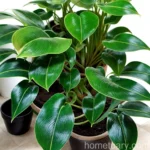
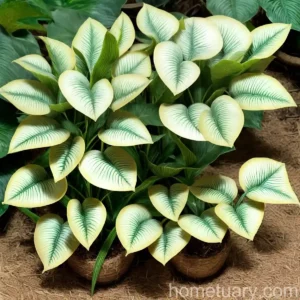
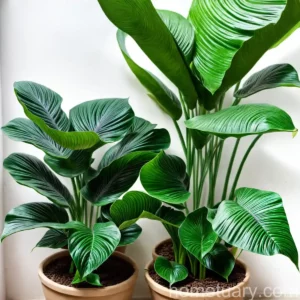
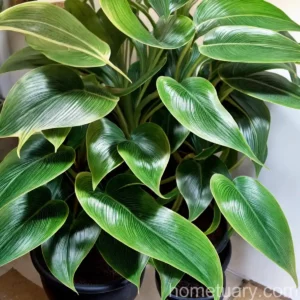
The Beautiful Flask Philodendron ( Philodendron Martianum)
Flask Philodendron, scientifically known as Philodendron Martianum, is a stunning terrestrial plant celebrated for its remarkable aesthetic appeal and low-maintenance nature. Its unique characteristics and adaptability have made it a popular choice among plant enthusiasts and interior decorators alike. In this comprehensive guide, we will delve into the various aspects of caring for and cultivating the Flask Philodendron, encompassing its culture, uses, water requirements, sunlight preferences, soil needs, propagation techniques, and much more.
Key Takeaways – Flask Philodendron ( Philodendron Martianum)
Before we immerse ourselves in the intricate details of cultivating and nurturing the Flask Philodendron, let’s glance at some key takeaways that will guide our journey throughout this blog post:
- Flask Philodendron ( Philodendron Martianum) is a terrestrial plant celebrated for its striking visual appeal and adaptability.
- Understanding its characteristics, growth patterns, and soil requirements is crucial for successful cultivation.
- Flask Philodendron is a popular choice for indoor gardening, owing to its low-maintenance nature and air purification abilities.
- From propagation and pruning to water needs and light preferences, every aspect of this plant demands attention and care.
- By exploring its unique leaf structure, growth rate, and variegated varieties, we will gain a comprehensive understanding of the Flask Philodendron’s diverse attributes.
With these key takeaways in mind, let’s embark on a journey to uncover the enchanting world of Flask Philodendron and equip ourselves with the knowledge and expertise needed to nurture and appreciate this captivating plant.
What is Plant: Flask Philodendron (Philodendron Martianum)
Introduction to Flask Philodendron
The Flask Philodendron, botanically classified as Philodendron Martianum, is a charismatic member of the Araceae family, renowned for its captivating foliage and adaptability. This tropical plant thrives in warm, humid environments, making it an ideal candidate for indoor cultivation in various climate zones. Its vibrant green leaves, often adorned with unique patterns and variegation, add an exquisite touch of greenery to any space, while its low-maintenance nature makes it a desirable choice for both seasoned gardeners and beginners.
As we delve deeper into the world of Flask Philodendron, we will explore its culture, uses, water requirements, sunlight preferences, fertilizer needs, soil requirements, pruning techniques, propagation methods, container gardening tips, common diseases, pest control measures, and a myriad of other aspects essential for understanding and nurturing this remarkable plant.
Culture
Understanding Flask Philodendron’s Cultural Needs
Cultivating the Flask Philodendron encompasses a multitude of cultural practices that promote its growth and overall well-being. From understanding its natural habitat to providing the optimal growing conditions, mastering the culture of Flask Philodendron is pivotal in fostering lush foliage and vibrant growth. Let’s delve into the cultural aspects of caring for the Flask Philodendron:
Natural Habitat
Philodendron Martianum, also known as the Flask Philodendron, is indigenous to the tropical regions of Central and South America, where it thrives in the rich, moist soils of rainforests and humid environments. The natural habitat of the Flask Philodendron provides valuable insights into its cultural needs, shedding light on its preferences for warmth, humidity, and filtered sunlight.
Temperature Requirements
Flask Philodendron thrives in warm and humid conditions, with an ideal temperature range of 65-85°F (18-29°C). It is essential to provide stable temperatures and avoid exposing the plant to cold drafts or sudden temperature fluctuations, which can impede its growth and resilience.
Light Preferences
When it comes to light, Flask Philodendron displays a preference for bright, indirect sunlight. While it can tolerate lower light conditions, providing ample indirect light is crucial for promoting robust growth and vibrant foliage. Direct exposure to intense sunlight should be avoided, as it can lead to leaf scorching and diminished plant health.
Water Needs
In their natural habitat, Philodendron Martianum receives consistent moisture from the humid air and occasional rain showers. When cultivated as houseplants, Flask Philodendron benefits from regular watering to maintain evenly moist but not waterlogged soil. Adequate drainage is critical to prevent waterlogged conditions, which can lead to root rot and other moisture-related issues.
Humidity Requirements
Given its tropical origins, Flask Philodendron thrives in humid environments. While it can adapt to lower humidity levels, providing increased humidity through occasional misting, humidifiers, or placement on pebble trays can enhance its overall well-being and promote lush foliage.
Uses
Harnessing the Versatility of Flask Philodendron
Appreciating the Flask Philodendron extends beyond its ornamental value, as this versatile plant offers a multitude of uses and benefits. From its role in indoor gardening to its air-purifying abilities, the Flask Philodendron holds significant potential in various applications. Let’s explore the diverse uses of Philodendron Martianum:
Indoor Gardening
Flask Philodendron is a popular choice for indoor gardening, adorning living spaces, offices, and commercial interiors with its vibrant foliage and graceful presence. Its adaptability to low light conditions and minimal care requirements make it an ideal companion for both seasoned gardeners and those new to plant care.
Air Purification
Flask Philodendron is renowned for its air-purifying qualities, as it effectively removes toxins such as formaldehyde and benzene from indoor environments. Its lush foliage acts as a natural air filter, enhancing the air quality and fostering a healthier living or working space.
Aesthetic Enhancement
The visually appealing foliage of Philodendron Martianum serves as an exquisite decorative element, adding a touch of natural elegance to any setting. Whether grown in hanging baskets, displayed in pots, or utilized in vertical gardens, Flask Philodendron enhances the aesthetic appeal of both indoor and outdoor spaces.
Therapeutic Benefits
Engaging with plants, including nurturing and appreciating the Flask Philodendron, can contribute to stress reduction and overall well-being. Its presence in indoor environments has been linked to promoting relaxation and providing a sense of tranquility, accentuating its role beyond mere ornamental value.
Water
Nurturing Flask Philodendron: Watering Best Practices
Understanding the water needs of Flask Philodendron is fundamental in promoting its growth and vitality. From maintaining optimal soil moisture to preventing water-related issues, mastering the art of watering is pivotal for plant care. Let’s delve into the best practices for watering Philodendron Martianum:
Soil Moisture
Flask Philodendron thrives in evenly moist but well-draining soil. When watering the plant, it is essential to ensure that the soil is thoroughly moistened, allowing excess water to drain freely from the pot. However, waterlogged conditions should be avoided, as they can lead to root rot and other moisture-related ailments.
Watering Frequency
The frequency of watering Flask Philodendron is influenced by various factors, including environmental conditions, pot size, and soil composition. As a general guideline, it is advisable to water the plant when the top inch of the soil feels dry to the touch. Regularly monitoring the soil moisture and adjusting the watering frequency accordingly is key to maintaining optimal growing conditions.
Water Quality
Using high-quality water is critical for the well-being of Flask Philodendron, as it reduces the risk of mineral buildup and waterborne contaminants. Ideally, distilled water, rainwater, or filtered water free from chlorine and fluoride should be utilized for watering the plant, ensuring that it receives clean and suitable moisture.
Seasonal Adjustments
Seasonal variations impact the water needs of Flask Philodendron, necessitating adjustments in watering frequency to accommodate changing environmental conditions. During the growing season or warmer months, the plant may require more frequent watering, while reduced watering may be appropriate in the dormant or cooler periods.
Sunlight
Harnessing the Power of Light: Sunlight Preferences for Flask Philodendron
Understanding the sunlight preferences of Flask Philodendron is essential for providing the optimal light conditions that promote its growth and vitality. While this versatile plant can adapt to various light conditions, providing suitable exposure to sunlight contributes to its lush foliage and overall well-being. Let’s explore the sunlight preferences of Philodendron Martianum:
Indirect Sunlight
Flask Philodendron thrives in bright, indirect sunlight, making it well-suited for placement near east or west-facing windows where it can receive ample, filtered light. Indirect sunlight mimics the plant’s natural habitat, allowing it to photosynthesize and grow without the risk of direct sun exposure, which can lead to leaf damage and diminished plant health.
Tolerant of Low Light
While Flask Philodendron prefers bright, indirect sunlight, it exhibits remarkable adaptability to lower light conditions. This resilience makes it a suitable choice for indoor environments with limited natural light, as it can thrive and maintain its foliage even in shaded or partially shaded areas.
Avoiding Direct Sunlight
Direct sunlight should be avoided, as it can cause leaf scorching and damage to the plant’s delicate foliage. Excessive exposure to intense sunlight can lead to discoloration, wilting, and diminished overall health, highlighting the importance of providing ample but filtered light for Philodendron Martianum.
Adjusting Light Exposure
Monitoring the plant’s response to light exposure is essential in determining the ideal placement for Flask Philodendron. Observing any signs of stress such as leaf browning or wilting can aid in adjusting its light exposure and ensuring that it receives the suitable amount of indirect sunlight for robust growth.
Fertilizer
Nourishing Flask Philodendron: Fertilization Guidelines
Providing the Flask Philodendron with essential nutrients through balanced fertilization is integral to promoting its growth and sustaining its lush foliage. Understanding the fertilization needs and best practices for Philodendron Martianum offers valuable insights into nurturing this captivating plant. Let’s delve into the guidelines for fertilizing Flask Philodendron:
Balanced Fertilizer
Selecting a balanced, water-soluble fertilizer formulated for foliage plants is recommended for nourishing Flask Philodendron. A balanced fertilizer with a ratio such as 20-20-20 or 10-10-10 provides essential macronutrients and micronutrients, supporting the plant’s overall health and facilitating lush, vibrant foliage.
Frequency of Fertilization
During the active growing season, typically from spring to early fall, Flask Philodendron benefits from regular fertilization every 4-6 weeks. Applying fertilizer during the growing season provides the plant with the necessary nutrients to support robust growth and vibrant foliage.
Dilution and Application
Fertilizer should be diluted to half the recommended strength to prevent the risk of overfeeding and potential salt buildup in the soil. The diluted fertilizer can be applied to the moistened soil, ensuring that the plant receives the nutrients during its active growth period.
Avoiding Overfertilization
Overfertilization can lead to salt buildup, root damage, and diminished plant health. As a preventive measure, it is crucial to refrain from excessive fertilization and adhere to the recommended frequency and dosage to maintain a healthy balance of nutrients for Flask Philodendron.
Seasonal Adjustments
During the dormant season, typically in winter, fertilization should be reduced or withheld to align with the plant’s decreased metabolic activity. Adjusting the fertilization schedule based on seasonal variations ensures that the Flask Philodendron receives the appropriate nutrients without imposing stress during its dormant phase.
Soil
Cultivating Philodendron Martianum: Soil Requirements
The soil composition plays a critical role in fostering the growth and vitality of Flask Philodendron, influencing its moisture retention, nutrient uptake, and overall root health. Understanding the soil requirements best suited for Philodendron Martianum provides a solid foundation for successful cultivation. Let’s explore the soil needs of the Flask Philodendron:
Well-Draining Soil
Flask Philodendron thrives in well-draining soil that strikes a balance between moisture retention and aeration. A high-quality potting mix formulated for aroids, such as Philodendron and other tropical plants, provides the ideal growing medium for maintaining healthy root systems and preventing waterlogged conditions.
Organic Matter Content
Incorporating organic matter, such as peat moss, coconut coir, or compost, into the potting mix enhances its water retention capabilities and promotes nutrient availability for Flask Philodendron. The presence of organic matter supports the overall soil structure and contributes to the plant’s well-being.
pH Level
The ideal pH range for the soil is slightly acidic to neutral, typically ranging from 6.0 to 7.0, which facilitates optimal nutrient uptake and root development for Flask Philodendron. Regularly monitoring the soil pH and adjusting it as needed ensures that the plant can access essential nutrients without encountering pH-related issues.
Aeration and Structure
Providing adequate aeration and structure within the soil promotes root respiration and healthy root growth for Flask Philodendron. The inclusion of perlite, vermiculite, or coarse sand in the potting mix enhances its porosity and prevents compaction, facilitating optimal root development and overall plant vigor.
Pot Selection
Selecting a suitable pot with drainage holes is fundamental for maintaining the health of Flask Philodendron. A well-draining pot allows excess water to escape, preventing waterlogged conditions and promoting healthy growth. Additionally, choosing a pot with ample room for root expansion accommodates the plant’s growth trajectory.
Pruning
Sculpting Natural Elegance: Pruning Techniques for Flask Philodendron
Pruning is a vital aspect of maintaining the visual appeal and health of Flask Philodendron, allowing gardeners to sculpt its growth and foster lush foliage. Understanding the pruning techniques and best practices for Philodendron Martianum empowers plant enthusiasts to shape and nurture this captivating plant. Let’s explore the pruning techniques for Flask Philodendron:
Removing Dead or Damaged Foliage
Regularly inspecting Flask Philodendron for dead, yellowing, or damaged leaves enables gardeners to remove these non-functional parts, promoting overall plant health and aesthetics. Pruning away deteriorating foliage prevents the spread of diseases and redirects the plant’s energy towards new growth.
Shaping and Controlling Growth
Pruning can be used to shape and control the growth of Flask Philodendron, encouraging a bushy and compact form. Trimming back leggy or excessively long stems promotes a fuller appearance, while removing overgrown or unruly branches aids in maintaining the desired plant structure.
Propagation Through Pruning
Certain pruning methods, such as stem cuttings, provide opportunities for propagating new plants from the pruned sections of Flask Philodendron. By taking stem cuttings and allowing them to root in suitable conditions, gardeners can expand their collection of Philodendron Martianum and share the beauty of this plant with others.
Sterilizing Tools
Before engaging in pruning activities, it is essential to sterilize the pruning tools to prevent the spread of diseases and ensure clean, precise cuts. Disinfecting the tools with a solution of 70% alcohol or a commercial sterilizing agent minimizes the risk of transmitting pathogens between plants during the pruning process.
Monitoring Growth Response
Observing the plant’s response to pruning and assessing its recovery and subsequent growth aids in determining the effectiveness of the pruning techniques employed. Monitoring the growth patterns and foliage development post-pruning provides valuable insights into the plant’s vigor and response to the shaping process.
Propagation
Multiplying Natural Beauty: Propagation Techniques for Flask Philodendron
Propagating Flask Philodendron offers an exciting opportunity to expand the plant collection, share its beauty with others, and engage in the rewarding process of nurturing new plants. Understanding the propagation techniques and best practices for Philodendron Martianum enables plant enthusiasts to propagate this captivating plant with confidence. Let’s explore the propagation methods for Flask Philodendron:
Stem Cuttings
Stem cuttings are a popular and effective method for propagating Flask Philodendron, allowing gardeners to create new plants from the pruned sections of the parent plant. By taking 4-6 inch (10-15 cm) cuttings from healthy stems and rooting them in a suitable growing medium, such as water or moistened potting mix, gardeners can encourage the development of new roots and subsequent growth.
Node Propagation
Nodes, the points on the stem where leaves emerge, serve as potential sites for root development in Flask Philodendron. By selecting healthy stems with prominent nodes and providing the appropriate humidity and warmth, gardeners can facilitate the rooting of nodes, leading to the emergence of new plants from these vegetative propagules.
Aerial Root Propagation
In some cases, Flask Philodendron develops aerial roots, which can be utilized for propagation by carefully detaching them and encouraging their growth in a suitable environment. Aerial roots, once rooted and established, can give rise to new plants, serving as a unique method for multiplying the natural beauty of Philodendron Martianum.
Soil Conditions for Rooting
Creating a conducive environment for rooting is pivotal in successful propagation. For stem cuttings and nodes, a well-draining potting mix that retains moisture without becoming waterlogged provides an optimal medium for initiating root development. Keeping the growing medium consistently moist and providing indirect light accelerates the rooting process.
Temperature and Humidity
Maintaining stable temperature and humidity levels promotes the success of propagation efforts. Warm, humid conditions aid in the development of roots, and utilizing propagation chambers, humidity domes, or misting systems creates an environment conducive to root initiation and subsequent plant establishment.
Container
Flourishing in Confines: Container Gardening Tips for Flask Philodendron
Cultivating Flask Philodendron in containers offers versatile options for incorporating this captivating plant into indoor and outdoor settings, whether it’s displayed as a focal point or as part of an ensemble of greenery. Understanding the container gardening tips and best practices for Philodendron Martianum enables gardeners to harness the full potential of this adaptable and visually appealing plant. Let’s explore the container gardening tips for Flask Philodendron:
Selecting Appropriate Containers
Choosing suitable containers with drainage holes is essential for promoting the health of Flask Philodendron. Containers with ample room for root growth and proper drainage facilitate the establishment of healthy root systems, while preventing waterlogged conditions that can impede the plant’s growth.
Potting Mix Considerations
Utilizing a high-quality potting mix formulated for aroids, tropical plants, or foliage plants provides the essential growing medium for Flask Philodendron. The potting mix should offer a balance between moisture retention and aeration, promoting healthy root development and overall plant vigor within the confines of the container.
Container Size and Growth Trajectory
Selecting an appropriately sized container that accommodates the growth trajectory and root expansion of Flask Philodendron is pivotal for maintaining its health and vitality. The chosen container should allow ample space for the plant’s roots and provide adequate soil volume for supporting robust growth.
Placement and Display
The placement of the container-grown Flask Philodendron influences its exposure to light, humidity, and overall visual impact. Positioning the plant in areas with bright, indirect light and suitable humidity levels contributes to its well-being, while showcasing its aesthetic appeal as a decorative element in living spaces, offices, or outdoor patios.