Philodendron Hope Selloum (Philodendron Bipinnatifidum)
Philodendron Hope Selloum, also known as Philodendron bipinnatifidum, is a popular plant known for its beautiful decorative foliage and ease of care. In.
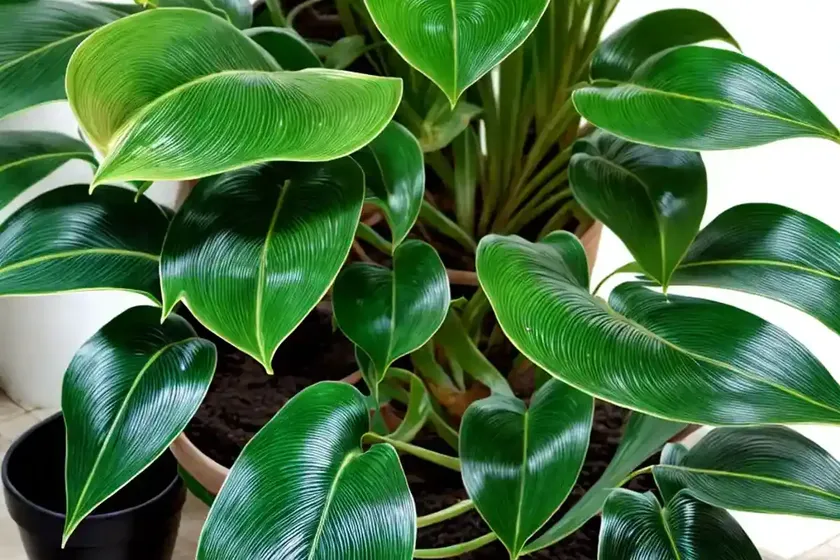
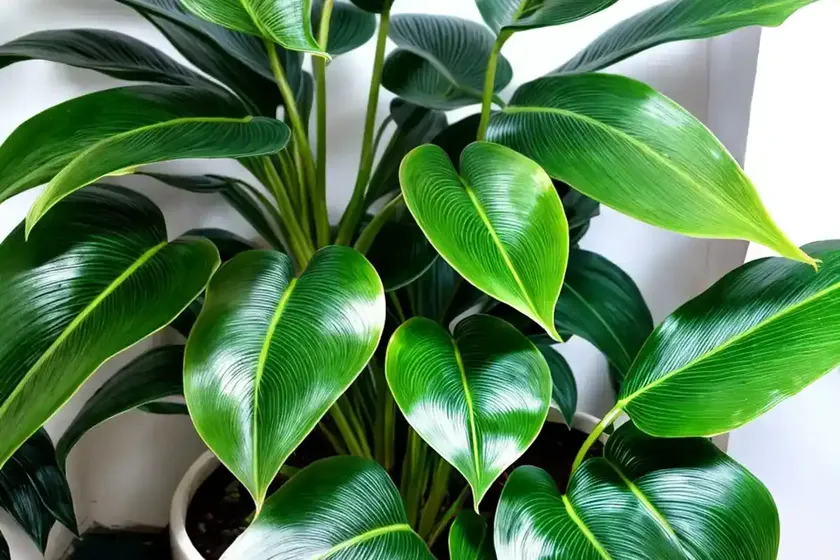
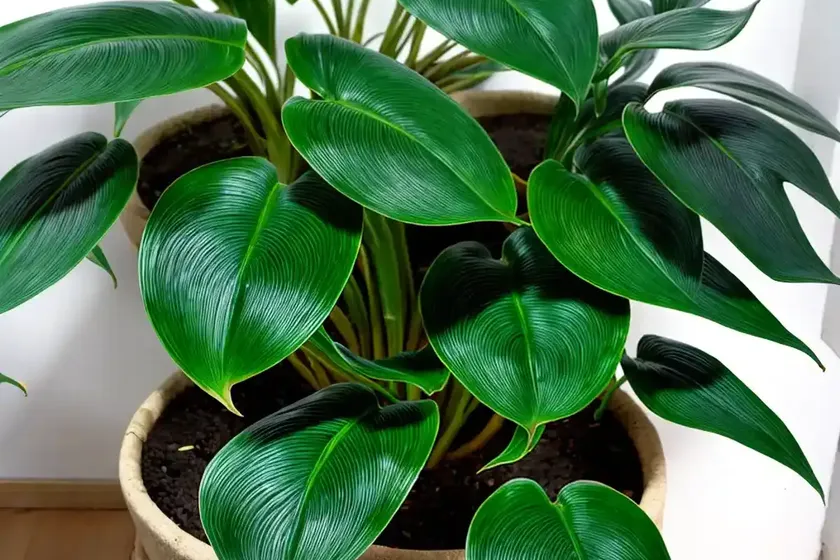
Philodendron Hope Selloum, also known as Philodendron bipinnatifidum, is a popular plant known for its beautiful decorative foliage and ease of care. In this comprehensive guide, we will delve into the various aspects of this plant, including its culture, uses, water and sunlight requirements, fertilizer and soil needs, pruning techniques, propagation, common diseases and pests, as well as some interesting fun facts and botanist’s tips. Whether you’re a beginner or an experienced plant enthusiast, this guide will provide you with all the essential information you need to understand and care for Philodendron Hope Selloum effectively.
What is Philodendron Hope Selloum (Philodendron bipinnatifidum)?
Philodendron Hope Selloum, scientifically known as Philodendron bipinnatifidum, is a tropical plant belonging to the Araceae family. This evergreen perennial plant is native to the rainforests of South America and is loved for its large, deeply lobed leaves that add a lush, tropical touch to any indoor or outdoor space.
Key Takeaways – Philodendron Hope Selloum (Philodendron bipinnatifidum):
- Scientific Name: Philodendron bipinnatifidum
- Common Name: Philodendron Hope Selloum
- Family: Araceae
- Native Habitat: South America
- Growth Habit: Evergreen perennial
- Plant Type: Tropical foliage plant
- Popular Uses: Indoor and outdoor ornamental plant
- Toxicity: Non-toxic to pets
Now that we have a brief overview of Philodendron Hope Selloum, let’s explore the essential care requirements for this stunning plant.
Culture
Water
Philodendron Hope Selloum prefers consistently moist soil, but it’s essential to avoid waterlogging, which can lead to root rot. Water the plant when the top inch of the soil feels dry, and ensure proper drainage to prevent water accumulation in the pot.
Watering Tips:
– Water moderately, and allow the top layer of soil to dry between waterings.
– Use room-temperature water to avoid shocking the plant.
– Ensure effective drainage to prevent water stagnation.
Sunlight
When it comes to sunlight requirements, Philodendron Hope Selloum thrives in bright, indirect light. It can also tolerate lower light conditions, but prolonged lack of light may affect its growth and foliage color. Avoid direct sunlight, as it can scorch the leaves.
Sunlight Requirements:
– Provide bright, indirect light for optimal growth.
– Shield the plant from direct sunlight to prevent leaf damage.
– Tolerant of low-light conditions but may grow slower in such environments.
Fertilizer
Fertilizing the Philodendron Hope Selloum is essential to support its growth and maintain vibrant foliage. During the growing season, feed the plant with a balanced liquid fertilizer every 4-6 weeks to supply essential nutrients.
Fertilizer Needs:
– Use a balanced liquid fertilizer with equal N-P-K ratios.
– Apply fertilizer during the growing season for best results.
– Dilute the fertilizer to half-strength to avoid over-fertilization.
Soil
The right soil mix is crucial for the health and growth of Philodendron Hope Selloum. A well-draining, peat-based potting mix with added perlite or coarse sand is ideal for maintaining the right balance of moisture and aeration.
Soil Requirements:
– Choose a well-draining, peat-based potting mix.
– Add perlite or coarse sand for improved drainage.
– Ensure the pot has drainage holes to prevent waterlogging.
Pruning
Regular pruning is beneficial for maintaining the shape and size of Philodendron Hope Selloum. Trim yellowing or damaged leaves, and prune to control the plant’s size and encourage bushier growth.
Pruning Techniques:
– Trim yellow or damaged leaves to promote new growth.
– Pinch back leggy stems to encourage bushier growth.
– Use clean, sharp pruning shears to avoid damaging the plant.
Propagation
Philodendron Hope Selloum can be propagated through stem cuttings. This is a simple and effective method to create new plants from an existing specimen.
Propagation Method:
– Take a stem cutting with a node and at least one leaf.
– Place the cutting in water or a well-draining potting mix.
– Keep the cutting in a warm, humid environment for successful root formation.
Container
Popularity
The popularity of Philodendron Hope Selloum as a houseplant stems from its attractive foliage, low-maintenance nature, and air-purifying qualities. It’s commonly found in homes, offices, and indoor landscapes, adding a touch of tropical elegance to the surroundings.
Popularity as a Houseplant:
– Grown indoors for its decorative foliage.
– Adaptable to a variety of indoor environments.
– Adds a tropical ambiance to interior spaces.
Common Diseases
Philodendron Hope Selloum is relatively resistant to diseases, but it can be susceptible to certain fungal infections and leaf spots if not provided with adequate care.
Disease Diagnosis:
– Monitor for signs of fungal infections, such as leaf spots or wilting.
– Provide proper air circulation and avoid overwatering to prevent diseases.
– Treat early signs of disease with appropriate fungicides or treatments.
Common Pests
While generally resilient, Philodendron Hope Selloum can attract common pests such as aphids, mealybugs, and scales. Regular inspection and appropriate measures can help keep these pests at bay.
Common Pests:
– Inspect the plant regularly for signs of aphids, mealybugs, or scales.
– Use neem oil or insecticidal soap to control pest infestations.
– Isolate affected plants to prevent pests from spreading.
Botanist’s Tips
Fun Facts
- Philodendron Hope Selloum is known for its air-purifying abilities, making it an excellent choice for indoor environments.
- This plant is often used in interior landscaping due to its low maintenance and tropical appearance.
- Philodendron Hope Selloum is not just visually appealing, but it also plays a role in purifying the air by removing toxins and allergens.
Links to External Resources
For further exploration of Philodendron Hope Selloum and its care requirements, additional resources are available for in-depth study and reference:
– The American Philodendron Society
– Royal Horticultural Society – Philodendron Care
– University of Florida IFAS Extension – Philodendron bipinnatifidum
– Missouri Botanical Garden – Plant Finder
In conclusion, Philodendron Hope Selloum, or Philodendron bipinnatifidum, is a captivating foliage plant that brings a touch of the tropics to indoor and outdoor spaces. With the right care, it can thrive and grace its surroundings with its lush, decorative leaves. By understanding its cultural needs, propagation techniques, and pest management, plant enthusiasts can cultivate and enjoy the beauty of this versatile plant. Whether you’re a beginner or an experienced gardener, Philodendron Hope Selloum is a rewarding plant to nurture, adding green elegance and a breath of fresh air to any setting.
Through this comprehensive guide, we hope to provide valuable insights into the care and appreciation of Philodendron Hope Selloum, enhancing the experience of cultivating and enjoying this remarkable plant.
References:
- “American Philodendron Society” https://www.philodendron.com/
- “Royal Horticultural Society – Philodendron Care” https://www.rhs.org.uk
- “University of Florida IFAS Extension – Philodendron bipinnatifidum” https://gardeningsolutions.ifas.ufl.edu/
- “Missouri Botanical Garden – Plant Finder” http://www.missouribotanicalgarden.org