Plant Scientist’s Guide to Tree Echium (Echium Pininana)
In our journey through the fascinating world of plants, we often encounter species that not only captivate us with their stunning beauty, but also contribute to the ecological balance and provide various practical uses. One such remarkable plant is the Tree Echium, scientifically known as Echium pininana. This blog post will serve as a comprehensive guide to understanding, cultivating, and caring for this extraordinary plant.
What is Tree Echium (Echium Pininana)?
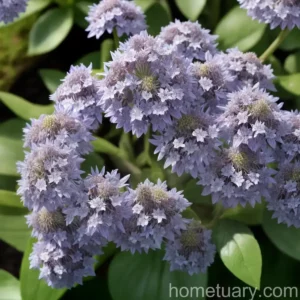
Tree Echium, or Echium pininana, is a species of flowering plant in the family Boraginaceae. It is native to the Canary Islands and is widely admired for its striking appearance. Characterized by towering spires of blue, funnel-shaped flowers and large, lance-shaped leaves, Echium pininana is often referred to as a biennial or monocarpic perennial.
The plant’s impressive height, which can reach up to 3 meters (10 feet) or even taller, has earned it the common names “Tree Echium” and “Giant Viper’s Bugloss.” This awe-inspiring stature, coupled with its visually arresting blooms, makes Tree Echium a desirable addition to gardens, particularly those seeking to create a dramatic focal point or attract pollinators.
Now, let’s delve into the nuances of caring for and fostering the growth of Tree Echium, exploring aspects such as culture, uses, water, sunlight, fertilizer, soil, pruning, propagation, and its popularity in container gardening.
Key Takeaways – Tree Echium (Echium Pininana)
Culture
-
Climate: Tree Echium thrives in mild, maritime climates, similar to its native habitat in the Canary Islands. It prefers temperatures that do not exceed 90°F (32°C) and is sensitive to extreme heat.
-
Hardiness Zone: When grown as an annual, Tree Echium can be cultivated in a wide range of hardiness zones, typically zones 3-11. However, as a biennial or short-lived perennial, it may require specific conditions to overwinter and successfully bloom in subsequent years.
-
Growth Habit: This species exhibits a rosette growth habit in its first year, followed by the emergence of a tall, flower-bearing stalk in the second year. After flowering and setting seeds, the individual plant typically dies, but its prolific seed production ensures the perpetuation of the species.
Uses
-
Ornamental: Primarily cultivated for its ornamental value, Tree Echium serves as an awe-inspiring, vertical element in gardens and landscapes. Its vibrant blooms attract bees, butterflies, and other pollinators, enhancing biodiversity and ecological balance.
-
Medicinal: While predominantly recognized for its visual appeal, certain species within the Echium genus have been traditionally used in herbal medicine. However, it is crucial to consult reliable sources and experts before using any plant for medicinal purposes.
-
Wildlife Habitat: By serving as a nectar source for pollinators, Tree Echium contributes to the creation of wildlife-friendly habitats. Its ample seed production also supports diverse bird populations.
Water
-
Watering Needs: While adapting to periods of moderate drought, Tree Echium appreciates regular watering, particularly during its active growth stages. However, it is crucial to ensure well-draining soil to prevent waterlogged conditions, which can lead to root rot.
-
Moisture and Humidity: The plant benefits from consistent moisture during its early growth stages. In regions with low humidity, providing occasional misting or supplemental watering can aid in maintaining adequate moisture levels.
Sunlight
-
Sun Exposure: Tree Echium flourishes in full sun to partial shade, with a preference for at least 6-8 hours of direct sunlight daily. In regions with scorching summers, providing some afternoon shade can protect the plant from excessive heat stress while preserving its vigor.
-
Indoor Cultivation: When growing Tree Echium indoors, ensure access to ample sunlight, either through south- or west-facing windows or supplementary lighting from high-quality grow lights.
Fertilizer
-
Nutrient Balance: Prioritize the use of a well-balanced, slow-release fertilizer formulated for flowering plants. A balanced NPK (Nitrogen, Phosphorus, Potassium) ratio, supplemented with micronutrients, supports robust growth and prolific flowering.
-
Application Frequency: Apply fertilizer to Tree Echium every 4-6 weeks during its active growing season. Reduce or discontinue fertilization during the plant’s dormant phases.
Soil
-
Soil Type: Tree Echium thrives in well-draining, loamy soil with a slightly acidic to neutral pH (6.0-7.0). Amending heavy clay soils with organic matter such as compost improves drainage and enhances soil structure.
-
Container Cultivation: When cultivating Tree Echium in containers, opt for a high-quality, well-draining potting mix designed for flowering perennials. Consider adding perlite or coarse sand to further improve drainage.
Pruning
-
Deadheading: Regularly remove spent flowers to encourage prolonged blooming and prevent the plant from expending energy on seed production.
-
Maintenance Pruning: Trim back any damaged or yellowing foliage as needed. Additionally, as the plant’s flowering period concludes, cut back the spent flower stalk to stimulate potential secondary blooms and maintain an attractive appearance.
Propagation
-
Seed Propagation: Due to its prolific seed production, Tree Echium readily self-seeds in favorable growing conditions. Collecting and sowing viable seeds from mature plants can facilitate propagation.
-
Division: In some cases, division of the rosettes can be considered, particularly when managing overcrowded growth or when seeking to establish new plantings from existing specimens.
Container Popularity
Exemplifying its adaptability to container cultivation, Tree Echium has garnered popularity among gardeners and landscapers for various reasons:
-
Vertical Element: When placed in container gardens, Tree Echium’s towering stature creates a captivating vertical dimension, especially in spaces with limited ground area.
-
Mobile Focal Point: The mobility of containers allows for strategic placement of Tree Echium to accentuate specific areas or provide visual interest in various settings.
-
Overwintering Control: In regions with challenging winter conditions, container-grown Tree Echium can be maneuvered to more sheltered locations or indoors to protect it from frost or extreme cold.
-
Landscape Flexibility: From urban balconies to spacious patios, the adaptability of container cultivation enables Tree Echium to thrive in diverse landscapes, including coastal and inland environments.
Common Diseases
While Tree Echium is generally resilient, it may be susceptible to certain diseases, particularly under adverse growing conditions. Commonly encountered diseases include:
-
Powdery Mildew: Fungal spores cause a powdery, white coating on the plant’s foliage, potentially leading to stunted growth and flower deformation. Ensure proper spacing and ventilation to mitigate the risk of powdery mildew.
-
Root Rot: Prolonged waterlogged conditions can compromise the health of Tree Echium, resulting in root rot. Implementing proper drainage and avoiding overwatering are crucial preventive measures.
-
Crown Rot: This condition, characterized by the decay of the plant’s crown and stem base, can be attributed to consistently damp and humid environments. Enhancing air circulation and applying well-draining soil amendments can aid in preventing crown rot.
Disease Diagnosis
When recognizing potential diseases impacting Tree Echium, it is imperative to conduct a thorough assessment of the plant’s symptoms:
-
Visual Examination: Carefully inspect the leaves, stems, and flowers for any discoloration, unusual spots, or abnormal growth patterns.
-
Texture Analysis: Note any changes in the texture of the plant’s tissues, such as wilting, softening, or unusual powdery coatings.
-
Environmental Factors: Assess the prevailing environmental conditions, including moisture levels, sunlight exposure, and air circulation, to identify potential causal factors.
Upon identifying potential disease indicators, promptly consult with a horticulturist, plant pathologist, or experienced garden center to seek accurate diagnosis and explore appropriate treatment options.
Common Pests
Tree Echium may also encounter pest infestations, necessitating vigilant monitoring and proactive management strategies. Common pests that may target this plant species include:
-
Aphids: Small, sap-feeding insects that cluster on tender shoots and flower buds, potentially causing stunted growth and distortion of new foliage.
-
Spider Mites: These minuscule arachnids can create fine webbing on the undersides of leaves and cause stippling or yellowing of foliage as they feed on plant fluids.
-
Slugs and Snails: These mollusks are nocturnal feeders and can damage the plant’s foliage by creating irregular, ragged holes.
When addressing pest issues, consider employing integrated pest management (IPM) techniques, which encompass preventive cultural practices, biological controls, and targeted, judicious use of eco-friendly pest control products when necessary.
Botanist’s Tips
Empower your cultivation and nurturing of Tree Echium by integrating these insights:
-
Companion Planting: Pair Tree Echium with companion plants that share similar cultural requirements and complement its visual appeal, fostering a harmonious and thriving garden ecosystem.
-
Mulching: Apply a layer of organic mulch around the base of Tree Echium to conserve soil moisture, suppress weeds, and provide a protective barrier during temperature fluctuations.
-
Winter Protection: In regions with challenging winters, safeguard Tree Echium from frost and cold winds by implementing protective coverings or temporary structures to shield the plant.
-
Educational Outreach: Embrace the role of a plant ambassador by sharing knowledge about Tree Echium with fellow gardening enthusiasts and community members, fostering appreciation for its ecological significance and beauty.
Fun Facts
Exploring the intriguing facets of Tree Echium unveils several captivating and surprising details:
-
Biennial Blooms: Tree Echium’s towering flower spikes manifest in its second year of growth, culminating in a magnificent display of azure blossoms. Following this grand spectacle, the plant typically completes its life cycle, producing an abundance of seeds for future generations.
-
Ecological Interaction: The nectar-rich flowers of Tree Echium entice diverse pollinators, including bees, butterflies, and hummingbirds, enriching the local ecosystem and contributing to the pollination of surrounding plant life.
-
Global Cultivation: Beyond its native range in the Canary Islands, Tree Echium has captivated gardeners and horticulturalists worldwide, establishing its presence in temperate and subtropical regions.
Links to External Resources
To further expand your understanding of Tree Echium and delve into advanced insights, consider exploring the following reputable resources:
- Royal Horticultural Society (RHS) – Echium pininana
- Missouri Botanical Garden – Echium pininana
- University of California, Agriculture and Natural Resources – Echiums
In conclusion, the cultivation of Tree Echium, or Echium pininana, offers a rewarding and enriching horticultural experience. Through its majestic presence, ecological contributions, and ornamental value, this plant embodies both beauty and substance, beckoning enthusiasts to explore its nuances and embrace its role in sustainable gardening practices.
May your journey with Tree Echium be filled with awe-inspiring blooms and a deeper appreciation for the marvels of the botanical world. Happy gardening!
References:
1. RHS. “Echium Pininana.” https://www.rhs.org.uk/Plants/332597/Echium-pininana/Details
2. Missouri Botanical Garden. “Echium Pininana.” https://www.missouribotanicalgarden.org/PlantFinder/PlantFinderDetails.aspx?kempercode=d429
3. University of California, Agriculture and Natural Resources. “Echiums.” http://ipm.ucanr.edu/PMG/GARDEN/PLANTS/echium.html