Five-Stamened Spurry (Spergula Pentandra)
Plants are one of the most diverse and crucial components of our planet’s ecosystems. From lush rainforests to arid deserts, they thrive in almost every.
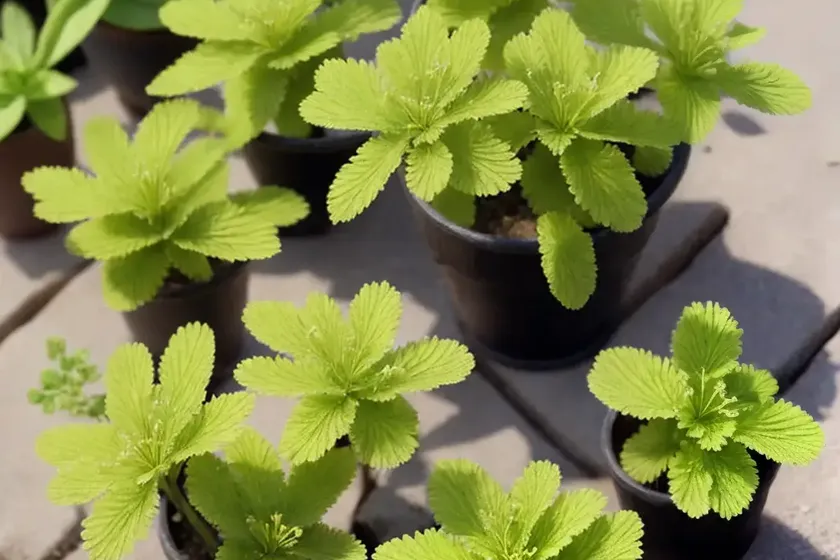
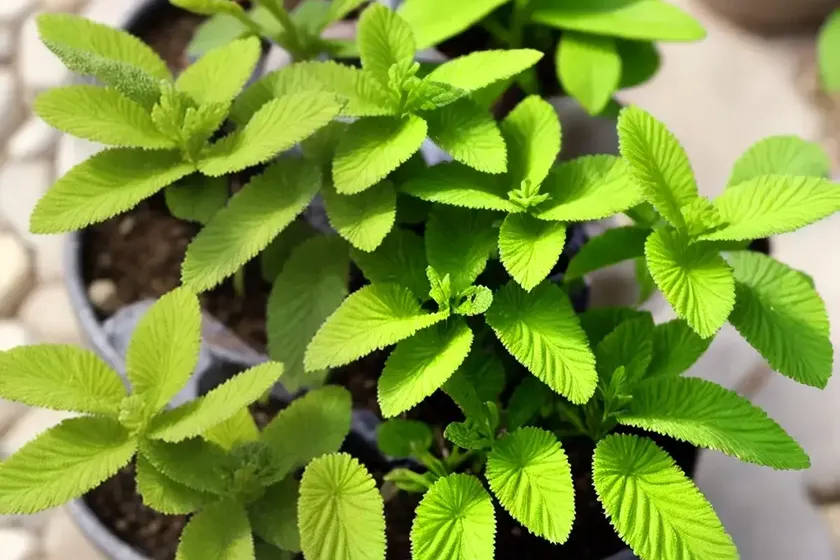
Plants are one of the most diverse and crucial components of our planet’s ecosystems. From lush rainforests to arid deserts, they thrive in almost every corner of the Earth, playing a vital role in sustaining life. One such fascinating plant species is the Five-Stamened Spurry (Spergula pentandra), a distinctive and versatile plant that holds both ecological and cultural significance.
In this comprehensive guide, we will delve into the world of Spergula pentandra, exploring its characteristics, cultivation, uses, and much more.
What is the Five-Stamened Spurry (Spergula pentandra)?
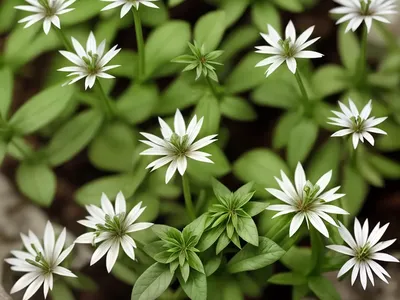
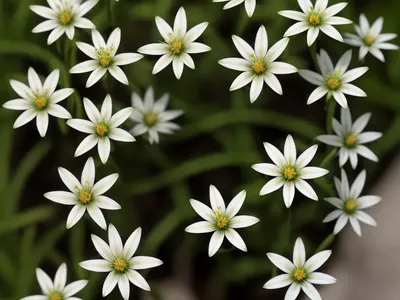
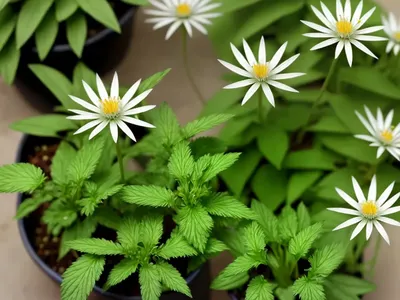
Spergula pentandra, commonly known as Five-Stamened Spurry, belongs to the family Caryophyllaceae and is native to Europe, Western Asia, and Northern Africa. This herbaceous plant species thrives in a variety of habitats, from grasslands to disturbed areas, and is renowned for its delicate white flowers and slender, erect stems.
Key Takeaways – Five-Stamened Spurry (Spergula pentandra)
Let’s begin our exploration of the Five-Stamened Spurry by delving into its key characteristics and uses.
Culture
- Origin: Europe, Western Asia, and Northern Africa
- Growth Habit: Herbaceous annual or biennial plant
- Flowering Season: Spring to early summer
- Ecological Role: Often found in grasslands, disturbed areas, and agricultural fields
- Floral Characteristics: Delicate white flowers, grouped in clusters atop slender stems
Uses
- Ecological: Valued for its role in supporting pollinators and wildlife
- Ornamental: Often utilized in landscaping for its delicate, airy appearance
- Medicinal: Traditional uses in herbal medicine, though scientific research on its medicinal properties is limited
As we embark on this botanical journey, we will explore the various aspects of Five-Stamened Spurry, from its growth requirements to its cultural and ecological significance.
Growing Conditions and Care Tips for Five-Stamened Spurry
Water
- Sufficient water is crucial for the establishment and growth of Five-Stamened Spurry.
- It is generally adaptive to a range of soil moisture levels, but consistently moist soil is ideal for optimal growth.
Sunlight
- Five-Stamened Spurry thrives in full sun to partial shade conditions.
- It is important to provide adequate sunlight for healthy flowering and overall development.
Fertilizer
- While Five-Stamened Spurry is relatively adaptable to nutrient-poor soils, adding a balanced, all-purpose fertilizer can promote robust growth and flowering.
Soil
- Well-draining, loamy soil is optimal for Five-Stamened Spurry.
- It can tolerate a slightly acidic to slightly alkaline soil pH range.
Pruning
- Minimal pruning is required for Five-Stamened Spurry, primarily for deadheading spent flowers to encourage continuous blooming.
Propagation
- Propagation of Five-Stamened Spurry can be achieved through seed sowing in the early spring or fall.
- It readily self-seeds, contributing to its naturalization in suitable habitats.
Container Popularity
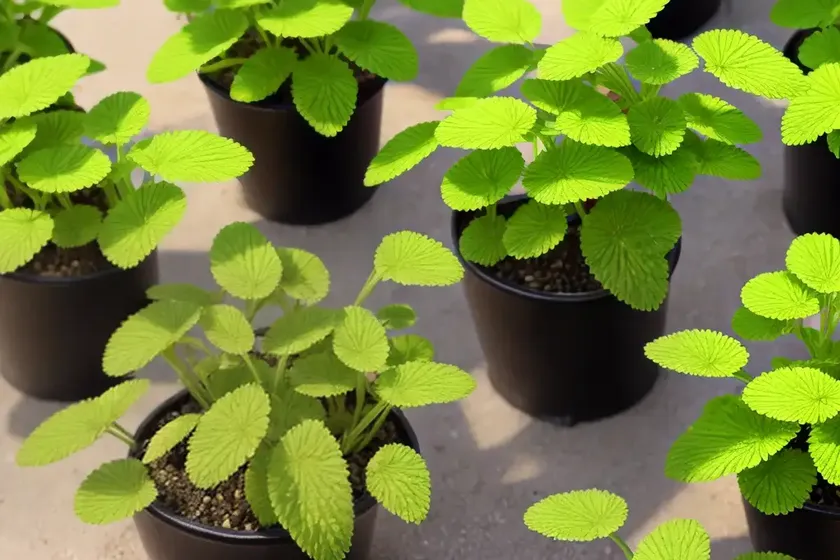
- Five-Stamened Spurry adapts well to container cultivation, particularly in ornamental and pollinator-supporting gardens.
Common Diseases and Pests Affecting Five-Stamened Spurry
Common Diseases
| Disease Name | Symptoms | Management |
|---|---|---|
| Powdery Mildew | White powdery patches on leaves | Improve air circulation, Apply fungicidal spray as needed |
| Root Rot | Wilting, yellowing of foliage | Ensure well-draining soil, Avoid overwatering |
| Leaf Spot | Brown or black spots on leaves | Remove affected foliage, Apply fungicidal spray |
Disease Diagnosis
- Regular inspection of foliage and stems for unusual spots, discoloration, or wilting can aid in early disease detection.
- Consulting with local agricultural extension services or plant health professionals for accurate diagnosis is recommended.
Common Pests
- Aphids, spider mites, and flea beetles are known pests that may affect Five-Stamened Spurry.
- Natural predators and insecticidal treatments can help manage pest infestations effectively.
As with any plant, understanding the potential diseases and pests that may impact Five-Stamened Spurry is essential for maintaining its health and vitality.
Botanist’s Tips for Five-Stamened Spurry Cultivation
1. Native Habitat Mimicry
- Emulate the natural growing conditions of Five-Stamened Spurry, including soil type, moisture levels, and sunlight exposure, for best results.
2. Wildlife-Friendly Landscaping
- Incorporate Five-Stamened Spurry into gardens and landscapes to attract pollinators and support local biodiversity.
3. Seasonal Adaptation
- Adjust watering and maintenance practices according to seasonal changes to ensure the plant's resilience.
4. Soil Care
- Prioritize well-draining soil with adequate organic matter to promote healthy root development.
5. Disease Monitoring
- Regularly monitor the plant for signs of diseases and promptly address any issues to prevent their spread.
Fun Facts about Five-Stamened Spurry
- Five-Stamened Spurry is often associated with traditional folklore and mythological beliefs in some regions, reflecting its cultural significance.
- The delicate white flowers of Five-Stamened Spurry provide a charming accent in wildflower meadows and naturalistic garden designs.
- While primarily an annual or biennial plant, Five-Stamened Spurry can exhibit a perennial growth habit under favorable conditions.
As we uncover the intriguing facets of Five-Stamened Spurry, it becomes clear that this plant holds both aesthetic and ecological value, making it a delightful addition to diverse landscapes and habitats.
Links to External Resources
For further information on Five-Stamened Spurry and related topics, consider exploring the following reputable resources:
- Royal Horticultural Society (RHS) Plant Guide – Spergula pentandra
- Missouri Botanical Garden – Spergula pentandra
- United States Department of Agriculture (USDA) NRCS Plants Database – Spergula pentandra
- Flora of North America – Spergula pentandra
- Ethnobotanical Society of America – Ethnobotany of Spergula pentandra
- International Union for Conservation of Nature (IUCN) Red List of Threatened Species
These resources offer valuable insights and data on Spergula pentandra, ranging from its botanical characteristics to its conservation status and ethnobotanical significance.
As we conclude our deep dive into the enchanting world of Five-Stamened Spurry, it is evident that this humble plant species possesses a rich tapestry of ecological, cultural, and aesthetic attributes. Whether gracing wild landscapes or cultivated gardens, Spergula pentandra stands as a testament to the enduring allure of the natural world.
In learning about and appreciating the diversity of plant life, we also gain a deeper understanding of our interconnectedness with the environment, nurturing a sense of stewardship and admiration for the botanical marvels that enrich our lives.