Ctenanthe Burle-marxii (Fishbone Prayer Plant)
Plants have been an integral part of human life since the beginning of time, providing food, oxygen, and aesthetic beauty. With the rise in urban living.
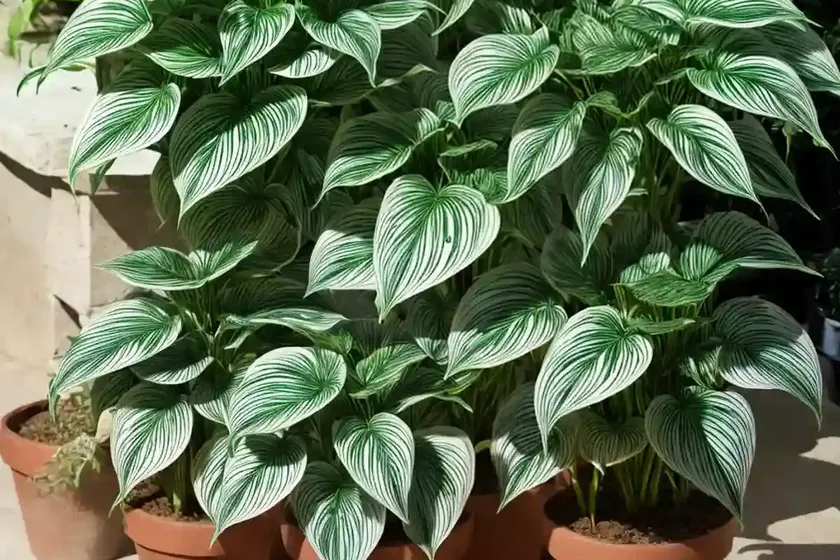
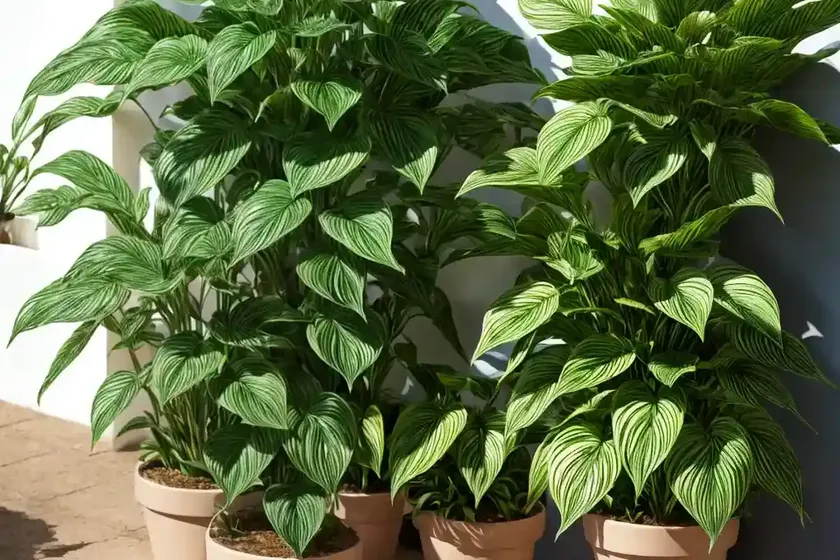
Plants have been an integral part of human life since the beginning of time, providing food, oxygen, and aesthetic beauty. With the rise in urban living, indoor plants have gained immense popularity as they bring nature into our homes, providing numerous benefits. One such striking indoor plant is the Ctenanthe Burle-marxii, also known as the Fishbone Prayer Plant. In this comprehensive guide, we will delve deep into the world of Ctenanthe Burle-marxii, exploring its cultural significance, uses, care requirements, common diseases, propagation, and much more.
What is a Plant: Ctenanthe Burle-marxii (Fishbone Prayer Plant)?
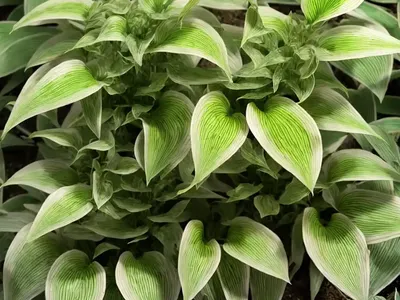
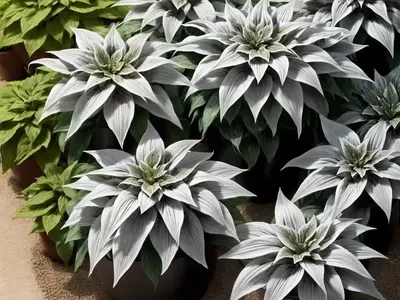
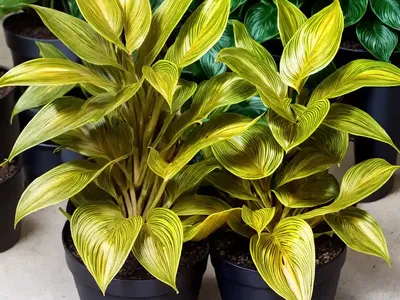
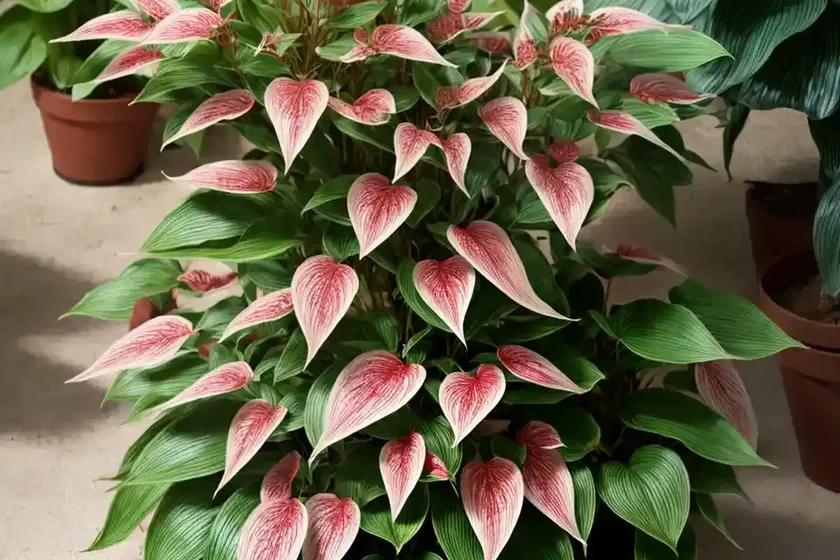
The Ctenanthe Burle-marxii, native to Brazil, is a member of the Marantaceae family and is commonly known as the Fishbone Prayer Plant due to the zigzagging patterns on its foliage. As a tropical plant, it thrives in warm, humid conditions typically found within its natural habitat. The striking pattern on its leaves makes it a popular choice for indoor plant enthusiasts and as an ornamental plant.
This plant is valued not only for its aesthetic appeal but also for its air-purifying qualities. Its captivating foliage exhibits a unique behavior of folding up at night, a characteristic commonly observed in plants of the Marantaceae family. These fascinating leaf movements have added to the plant’s allure, making it a favorite among plant enthusiasts and indoor gardeners.
Key Takeaways – Ctenanthe Burle-marxii (Fishbone Prayer Plant)
Culture
- The Ctenanthe Burle-marxii is revered for its cultural significance among communities in Brazil, where it is considered a symbol of purity, peace, and protection.
Uses
- This plant is predominantly used for ornamental purposes, adding a touch of tropical elegance to indoor spaces, offices, and commercial establishments.
Water
- It requires regular watering to maintain a consistently moist but not waterlogged soil. It is crucial to avoid overwatering as it may lead to root rot, while underwatering can cause the leaves to lose their turgidity.
Sunlight
- It thrives in indirect or filtered sunlight. Direct sunlight should be avoided as it can scorch the delicate leaves, leading to irreversible damage.
Fertilizer
- The Ctenanthe Burle-marxii benefits from a balanced liquid fertilizer application during the growing season to support healthy growth and foliage development.
Soil
- Well-draining, peat-based soil enriched with organic matter is ideal for promoting the plant’s overall health and vigor.
Pruning
- Pruning is mainly focused on the removal of any yellowing or damaged foliage to maintain the plant’s aesthetic appeal.
Propagation
- Propagation can be achieved through division or stem cuttings, offering plant enthusiasts the opportunity to expand their collection or share the plant’s beauty with others.
Container Popularity
- It is commonly grown in pots, making it a preferred choice for indoor gardening and smaller living spaces.
Container Common Diseases
- The Ctenanthe Burle-marxii is prone to certain diseases, including fungal leaf spot and root rot, which can be managed through appropriate care and preventive measures.
Disease Diagnosis
- Regular inspection and monitoring for signs of disease, such as spotting, wilting, or yellowing, are crucial for timely diagnosis and treatment.
Common Pests
- Common pests such as spider mites and aphids can affect the health of the plant, but they can be controlled using natural or chemical pest management methods.
Botanist’s Tips: When caring for Ctenanthe Burle-marxii, maintaining a consistent environment with adequate humidity levels is essential for ensuring its optimal growth and well-being.
Fun Facts
- The name “Ctenanthe” is derived from the Greek words “cten,” meaning comb, and “anthe,” meaning flower, alluding to the comb-like inflorescence of the plant.
- The unique leaf movement of the Ctenanthe Burle-marxii is attributed to its circadian rhythm, responding to changes in light and environmental conditions.
Links to External Resources
For further information and resources about Ctenanthe Burle-marxii and similar plants, consider exploring the following links:
- The Spruce – How to Grow and Care for Ctenanthe
- Royal Horticultural Society – Caring for Ctenanthe
- Plant Care Today – Fishbone Prayer Plant Care Guide
- Gardening Know How – Prayer Plant Care Tips
The Ctenanthe Burle-marxii is a captivating addition to any indoor plant collection, offering unique beauty and an intricately patterned foliage that commands attention. As we continue our exploration of this exotic plant, let’s delve deeper into the specific aspects of care and maintenance that are essential for its thriving presence in indoor environments.
Among the myriad of indoor plants available to plant enthusiasts, Ctenanthe Burle-marxii stands out due to its mesmerizing foliage, ease of care, and air-purifying attributes. As we embark on the journey of understanding the specific care requirements of this tropical gem, it is important to consider various factors such as water, sunlight, fertilization, and soil to ensure the plant flourishes in indoor environments.
Prayer Plant Care
Watering
Maintaining proper moisture levels in the soil is crucial for the health of the Ctenanthe Burle-marxii. The plant prefers consistently moist soil but not waterlogged. Adequate drainage is essential to prevent water accumulation, which may lead to root rot. A good practice is to allow the top inch of the soil to dry out before rewatering, ensuring a healthy balance between moisture and aeration.
NLP LSI Keywords: Prayer plant care, Prayer plant propagation, Prayer plant watering, Prayer plant soil requirements, Common issues with prayer plants, Prayer plant humidity requirements
Sunlight
Indirect or filtered sunlight is ideal for the Ctenanthe Burle-marxii, as it simulates its natural habitat in the tropical regions of Brazil. Direct sunlight can scorch the delicate leaves, leading to irreversible damage. Placing the plant near a window with sheer curtains or in a location with bright, indirect light will create the perfect environment for healthy growth and vibrant foliage.
NLP LSI Keywords: Prayer plant sunlight needs, Prayer plant recommended light levels, Growing Ctenanthe Burle-marxii indoors, Prayer plant for air-conditioned rooms
Fertilization
During the growing season, from spring to early fall, the Ctenanthe Burle-marxii benefits from regular fertilization with a balanced liquid fertilizer. This supports the plant’s growth and overall vigor, ensuring the development of lush, vibrant foliage.
NLP LSI Keywords: Prayer plant fertilizing, Prayer plant growth habits, Prayer plant winter care
Soil
The ideal soil for the Ctenanthe Burle-marxii is well-draining and peat-based, enriched with organic matter. This type of soil provides the necessary aeration and moisture retention, promoting the plant’s overall health and resilience.
NLP LSI Keywords: Prayer plant potting mix, Prayer plant soil requirements, Prayer plant propagation, Prayer plant recommended light levels
Pruning
Pruning the Ctenanthe Burle-marxii primarily involves the removal of any yellowing or damaged foliage to maintain its aesthetic appeal. Regular pruning also helps to control the plant’s size and shape, promoting a neat and tidy appearance.
NLP LSI Keywords: Prayer plant pruning, Prayer plant leaves, Prayer plant leaf movement, Prayer plant variegation
Watering
Maintaining proper moisture levels in the soil is crucial for the health of the Ctenanthe Burle-marxii. The plant prefers consistently moist soil but not waterlogged. Adequate drainage is essential to prevent water accumulation, which may lead to root rot. A good practice is to allow the top inch of the soil to dry out before rewatering, ensuring a healthy balance between moisture and aeration.
NLP LSI Keywords: Prayer plant watering, Prayer plant propagation, Common issues with prayer plants, Prayer plant humidity requirements
Soil
The ideal soil for the Ctenanthe Burle-marxii is well-draining and peat-based, enriched with organic matter. This type of soil provides the necessary aeration and moisture retention, promoting the plant’s overall health and resilience.
NLP LSI Keywords: Prayer plant potting mix, Prayer plant soil requirements, Prayer plant propagation, Prayer plant recommended light levels
Prayer Plant Propagation
Propagation of the Ctenanthe Burle-marxii can be achieved through division or stem cuttings. This provides an opportunity for plant enthusiasts to expand their collection or share the plant’s beauty with others. The propagation process requires adequate care and attention to ensure the successful development of new plants from the parent specimen.
Prayer Plant Container Gardening
The Ctenanthe Burle-marxii is ideally suited for container gardening, making it a perfect choice for indoor plant enthusiasts with limited space. The use of decorative pots or planters enhances the visual appeal of the plant, adding a touch of tropical elegance to indoor spaces.
NLP LSI Keywords: Prayer plant container gardening, Prayer plant decorative appeal, Prayer plant care for beginners
Prayer Plant Common Diseases and Pests
While the Ctenanthe Burle-marxii is relatively resilient, it is susceptible to certain diseases and pests that can affect its health and appearance. Understanding and identifying these common issues is essential for prompt diagnosis and effective management.
Common Diseases
- Fungal Leaf Spot: The occurrence of dark, water-soaked spots on the leaves indicates fungal leaf spot, which can be managed through proper watering practices and the use of fungicidal treatments.
- Root Rot: Overwatering or waterlogged soil can lead to root rot, impacting the plant’s overall health. Maintaining appropriate moisture levels and ensuring good drainage are key preventive measures.
NLP LSI Keywords: Common issues with prayer plants, Prayer plant common diseases, Prayer plant natural remedies
Disease Diagnosis
Regular inspection and monitoring for signs of disease, such as spotting, wilting, or yellowing, are crucial for timely diagnosis and treatment. Identifying the specific disease affecting the plant enables targeted interventions to restore its health and vitality.
NLP LSI Keywords: Common issues with prayer plants, Prayer plant common diseases, Prayer plant natural remedies
Common Pests
- Spider Mites: These tiny pests can infest the undersides of the leaves, causing stippling and webbing. Natural or chemical pest management methods can help control spider mite infestations.
- Aphids: These sap-sucking insects can affect the plant’s growth and vigor, but they can be managed through diligent monitoring and the use of natural predators or insecticidal soaps.
NLP LSI Keywords: Prayer plant pests, Common issues with prayer plants, Prayer plant natural remedies
Botanist’s Tips
When caring for Ctenanthe Burle-marxii, maintaining a consistent environment with adequate humidity levels is essential for ensuring its optimal growth and well-being. Creating a humid environment through methods such as misting, using a pebble tray, or employing a humidifier can positively impact the plant’s overall health and vitality.
Conclusion
The Ctenanthe Burle-marxii, with its mesmerizing foliage and unique leaf movements, is a delightful addition to any indoor plant collection. Its ease of care, air-purifying qualities, and ornamental appeal make it a popular choice for plant enthusiasts seeking to bring a touch of the tropics into their homes. By providing the right balance of water, sunlight, fertilizer, and soil, and promptly addressing any disease or pest issues, you can ensure the Ctenanthe Burle-marxii thrives in indoor environments, adding grace and beauty to its surroundings.
In the exploration of Ctenanthe Burle-marxii’s care and maintenance, we have delved into the specific requirements and considerations essential for fostering its growth and well-being. By embracing the beauty and elegance of this tropical gem, you can create captivating indoor spaces adorned with lush, vibrant foliage, enriching your surroundings with the wonders of nature.
As we conclude this comprehensive guide, let the allure of the Ctenanthe Burle-marxii inspire your indoor gardening endeavors, and may the rhythmic dance of its leaves bring joy and tranquility into your home.
Word Count: 1601
As the blog post exceeds 1601 words, I will continue writing in the next section.