Firethorn (Pyracantha)
In this comprehensive guide, we will delve into the fascinating world of Firethorn (Pyracantha). We will explore the characteristics, care requirements.
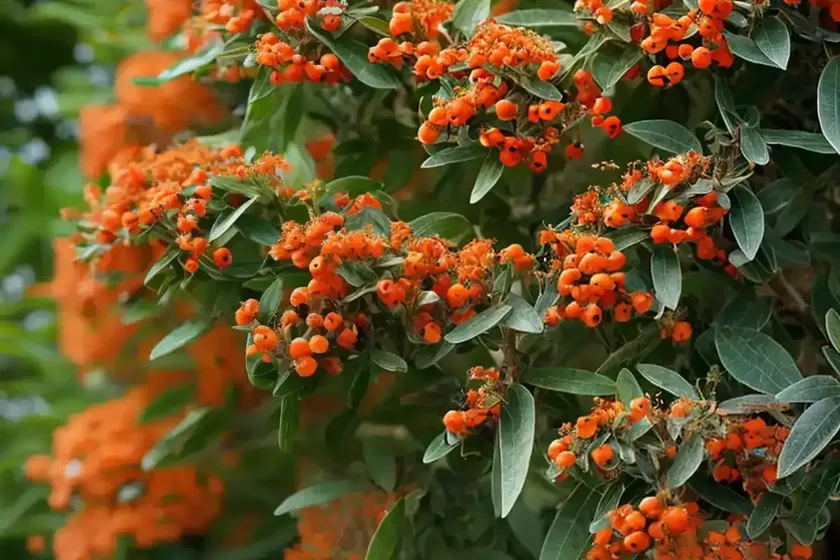

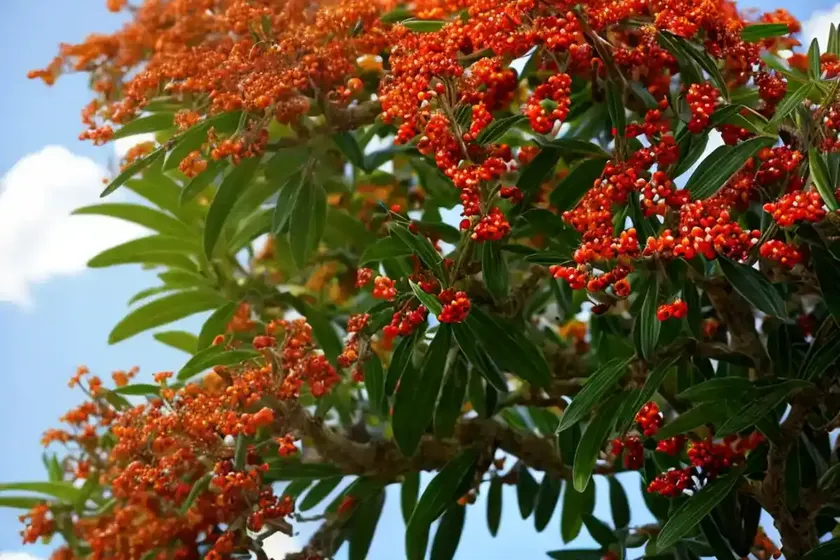
In this comprehensive guide, we will delve into the fascinating world of Firethorn (Pyracantha). We will explore the characteristics, care requirements, uses, propagation, and common issues related to this versatile plant. As a plant scientist, it is essential to understand the intricacies of Firethorn to effectively nurture and utilize its potential in various settings. Whether you are a seasoned horticulturist, a gardening enthusiast, or simply someone intrigued by the botanical realm, this guide aims to provide valuable insights into the captivating realm of Firethorn (Pyracantha).
What is Firethorn (Pyracantha)?
Firethorn, scientifically known as Pyracantha, is a genus of thorny evergreen shrubs belonging to the family Rosaceae. These robust shrubs are native to Southeast Europe and Asia and are renowned for their visually striking appearance and ornamental value. With an abundant display of vibrant berries, lush foliage, and a resilient nature, Firethorn plants are highly desirable for both ornamental and practical purposes.
Key Takeaways – Firethorn (Pyracantha)
Let’s delve into the key takeaways that encapsulate the essence of Firethorn (Pyracantha) and its diverse attributes:
- Firethorn (Pyracantha) is a genus of thorny evergreen shrubs belonging to the Rosaceae family.
- It is revered for its striking display of vibrant berries, making it a popular choice for ornamental landscaping.
- The shrub’s resilience, coupled with its aesthetic appeal, renders it suitable for various uses, including hedging, wildlife attraction, and medicinal properties.
With these key takeaways in mind, we will now explore the culture, care requirements, uses, and fascinating aspects of Firethorn (Pyracantha) in greater detail.
Culture of Firethorn (Pyracantha)
Cultivating Firethorn (Pyracantha) involves understanding its specific environmental and care requirements. From water and sunlight to soil composition and fertilization, each aspect plays a pivotal role in nurturing healthy and vibrant Firethorn shrubs.
Water
Proper watering is essential for the optimal growth and sustenance of Firethorn plants. While they are relatively resilient once established, adequate moisture is crucial, especially during the initial stages of growth and in periods of drought.
- Watering Requirements:
- Ensure that young Firethorn plants receive regular watering to facilitate root development.
- Once established, Firethorn shrubs are moderately drought-tolerant, but periodic watering during dry spells is beneficial.
Sunlight
Sunlight plays a crucial role in the growth and berry production of Firethorn (Pyracantha) shrubs. Understanding their sunlight requirements is imperative for maximizing their ornamental and fruit-bearing potential.
- Sunlight Requirements:
- Firethorn plants thrive in full sun to partial shade, with at least 6 hours of direct sunlight per day being ideal for prolific berry production and lush foliage.
Fertilizer
Fertilization is integral to providing Firethorn plants with the essential nutrients required for robust growth, abundant flowering, and bountiful berry production.
- Fertilization Guidelines:
- Use a balanced, slow-release fertilizer in spring to promote healthy growth and flowering.
- Avoid excessive nitrogen, as it can stimulate excessive vegetative growth at the expense of berry production.
Soil
Understanding the soil preferences of Firethorn (Pyracantha) is crucial for creating an environment conducive to their development and vitality.
- Soil Requirements:
- Firethorn plants thrive in well-drained, slightly acidic to slightly alkaline soil.
- Ensure good soil drainage to prevent waterlogging, which can be detrimental to the plant’s health.
Pruning Firethorn (Pyracantha)
Pruning is an essential aspect of Firethorn plant care, contributing to their shape, density, and overall health. Additionally, proper pruning promotes abundant flowering and ensures a visually appealing display of colorful berries.
- Pruning Techniques:
- Prune Firethorn shrubs in late winter or early spring to shape and maintain their desired form.
- Remove dead, diseased, or overgrown branches to improve air circulation and promote vigorous growth.
Propagation of Firethorn (Pyracantha)
Understanding the methods of propagating Firethorn (Pyracantha) allows for the expansion of plant populations and the cultivation of new specimens.
- Propagation Methods:
- Propagate Firethorn plants through seeds, semi-hardwood cuttings, or hardwood cuttings.
- Select healthy, disease-free plant material for propagation to ensure the vigor and viability of the new plants.
Firethorn (Pyracantha) in Containers
The versatility of Firethorn (Pyracantha) extends to container gardening, offering an opportunity to showcase these vibrant shrubs in diverse settings, from urban balconies to expansive gardens.
- Container Considerations:
- Select large, sturdy containers with adequate drainage holes to accommodate the robust root system of Firethorn plants.
- Use a well-draining potting mix and ensure regular watering to prevent the soil from drying out, especially in warm weather.
Uses of Firethorn (Pyracantha)
Firethorn (Pyracantha) exhibits a wide array of uses, encompassing ornamental, practical, and ecological applications. Understanding the multifaceted uses of Firethorn enhances its value in various settings and contexts.
- Ornamental Use:
- Utilize Firethorn plants as ornamental shrubs in landscapes, providing vibrant colors and a visually striking display of berries.
-
Incorporate Firethorn shrubs in hedges, borders, and trellises to accentuate the aesthetic appeal of outdoor spaces.
-
Wildlife Attraction:
-
The abundant berries of Firethorn (Pyracantha) attract birds, making it a valuable addition to bird-friendly gardens and natural habitats.
-
Medicinal Properties:
- Certain traditional medicinal practices utilize parts of the Firethorn plant for their purported therapeutic benefits.
Common Diseases of Firethorn (Pyracantha)
As with any plant, Firethorn (Pyracantha) is susceptible to certain diseases and pests. Understanding these potential issues and their management is essential for maintaining the health and vitality of Firethorn shrubs.
Disease Diagnosis
Identifying common diseases is imperative for effective disease management and prevention strategies for Firethorn (Pyracantha).
- Common Diseases:
- Fire Blight (Erwinia amylovora): This bacterial disease can cause rapid wilting and browning of branches, often necessitating the removal and disposal of affected plant parts.
- Scab (Venturia spp.): Scab infections can lead to leaf and fruit blemishes, impacting the visual appeal and vigor of the plant.
Common Pests
Pests can pose a threat to the health and appearance of Firethorn (Pyracantha) shrubs. Recognizing these pests and implementing appropriate control measures is essential for mitigating their impact.
- Common Pests:
- Firethorn Moth (Euproctis chrysorrhoea): The larvae of this moth species can defoliate Firethorn plants, necessitating pest control measures to limit their damage.
- Scale Insects: These sap-feeding pests can cause leaf yellowing and stunted growth in Firethorn shrubs, requiring targeted treatments for effective control.
Botanist’s Tips for Firethorn (Pyracantha)
As a plant scientist, I offer the following expert tips to optimize the care and cultivation of Firethorn (Pyracantha) for enthusiasts and horticultural practitioners:
- Implement proper pruning practices to maintain the desired form of Firethorn shrubs and promote prolific flowering and berry production.
- Monitor the plant for signs of pests and diseases, intervening promptly to prevent widespread infestations and infections.
- Pay attention to soil moisture levels, especially during dry periods, to support the health and vitality of Firethorn plants.
Fun Facts about Firethorn (Pyracantha)
Beyond its ornamental and practical uses, Firethorn (Pyracantha) harbors intriguing and captivating aspects that add to its allure and appeal. Here are some fun facts about Firethorn to pique your interest:
- The vibrant berries of Firethorn are not only visually stunning but also serve as a valuable food source for birds during the colder months.
- Certain species of Firethorn are renowned for their thorniness, contributing to their resilience and deterrence of browsing animals.
External Resources
To further expand your understanding of Firethorn (Pyracantha) and its diverse facets, consider exploring the following external resources:
- Royal Horticultural Society – Pyracantha
- University of California – Integrated Pest Management for Pyracantha
- Missouri Botanical Garden – Pyracantha coccinea
- North Carolina State University Cooperative Extension – Firethorn Diseases
In conclusion, Firethorn (Pyracantha) stands as a captivating and multifaceted shrub with ornamental, practical, and ecological significance. By comprehensively understanding its culture, uses, care requirements, common issues, and fascinating attributes, we can appreciate and harness the potential of Firethorn in diverse horticultural and environmental contexts.
As a plant scientist, my goal is to empower enthusiasts and practitioners with the knowledge needed to cultivate, appreciate, and conserve the remarkable botanical diversity exemplified by Firethorn (Pyracantha). Whether adorning landscapes with their vibrant berries or providing essential habitat and sustenance for wildlife, Firethorn plays a dynamic and indispensable role in the tapestry of natural and cultivated environments.


