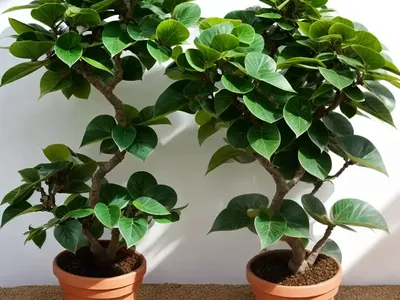
Sycomore Fig (Ficus Sycomorus)
Plants are fascinating organisms that play an essential role in the environment, providing us with food, oxygen, and numerous other resources. In this.



Plants are fascinating organisms that play an essential role in the environment, providing us with food, oxygen, and numerous other resources. In this extensive guide, we will delve into the intricacies of the Sycomore Fig (Ficus Sycomorus), an intriguing species with a rich cultural and ecological significance. From its characteristics and cultivation to its ecological role and historical importance, we will explore every facet of this remarkable plant.
Table of Contents
- Introduction to the Sycomore Fig (Ficus Sycomorus)
- Sycomore Fig (Ficus Sycomorus) Characteristics
- Cultivation and Growth
- Habitat
- Water Requirements
- Sunlight
- Soil and Fertilizer
- Pruning
- Propagation
- Growth Rate
- Uses of Sycomore Fig (Ficus Sycomorus)
- Traditional and Cultural Uses
- Medicinal Properties
- Landscaping
- Ecological Importance
- Pollination and Wildlife Interactions
- Environmental Benefits
- Adaptations and Natural Habitat
- Common Diseases and Pests
- Disease Diagnosis
- Common Pests
- Sycomore Fig (Ficus Sycomorus) in Mythology and Symbolism
- Conclusion and Botanist’s Tips
Let’s embark on this enlightening journey to unravel the many facets of the Sycomore Fig (Ficus Sycomorus)!
Introduction to the Sycomore Fig (Ficus Sycomorus)
The Sycomore Fig (Ficus Sycomorus) is a species of flowering plant in the mulberry family, Moraceae. It is native to the Middle East and parts of Africa, where it holds immense cultural significance and ecological value. This majestic tree is revered for its large, lush canopy and the nutritious figs it produces.
As a plant scientist with a deep passion for understanding and conserving plant species, the Sycomore Fig has always captivated my attention. Its intricate ecological relationships, historical uses, and remarkable adaptations are a testament to the resilience and importance of plant life.
In the following sections, we will explore the characteristics, cultivation, uses, ecological role, and much more concerning the Sycomore Fig, providing a comprehensive understanding of this captivating species.
Sycomore Fig (Ficus Sycomorus) Characteristics
The Ficus Sycomorus is characterized by its large, spreading canopy, which provides ample shade and support for a diverse range of organisms. Let’s delve into its specific characteristics and attributes:
- Leaves: The leaves of the Sycomore Fig are large, broad, and deeply lobed, imparting a lush and verdant appearance to the tree.
- Fruits: The figs produced by the Sycomore Fig are an essential food source for various species, including birds and mammals. They are small, round, and possess a sweet flavor when ripe.
- Bark: The bark of the tree is often smooth and gray, developing a textured appearance as the tree matures.
- Growth Habit: This species is known for its robust growth, often reaching considerable heights and spreading out extensively to form a majestic presence within its habitat.
With these striking characteristics, the Sycomore Fig stands as a testament to the diversity and beauty of the plant kingdom.
Cultivation and Growth
Cultivating the Sycomore Fig requires a keen understanding of its specific requirements, including habitat, water, sunlight, soil, and fertilization needs. Let’s explore each of these aspects in detail:
Habitat
The natural habitat of the Sycomore Fig is diverse, encompassing regions with adequate moisture and fertile soil. It thrives in riparian zones, along riverbanks and in areas with consistent access to water.
Water Requirements
The Sycomore Fig is well-adapted to environments with reliable water sources. While it can withstand periods of drought, consistent access to water is crucial for optimal growth and fruit production.
Sunlight
As a species native to warm climates, the Sycomore Fig thrives in locations with ample sunlight. It is well-suited to tropical and subtropical regions where it can receive full sun exposure for a significant portion of the day.
Soil and Fertilizer
The Sycomore Fig flourishes in fertile, well-draining soil. It benefits from a balanced fertilizer application to support its growth and fruit development.
Pruning
Pruning the Sycomore Fig is essential for maintaining its shape and promoting healthy growth. Regular pruning helps to manage its size and ensure adequate air circulation within the canopy.
Propagation
Propagating the Sycomore Fig can be achieved through various methods, including seeds and stem cuttings. Each method requires careful attention to ensure successful establishment and growth.
Growth Rate
The growth rate of the Sycomore Fig can be considerable under favorable conditions. With adequate water, sunlight, and nutrients, it can rapidly develop into an imposing and majestic tree.
Uses of Sycomore Fig (Ficus Sycomorus)
The Sycomore Fig holds significant traditional, cultural, and ecological uses, making it a valuable resource in numerous contexts. Let’s explore its diverse array of applications:
Traditional and Cultural Uses
Throughout history, the fig tree has held prominent cultural and symbolic significance in various societies. The Sycomore Fig, in particular, has been revered for its role in traditional medicine, as a source of food, and as a symbol of resilience and vitality.
Medicinal Properties
The figs, leaves, and other parts of the Sycomore Fig are known to possess medicinal properties in traditional healing practices. They have been used to address various ailments and promote overall well-being.
Landscaping
The Sycomore Fig’s expansive and lush canopy makes it an ideal candidate for landscaping in large outdoor spaces. It provides shade, enhances the aesthetic appeal of its surroundings, and contributes to the overall biodiversity of the area.
Ecological Importance
As an integral component of its natural ecosystem, the Sycomore Fig plays a critical role in supporting a wide range of organisms and maintaining ecological balance. Let’s explore its ecological significance in greater detail:
Pollination and Wildlife Interactions
The figs produced by the Sycomore Fig serve as a vital food source for numerous species, including birds, primates, and insects. The tree’s intricate relationship with its pollinators and dispersers underscores its ecological importance.
Environmental Benefits
The Sycomore Fig contributes to the environmental well-being of its habitat by providing shade, stabilizing riverbanks, and contributing to the overall biodiversity of the region.
Adaptations and Natural Habitat
The unique adaptations of the Sycomore Fig, such as its tolerance to fluctuating water levels and robust growth habit, allow it to thrive in diverse habitats, including floodplains and riverine forests.
Common Diseases and Pests
Understanding the potential challenges faced by the Sycomore Fig is crucial for its proper care and management. Let’s delve into the common diseases and pests that may affect this species:
Disease Diagnosis
Identifying and diagnosing diseases affecting the Sycomore Fig is an essential step in implementing effective control measures. Common diseases may include fungal infections and bacterial diseases, which can impact the tree’s overall health.
Common Pests
Pests such as fig-feeding beetles and certain species of weevils may pose a threat to the Sycomore Fig. Monitoring and addressing pest infestations is vital for preserving the tree’s vitality.
Sycomore Fig (Ficus Sycomorus) in Mythology and Symbolism
The Sycomore Fig has been embedded in the mythology and symbolism of various cultures, often representing themes of resilience, abundance, and spiritual significance. Its enduring presence in folklore and ancient narratives speaks to its profound impact on human societies throughout history.
In conclusion, the Sycomore Fig (Ficus Sycomorus) stands as not only a remarkable species within the plant kingdom but also as a symbol of cultural heritage and ecological interconnectedness. As we continue to deepen our understanding of this magnificent tree, we gain a greater appreciation for the wondrous diversity of the natural world.
I hope this comprehensive guide has provided valuable insights into the many facets of the Sycomore Fig and has sparked a newfound fascination for this extraordinary species.
Botanist’s Tips
Before we conclude, here are some essential tips for cultivating and caring for the Sycomore Fig:
- Provide Ample Space: Given its potential for robust growth, ensure that the Sycomore Fig has sufficient space to spread out and flourish.
- Monitor for Pests and Diseases: Regular monitoring and prompt action against pests and diseases are vital for maintaining the tree’s health.
- Prune Wisely: Practice regular and judicious pruning to promote healthy growth and ensure an appealing form for the tree.
With these tips in mind, you can embark on a rewarding journey of nurturing the Sycomore Fig and witnessing its majestic presence thrive within its environment.
References
[1] “Ficus Sycomorus – Sycomore Fig.” Flowers of India, www.flowersofindia.net/catalog/slides/Sycomore%20Fig.html.
[2] “Sycomore Fig (Ficus Sycomorus).” World Agroforestry, agroforestree.org/database/pdfs/Ficus_sycomorus/Ficus_sycomorus.pdf.