Ficus Ruby (Ficus Elastica ‘Ruby’)
Ficus elastica, commonly known as the rubber plant, is prized for its attractive foliage and air-purifying capabilities. Among the cultivars of Ficus.
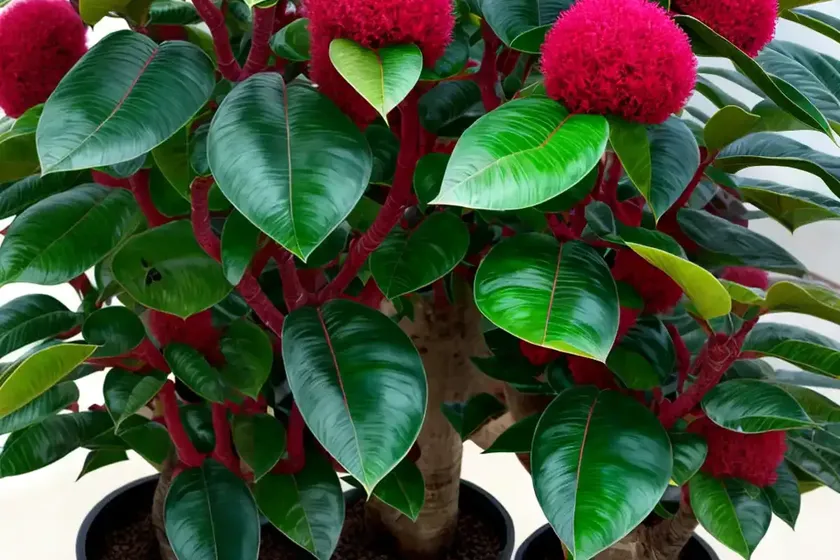
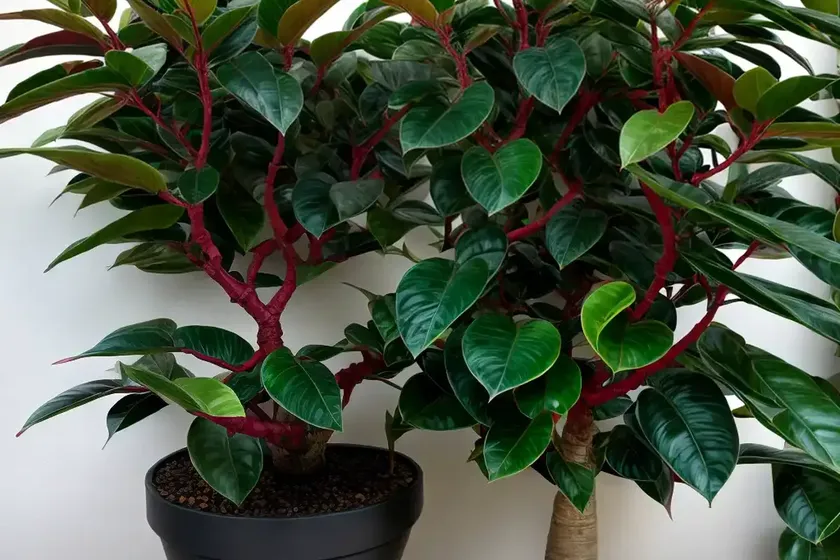
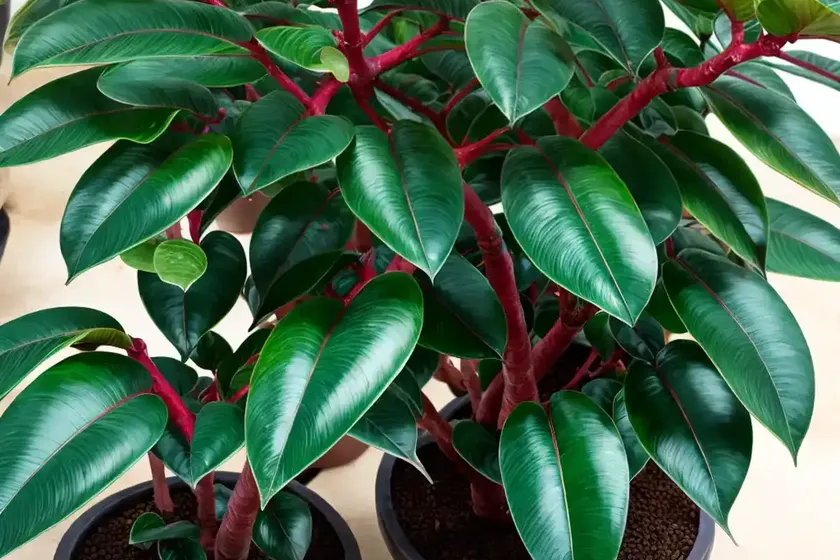
Ficus elastica, commonly known as the rubber plant, is prized for its attractive foliage and air-purifying capabilities. Among the cultivars of Ficus elastica, the ‘Ruby’ variety stands out for its vibrant reddish-tinged foliage, making it a popular choice for indoor and outdoor spaces.
In this comprehensive guide, we will delve into the culture, uses, care tips, and maintenance of the Ficus Ruby (Ficus elastica ‘Ruby’). Whether you are a seasoned plant enthusiast or a beginner looking to enhance your green thumb, this article will provide all the essential information you need to cultivate and appreciate this stunning plant.
What is Ficus Ruby (Ficus elastica ‘Ruby’)?
Ficus Ruby, scientifically known as Ficus elastica ‘Ruby’, is a cultivar of the Ficus elastica plant. It is characterized by its glossy, broad, and elliptic leaves that emerge with a ruby-red sheen, gradually maturing to a deep green hue. This striking transformation of foliage adds an ornamental appeal to any indoor or outdoor environment.
As a member of the Moraceae family, Ficus elastica ‘Ruby’ is native to the tropical regions of Southeast Asia and India. It is admired for its adaptability and resilience, making it a suitable choice for both novice and experienced plant enthusiasts.
Key Takeaways – Ficus Ruby (Ficus elastica ‘Ruby’)
Culture
Ficus elastica ‘Ruby’ thrives in a warm and humid climate, which closely replicates its native habitat. It is most commonly cultivated as an indoor plant due to its sensitivity to cold temperatures. However, it can also adorn outdoor spaces in suitable conditions.
Uses
- Ornamental houseplant
- Air purifier
- Decorative addition to offices, living rooms, and lobbies
- Landscaping feature in tropical and subtropical regions
Now, let’s dig deeper into the essential aspects of caring for Ficus Ruby, including water, sunlight, fertilizer, soil, pruning, propagation, container considerations, as well as prevalent diseases and pests.
Water
Proper watering is crucial to the health and vigor of Ficus elastica ‘Ruby’. It is essential to maintain a consistent watering routine to prevent both underwatering and overwatering, which can lead to stress and foliage issues. The following guidelines provide a framework for optimal watering practices:
- Moderation is key: Water the plant when the top inch of the soil feels dry to the touch. Avoid letting the soil completely dry out or become waterlogged.
- Seasonal adjustments: In the growing season (spring and summer), Ficus Ruby may require more frequent watering, while during the dormant period (fall and winter), the watering frequency should be reduced.
- Use lukewarm water: Cold water can shock the plant, so it is advisable to use water at room temperature for irrigation.
Sunlight
Ficus Ruby thrives in bright, indirect light, making it an ideal choice for locations with ample natural light but minimal direct sun exposure. Here are some insights into meeting the plant’s sunlight requirements:
- Indirect light: Position the plant near a window or in a well-lit room where it can receive bright, indirect sunlight throughout the day. Avoid placing it in direct sunlight, as this can cause leaf burn and discoloration.
- Rotational care: To ensure even growth and prevent lopsidedness, periodically rotate the plant to expose all sides to light.
Fertilizer
Regular fertilization plays a pivotal role in promoting healthy growth and vibrant foliage in Ficus elastica ‘Ruby’. Consider the following fertilizer recommendations to support the plant’s nutritional needs:
- Balanced fertilizer: Use a well-balanced, water-soluble fertilizer with an NPK ratio of 10-10-10 or 20-20-20. Apply the fertilizer at half strength every 2-4 weeks during the growing season.
- Dilution precautions: Avoid over-fertilization by strictly adhering to the recommended dilution rates, as excessive fertilizer can cause salt buildup and lead to plant stress.
Soil
The choice of soil directly impacts the plant’s overall health and stability. Ficus Ruby thrives in a well-draining, nutrient-rich soil mix that supports optimal root development and moisture management. Consider the following soil characteristics for Ficus elastica ‘Ruby’:
- Well-draining soil: Use a high-quality potting mix with good drainage properties to prevent waterlogged conditions, which can lead to root rot.
- Additives: Incorporate perlite, orchid mix, or coarse sand to the potting mix to enhance aeration and drainage.
- pH level: Aim for a slightly acidic to neutral soil pH range of 6.0-7.0 for optimal nutrient uptake.
Pruning
Pruning is an essential aspect of Ficus Ruby care, contributing to a shapely appearance and overall plant vigor. The following insights outline the key considerations for effective pruning techniques:
- Purposeful trimming: Remove dead or yellowing leaves, along with any leggy growth, to maintain the plant’s aesthetic appeal and encourage new growth.
- Sterilization: Use clean, sharp pruning shears to prevent the spread of disease and ensure precise cuts without causing unnecessary damage to the plant.
Propagation
The propagation of Ficus Ruby offers an opportunity to expand your plant collection and share the beauty of this cultivar with fellow enthusiasts. Consider the following propagation methods for Ficus elastica ‘Ruby’:
- Stem cuttings: Select a healthy stem cutting with at least two nodes and remove the lower leaves. Place the cutting in a moist, well-draining rooting medium, such as perlite or a blend of peat and perlite. Provide bottom heat and maintain high humidity to facilitate root development.
- Air layering: Encourage root formation on a mature branch by wrapping a section of the stem with moist sphagnum moss and plastic wrap. Once roots develop, the section can be severed and potted as a new plant.
Container Popularity
Ficus elastica ‘Ruby’ is commonly grown in containers, showcasing its adaptability to indoor environments. When selecting a container for this striking plant, consider the following factors:
- Size: Choose a container with sufficient room for the plant’s roots to grow. A slightly larger pot than the current root ball provides room for expansion while minimizing the risk of waterlogging.
- Drainage: Ensure that the container has drainage holes to prevent water from accumulating at the bottom, which can lead to root rot and other moisture-related issues.
Common Diseases
Ficus Ruby is susceptible to certain diseases, with proper care and preventive measures being crucial in maintaining its health. Familiarize yourself with the common diseases that may affect Ficus elastica ‘Ruby’ and the appropriate diagnosis and control methods for each:
Disease Diagnosis
- Leaf Spot: Identified by dark spots or lesions on the foliage. It is often caused by fungal infections or bacterial pathogens. Ensure proper air circulation and avoid excessive moisture to prevent leaf spot. Remove and destroy infected leaves to prevent the spread of the disease.
- Powdery Mildew: Recognized by the powdery white patches on leaves, stems, and other plant parts. To combat powdery mildew, improve air circulation, maintain moderate humidity levels, and consider using fungicidal treatments as needed.
- Root Rot: Manifests as discolored, mushy roots and wilting foliage. Excessive moisture and poor soil drainage contribute to the development of root rot. Adjust the watering schedule and improve soil drainage to prevent this issue.
Common Pests
Pest infestations can pose a threat to the overall well-being of Ficus Ruby. By familiarizing yourself with the common pests, early detection and intervention can mitigate potential damage. The following pests are known to affect Ficus elastica ‘Ruby’:
- Spider Mites: These tiny arachnids cause stippling on the leaves and produce fine webbing. Regularly mist the plant to increase humidity and use insecticidal soap to control spider mite populations.
- Mealybugs: Identified by their white, cottony appearance, mealybugs feed on the plant’s sap, leading to stunted growth and wilting. Use a soft brush dipped in rubbing alcohol to remove mealybugs from the plant, or apply neem oil as a natural control method.
- Scale Insects: These pests appear as raised, waxy bumps on the stems and leaf undersides. Use horticultural oil or insecticidal soap to target and eliminate scale insects, ensuring thorough coverage for effective control.
As a botanist specializing in Ficus species, I offer the following tips to enhance the care of Ficus elastica ‘Ruby’:
- Regular Dusting: Gently wipe the plant’s leaves with a damp cloth or sponge to remove dust and maintain leaf health, as dust accumulation can hinder photosynthesis.
- Seasonal Care: Adjust your care routine according to seasonal changes, such as modifying watering frequency and fertilization rates to align with the plant’s growth patterns.
- Observation and Response: Monitor the plant regularly for any signs of stress, disease, or pest infestations, and take prompt measures to address any issues.
- The vibrant red hue of Ficus Ruby’s emerging leaves gradually transitions to a rich, glossy green color as the leaves mature, adding an enchanting visual dimension to the plant.
- Ficus elastica ‘Ruby’ is revered for its air-purifying qualities, effectively removing common indoor air pollutants and promoting a healthier living environment.
For further exploration of Ficus Ruby and related topics, the following external resources provide valuable insights and practical guidance:
- American Society for the Prevention of Cruelty to Animals (ASPCA) – Ficus elastica ‘Ruby’
- University of Florida IFAS Extension – Ficus elastica Production Guide
- Mississippi State University Extension – Ficus Diseases & Disorders
In conclusion, Ficus Ruby (Ficus elastica ‘Ruby’) stands as a captivating and versatile addition to both indoor and outdoor settings, offering aesthetic appeal and air-purifying benefits. By adhering to the recommended care guidelines and remaining vigilant against potential issues, plant enthusiasts can cultivate healthy and thriving Ficus Ruby specimens, further enriching their botanical collections and living spaces.