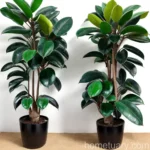
Ficus Bonsai (Ficus retusa): A Comprehensive Care Guide
What is Plant: Ficus Bonsai (Ficus retusa)
Plant Description
Ficus retusa, commonly known as the Chinese banyan or Indian laurel, is a species of evergreen tree native to the Indian subcontinent, South China, and Southeast Asia. In its natural habitat, it can grow to be a large tree, but as a bonsai, it can be cultivated into a stunning miniature version with proper care and maintenance.
The Ficus retusa bonsai is cherished for its glossy, ovate leaves, which vary in size and color depending on the cultivar. Its aerial roots and significant trunk also contribute to its striking appearance. When provided with the appropriate care, a Ficus retusa bonsai can become a spectacular indoor or outdoor ornamental plant, showcasing the beauty of nature within limited space.
Key Takeaways – Ficus Bonsai (Ficus retusa)
When it comes to caring for a Ficus retusa bonsai, several essential factors should be considered to ensure its proper growth and development. This comprehensive care guide covers various aspects, including culture, uses, water requirements, sunlight preferences, fertilizer needs, soil characteristics, pruning techniques, propagation methods, container considerations, common diseases, pest management, and botanist’s tips. Let’s delve deeper into each of these aspects to understand how to care for Ficus retusa bonsai effectively.
Culture
Uses
The Ficus retusa bonsai is widely appreciated for its ornamental value and is often used for:
- Indoor and outdoor landscaping
- Bonsai exhibitions and competitions
- Meditation and relaxation gardens
- Decorative plant displays in homes and offices
- Green gifting for plant enthusiasts
Water
Proper watering is crucial for the health and vitality of Ficus retusa bonsai. While it is essential to maintain adequate moisture levels, overwatering can lead to root rot, while underwatering can cause the plant to wilt and suffer from dehydration.
Watering Guidelines
- Check the soil moisture regularly by inserting a finger about an inch deep into the soil. Water if the top layer feels dry, but avoid watering if it’s still moist.
- Use a watering can with a narrow spout to deliver water directly to the soil and roots, preventing water from spilling onto the leaves or trunk.
- Water thoroughly until the excess water starts draining from the bottom of the pot, ensuring that the entire root system receives adequate hydration.
- Avoid letting the bonsai sit in standing water as it can lead to root suffocation and diseases.
Sunlight
Ficus retusa bonsai thrives in bright, indirect sunlight. While it can tolerate partial shade, it requires a few hours of sunlight each day to support its growth and maintain its vibrant foliage.
Sunlight Preferences
- Place the bonsai near a window with filtered sunlight where it can receive gentle morning or late afternoon sun without being exposed to intense midday rays.
- Consider using sheer curtains or blinds to diffuse direct sunlight and prevent leaf scorching during hot afternoons.
Fertilizer
Fertilizing is essential to provide Ficus retusa bonsai with the necessary nutrients for healthy growth, leaf development, and overall vigor. A balanced and controlled-release fertilizer can support the plant’s long-term nutritional requirements.
Fertilizing Recommendations
- Apply a well-balanced liquid fertilizer diluted to half or quarter strength every two weeks during the growing season (spring and summer).
- Reduce the frequency to once a month during fall and suspend fertilization during the winter months when the plant is in dormancy.
- Avoid excessive feeding, as it can lead to salt buildup in the soil and cause nutrient imbalances.
Soil
The right soil composition is vital for Ficus retusa bonsai, as it directly impacts its water retention, aeration, and nutrient availability. A well-draining, moisture-retentive, and nutrient-rich soil mix can provide the ideal growing medium for the bonsai.
Soil Requirements
- Use a well-draining bonsai soil mix composed of organic materials such as peat, pine bark, and perlite, along with inorganic materials like akadama and pumice for optimal aeration and drainage.
- Re-pot the bonsai every one to two years to refresh the soil, prevent compaction, and encourage healthy root development.
Pruning
Pruning is a fundamental aspect of bonsai care, helping to maintain the desired shape, size, and aesthetics of the plant. Additionally, it promotes ramification and condenses foliage, enhancing the overall bonsai appearance.
Pruning Techniques
- Regularly prune the shoots, branches, and leaves to shape the bonsai according to the desired style, such as informal upright, slanting, cascade, or broom.
- Use sharp and clean pruning tools, such as concave cutters and knob cutters, to make precise cuts and minimize damage to the plant.
- Practice leaf pruning and defoliation to refine the foliage density, enhance ramification, and encourage the growth of smaller leaves over time.
Propagation
Propagating Ficus retusa bonsai through various methods such as stem cuttings, air layering, or root cuttings can be a rewarding way to expand your bonsai collection or share plants with fellow enthusiasts.
Propagation Techniques
- Select healthy and vigorous branches or shoots for propagation, avoiding weak or diseased plant material.
- Use a rooting hormone to promote root development and improve the success rate of cuttings.
- Provide the right environmental conditions, including adequate humidity, warmth, and indirect light, to support the propagation process.
Container
Choosing an appropriate container for a Ficus retusa bonsai is crucial for its growth, development, and aesthetics. A well-designed and suitably sized container can complement the bonsai’s overall presentation while providing adequate space for root growth.
Container Considerations
- Select a shallow and wide container to accommodate the bonsai’s shallow root system and promote lateral root development.
- Ensure that the container has drainage holes to prevent waterlogging and allow excess water to escape, protecting the roots from rotting.
- Consider repotting the bonsai every one to two years to refresh the soil, assess root health, and adjust the container size if necessary.
Popularity
Ficus retusa bonsai has gained significant popularity among bonsai enthusiasts and plant lovers, thanks to its:
- Beautiful aerial roots and trunk characteristics
- Relatively low maintenance requirements
- Adaptability to indoor and outdoor growing environments
- Potential for artistic expression through styling and shaping
- Symbolism of resilience, longevity, and natural beauty
Common Diseases
Despite being relatively resilient, Ficus retusa bonsai can still be susceptible to certain diseases that can affect its overall health and vitality.
Disease Diagnosis
- Keep an eye out for symptoms of common fungal diseases such as leaf spot, powdery mildew, or root rot, which can manifest as discolored or wilting leaves, white powdery patches, or foul odors from the soil.
- Act promptly upon noticing signs of disease and implement appropriate measures, such as adjusting watering practices, improving air circulation, or using fungicidal treatments, to mitigate the spread and impact of diseases.
Common Pests
Ficus retusa bonsai may encounter pests such as aphids, scale insects, spider mites, or mealybugs, which can damage its foliage, stems, or overall health if left unmanaged.
Pest Management
- Regularly inspect the bonsai for signs of pest infestations, including visible insects, distorted foliage, or sticky honeydew residue.
- Use environmentally friendly pest control methods, such as insecticidal soap, neem oil, or horticultural oil, to minimize pest populations without harming beneficial organisms or the environment.
Botanist’s Tips
Nurturing a Ficus retusa bonsai can be a rewarding experience, especially when following expert tips and recommendations to optimize its care and cultivation.
Botanist’s Recommendations
- Seek to understand the specific needs of your Ficus retusa bonsai, including its watering schedule, light preferences, and temperature requirements, to provide tailored care.
- Embrace the learning process and be patient with the bonsai’s growth and development, as it may take time to achieve the desired aesthetic and maturity.
- Connect with fellow bonsai enthusiasts, join local clubs or online forums, and attend workshops or exhibitions to learn from experienced growers and expand your knowledge of Ficus retusa bonsai care and styling.
Fun Facts
- Ficus retusa is often associated with symbolism, representing concepts such as resilience, longevity, and continual growth in various cultures and traditions.
- The aerial roots and unique trunk formations of Ficus retusa bonsai make it a captivating and conversation-worthy addition to any plant collection or display.
Links to External Resources
For additional information on Ficus retusa bonsai care, styling, and cultivation, consider exploring the following resources:
- Bonsai Empire – Ficus Bonsai Care Guide
- American Bonsai Society – Ficus retusa Care Tips
- Bonsai Nut Forum – Ficus Bonsai Discussions
In conclusion, nurturing a Ficus retusa bonsai can be a fulfilling and enriching experience, offering opportunities for artistic expression, horticultural learning, and the appreciation of nature’s beauty on a miniature scale. By following the comprehensive care guide outlined above and embracing the unique characteristics of this remarkable species, you can cultivate a thriving and aesthetically pleasing Ficus retusa bonsai that brings joy and tranquility to your living space or garden.
Remember to consult additional resources, seek advice from experienced growers, and enjoy the journey of tending to your Ficus retusa bonsai, allowing it to flourish and evolve under your attentive care. With dedication, patience, and a deeper understanding of its needs, your Ficus retusa bonsai can become a timeless symbol of natural elegance and harmonious balance in your personal botanical sanctuary.
Ficus retusa Bonsai care
Ficus retusa indoor Bonsai
Ficus Bonsai pruning tips
Ficus retusa Bonsai styling
Ficus retusa Bonsai watering
Ficus Bonsai repotting guide
Ficus retusa Bonsai sunlight requirements
Ficus Bonsai pests and diseases
Ficus retusa Bonsai fertilizing
Ficus retusa Bonsai training techniques
Ficus Bonsai root pruning
Ficus retusa Bonsai health
Ficus Bonsai humidity needs
Ficus retusa Bonsai leaf care
Ficus retusa Bonsai soil mix
Ficus Bonsai leaf pruning
Ficus retusa Bonsai temperature tolerance
Ficus Bonsai care for beginners
Ficus retusa Bonsai size management
Ficus retusa Bonsai trunk development
Ficus Bonsai shaping techniques
Ficus retusa Bonsai watering schedule
Ficus retusa Bonsai light requirements
Ficus Bonsai propagation methods
Ficus retusa Bonsai pruning tools
Ficus Bonsai airflow considerations
Ficus retusa Bonsai winter protection
Ficus retusa Bonsai training wire
Ficus Bonsai humidity tray
Ficus retusa Bonsai leaf loss
Ficus retusa Bonsai pests control
Ficus Bonsai stress management
Ficus retusa Bonsai maintenance tips
Ficus Bonsai pot selection
Ficus retusa Bonsai root development
Ficus retusa Bonsai pest prevention
Ficus Bonsai light intensity
Ficus retusa Bonsai watering techniques
Ficus retusa Bonsai leaf yellowing
Ficus Bonsai repotting frequency
Ficus retusa Bonsai pruning methods
Ficus retusa Bonsai soil drainage
Ficus Bonsai branch structure
Ficus retusa Bonsai leaf discoloration
Ficus retusa Bonsai watering indicators
Ficus Bonsai natural habitat
Ficus retusa Bonsai daily care
Ficus retusa Bonsai light duration
Ficus Bonsai potting process
Ficus retusa Bonsai leaf curling
By incorporating these detailed care recommendations and engaging with the broader bonsai community and resources, you can cultivate a thriving and visually captivating Ficus retusa bonsai that brings beauty and serenity into your life.