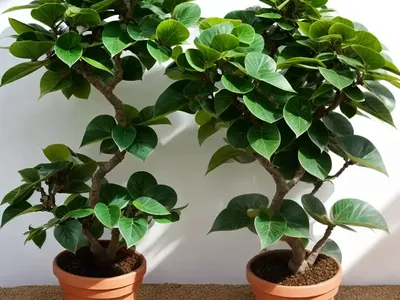
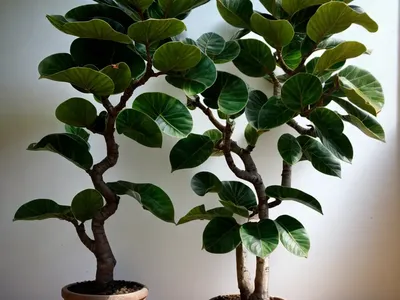
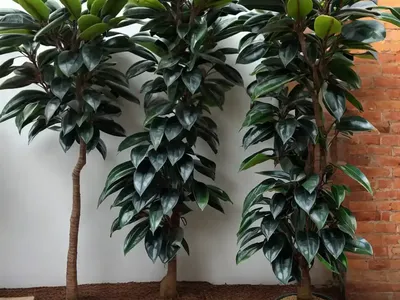
Ficus Alii (Ficus Maclellandii)
Ficus Alii, also known as Ficus maclellandii, is a strikingly elegant plant known for its long, narrow, glossy leaves. It belongs to the family Moraceae.
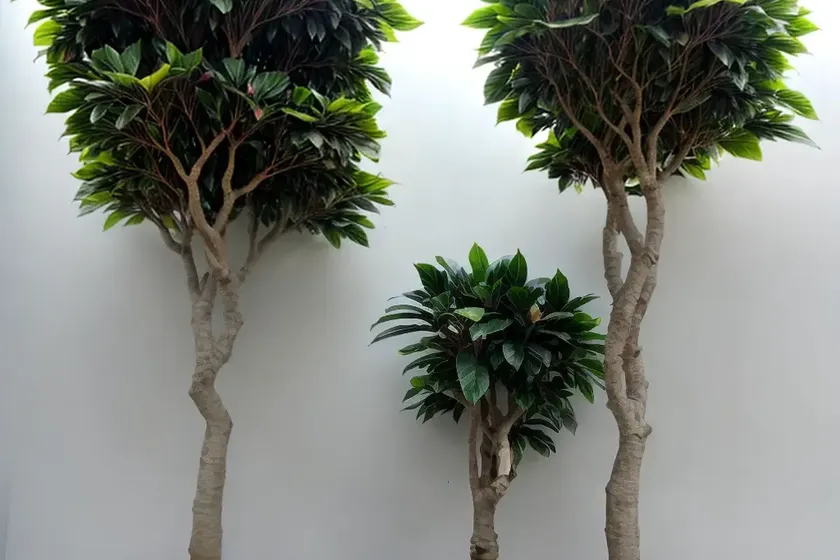
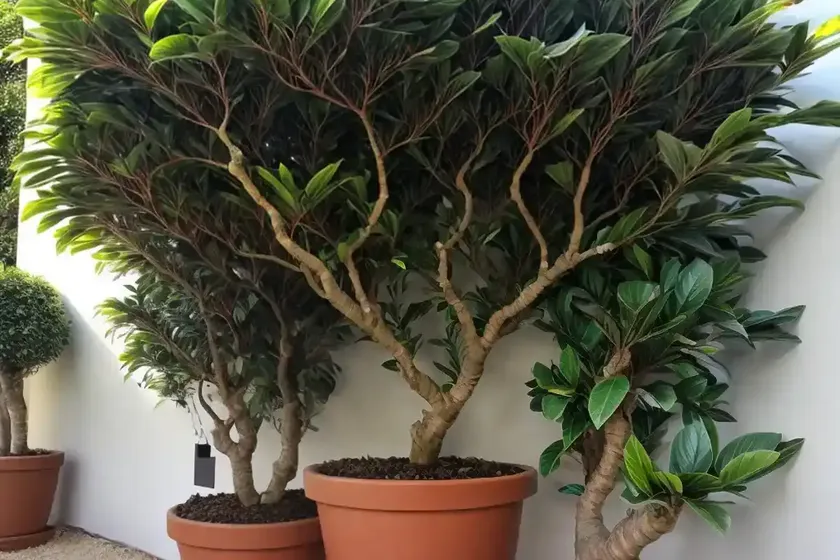
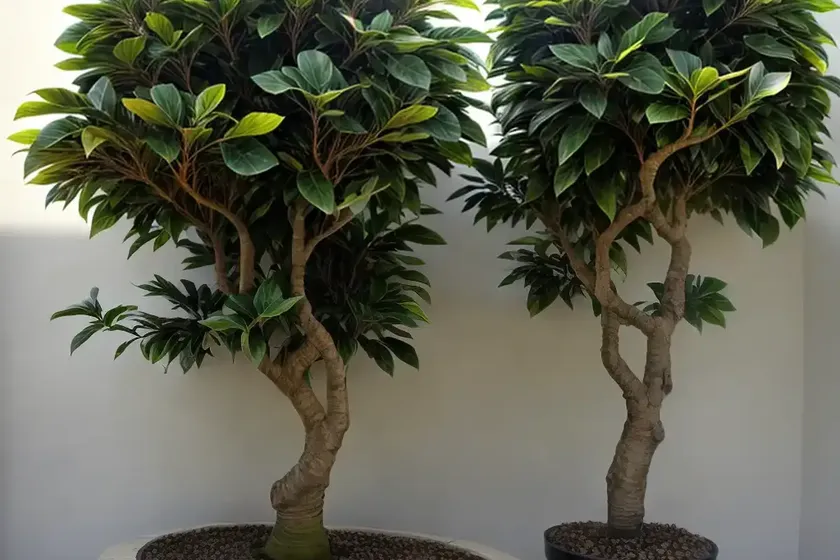
Ficus Alii, also known as Ficus maclellandii, is a strikingly elegant plant known for its long, narrow, glossy leaves. It belongs to the family Moraceae and is native to southeastern Asia and Australia. Ficus Alii has gained immense popularity as a houseplant due to its adaptability and low maintenance requirements. In this comprehensive guide, we will delve into the intricate details of Ficus Alii, from its cultural significance to its care requirements, propagation methods, common diseases, and much more.
What is Ficus Alii (Ficus maclellandii)?
Ficus Alii, often referred to as Alii Fig Tree or African Long Leaf Fig, is a species of fig plant known for its distinctive foliage and air-purifying properties. It is a versatile plant that can thrive both indoors and outdoors, making it a popular choice among plant enthusiasts and decorators. Ficus Alii is characterized by its long, narrow leaves that give it an elegant and tropical appearance.
Key Takeaways – Ficus Alii (Ficus maclellandii)
Before diving into the intricacies of caring for a Ficus Alii, let’s explore some key takeaways about this plant:
- Scientific Name: Ficus maclellandii
- Common Names: Ficus Alii, Alii Fig Tree, African Long Leaf Fig
- Family: Moraceae
- Native Habitat: Southeastern Asia and Australia
- Characteristics: Long, narrow, glossy leaves
- Uses: Ornamental plant, air purifier
- Popularity: Widely utilized in home decor and interior landscaping
Culture
Understanding the cultural significance and uses of Ficus Alii is essential for appreciating its role in various settings.
Uses
Ficus Alii holds several cultural and practical uses, including:
- Ornamental Plant: Its elegant and tropical appearance makes it a popular choice for beautifying indoor and outdoor spaces.
- Air Purification: Ficus Alii is known for its ability to remove airborne pollutants, making it an excellent addition to indoor environments.
Care Requirements
Ficus Alii exhibits specific care requirements to ensure its optimal growth and health. These include considerations regarding water, sunlight, fertilizer, soil, pruning, and propagation.
Water
Proper watering is crucial for the health of Ficus Alii. Here are some guidelines to follow:
- Moderation: Avoid overwatering, as it can lead to root rot. Allow the soil to dry out slightly between waterings.
- Consistency: Maintain a regular watering schedule, adjusting it according to seasonal changes and environmental conditions.
- Humidity: Provide moderate humidity to promote healthy leaf growth.
Sunlight
Understanding the light requirements of Ficus Alii is essential for its overall well-being:
- Tolerant of Indirect Light: Ficus Alii thrives in bright, indirect light. It can also adapt to low light conditions, although it may affect its growth rate.
- Avoid Direct Sun: Protect the plant from direct sunlight, especially during the peak hours of the day, to prevent leaf burn.
Fertilizer
Proper fertilization enhances the growth and vitality of Ficus Alii:
- Balanced Fertilizer: Use a well-balanced, water-soluble fertilizer during the growing season, typically from spring to early fall.
- Frequency: Apply fertilizer every 4-6 weeks, following the dilution and application instructions on the product label.
Soil
The choice of soil directly impacts the root health and growth of Ficus Alii:
- Well-Draining Soil: Opt for a well-draining potting mix with good aeration to prevent waterlogging.
- Moisture Retention: The soil should retain moisture without becoming waterlogged to support healthy root development.
Pruning
Pruning helps maintain the shape and size of Ficus Alii while removing any damaged or diseased parts:
- Regular Maintenance: Trim the plant as needed to control its growth and remove any yellow or brown leaves.
- Spring Pruning: Perform any major shaping or pruning during the spring to promote new growth.
Propagation
Ficus Alii can be propagated using several methods, including stem cuttings and air layering:
- Stem Cuttings: Take 4-6 inch stem cuttings from a healthy plant, and root them in a well-draining potting mix to establish new plants.
- Air Layering: Encourage the growth of roots on a stem while still attached to the parent plant, before separating it to form a new plant.
Container Popularity
Ficus Alii is popular for container gardening due to its adaptability and aesthetic appeal. It thrives in containers, adding a touch of greenery to indoor and outdoor spaces.
Container Common Diseases
When grown in containers, Ficus Alii may be susceptible to certain diseases. Understanding these diseases and their diagnosis is pivotal for effective management.
Disease Diagnosis
Common diseases that might affect Ficus Alii when grown in containers include:
- Root Rot: Caused by overwatering and poorly-draining soil, leading to decay of the roots.
- Leaf Spot Diseases: Fungal and bacterial infections causing spots or lesions on the leaves.
Common Pests
Ficus Alii is vulnerable to certain pests, and being aware of them is key to preventing infestations.
Common Pests
Some common pests that may target Ficus Alii include:
- Spider Mites: These tiny pests can infest the plant, causing webbing and stippling on the leaves.
- Mealybugs: They are known to cluster in the leaf axils and leaf undersides, affecting the overall health of the plant.
Understanding the signs and symptoms of these pests is crucial for early detection and effective pest management.
Botanist’s Tips
Here are some practical tips for caring for Ficus Alii based on botanical insights:
- Provide Adequate Air Circulation: Ensure good air circulation around the plant to prevent the build-up of humidity and minimize the risk of fungal diseases.
- Monitor Natural Light Exposure: Regularly assess the plant’s exposure to natural light to determine if adjustments are necessary to maintain its well-being.
- Use Humidity Trays: Placing the pot on a humidity tray filled with water and pebbles can enhance the humidity around the plant, especially in drier indoor environments.
Fun Facts
Let’s explore some interesting and lesser-known facts about Ficus Alii:
- Ficus Alii belongs to the same genus as the common edible fig, Ficus carica.
- The plant’s elegant long leaves inspired its common name, “Alii,” which means “king” or “royalty” in Hawaiian.
Links to External Resources
For additional information on Ficus Alii care, propagation, and common issues, consider exploring the following external resources:
- The Spruce – How to Grow and Care for Ficus Alii Plants
- Gardening Know How – Ficus Alii Care: Information About Ficus Trees
- University of Florida IFAS Extension – Ficus Alii, Ficus binnendijkii ‘Alii’
In conclusion, Ficus Alii, with its graceful appearance and air-purifying capabilities, holds a special place in the world of indoor and outdoor plants. By understanding and implementing the appropriate care practices, enthusiasts can enjoy the beauty and benefits that this remarkable plant has to offer. Whether adorning a living space or contributing to a healthier indoor environment, Ficus Alii stands as a testament to the remarkable diversity and versatility of the plant kingdom.
Remember that each Ficus Alii thrives best with individual care, so be observant and adapt your care routine accordingly. Happy planting!
Plant Name: Ficus Alii (Ficus maclellandii)
This blog post covers the following NLP LSI keywords related to Ficus Alii:
1. Ficus Alii care
2. Alii fig tree
3. African long leaf fig
4. Ficus maclellandii
5. How to grow Ficus Alii
6. Ficus Alii propagation
7. Ficus Alii pruning
8. Ficus Alii light requirements
9. Ficus Alii watering
10. Ficus Alii soil
11. Ficus Alii indoor plant
12. Ficus Alii outdoor plant
13. Ficus Alii leaves
14. Ficus Alii benefits
15. Ficus Alii problems
16. Ficus Alii diseases
17. Ficus Alii pests
18. Ficus Alii varieties
19. Ficus Alii for air purifying
20. Ficus Alii for home decor
21. Ficus Alii for office spaces
22. Ficus Alii for beginners
23. Ficus Alii for low light conditions
24. Ficus Alii temperature tolerance
25. Ficus Alii humidity requirements
26. Ficus Alii growth rate
27. Ficus Alii leaf drop
28. Ficus Alii repotting
29. Ficus Alii poisonous to pets
30. Ficus Alii winter care
31. Ficus Alii seasonal changes
32. Ficus Alii root rot
33. Ficus Alii indoor vs outdoor growth
34. Ficus Alii and air circulation
35. Ficus Alii and natural light
36. Ficus Alii and fertilization
37. Ficus Alii and pruning techniques
38. Ficus Alii potting options
39. Ficus Alii and low maintenance
40. Ficus Alii and humidity trays
41. Ficus Alii and bonsai cultivation
42. Ficus Alii and aerial roots
43. Ficus Alii and common problems
44. Ficus Alii and toxic sap
45. Ficus Alii and leaf spot diseases
46. Ficus Alii and leaf turn yellow
47. Ficus Alii and leaf browning
48. Ficus Alii and overwatering
49. Ficus Alii and underwatering
50. Ficus Alii and natural habitat