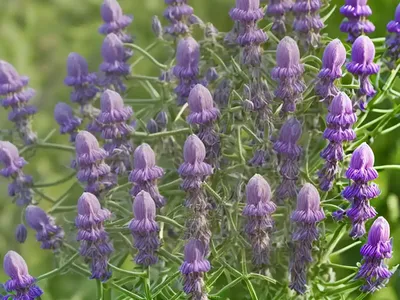
Fenugreek (Trigonella Foenum-graecum)
As a plant scientist, I am thrilled to introduce one of the most versatile and beneficial herbs known to humankind: Fenugreek (Trigonella foenum-graecum)..
As a plant scientist, I am thrilled to introduce one of the most versatile and beneficial herbs known to humankind: Fenugreek (Trigonella foenum-graecum). This herb is not only a culinary delight but also offers an array of health benefits. In this comprehensive guide, we will explore the cultural aspects of fenugreek, its uses, growth requirements, as well as its significance in traditional medicine and cuisines.
What is Fenugreek?
Fenugreek (Trigonella foenum-graecum) is an annual plant that belongs to the Fabaceae family. It is native to the Mediterranean region, southern Europe, and western Asia. Historically, it has been cultivated for its culinary and medicinal uses, and its cultivation dates back to ancient times in these regions.
Key Takeaways – Fenugreek (Trigonella foenum-graecum)
- Scientific Name: Trigonella foenum-graecum
- Common Name: Fenugreek
- Family: Fabaceae
- Native Region: Mediterranean region, southern Europe, and western Asia
- Cultural Significance: Culinary and medicinal uses
Uses of Fenugreek
Fenugreek is a versatile herb with a wide range of uses, including culinary, medicinal, and even in beauty products. The seeds and leaves of fenugreek are both highly valued for their distinct flavors and properties.
Culinary Uses
- Spice: Fenugreek seeds are a common ingredient in Indian and Middle Eastern cuisines. They have a slightly bitter and nutty flavor and are often used in spice blends, pickles, and curries.
- Fresh Leaves: Fenugreek leaves, also known as “methi,” are used as a herb in cooking. They have a unique aroma and are often used in curries, salads, and soups.
Medicinal Uses
- Traditional Medicine: In traditional medicine systems like Ayurveda, fenugreek is used to treat a variety of ailments. It is believed to have properties that support digestive health, menstrual health, lactation, and blood sugar regulation.
- Herbal Remedies: Fenugreek seeds and leaves are used in herbal remedies for conditions such as diabetes, high cholesterol, and inflammation.
Beauty and Health Products
- Hair Care: Fenugreek is used in hair care products due to its potential to promote hair growth and improve hair health.
- Skin Care: The seeds are used in skincare products for their moisturizing and exfoliating properties.
Cultivation of Fenugreek
To grow healthy and thriving fenugreek plants, it is essential to understand the specific cultural requirements of this herb. Let’s explore the key factors involved in successfully cultivating fenugreek.
Water
Fenugreek plants require regular watering, especially during the germination and flowering stages. However, it is crucial to ensure that the soil is well-drained to prevent waterlogging, which can lead to root rot.
Sunlight
Fenugreek thrives in full sunlight. It is essential to provide the plants with at least 6-8 hours of direct sunlight per day for optimal growth and development.
Fertilizer
Fenugreek plants benefit from well-balanced fertilization. A general-purpose, all-purpose fertilizer can be applied during the growing season to provide essential nutrients for healthy growth.
Soil
Well-drained loamy soil is ideal for fenugreek cultivation. It is important to ensure that the soil is not too compact to allow the roots to penetrate easily and access oxygen and nutrients.
Pruning
While fenugreek plants do not require extensive pruning, removing any diseased or damaged leaves can promote overall plant health. Additionally, harvesting the leaves and seeds regularly can encourage new growth.
Propagation of Fenugreek
Fenugreek can be propagated through its seeds. The seeds can be sown directly into the soil, and they germinate relatively quickly under the right conditions. When sowing fenugreek seeds, it is important to space them adequately to allow the plants to develop fully.
Growing Fenugreek in a Container
Fenugreek can be successfully grown in containers, making it an excellent option for urban and indoor gardening. When growing fenugreek in a container, it is essential to choose a pot that provides ample space for the roots to grow and has sufficient drainage holes to avoid waterlogging.
Popularity of Fenugreek
Fenugreek has garnered significant popularity not only for its culinary uses but also for its medicinal properties. It is a staple ingredient in various regional cuisines and is increasingly recognized for its health benefits in modern wellness practices.
Common Diseases Affecting Fenugreek
While fenugreek is a relatively resilient herb, it can be susceptible to certain diseases under unfavorable growing conditions. Some common diseases that can affect fenugreek plants include:
- Powdery Mildew: A fungal disease that appears as powdery white spots on the leaves.
- Downy Mildew: Another fungal disease that causes yellow or brown patches on the leaves.
- Root Rot: This disease is caused by waterlogging and poorly drained soil, leading to the decay of the roots.
Disease Diagnosis and Management
Proper diagnosis of diseases affecting fenugreek plants is crucial for effective management. Timely intervention and appropriate measures can help prevent the spread of diseases and promote plant recovery. Some strategies for managing diseases affecting fenugreek include:
- Fungal Treatments: Applying fungicidal treatments can help control fungal diseases such as powdery mildew and downy mildew.
- Improved Drainage: Ensuring proper soil drainage and avoiding overwatering can prevent the occurrence of root rot.
- Removing Affected Parts: Pruning and removing affected leaves can help contain the spread of diseases.
Common Pests that Affect Fenugreek
Fenugreek plants are relatively resistant to pests, but they can still be affected by certain insects. Some common pests that can pose a threat to fenugreek include:
- Aphids: These small, sap-sucking insects can congregate on the leaves and stems, causing damage to the plants.
- Whiteflies: Whiteflies can infest fenugreek plants and cause yellowing and wilting of the leaves.
- Mites: Spider mites can affect fenugreek plants, causing stippling and discoloration of the leaves.
Botanist’s Tips for Healthy Fenugreek Plants
As a plant scientist, I would like to share some valuable tips for ensuring the health and vitality of fenugreek plants:
- Soil Quality: Conduct a soil test to ensure that the soil pH and nutrient levels are suitable for fenugreek cultivation.
- Companion Planting: Consider planting fenugreek alongside companion plants that can provide natural pest control and support overall plant health.
- Regular Monitoring: Keep a close eye on the plants for any signs of diseases or pests, and address any issues promptly.
- Harvesting Practices: Harvest fenugreek leaves and seeds at the right time to encourage new growth and ensure high-quality yield.
Fun Facts about Fenugreek
- The aroma of fenugreek leaves is often described as being similar to that of maple syrup.
- Fenugreek seeds are a common ingredient in curry powder and are also used in the production of imitation maple syrup.
Links to External Resources
For additional information and resources on fenugreek, I recommend exploring the following links:
- The Herbal Resource – Fenugreek
- Plants for a Future – Trigonella foenum-graecum
- Harvest to Table – Growing Fenugreek
In conclusion, fenugreek is a remarkable herb that holds both culinary and medicinal significance. Its unique flavor, coupled with its diverse health benefits, makes it a valuable addition to any garden and kitchen. By understanding and implementing the best cultivation practices, individuals can enjoy the delights of fresh fenugreek while harnessing its therapeutic properties.