Fennel (Foeniculum Vulgare)
Fennel (Foeniculum vulgare) is a flowering plant species belonging to the carrot family, Apiaceae. This aromatic and flavorful herb is native to the.
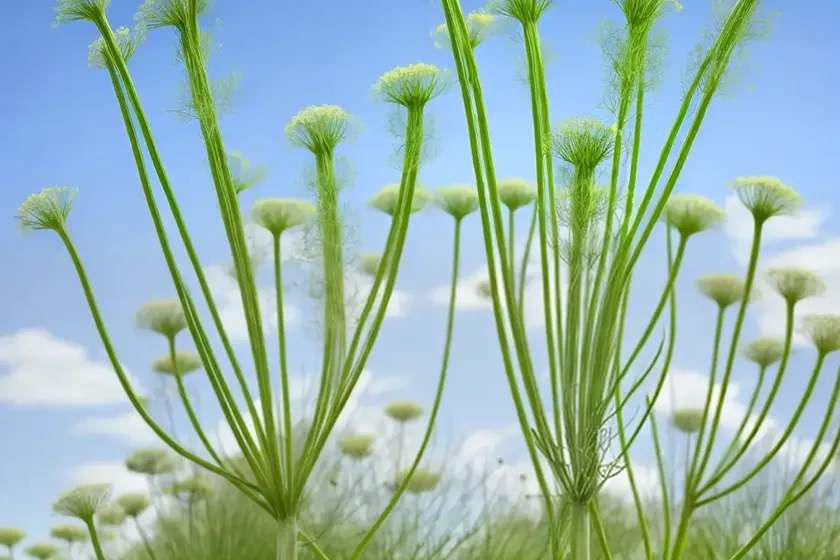
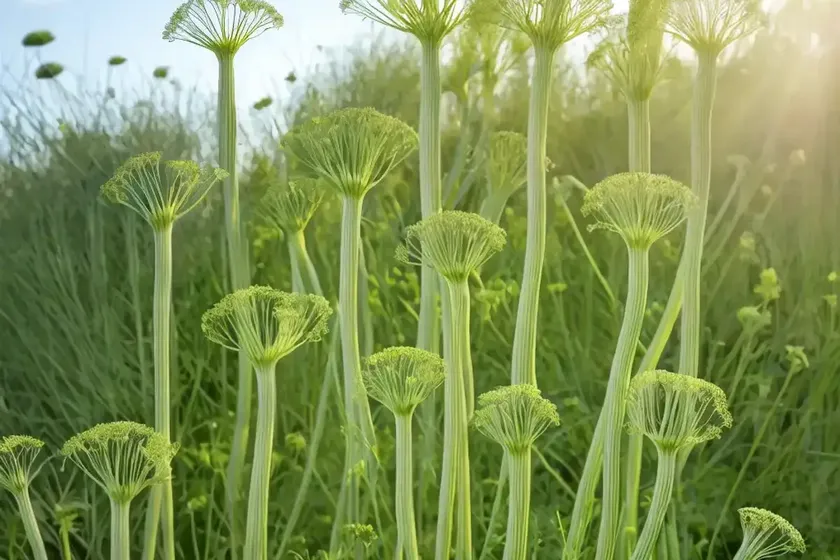
What is Plant: Fennel (Foeniculum Vulgare)
Fennel (Foeniculum vulgare) is a flowering plant species belonging to the carrot family, Apiaceae. This aromatic and flavorful herb is native to the Mediterranean region but is cultivated in various parts of the world for its culinary, medicinal, and ornamental values.
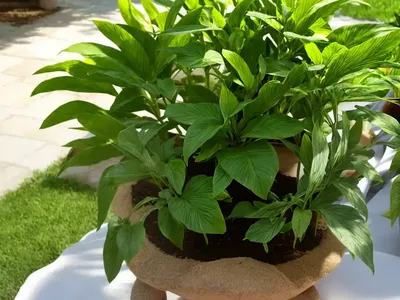
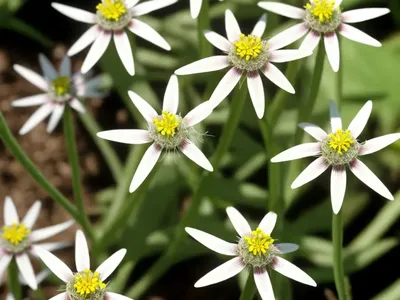
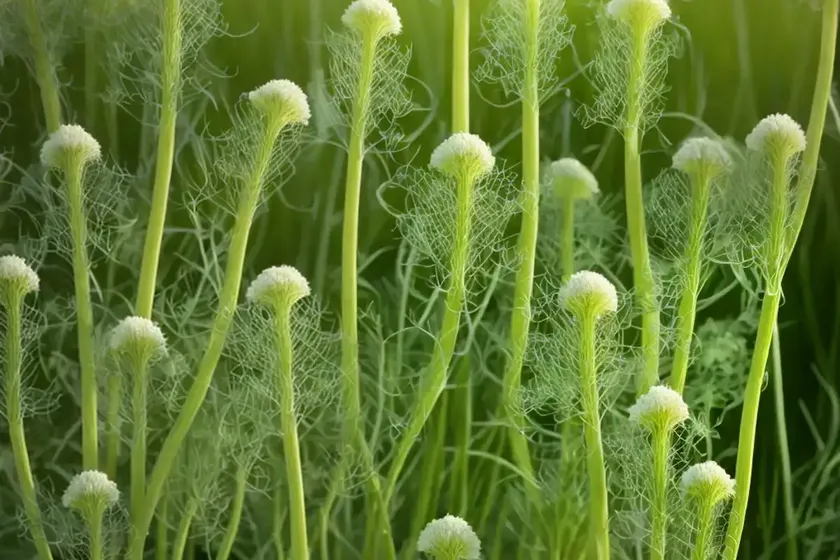
Foeniculum vulgare is renowned for its feathery foliage, vibrant yellow flowers, and elongated, edible stalks. The plant is valued for its usage in cooking, herbal remedies, essential oil production, and its ornamental appeal in gardens.
Botanical Characteristics
- Scientific Name: Foeniculum vulgare
- Common Names: Fennel, sweet fennel, finocchio
- Family: Apiaceae (Umbelliferae)
- Plant Type: Herbaceous perennial
- Height: 3 to 5 feet (0.9 to 1.5 meters)
- Foliage: Feathery and aromatic
- Flowers: Clusters of small, bright yellow flowers
- Fruit: Aromatic seeds
Key Takeaways – Fennel (Foeniculum Vulgare)
Culture
Fennel is a versatile plant that can thrive in a wide range of growing conditions. Understanding its cultural requirements is essential for successful cultivation.
Climate: Fennel thrives in temperate climates but can also tolerate mild frost. It requires a minimum of 50 to 60 days of cold weather to trigger the flowering process.
Soil: Well-drained, fertile soil with a pH range of 5.5 to 6.8 is ideal for fennel cultivation. The addition of organic matter such as compost can improve soil structure and fertility.
Water: Fennel prefers moderate moisture levels and benefits from consistent watering, especially during dry periods. However, it is essential to avoid waterlogged conditions, as this can lead to root rot.
Uses
Foeniculum vulgare is highly valued for its diverse range of uses, which include culinary, medicinal, and ornamental applications.
Culinary: The crunchy bulb, flavorful fronds, and aromatic seeds of fennel are widely used in culinary preparations. It adds a sweet, anise-like flavor to dishes and is often incorporated into salads, soups, stews, and seafood recipes.
Medicinal: Fennel has a long history of use in traditional medicine for its digestive, anti-inflammatory, and diuretic properties. It is often consumed as a tea, tincture, or encapsulated as a dietary supplement.
Ornamental: The feathery foliage and bright yellow flowers of fennel make it an attractive addition to gardens and landscapes. It is often used in herb gardens, as a border plant, or as a companion to other ornamental species.
Sunlight
Fennel thrives in full sunlight and requires at least 6 to 8 hours of direct sun per day. Adequate sunlight is essential for robust growth, flower production, and the development of flavorful seeds.
Fertilizer
While fennel is relatively undemanding when it comes to fertilization, it can benefit from the application of a balanced, organic fertilizer during the growing season. Incorporating compost or well-aged manure into the soil prior to planting can also provide the necessary nutrients for healthy growth.
Soil
Well-drained, fertile soil with a slightly acidic to neutral pH is ideal for fennel cultivation. Amending the soil with organic matter such as compost or aged manure can improve its structure and fertility, promoting healthy growth and development.
Pruning
Pruning fennel can help manage its size, promote bushier growth, and prevent the plant from bolting prematurely. Regularly removing spent flowers and damaged foliage can also enhance the plant’s overall appearance and vigor.
Propagation
Fennel can be propagated from seeds, divisions, or cuttings. Seeds are the most common method of propagation and can be sown directly in the garden after the last frost date. Division and cuttings are also viable options for propagating fennel, especially for obtaining true-to-type plants.
Container Popularity
Foeniculum vulgare is well-suited for container cultivation, making it a popular choice for urban gardens, patios, and balconies. Its ornamental foliage and compact growth habit make it an attractive addition to container gardens.
Container Common Diseases
When grown in containers, fennel can be susceptible to certain diseases, including:
- Powdery Mildew: A fungal disease that appears as a white, powdery growth on the leaves and stems.
- Damping-Off: A fungal disease that causes seedlings to collapse at the soil line.
- Root Rot: Excessive moisture in container soil can lead to root rot, especially in poorly drained conditions.
Disease Diagnosis
Proper diagnosis of diseases affecting fennel is crucial for implementing effective management strategies. Symptoms such as discoloration, wilting, mold growth, or unusual spots on the foliage can provide clues to the underlying disease.
Common Pests
Fennel can be vulnerable to attack by various pests, including:
- Aphids: Small, sap-sucking insects that can cause stunted growth and distortion of foliage.
- Caterpillars: Larval stage of certain butterflies and moths that can feed on fennel foliage, leading to defoliation.
- Snails and Slugs: These mollusks can consume fennel leaves and seedlings, causing visible damage.
Botanist’s Tips
- When harvesting fennel seeds, wait for the flowers to dry and turn brown before collecting the seeds to ensure maximum flavor and potency.
- Regularly deadheading spent flowers can extend the blooming period of fennel and prevent self-seeding in the garden.
Fun Facts
- In ancient times, fennel was believed to convey longevity, courage, and strength, and was associated with various cultural and religious traditions.
- The aromatic seeds of fennel are commonly chewed after meals to aid digestion and freshen the breath.
Links to External Resources
5. Foeniculum Vulgare cultivation
8. Foeniculum Vulgare health benefits
11. Foeniculum Vulgare recipes
14. Foeniculum Vulgare medicinal uses
17. Foeniculum Vulgare folklore
20. Foeniculum Vulgare pests and diseases
23. Foeniculum Vulgare essential oil uses
24. Fennel plant culinary uses
25. Fennel plant health benefits
26. Foeniculum Vulgare in traditional medicine
28. Fennel plant companion plants
29. Foeniculum Vulgare culinary recipes
31. Fennel plant botanical characteristics
32. Foeniculum Vulgare nutrition facts
33. Fennel plant symbolism in folklore
35. Foeniculum Vulgare in herbal medicine
37. Fennel plant culinary uses
38. Foeniculum Vulgare ethnobotany
39. Fennel plant growing conditions
41. Foeniculum Vulgare microgreens
42. Fennel plant propagation methods
43. Fennel plant history and folklore
44. Foeniculum Vulgare as a culinary spice
45. Fennel plant companion planting
46. Fennel plant in traditional recipes
47. Foeniculum Vulgare medicinal properties
48. Fennel plant uses in beauty products
49. Fennel plant traditional uses
50. Foeniculum Vulgare as a natural remedy
Fennel holds immense cultural, historical, and scientific significance, making it a fascinating subject of study and an invaluable resource for various applications. Understanding its botanical characteristics, cultivation requirements, and uses is essential for harnessing the full potential of this remarkable plant. Whether utilized for its culinary delights, medicinal properties, or ornamental beauty, fennel continues to captivate and inspire enthusiasts around the globe.