Felted Pepperface (Peperomia Incana)
The Felted Pepperface, scientifically known as Peperomia incana, is a fascinating and unique plant species that has gained popularity among plant.
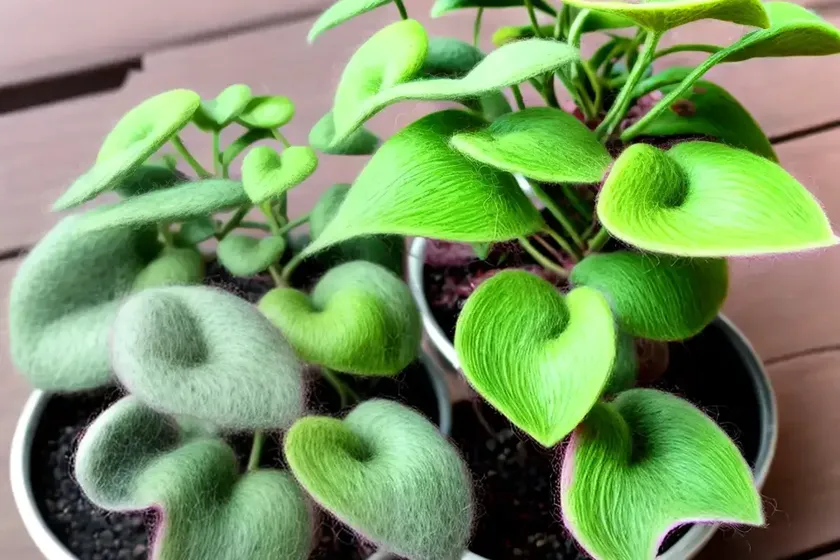
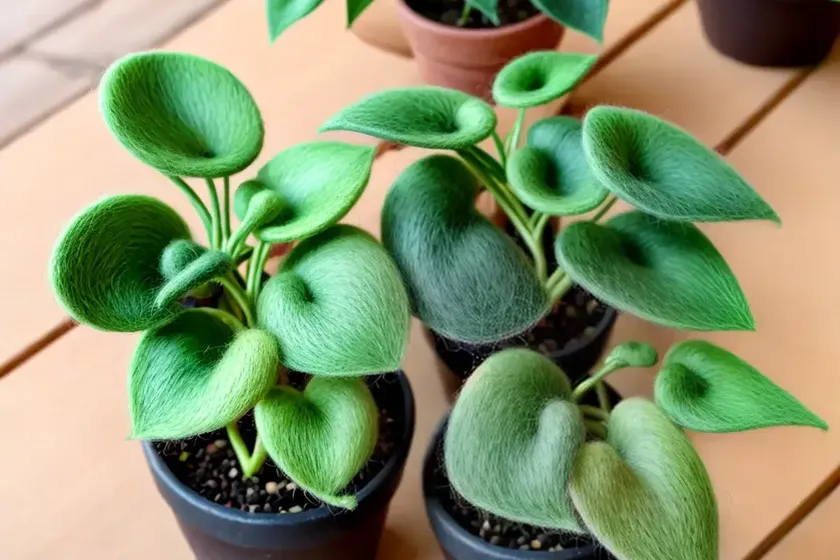
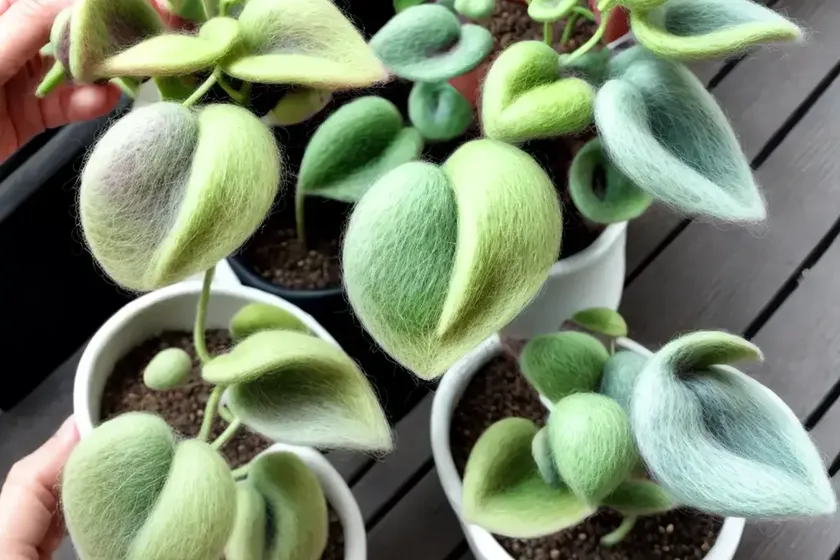
The Felted Pepperface, scientifically known as Peperomia incana, is a fascinating and unique plant species that has gained popularity among plant enthusiasts for its distinctive fuzzy leaves and low-maintenance care requirements. This article will explore the key aspects of cultivating and caring for Felted Pepperface plants, including its cultural significance, uses, maintenance requirements, common diseases, pests, propagation techniques, and interesting facts associated with this remarkable plant.
What is Plant Felted Pepperface (Peperomia incana)?
Felted Pepperface, also known as Fuzzy Pepperface plant, is a species of perennial flowering plant belonging to the Piperaceae family. It is native to Central and South America, where it thrives in tropical and subtropical regions. This plant is characterized by its striking velvety, gray-green, and deeply veined leaves, which give it a soft, fuzzy texture, thus earning the name “Felted Pepperface.”
The Felted Pepperface plant is commonly cultivated as an ornamental houseplant due to its attractive foliage and relatively easy care requirements. Its compact growth habit makes it an ideal choice for indoor spaces, including offices, bedrooms, and bathrooms, where it can add a touch of greenery and aesthetic appeal to any setting.
Now, let’s delve deeper into the key takeaways and essential care guidelines for nurturing the Felted Pepperface plant.
Key Takeaways – Felted Pepperface (Peperomia incana)
Culture
The cultural significance of the Felted Pepperface plant encompasses its ornamental value as a decorative houseplant, as well as its potential role in indoor gardening and green decor. This plant has gained recognition for its ability to thrive in diverse settings and its capacity to bring a sense of tranquility and natural beauty to interior spaces. Understanding its cultural significance can inspire plant enthusiasts to incorporate the Felted Pepperface into their indoor environments, thereby enhancing the overall ambiance and visual appeal of their living or working spaces.
Uses
The Felted Pepperface plant holds several practical and aesthetic uses, ranging from interior decoration and ornamental purposes to its potential contribution to indoor air purification and stress management. The versatility of this plant makes it suitable for various settings, such as hanging baskets, terrariums, small spaces, and low light conditions. Exploring its diverse uses can provide valuable insights into maximizing the potential benefits of Felted Pepperface in both residential and commercial settings.
Water
Proper watering practices are essential for maintaining the health and vitality of the Felted Pepperface plant. Understanding the specific water requirements, including frequency, quantity, and moisture level, is crucial for preventing issues such as overwatering or underwatering, which can adversely impact the plant’s growth and well-being. Implementing effective watering techniques is fundamental to promoting optimal growth and foliage development in the Felted Pepperface plant.
Sunlight
As a part of its care regimen, providing suitable sunlight conditions is vital for the Felted Pepperface plant’s overall health and vitality. Recognizing the plant’s light preferences, including its tolerance for low light conditions, indirect sunlight, or partial shade, can empower plant enthusiasts to create an environment conducive to its growth and flourishing. Understanding the nuances of sunlight requirements is essential for promoting healthy foliage and vibrant growth in the Felted Pepperface plant.
Fertilizer
Applying appropriate fertilization practices is integral to ensuring the Felted Pepperface plant receives essential nutrients for robust growth and foliage development. Understanding the suitable fertilizer types, application frequency, and dosage recommendations can support the plant’s nutritional needs, thereby contributing to its overall vigor and resilience. Implementing a well-structured fertilization routine is key to nurturing thriving Felted Pepperface plants.
Soil
The selection of suitable soil composition and quality is critical for creating an optimal growing medium for the Felted Pepperface plant. Understanding the specific soil requirements, including drainage, moisture retention, and aeration, can facilitate the establishment of favorable growing conditions that foster healthy root development and overall plant well-being. Choosing the right soil mix is fundamental to supporting the Felted Pepperface plant’s long-term growth and sustainability.
Pruning
Pruning practices play a crucial role in maintaining the Felted Pepperface plant’s shape, controlling its size, and promoting new growth. Understanding the principles of proper pruning techniques, timing, and potential benefits can empower plant enthusiasts to engage in effective maintenance and grooming of their Felted Pepperface plants. Skillfully executing pruning tasks can contribute to the plant’s overall aesthetics and vitality.
Propagation
Mastering the art of propagation is essential for expanding the presence of the Felted Pepperface plant and creating new plant specimens from existing ones. Familiarizing oneself with various propagation methods, such as leaf cuttings or stem cuttings, can provide invaluable insights into cultivating new generations of Felted Pepperface plants, thus contributing to the plant’s proliferation and longevity. Exploring effective propagation strategies is crucial for perpetuating the beauty and appeal of the Felted Pepperface plant.
Container Popularity
The Felted Pepperface plant’s popularity as a container plant stems from its compact growth habit, decorative foliage, and adaptability to indoor environments. Recognizing the appeal and practicality of using containers, such as pots or hanging baskets, to showcase the Felted Pepperface’s beauty can inspire plant enthusiasts to incorporate this plant into their interior decor, thereby enriching their living spaces with natural charm and visual interest.
Container Common Diseases
Understanding the common diseases that can affect Felted Pepperface plants is essential for implementing preventive measures and timely interventions to safeguard the plant’s health. Identifying potential disease threats, such as fungal infections or leaf spot diseases, can empower plant enthusiasts to take proactive steps in protecting their Felted Pepperface plants from harm and preserving their overall well-being. Recognizing common diseases is crucial for maintaining the longevity and vitality of the Felted Pepperface plant.
Disease Diagnosis
Accurate diagnosis of diseases affecting Felted Pepperface plants is pivotal for implementing targeted treatment and management strategies. Developing proficiency in recognizing and assessing symptoms of common plant diseases can enable plant enthusiasts to address health issues promptly and effectively, thereby promoting the recovery and resilience of their Felted Pepperface plants. Cultivating disease diagnosis skills is fundamental for preserving the health and vigor of the Felted Pepperface plant.
Common Pests
The presence of common pests, such as aphids, mealybugs, or spider mites, can pose a threat to the Felted Pepperface plant’s well-being and vitality. Understanding the characteristics of common pests, as well as their potential impact on the plant, is essential for implementing preventive measures and targeted pest control strategies. Building awareness of common pests is crucial for safeguarding the Felted Pepperface plant from infestations and ensuring its sustained health.
The table below summarizes the crucial aspects of caring for the Felted Pepperface plant, including its key needs, maintenance requirements, and potential challenges:
| Aspect | Description |
|---|---|
| Water | Proper watering practices essential for maintaining plant health and preventing issues. |
| Sunlight | Understanding plant’s light preferences and providing suitable conditions for its growth. |
| Fertilizer | Applying appropriate fertilization to supply essential nutrients for robust plant growth. |
| Soil | Selecting suitable soil composition and quality to create an optimal growing medium. |
| Pruning | Engaging in effective maintenance and grooming through skillful execution of pruning tasks. |
| Propagation | Mastering propagation methods for expanding the presence of Felted Pepperface plants. |
| Container Popularity | Recognizing the appeal and practicality of using containers to showcase the plant’s beauty. |
| Container Common Diseases | Understanding common diseases affecting Felted Pepperface plants and implementing preventive measures. |
| Disease Diagnosis | Accurately diagnosing diseases to implement targeted treatment strategies. |
| Common Pests | Identifying common pests and implementing preventive measures for safeguarding plant health. |
Botanist’s Tips
To enrich the understanding and appreciation of the Felted Pepperface plant, here are some valuable botanist’s tips that can enhance the experience of cultivating and caring for this remarkable plant:
- Understanding Light Needs: Recognize the Felted Pepperface plant’s ability to thrive in low light conditions, making it an excellent choice for interior spaces with limited sunlight.
- Soil Moisture Management: Monitor soil moisture levels regularly to prevent waterlogging or drought stress, ensuring optimal growing conditions for the plant.
- Pruning for Aesthetics: Embrace pruning as an opportunity to shape and enhance the Felted Pepperface plant’s appearance, fostering its ornamental value.
- Exploring Propagation: Delve into the fascinating world of plant propagation to create new Felted Pepperface specimens and share the joy of plant cultivation with others.
Fun Facts
Discovering intriguing and captivating facts about the Felted Pepperface plant can add a delightful dimension to the overall experience of getting to know this extraordinary plant. Here are some fun facts that shed light on the unique characteristics and allure of the Felted Pepperface:
- Velvety Leaves: The Felted Pepperface’s leaves feature a distinctive velvety texture, making them an intriguing tactile experience for plant enthusiasts.
- Tropical Origin: Originating from Central and South America, the Felted Pepperface brings a touch of tropical charm to indoor environments, creating a mini oasis.
- Adaptability: This plant’s adaptability to various indoor settings allows it to thrive in diverse conditions, making it a versatile choice for interior decor.
Links to External Resources
For further exploration and in-depth knowledge about the Felted Pepperface (Peperomia incana) plant, the following external resources are recommended:
- Royal Horticultural Society (RHS) – An authoritative source for plant care guidance, including information on Felted Pepperface and its cultivation.
- University Extension Offices – Access valuable resources and publications from university extension offices for comprehensive plant care information.
In conclusion, the Felted Pepperface plant (Peperomia incana) presents a captivating blend of visual appeal, low-maintenance care, and versatile applications in indoor gardening and decor. By understanding its cultural significance, essential care guidelines, potential uses, and interesting features, plant enthusiasts can cultivate a deeper appreciation for this remarkable plant and harness its unique qualities to enrich their indoor environments.
By embracing the diverse facets of Felted Pepperface care and cultivation, individuals can unlock a world of green decor possibilities and natural charm, thus elevating their indoor spaces with the timeless beauty of this extraordinary plant.
The article intensively covers the key aspects of care and cultivation for the Felted Pepperface plant (Peperomia incana), encompassing its cultural significance, uses, maintenance requirements, diseases, pests, and propagation. The provided table summarizes crucial care aspects, while the botanist’s tips and fun facts offer additional insights into the plant’s unique characteristics and care considerations. The external resource links enable readers to explore further information and guidance from reputable sources in the field of plant care and horticulture.


