Farfugium Japonicum ‘Aureomaculatum’ (Leopard Plant)
When it comes to ornamental plants that can instantly elevate the aesthetics of any garden or landscape, the Farfugium japonicum ‘Aureomaculatum’, commonly.
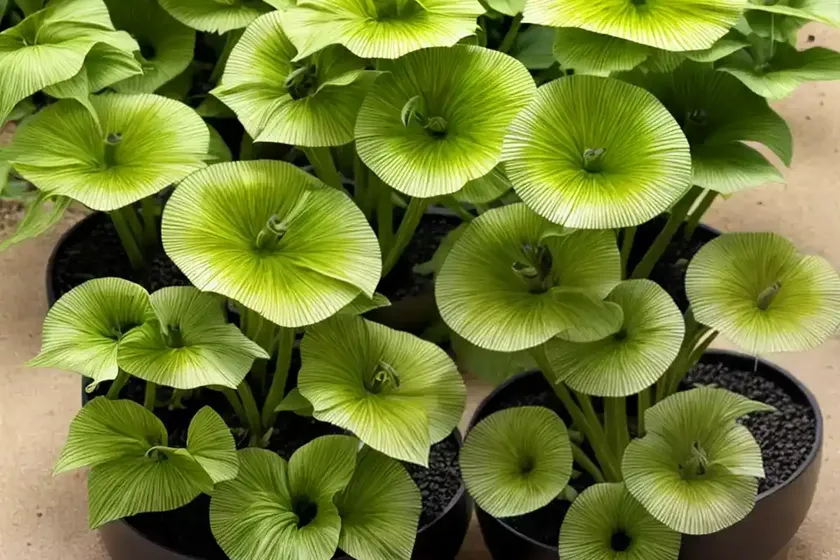
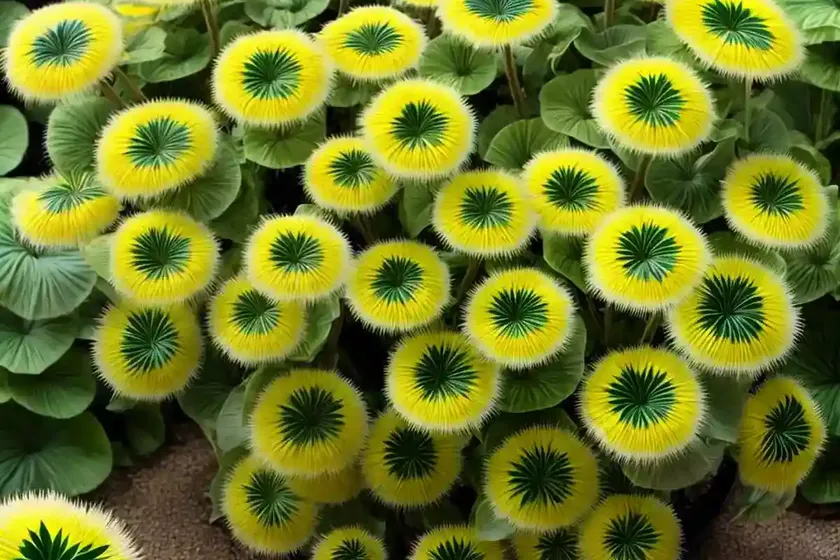
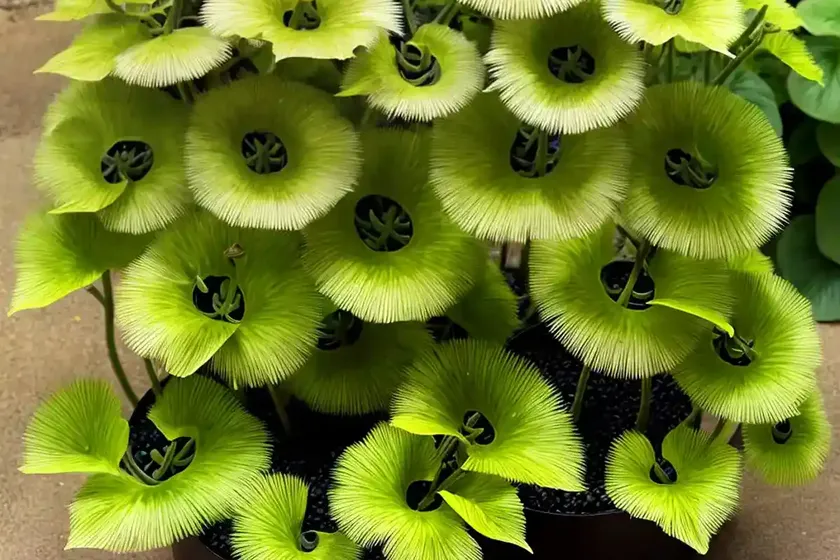
When it comes to ornamental plants that can instantly elevate the aesthetics of any garden or landscape, the Farfugium japonicum ‘Aureomaculatum’, commonly known as the Leopard Plant, is a fantastic choice. This strikingly beautiful plant boasts vibrant foliage and a captivating presence that adds a unique charm to any setting. In this comprehensive guide, we will explore the various aspects of the Farfugium japonicum ‘Aureomaculatum’, including its cultural requirements, uses, care tips, common diseases, and much more.
What is Farfugium japonicum ‘Aureomaculatum’?
The Farfugium japonicum ‘Aureomaculatum’, a member of the Asteraceae family, is a perennial plant native to Japan and Korea. It is prized for its large, glossy, dark green leaves adorned with bold yellow spots, which closely resemble the spots on a leopard, hence its common name, Leopard Plant. This distinct foliage makes it a standout choice for gardens, borders, and containers. In addition to its ornamental value, the Leopard Plant also has several noteworthy cultural and medicinal uses as we will discuss later in this guide.
Key Takeaways – Farfugium japonicum ‘Aureomaculatum’
Let’s start by highlighting some key takeaways about the Farfugium japonicum ‘Aureomaculatum’ before delving into its various aspects:
- Scientific Name: Farfugium japonicum ‘Aureomaculatum’
- Common Name: Leopard Plant
- Plant Type: Perennial
- Foliage: Large, glossy, dark green leaves with bold yellow spots
- Uses: Ornamental, landscaping, medicinal
- Native Range: Japan and Korea
Now that we have a brief overview of the Leopard Plant, let’s explore its cultural requirements, uses, and care guidelines in detail.
Culture
The cultural requirements of the Farfugium japonicum ‘Aureomaculatum’ are essential to understand for ensuring the optimal growth and vitality of this remarkable plant.
Water
The water needs of the Leopard Plant are relatively straightforward. It thrives in consistently moist, well-draining soil, making it an excellent choice for gardens and landscapes with sufficient moisture. Adequate watering is crucial, especially during the hot summer months, to maintain the plant’s lush foliage and overall health.
Sunlight
In terms of sunlight, the Farfugium japonicum ‘Aureomaculatum’ prefers partial to full shade. It can tolerate some morning sun but should be shielded from the intense afternoon sun to prevent leaf scorching. This shade-loving nature makes it an ideal addition to shaded garden areas or under the canopy of larger trees.
Fertilizer
When it comes to fertilization, providing a balanced, slow-release fertilizer in the spring can help promote healthy growth and vibrant foliage. It’s essential to follow the recommended application rates to avoid over-fertilization, which can lead to excessive foliage at the expense of the plant’s overall vigor.
Soil
The Leopard Plant thrives in rich, well-draining, slightly acidic soil. Amending the soil with organic matter such as compost or peat moss can help enhance its texture and fertility, providing an optimal growing medium for the Farfugium japonicum ‘Aureomaculatum’.
Pruning
Pruning requirements for the Leopard Plant are minimal, primarily focused on removing any damaged or unsightly foliage. Regular inspection and selective pruning can help maintain the plant’s desired shape and overall appearance.
Uses
The Farfugium japonicum ‘Aureomaculatum’ offers a range of uses that make it a versatile and valuable addition to any garden or landscape setting.
-
Ornamental: With its striking foliage and bold coloration, the Leopard Plant serves as a captivating ornamental specimen, adding visual interest and allure to gardens, borders, and container plantings.
-
Landscaping: Its adaptable nature and shade tolerance make it an excellent choice for landscaping in shaded or woodland areas, where its distinctive foliage can create beautiful accents and contrasts.
-
Medicinal: In traditional medicine, certain parts of the Farfugium japonicum plant have been used for their purported medicinal properties. However, it’s important to consult reliable sources and experts before utilizing any plant for medicinal purposes.
Propagation
Propagation is an essential aspect of plant cultivation, allowing for the expansion of desirable varieties and the creation of new plantings. Here are the primary methods for propagating the Farfugium japonicum ‘Aureomaculatum’:
-
Division: Dividing mature clumps of the Leopard Plant can be an effective way to propagate it. This method is best carried out in the spring or early fall, ensuring that the divided sections have ample time to establish themselves before the onset of harsh conditions.
-
Seeding: While less common, propagating the Leopard Plant from seeds is also a viable option. Sowing seeds in well-prepared soil and providing the appropriate growing conditions can lead to the successful propagation of new plants.
Container Popularity
The container gardening trend has seen a surge in popularity, offering a versatile and adaptable way to cultivate a wide range of plants, including the Farfugium japonicum ‘Aureomaculatum’. The luscious foliage and ornamental appeal of the Leopard Plant make it an excellent choice for container gardening, whether as a standalone specimen or as part of a mixed container display. The ability to control soil conditions, moisture levels, and placement makes containers an attractive option for those seeking to incorporate the beauty of the Leopard Plant into their indoor or outdoor spaces.
Container Common Diseases
While the controlled environment of containers can offer protection against certain diseases and pests, it’s essential to be mindful of potential issues that can affect the Farfugium japonicum ‘Aureomaculatum’ in a container setting. Common container diseases that may impact the Leopard Plant include:
- Root Rot: Overwatering or poor drainage can lead to root rot in container-grown plants, including the Leopard Plant.
- Powdery Mildew: Fungal diseases such as powdery mildew can develop in humid or poorly ventilated conditions, posing a risk to the foliage of container plants.
- Bacterial Leaf Spot: This bacterial disease can affect the leaves of the Leopard Plant, leading to unsightly spotting and potential foliage damage.
Proper container selection, well-draining potting mix, and attentive care can help mitigate these potential diseases and ensure the thriving growth of Farfugium japonicum ‘Aureomaculatum’ in containers. Regular monitoring and early intervention are vital in maintaining the health and vitality of container-grown plants.
Disease Diagnosis
Understanding the signs and symptoms of common diseases that affect the Leopard Plant is essential for timely diagnosis and intervention. Here are some key indicators of potential diseases:
- Foliage Discoloration: Changes in leaf color, including yellowing, browning, or spotting, can indicate various diseases or nutrient deficiencies.
- Leaf Lesions: The presence of lesions or spots on the leaves may point to fungal or bacterial diseases such as leaf spot or blight.
- Stunted Growth: A noticeable lack of growth or overall vigor can signal underlying health issues, including diseases or adverse growing conditions.
Promptly identifying and addressing potential diseases is crucial to preventing their spread and minimizing the impact on the Farfugium japonicum ‘Aureomaculatum’.
Common Pests
In addition to diseases, the Leopard Plant may also face challenges from various pests that can affect its foliage and overall health. Common pests that may target Farfugium japonicum ‘Aureomaculatum’ include:
- Aphids: These tiny, sap-sucking insects can cluster on the undersides of leaves, causing distortion and discoloration of the foliage.
- Spider Mites: These arachnids can infest the foliage, leading to stippling and webbing on the undersides of the leaves.
- Slugs and Snails: These mollusks can feed on the foliage of the Leopard Plant, leaving behind ragged, chewed edges and visible slime trails.
Vigilance and proactive pest management, including the use of natural predators, organic controls, or targeted interventions, can help protect the Farfugium japonicum ‘Aureomaculatum’ from pest-related damage.
Botanist’s Tips
As a dedicated plant scientist with a passion for enriching the botanical knowledge of enthusiasts, I would like to share some insightful tips for cultivating and caring for the Farfugium japonicum ‘Aureomaculatum’:
Fun Facts about Farfugium japonicum ‘Aureomaculatum’
-
Landscape Accents: The bold, leopard-like foliage of the plant makes it an excellent choice for creating visual interest and focal points in garden landscapes, particularly shade gardens and woodland settings.
-
Wildlife Attraction: The large, attractive leaves of the Leopard Plant can provide shelter and foraging opportunities for small wildlife, adding ecological value to the garden environment.
-
Foliage Variations: While the classic ‘Aureomaculatum’ variety features dark green leaves with yellow spots, there are also other Leopard Plant varieties with variations in foliage color and patterns, offering a diverse array of options for plant enthusiasts.
Links to External Resources
For further exploration of the Farfugium japonicum ‘Aureomaculatum’, I recommend delving into the following external resources:
These resources offer valuable insights, cultivation guidelines, and additional details about the Leopard Plant, enhancing your understanding and appreciation of this remarkable botanical specimen.
In conclusion, the Farfugium japonicum ‘Aureomaculatum’ (Leopard Plant) exemplifies the captivating beauty and versatility of ornamental plants. With its vibrant foliage, shade tolerance, and cultural adaptability, it stands as a fascinating addition to gardens, landscapes, and container displays. By understanding its cultural requirements, uses, propagation methods, and common challenges, enthusiasts can cultivate and appreciate the unique charm of the Leopard Plant, enriching their botanical experiences and horticultural endeavors.
Whether you’re seeking to introduce a touch of exotic allure to your shaded garden or embark on a captivating container gardening journey, the Farfugium japonicum ‘Aureomaculatum’ holds the potential to elevate your botanical pursuits and inspire a deeper connection with the natural world.
Remember to embrace the beauty of the Leopard Plant and explore its many facets, from wildlife interactions and medicinal traditions to the sheer delight of witnessing its lush foliage thrive in your garden sanctuary. Happy gardening and may the allure of the Farfugium japonicum ‘Aureomaculatum’ enrich your botanical adventures in myriad ways!
Would you like to learn more about specific aspects of the Farfugium japonicum ‘Aureomaculatum’ or have any other botanical queries? Feel free to reach out, and let’s continue our explorations and celebrations of plant wonders!