Plant Scientist’s Guide to Fanleaf Violet (Viola ‘Dancing Geisha’)
In the world of ornamental plants, there are numerous options to choose from, and the fanleaf violet (Viola ‘Dancing Geisha’) is one of the most charming and versatile choices. This beautiful and dainty plant not only adds a dash of color to any garden but also offers various benefits and uses. As a plant scientist, I am excited to share an in-depth guide to the cultivation, care, and maintenance of the fanleaf violet. From its cultural significance to its propagation and common diseases, this comprehensive guide aims to provide valuable insights for both enthusiasts and professionals in horticulture.
What is a fanleaf violet (Viola ‘Dancing Geisha’)?
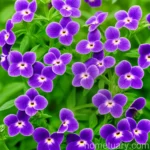
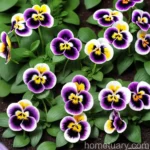
The fanleaf violet, scientifically known as Viola ‘Dancing Geisha’, is a perennial flowering plant that belongs to the Violaceae family. It is a cultivated variety of the Viola species and is prized for its unique and attractive characteristics. The ‘Dancing Geisha’ variety is particularly renowned for its captivating and distinct bi-colored blooms, which make it a sought-after addition to gardens and landscapes.
Key Takeaways – fanleaf violet (Viola ‘Dancing Geisha’)
Before delving into the specific aspects of the fanleaf violet’s cultivation and care, let’s overview the key takeaways of this remarkable plant.
- Plant Name: Fanleaf Violet (Viola ‘Dancing Geisha’)
- Cultural Significance: Ornamental, garden beauty
- Watering: Regular, consistent moisture
- Sunlight: Partial to full shade
- Fertilization: Balanced and regular during the growing season
- Soil Preference: Moist, well-draining, rich in organic matter
- Pruning: Occasional deadheading and light trimming
- Propagation: Seeds, division
- Container Popularity: Suitable for containers and hanging baskets
- Common Diseases: Anthracnose, powdery mildew
- Common Pests: Aphids, slugs
- Fun Facts: Bi-colored blooms, edible flowers
- Hardiness Zone: 5-8
Now, let’s explore each of these key takeaways in detail to understand the nuances of caring for the fanleaf violet.
Culture
Cultivating the fanleaf violet involves understanding its cultural needs, including its preferences for water, sunlight, fertilizer, and soil. By ensuring the right cultural conditions, gardeners can promote the healthy growth and blooming of this delightful plant.
Uses
Before we delve into the specifics of its care, it’s important to appreciate the various uses of the fanleaf violet. This delicate yet resilient plant is primarily valued for its ornamental purposes, serving as a beautiful addition to flower beds, borders, and containers. Additionally, the fanleaf violet holds cultural significance in some regions, often symbolizing modesty and faithfulness.
Water
The fanleaf violet thrives in consistently moist soil, though it is sensitive to overwatering. When watering, it’s essential to maintain regular moisture without allowing the roots to sit in standing water. During hot and dry periods, the plant may require more frequent watering to sustain its growth and flowering.
Sunlight
In terms of sunlight requirements, the fanleaf violet prefers partial to full shade. While it can tolerate some morning sun, it generally thrives in shaded areas, making it an excellent choice for under-tree plantings and woodland garden settings.
Fertilizer
Feeding the fanleaf violet with a balanced fertilizer during the growing season can support its overall health and encourage robust blooming. A general-purpose, slow-release fertilizer applied in early spring and mid-summer can provide the necessary nutrients for sustained growth and flowering.
Soil
The fanleaf violet favors a well-draining and moisture-retentive soil that is rich in organic matter. A loamy, slightly acidic soil with good fertility can create an ideal growing environment for this plant. Additionally, incorporating organic compost or peat moss into the soil can enhance its quality and provide the essential nutrients for the fanleaf violet.
Pruning
Pruning plays a crucial role in maintaining the health, appearance, and flowering of the fanleaf violet. Deadheading spent blooms and lightly trimming straggly growth can help prolong the flowering period and encourage the plant to produce more vibrant blooms. Additionally, periodic grooming can prevent the plant from becoming overly leggy and promote a more compact and attractive form.
Propagation
Propagating the fanleaf violet can be accomplished through seeds and division. Collecting seeds from mature plants and sowing them in a prepared seedbed can yield new seedlings, while dividing established clumps can rejuvenate the plant and create additional specimens for propagation.
Container Popularity
The fanleaf violet’s charming appearance and adaptability make it well-suited for container gardening. Its compact growth habit and colorful blooms can brighten up outdoor and indoor spaces when grown in containers or hanging baskets. When selecting a container for the fanleaf violet, ensure that it provides adequate drainage and sufficient space for the plant’s roots to spread and develop.
Common Diseases
Despite its overall resilience, the fanleaf violet is susceptible to certain diseases, including anthracnose and powdery mildew. Monitoring the plant for any signs of disease and addressing them promptly can help prevent the spread of infections and protect the plant’s health.
Disease Diagnosis
Diagnosing and addressing plant diseases promptly is crucial in maintaining the vigor and beauty of the fanleaf violet. By recognizing the symptoms and signs of common diseases, gardeners can take appropriate measures to mitigate the impact and support the plant’s recovery. Effective disease diagnosis may involve observing the foliage, stems, and blooms for discoloration, distortion, and unusual growth patterns. Additionally, considering the environmental conditions and any recent changes can provide insights into potential disease factors.
Common Pests
In addition to diseases, the fanleaf violet may attract certain pests, such as aphids and slugs. Regular monitoring and proactive pest management practices can help control infestations and minimize the damage caused by these insects. Natural and organic pest control methods, such as companion planting and the introduction of beneficial insects, can contribute to a balanced and healthy growing environment for the fanleaf violet.
Botanist’s Tips
To complement the care guidelines and specific requirements of the fanleaf violet, it’s valuable to incorporate botanical insights and tips from experienced professionals. Whether related to soil preferences, watering practices, or pest management, the expertise of botanists can offer valuable guidance for successfully cultivating and maintaining this charming plant.
Fun Facts
Discovering intriguing and captivating facts about the fanleaf violet can enhance the appreciation for this botanical gem. From its bi-colored blooms to its edible flowers, the fanleaf violet offers a variety of interesting characteristics that add depth to its allure.
Fun Facts About the Fanleaf Violet:
-
Bi-Colored Blooms: The ‘Dancing Geisha’ variety of the fanleaf violet is renowned for its enchanting, bi-colored blooms that feature shades of deep purple and pale lavender. This distinctive coloration adds an eye-catching element to the plant’s appearance.
-
Edible Flowers: The flowers of the fanleaf violet are edible and can be used as an attractive garnish or flavorful addition to salads and desserts. Their delicate and slightly sweet flavor makes them a unique and versatile culinary ingredient.
Links to External Resources
Expanding your knowledge of the fanleaf violet and accessing comprehensive resources can further enrich your understanding and expertise in cultivating this remarkable plant. Here are some valuable external resources that offer insights and information on fanleaf violet cultivation, care, and related topics:
- Royal Horticultural Society (RHS) – Growing and Caring for Violets
- American Violet Society – Cultivation and Care Guidelines
- University of Florida IFAS Extension – Viola spp. (Violets)
Conclusion
The fanleaf violet, particularly the Viola ‘Dancing Geisha’ variety, holds a special place in the realm of ornamental plants. Its alluring blooms, adaptability, and diverse uses make it a prized addition to gardens, landscapes, and containers. By understanding its cultural preferences, maintenance requirements, and potential challenges, enthusiasts and horticulture professionals can elevate their success in cultivating and enjoying the beauty of the fanleaf violet.
As a plant scientist, my aim is to empower and inspire individuals to appreciate, cultivate, and steward plants like the fanleaf violet, fostering a deeper connection with nature and horticulture.
Keywords:
1. Fanleaf violet care
2. Viola ‘Dancing Geisha’ cultivation
3. How to grow fanleaf violet
4. Viola ‘Dancing Geisha’ varieties
5. Fanleaf violet plant guide
6. Viola ‘Dancing Geisha’ characteristics
7. Fanleaf violet gardening tips
8. Viola ‘Dancing Geisha’ propagation
9. Fanleaf violet planting instructions
10. Viola ‘Dancing Geisha’ benefits
11. Fanleaf violet maintenance
12. Viola ‘Dancing Geisha’ features
13. Fanleaf violet water requirements
14. Viola ‘Dancing Geisha’ care tips
15. Fanleaf violet soil preference
16. Viola ‘Dancing Geisha’ flowering period
17. Fanleaf violet light needs
18. Viola ‘Dancing Geisha’ pruning guide
19. Fanleaf violet disease prevention
20. Viola ‘Dancing Geisha’ pest management
21. Fanleaf violet fertilization techniques
22. Viola ‘Dancing Geisha’ container gardening
23. Fanleaf violet companion plants
24. Viola ‘Dancing Geisha’ hardiness zone
25. Fanleaf violet landscaping ideas
26. Viola ‘Dancing Geisha’ indoor growing
27. Fanleaf violet natural remedies
28. Viola ‘Dancing Geisha’ flower arrangements
29. Fanleaf violet seasonal care
30. Viola ‘Dancing Geisha’ wildlife attracting properties
31. Fanleaf violet edible flowers
32. Viola ‘Dancing Geisha’ medicinal uses
33. Fanleaf violet allergies
34. Viola ‘Dancing Geisha’ symbolism
35. Fanleaf violet container varieties
36. Viola ‘Dancing Geisha’ ground cover
37. Fanleaf violet companion planting
38. Viola ‘Dancing Geisha’ landscape design
39. Fanleaf violet common diseases
40. Viola ‘Dancing Geisha’ plant profile
41. Fanleaf violet hardiness tips
42. Viola ‘Dancing Geisha’ growth habits
43. Fanleaf violet in garden borders
44. Viola ‘Dancing Geisha’ seasonal blooms
45. Fanleaf violet in hanging baskets
46. Viola ‘Dancing Geisha’ outdoor decor
47. Fanleaf violet soil amendments
48. Viola ‘Dancing Geisha’ foliage color
49. Fanleaf violet water retention
50. Viola ‘Dancing Geisha’ natural pollinators