False African-violet (Streptocarpella Saxorum)
Plants play a vital role in our lives, not only for their aesthetic value but also for their air-purifying properties and contribution to overall.
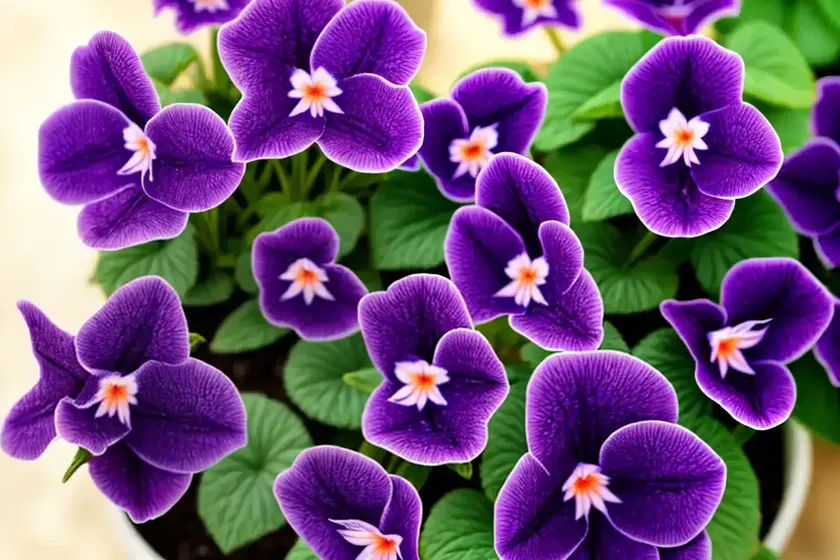
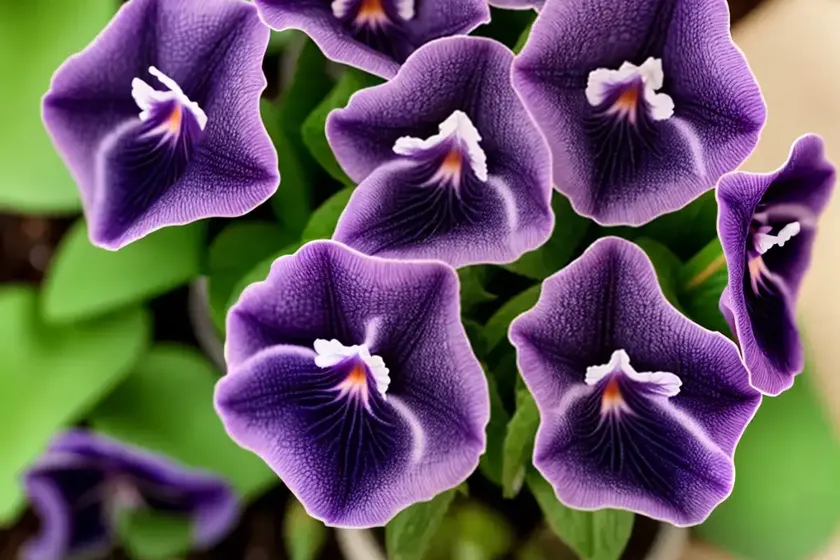
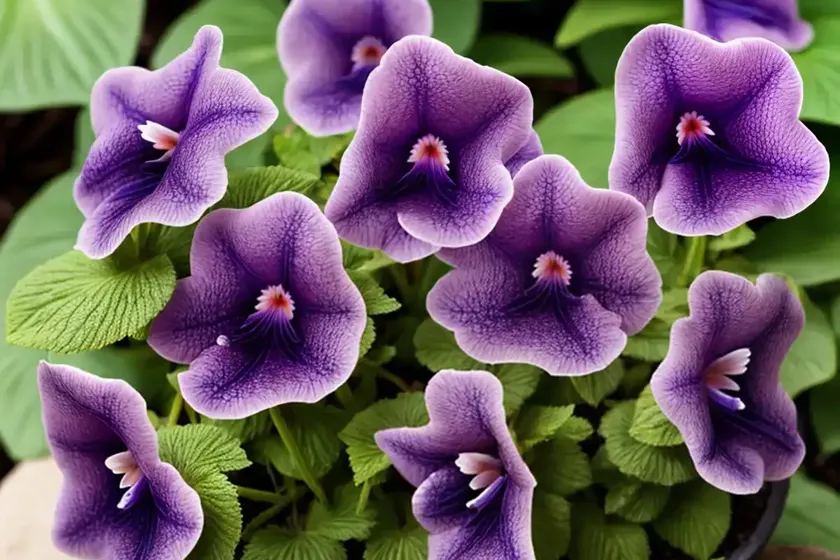
Plants play a vital role in our lives, not only for their aesthetic value but also for their air-purifying properties and contribution to overall well-being. One such plant that has gained popularity for its beauty and ease of care is the False African-violet, scientifically known as Streptocarpella saxorum. In this comprehensive care guide, we will delve into the cultural significance, uses, care requirements, and maintenance tips for this stunning plant.
What is Plant False African-violet (Streptocarpella saxorum)?
Streptocarpella saxorum, commonly known as False African-violet, is a species of flowering plant in the family Gesneriaceae. Native to East Africa, this perennial plant is prized for its delicate, violet-like flowers that bloom profusely, adding a touch of elegance to any indoor or outdoor space.
Key Takeaways: False African-violet (Streptocarpella saxorum)
Before we dive into the specific care requirements for Streptocarpella saxorum, let’s explore its key takeaways.
- Scientific Name: Streptocarpella saxorum
- Common Name: False African-violet
- Family: Gesneriaceae
- Native to: East Africa
- Uses: Ornamental, decorative
Now, let’s explore the cultural significance, uses, and care instructions for this delightful plant.
Culture
Streptocarpella saxorum has a rich cultural history, particularly in East Africa, where it is treasured for its ornamental value. Given its low-maintenance nature, it is a popular choice for both indoor and outdoor gardening. The plant holds significance in various traditional practices and is often incorporated into decorative arrangements and landscaping.
Uses
The False African-violet is primarily utilized for its ornamental purposes. Its charming, violet-hued flowers make it a desirable addition to indoor spaces, gardens, and landscapes. Additionally, it is a favorite among flower enthusiasts for its suitability in floral arrangements and decorative displays.
Care Requirements
To ensure the optimal growth and bloom of Streptocarpella saxorum, it is crucial to understand its specific care requirements. From watering and sunlight exposure to fertilization and soil preferences, each aspect plays a pivotal role in nurturing this beautiful plant.
Let’s explore each of these care aspects in detail:
Water
Proper watering is essential for the health and well-being of False African-violets. Overwatering can lead to root rot, while underwatering can cause the plant to wilt and experience stunted growth. To maintain the ideal moisture levels:
- Watering Guide: False African-violets prefer consistently moist, well-draining soil. Water thoroughly when the top inch of the soil feels dry to the touch, ensuring that excess water can freely drain from the pot.
Sunlight
Adequate sunlight is crucial for the growth and flowering of Streptocarpella saxorum. Understanding its sunlight requirements is key to promoting healthy foliage and abundant blooms.
- Sunlight Requirements: False African-violets thrive in bright, indirect light. They prefer dappled sunlight or partial shade, making them ideal for indoor spaces near east or west-facing windows where they can receive filtered sunlight.
Fertilizer
Proper fertilization contributes to the overall vitality and blooming capacity of False African-violets. Selecting the right fertilizer and understanding the frequency of application are essential for promoting lush foliage and vibrant flowers.
- Fertilizing Tips: Use a balanced, water-soluble fertilizer formulated specifically for flowering plants. Apply the fertilizer at half the recommended strength every 4-6 weeks during the growing season, typically from spring to early fall, to support healthy growth and prolific blooming.
Soil
The choice of potting soil greatly influences the plant’s ability to thrive and flourish. Optimal soil conditions provide essential nutrients and facilitate proper drainage for the False African-violet.
- Potting Soil: Plant False African-violets in a well-draining, lightweight potting mix with added perlite or vermiculite to enhance drainage. A recommended mix includes peat moss, perlite, and compost to create an airy, moisture-retentive environment for the roots.
Pruning
Regular maintenance, including proper pruning and grooming, is essential for managing the growth and aesthetics of Streptocarpella saxorum. Pruning promotes bushier growth and encourages continuous blooming.
- Pruning Techniques: Trim leggy or unruly stems to maintain a compact, bushy shape. Pinch off spent flowers and yellowing leaves to encourage new growth and prolific blooming.
Propagation
Propagating False African-violets allows for the expansion of your plant collection and offers a way to share its beauty with others. Understanding the propagation techniques is key to successfully creating new plants from established ones.
- Propagation Methods: False African-violets can be propagated from stem cuttings. Select a healthy stem with several nodes, remove the lower leaves, and place the cutting in a moist, well-draining rooting medium. Provide bottom heat and high humidity to encourage root development.
Container
Selecting an appropriate container is crucial for the overall health and growth of Streptocarpella saxorum. The right container provides ample space for the roots and allows for proper drainage to prevent waterlogging.
- Pot Selection: Choose a pot with drainage holes to prevent water accumulation at the root zone. A slightly larger pot than the current root ball is ideal to accommodate the plant’s growth without overwhelming it.
Popularity
The False African-violet has gained widespread popularity among gardening enthusiasts and flower aficionados due to its charming blooms and ease of care. Its versatility in both indoor and outdoor settings makes it a favored choice for enhancing living spaces with natural beauty.
Common Diseases
Like any other plant, False African-violets are susceptible to certain diseases and health issues. Understanding these common ailments and their symptoms is essential for timely intervention and effective management. Some of the common diseases include:
- Powdery Mildew: Characterized by a white, powdery coating on the leaves, this fungal disease can weaken the plant if not addressed promptly.
- Leaf Spot: Manifests as dark, water-soaked spots on the foliage, often caused by overwatering or poor air circulation.
- Root Rot: Excessive moisture can lead to root rot, causing the plant to wilt and decline.
Disease Diagnosis
Timely diagnosis of diseases and ailments is crucial for implementing the appropriate treatment and preventing further spread within the plant collection.
- Symptom Recognition: Regularly inspect the foliage for any signs of discoloration, wilting, or unusual growth patterns. Promptly isolate any affected plants to prevent the spread of diseases.
Common Pests
Pests pose a potential threat to the health and vitality of False African-violets. Being vigilant about pest infestations and recognizing the signs of pest damage is crucial for effective pest management.
- Spider Mites: These tiny pests often appear as webbing on the underside of leaves and can cause yellowing and stippling of the foliage.
- Aphids: These soft-bodied insects cluster on the new growth, sucking plant juices and causing distortion of leaves.
Botanist’s Tips
To further enhance the care and well-being of Streptocarpella saxorum, consider incorporating the following botanist’s tips based on its specific growth habits and environmental requirements:
- Air Circulation: Maintain good air circulation around the plant to prevent the onset of fungal diseases and promote overall plant health.
- Humidity Control: Provide moderate humidity levels, especially during the drier months, to prevent the plant from drying out and experiencing stress.
- Regular Monitoring: Regularly monitor the plant for any signs of stress, disease, or pests, intervening promptly if any issues arise.
Fun Facts
To add a touch of intrigue to your understanding of False African-violets, here are some fascinating fun facts about Streptocarpella saxorum:
- Despite its common name, the False African-violet is not closely related to true African-violets, which belong to the Saintpaulia genus.
- In its native habitat, Streptocarpella saxorum is often found growing as an epiphyte, clinging to trees and rocks.
Links to External Resources
For further exploration of Streptocarpella saxorum care and horticultural information, consider accessing the following external resources:
- Royal Horticultural Society
- American Horticultural Society
- The Gesneriad Society
- [University Extension Websites: e.g., University of Florida Extension, Cornell University Extension]
In conclusion, Streptocarpella saxorum, the False African-violet, presents a delightful opportunity for indoor and outdoor gardening enthusiasts to cultivate a plant renowned for its captivating blooms and low-maintenance care requirements. By incorporating the essential care guidelines and gaining insights into its unique characteristics, gardeners can foster the optimal growth and abundance of this beautiful plant, lending a touch of natural elegance to their living spaces.
Keywords: Streptocarpella saxorum care, False African-violet care tips, Growing Streptocarpella saxorum, False African-violet plant guide, Streptocarpella saxorum varieties, False African-violet care instructions, How to propagate Streptocarpella saxorum, False African-violet watering guide, Streptocarpella saxorum sunlight requirements, False African-violet indoor gardening, Streptocarpella saxorum common issues, False African-violet plant care, Streptocarpella saxorum fertilizing tips, False African-violet plant health, Streptocarpella saxorum pruning techniques, False African-violet pest control, Streptocarpella saxorum potting soil, False African-violet pot selection, Streptocarpella saxorum temperature preferences, False African-violet humidity levels, Streptocarpella saxorum flowering patterns, False African-violet bloom colors, Streptocarpella saxorum plant maintenance, False African-violet leaf care, Streptocarpella saxorum repotting guide, False African-violet plant propagation, Streptocarpella saxorum container gardening, False African-violet toxic to pets, Streptocarpella saxorum medicinal properties, False African-violet natural remedies, Streptocarpella saxorum soil drainage, False African-violet watering frequency, Streptocarpella saxorum humidity requirements, False African-violet light conditions, Streptocarpella saxorum foliage beauty, False African-violet flower arrangements, Streptocarpella saxorum plant hardiness, False African-violet disease prevention, Streptocarpella saxorum root health, False African-violet soil pH preference, Streptocarpella saxorum air purification properties, False African-violet decorative uses, Streptocarpella saxorum companion plants, False African-violet garden design ideas, Streptocarpella saxorum seasonal care, False African-violet sunlight exposure, Streptocarpella saxorum growth rate, False African-violet plant lifespan, Streptocarpella saxorum unique characteristics, False African-violet indoor decor


