Evolvulus (Evolvulus)
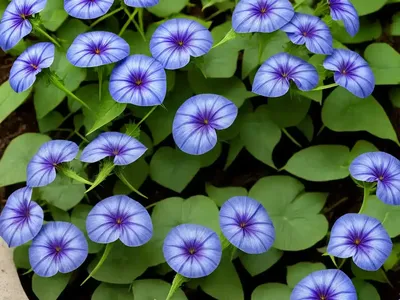
Evolvulus is a stunning genus of plants that encompasses around 100 species of flowering plants. They are commonly known for their delicate, sky-blue.
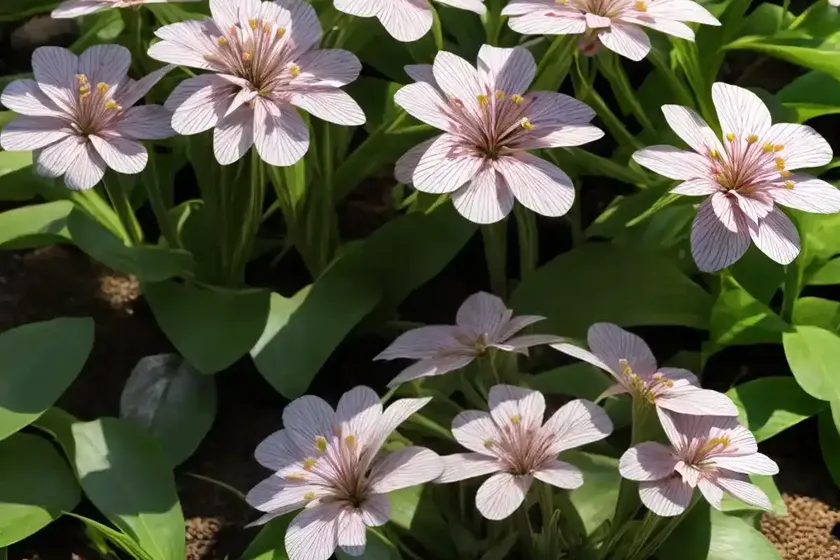
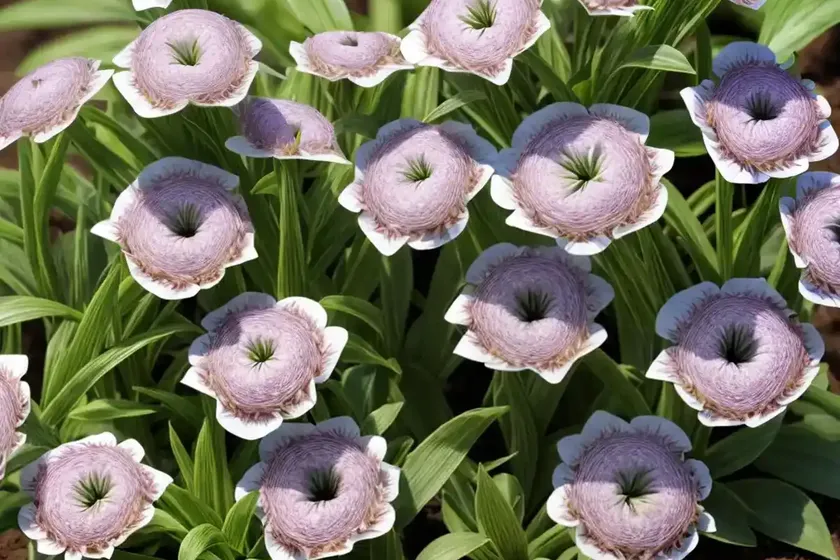
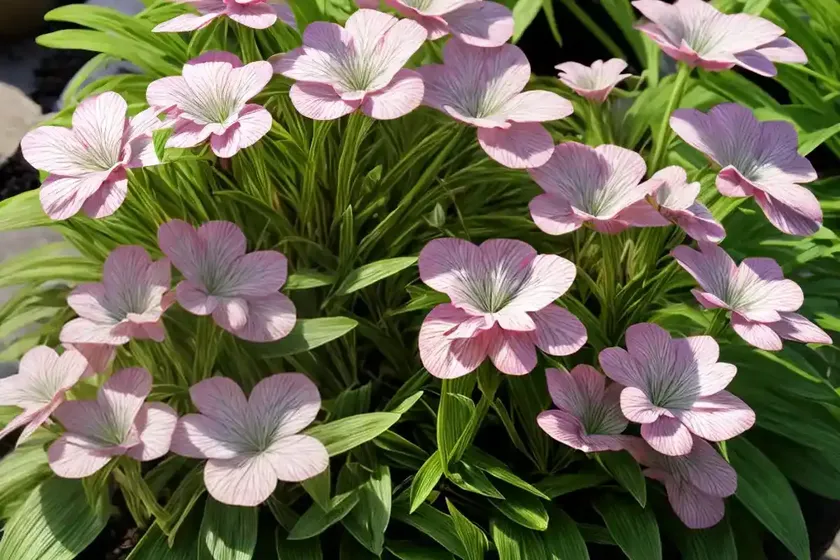
Evolvulus is a stunning genus of plants that encompasses around 100 species of flowering plants. They are commonly known for their delicate, sky-blue flowers that brighten up any garden or landscape background. Evolvulus plants are valued for their low maintenance, attractive foliage, and versatility, making them a popular choice among gardeners and landscape enthusiasts.
This comprehensive guide will delve into the culture, uses, care requirements, and unique characteristics of Evolvulus plants. Whether you are a seasoned gardener or a beginner looking to incorporate these charming plants into your green space, this guide will provide you with all the essential insights to cultivate and appreciate Evolvulus to the fullest.
What is Evolvulus?
Evolvulus, commonly known as “blue daze,” is a genus of flowering plants belonging to the Convolvulaceae family. These herbaceous perennials are native to tropical and subtropical regions and are renowned for their beautiful trumpet-shaped, blue blooms. While there are numerous species within the genus, Evolvulus glomeratus, also referred to as Hawaiian Blue Eyes, is one of the most popular and widely cultivated species in the horticultural world.
Evolvulus plants are characterized by their trailing or mounding growth habit, making them ideal choices for ground cover, hanging baskets, rock gardens, and mixed planters. Their versatility and adaptability to various growth conditions contribute to their popularity as ornamental plants.
Evolvulus – Key Takeaways
Before delving into the specific aspects of Evolvulus plant care and cultivation, let’s explore the key takeaways associated with these charming plants:
- Scientific Name: Evolvulus
- Common Names: Blue Daze, Hawaiian Blue Eyes
- Plant Type: Herbaceous Perennial
- Notable Feature: Stunning sky-blue flowers
- Versatility: Suitable for ground cover, hanging baskets, rock gardens, and mixed planters
- Low Maintenance: Thrives in low-maintenance garden settings
- Attracts Pollinators: Known to attract butterflies and other pollinating insects
Now that we’ve established an overview of Evolvulus, it’s time to dive into the essential aspects of caring for and utilizing these enchanting plants.
Culture and Uses
Understanding the optimal culture and uses of Evolvulus is fundamental to ensuring the successful growth and integration of these plants in diverse garden and landscape settings. Let’s explore the cultural requirements and versatile applications of Evolvulus in greater detail.
Water
Evolvulus plants exhibit moderate water needs and are relatively drought-tolerant once established. While they can withstand periods of dryness, consistent watering is essential during the initial establishment phase and in prolonged periods of drought. These plants prefer well-draining soil to prevent waterlogging, which can lead to root rot and other moisture-related issues.
Sunlight
Evolvulus thrives in full sun to partial shade, making it adaptable to a wide range of light conditions. However, to encourage prolific flowering and robust growth, it is advisable to provide these plants with ample sunlight. In regions with scorching summer temperatures, providing some afternoon shade can help protect the plants from excessive heat stress.
Fertilizer
When it comes to fertilizing Evolvulus, a balanced, slow-release fertilizer applied in early spring can provide the necessary nutrients for healthy growth and blooming. Additionally, incorporating organic matter into the soil during planting or mulching with organic materials can enhance the overall soil fertility and contribute to the long-term well-being of the plants.
Soil
Evolvulus plants thrive in well-draining, moderately fertile soil. They are adaptable to various soil types, including sandy loam, clay loam, and rocky soils, as long as proper drainage is ensured. Amending the soil with organic matter can further improve its structure and nutrient content, promoting optimal growth and development.
Pruning
Pruning Evolvulus is relatively straightforward and primarily involves trimming back the plants to maintain their desired shape and promote bushier growth. Regular deadheading of spent blooms can prolong the flowering period and encourage the continuous production of new flowers. In addition, removing any leggy or overgrown stems can rejuvenate the plants and enhance their overall appearance.
Propagation
Evolvulus can be propagated through stem cuttings, division, or seeds. Stem cuttings taken from healthy, actively growing plants can be rooted in a moist, well-draining medium to produce new plants. Division of established clumps and sowing seeds in suitable growing conditions are also viable methods for expanding the population of Evolvulus in a garden or landscape.
Container Popularity
Evolvulus is a popular choice for container gardening due to its compact growth habit, attractive foliage, and abundant blooms. These plants can thrive in containers placed on patios, balconies, or along pathways, adding a vibrant touch to confined outdoor spaces.
Common Diseases
Evolvulus is generally resilient to many common plant diseases; however, certain factors such as overwatering, poor air circulation, and excessive humidity can predispose them to fungal issues like powdery mildew and root rot. Implementing proper cultural practices and ensuring optimal growing conditions can mitigate the risk of disease development.
Disease Diagnosis
Diagnosing potential diseases in Evolvulus involves careful observation of the plants for any unusual symptoms such as white powdery patches on the foliage, yellowing or wilting of leaves, or stunted growth. Prompt intervention with appropriate fungicides or cultural adjustments can effectively manage and prevent the spread of diseases.
Common Pests
While Evolvulus is relatively resistant to pest infestations, occasional encounters with pests such as aphids, whiteflies, and spider mites can occur. Regular monitoring of the plants and the implementation of natural or targeted pest control measures can help deter these unwanted visitors and maintain the health of the plants.
Botanist’s Tips
As a plant scientist, I have gathered valuable insights and recommendations for the successful cultivation and enjoyment of Evolvulus. Here are a few botanist’s tips to enhance your experience with these captivating plants:
-
Mulching: Applying a layer of organic mulch around Evolvulus plants can regulate soil temperature, conserve moisture, and deter weed growth, contributing to overall plant health.
-
Companion Planting: Pairing Evolvulus with other sun-loving, drought-tolerant plants such as sedums, lantanas, and salvias can create visually appealing and ecologically beneficial garden compositions.
-
Seasonal Care: During periods of extreme heat or prolonged drought, providing supplemental watering and temporary shading for Evolvulus can help alleviate stress and sustain their vitality.
-
Wildlife Support: In addition to attracting butterflies, Evolvulus can serve as a valuable resource for pollinators and beneficial insects, enriching the biodiversity of the surrounding ecosystem.
Fun Facts
Uncovering the intriguing facets of Evolvulus can deepen your appreciation for these enchanting plants. Here are some fun facts about Evolvulus to pique your interest:
- The genus name “Evolvulus” is derived from the Latin word “evolvere,” meaning “to unroll” or “to unfold,” referencing the plant’s coiled or twisted corolla.
- Evolvulus flowers are known to possess ethereal, sky-blue hues that evoke a sense of tranquility and serenity in garden landscapes.
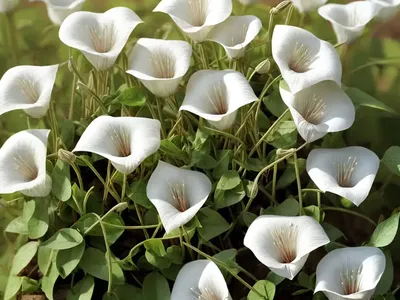
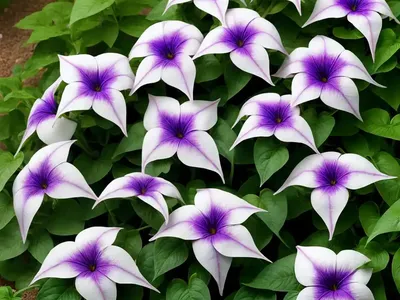
- While the most recognized color of Evolvulus flowers is blue, certain species and cultivars also offer subtle variations, including shades of pink, white, and lavender.
- In addition to their ornamental value, some species of Evolvulus are utilized in traditional herbal medicine for their purported medicinal properties.
Now that we’ve explored the captivating features of Evolvulus, it’s essential to provide access to trusted external resources for further information and guidance on cultivating these delightful plants.
Links to External Resources
For additional insights and in-depth guidance on Evolvulus plants, I recommend consulting the following reputable sources:
- Evolvulus Secrets Unveiled: The American Convolvulaceae Society
- Evolvulus Cultivation Guidelines: Royal Horticultural Society
- Evolvulus Varieties and Landscaping Ideas: National Gardening Association
- Evolvulus Disease Management and Pest Control: University Extension Programs
These resources will provide comprehensive knowledge and practical strategies for successfully incorporating Evolvulus into your garden and landscape projects.
In conclusion, the allure of Evolvulus as a versatile, low-maintenance, and visually captivating plant makes it a valuable addition to any horticultural repertoire. By embracing the cultural recommendations, leveraging botanical insights, and exploring the diverse applications of Evolvulus, you can cultivate thriving and aesthetically pleasing displays that enrich the outdoor environments and inspire admiration for the natural world.
I trust that this comprehensive guide has equipped you with the knowledge and inspiration to embark on a rewarding journey with Evolvulus, and I encourage you to explore the boundless possibilities of integrating these charming plants into your green spaces.
Happy gardening!
References
– American Convolvulaceae Society. “Evolvulus Secrets Unveiled”. https://convolvulaceae.org
– Royal Horticultural Society. “Evolvulus Cultivation Guidelines”. https://www.rhs.org.uk
– National Gardening Association. “Evolvulus Varieties and Landscaping Ideas”. https://garden.org
– University Extension Programs. “Evolvulus Disease Management and Pest Control”. https://extension.edu