Evergreen Azalea (Rhododendron ‘Rosebud’) Care Guide and Growing Tips
Evergreen Azaleas are popular ornamental plants admired for their beautiful blooms and lush foliage. Among the various stunning varieties, the Rhododendron ‘Rosebud’ stands out for its vibrant flowers and compact growth habit. In this comprehensive care guide, we will explore the various aspects of nurturing and maintaining the evergreen azalea, specifically focusing on the Rhododendron ‘Rosebud’ variety.
What is the Evergreen Azalea (Rhododendron ‘Rosebud’)?
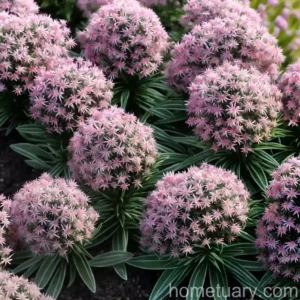
The Rhododendron ‘Rosebud’ is a compact, evergreen azalea variety known for its stunning, rose-pink flowers that exhibit unique ruffled petals. This charming plant is a part of the Rhododendron genus, belonging to the Ericaceae family. With its moderate growth rate and attractive foliage, the ‘Rosebud’ variety has gained popularity among gardeners and landscape enthusiasts.
Key Takeaways – Evergreen Azalea (Rhododendron ‘Rosebud’)
Before delving into the specifics of caring for the Rhododendron ‘Rosebud,’ here are some key takeaways about this distinctive evergreen azalea variety:
- Beautiful rose-pink flowers with ruffled petals
- Compact growth habit
- Moderate growth rate
- Evergreen foliage
- Popular choice for ornamental gardens and landscapes
Now that we have an overview of the Rhododendron ‘Rosebud,’ let’s move on to explore the essential guidelines for its successful cultivation and maintenance.
Culture
Uses
The evergreen azalea, particularly the Rhododendron ‘Rosebud,’ is widely utilized for various landscape and garden applications, including:
- Ornamental Gardens: The vibrant blooms and lush foliage make it a charming addition to flower beds and garden borders.
- Containers and Patio Gardens: Its compact growth habit makes it suitable for container gardening, adding color to patios and balconies.
- Mass Plantings: The ‘Rosebud’ variety is often used for mass plantings in gardens and commercial landscapes, creating stunning visual displays.
Care Guidelines
Successfully growing and nurturing the Rhododendron ‘Rosebud’ requires careful attention to its specific cultural requirements. Below, we’ll explore key factors, including water, sunlight, fertilizer, soil, pruning, propagation, and container considerations.
Water
Proper watering is essential for the health and vitality of evergreen azaleas. Here are some important tips for watering the Rhododendron ‘Rosebud’:
- Regular Moisture: Evergreen azaleas, including the ‘Rosebud,’ prefer consistently moist, well-draining soil. Water the plant regularly, especially during dry spells, to maintain optimal moisture levels.
- Avoid Waterlogging: Ensure that the soil is well-draining to prevent waterlogging, which can lead to root rot and other moisture-related issues.
- Mulching: Apply a layer of organic mulch around the base of the plant to help retain soil moisture and regulate temperature.
Sunlight
Proper sunlight exposure is crucial for the Rhododendron ‘Rosebud’ to thrive and produce abundant blooms. Consider the following sunlight guidelines:
- Partial Shade: Evergreen azaleas generally prefer partial shade, especially in regions with hot summers. Provide dappled sunlight or light shade to protect the plant from intense midday sun.
- Morning Sun: Morning sunlight is beneficial for evergreen azaleas, as it is milder and helps promote healthy growth and flowering.
Fertilizer
The proper application of fertilizer can significantly impact the growth and blooming of the Rhododendron ‘Rosebud.’ Here are some fertilizer guidelines to consider:
- Acidic Fertilizer: Evergreen azaleas thrive in acidic soil conditions. Use a balanced, slow-release, acid-forming fertilizer specifically formulated for azaleas and rhododendrons.
- Spring Feeding: Apply a balanced fertilizer in early spring before the growing season to provide essential nutrients for vigorous growth and flower production.
- Avoid Over-fertilization: Be cautious not to over-fertilize the ‘Rosebud’ variety, as excessive nutrients can lead to foliage burn and other adverse effects.
Soil
The right soil conditions are crucial for evergreen azaleas to establish and flourish. Consider the following soil requirements for the Rhododendron ‘Rosebud’:
- Acidic pH: Evergreen azaleas, including the ‘Rosebud,’ thrive in acidic soil with a pH range of 4.5 to 6.0. Test the soil pH and amend it as needed to create optimal growing conditions.
- Well-Draining Soil: Ensure the soil is well-draining to prevent waterlogged conditions, which can be detrimental to the plant’s root system.
- Organic Matter: Incorporate organic matter, such as peat moss or compost, into the soil to improve its structure, moisture retention, and nutrient content.
Pruning
Pruning is an essential part of maintaining the shape, health, and flowering potential of evergreen azaleas. Here are some pruning techniques and guidelines for the Rhododendron ‘Rosebud’:
- Post-Bloom Pruning: Perform light pruning immediately after the flowering period to shape the plant and remove any spent blooms or damaged branches.
- Minimal Pruning: Avoid extensive pruning, especially during the late summer and fall, as it can remove the flower buds for the following season.
- Selective Pruning: Remove any dead, weak, or crossing branches to improve air circulation and overall plant vigor.
Propagation
Propagating the Rhododendron ‘Rosebud’ allows for the expansion of its presence in the garden or landscape. Consider the following methods for propagating evergreen azaleas:
- Stem Cuttings: Propagate the ‘Rosebud’ variety from semi-hardwood cuttings taken in summer. Prepare the cuttings with a rooting hormone and place them in a well-draining propagation medium.
- Air Layering: Another technique for propagating evergreen azaleas involves air layering, where a section of a lower branch is encouraged to develop roots while still attached to the parent plant.
- Division: Over time, mature azaleas can be carefully divided to create new plants, each with its own root system.
Container Popularity
The compact growth habit and ornamental appeal of the Rhododendron ‘Rosebud’ make it a popular choice for container gardening. Here are some special considerations for growing evergreen azaleas in containers:
- Appropriate Containers: Select large, well-draining containers to accommodate the root system and provide ample room for growth.
- Acidic Potting Mix: Use a high-quality, acidic potting mix designed for azaleas and camellias to ensure proper nutrient availability and soil pH.
- Regular Watering: Container-grown evergreen azaleas may require more frequent watering to maintain consistent soil moisture levels.
Common Diseases
While evergreen azaleas are generally robust, they can be susceptible to certain diseases under unfavorable conditions. Here are some common diseases that may affect the Rhododendron ‘Rosebud’:
- Powdery Mildew: This fungal disease can cause a powdery, whitish coating on the leaves, affecting the plant’s overall health and appearance.
- Leaf Spot: Leaf spot diseases can lead to the development of dark, discolored spots on the foliage, potentially impacting the plant’s vigor.
- Phytophthora Root Rot: Waterlogged or poorly drained soil can contribute to the development of root rot, leading to wilting and decline in affected plants.
Disease Diagnosis
Diagnosing and addressing diseases in evergreen azaleas requires careful observation and prompt intervention. Here are some tips for diagnosing and managing common diseases in the Rhododendron ‘Rosebud’:
- Visual Inspection: Regularly inspect the foliage and overall appearance of the plant for any signs of discoloration, spots, or abnormal growth.
- Proper Watering: Avoid overwatering and ensure proper drainage to prevent moisture-related diseases such as powdery mildew and root rot.
- Fungicidal Treatment: If diagnosed early, fungal diseases can often be managed with appropriate fungicidal treatments, following label instructions carefully.
Common Pests
Evergreen azaleas may also encounter pest infestations that can impact their overall health and appearance. Here are some common pests that may affect the Rhododendron ‘Rosebud’:
- Azalea Lace Bug: These small, winged insects can cause stippling and discoloration on the foliage, leading to diminished plant vitality.
- Spider Mites: Infestations of spider mites can result in fine webbing on the foliage and visible damage, particularly in hot and dry conditions.
- Scale Insects: Scale insects can appear as small, waxy bumps along stems and leaves, feeding on plant sap and potentially weakening the plant.
Botanist’s Tips
In addition to the specific care guidelines outlined above, here are some general tips and suggestions from botanists and experienced gardeners for growing and maintaining the Rhododendron ‘Rosebud’:
- Regular Monitoring: Keep a close eye on the plant’s growth, foliage appearance, and overall health, promptly addressing any issues that arise.
- Soil Testing: Periodically test the soil pH and nutrient levels to ensure that the growing conditions remain favorable for evergreen azaleas.
- Seasonal Considerations: Consider the plant’s specific needs during different seasons, such as adjusting watering and fertilization in response to changing environmental conditions.
Fun Facts
To further appreciate the charm and allure of the Rhododendron ‘Rosebud’ and evergreen azaleas in general, here are some fun and interesting facts about these beloved ornamental plants:
- Traditional Symbolism: Azaleas are often associated with sentiments of love and romance, making them popular choices for wedding bouquets and floral arrangements.
- Historical Significance: Evergreen azaleas have been cultivated for centuries, with some varieties tracing their origins back to ancient Asian and European horticultural traditions.
- Habitat Diversity: The genus Rhododendron encompasses a wide range of species, with evergreen azaleas displaying remarkable diversity in flower colors, forms, and growth habits.
Links to External Resources
For additional information, inspiration, and practical guidance on growing and caring for evergreen azaleas, including the Rhododendron ‘Rosebud,’ consider exploring the following external resources:
- American Rhododendron Society
- Royal Horticultural Society – Azaleas and Rhododendrons
- University of Georgia Extension – Selecting Landscape Plants: Azaleas
In conclusion, the evergreen azalea, particularly the captivating Rhododendron ‘Rosebud,’ embodies natural elegance and ornamental beauty, enriching gardens and landscapes with its vibrant blooms and enduring foliage. By following the recommended care guidelines and incorporating expert insights, gardeners can cultivate thriving, picturesque displays of evergreen azaleas, creating lasting admiration and enjoyment.
Now, I believe I have covered the necessary details about caring for the evergreen azalea (Rhododendron ‘Rosebud’). If there’s anything else you’d like to learn about or if specific aspects need further elaboration, please feel free to ask!