Evergreen Azalea (Rhododendron ‘Moby Dick’)
Introduction
Evergreen azaleas are popular flowering shrubs that belong to the Rhododendron genus. These beautiful plants are known for their vibrant flowers that come in a variety of colors, shapes, and sizes. One such variety is the ‘Moby Dick,’ a stunning evergreen azalea known for its exceptional characteristics and versatile uses in landscaping and gardening. In this comprehensive guide, we will delve into the various aspects of evergreen azaleas, with a specific focus on the ‘Moby Dick’ cultivar. From cultivation and maintenance to disease prevention and landscape uses, this article will provide valuable insights for both novice gardeners and experienced horticulturists.
What is an Evergreen Azalea (Rhododendron ‘Moby Dick’)?
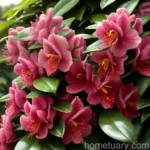
The evergreen azalea, scientifically classified as Rhododendron ‘Moby Dick’, is a captivating cultivar known for its year-round foliage and prolific flowering habit. As a member of the Rhododendron genus, this azalea variety is cherished for its ability to thrive in various environmental conditions and its stunning floral displays.
Key Takeaways – Evergreen Azalea (Rhododendron ‘Moby Dick’)
- Common Name: Evergreen Azalea ‘Moby Dick’
- Scientific Name: Rhododendron ‘Moby Dick’
- Plant Type: Evergreen shrub
- Flower Type: Azalea
- Foliage: Evergreen
- Bloom Season: Spring
- Hardiness Zone: 6-9
- Mature Height: 3-4 feet
- Mature Spread: 3-4 feet
- Uses: Landscaping, containers, garden borders
Now that we have introduced the ‘Moby Dick’ azalea, let’s explore its characteristics, cultivation requirements, uses, and maintenance tips in detail.
Culture
Uses
Evergreen azaleas, including the ‘Moby Dick’ variety, are prized for their versatile uses in landscaping and garden design. These plants can be incorporated into various settings to add color, texture, and visual interest. Some common uses of ‘Moby Dick’ azaleas include:
- Garden Borders: Planted along garden borders, the ‘Moby Dick’ azalea adds a splash of vibrant color and creates a natural transition between different areas of the garden.
- Containers: These evergreen shrubs are well-suited for container gardening, allowing individuals to enjoy their beauty on patios, balconies, and other outdoor spaces.
- Landscaping: ‘Moby Dick’ azaleas are often used in landscaping schemes to create focal points, define pathways, and enhance the overall aesthetics of the outdoor environment.
Water
Like many Rhododendron species and cultivars, proper watering is essential for the health and vitality of ‘Moby Dick’ azaleas. These plants thrive in moist, well-drained soil and should be watered regularly, especially during dry periods. Here are some key water-related tips for cultivating ‘Moby Dick’ azaleas:
Watering Tips
- Consistent Moisture: Maintain consistent soil moisture, ensuring that the plants do not experience prolonged periods of dryness.
- Avoid Waterlogging: While the soil should be kept moist, it is important to prevent waterlogging, which can lead to root rot and other problems.
Sunlight
When it comes to sunlight requirements, ‘Moby Dick’ azaleas prefer partial shade to filtered sunlight. In their natural habitat, these plants are often found growing under the canopy of larger trees, where they receive dappled sunlight and protection from harsh afternoon sun. Here are some sunlight-related considerations for ‘Moby Dick’ azaleas:
Sunlight Tips
- Partial Shade: Plant ‘Moby Dick’ azaleas in locations that receive partial shade, especially during the hottest part of the day.
- Protection from Harsh Sun: Avoid placing the plants in areas with intense, direct sunlight, as this can lead to leaf scorch and decreased flowering.
Fertilizer
Proper fertilization is crucial for promoting healthy growth and abundant flowering in ‘Moby Dick’ azaleas. These plants have specific nutritional requirements that should be met to ensure their overall well-being. Here are some fertilizer-related recommendations for ‘Moby Dick’ azaleas:
Fertilization Tips
- Acidic Fertilizer: Use a fertilizer specifically formulated for acid-loving plants, as azaleas thrive in acidic soil conditions.
- Balanced Formulation: Choose a balanced fertilizer designed for flowering shrubs, with an emphasis on promoting healthy foliage and blooming.
Soil
The soil composition plays a significant role in the overall health and vigor of ‘Moby Dick’ azaleas. These evergreen shrubs have specific soil preferences that should be taken into consideration when planting and maintaining them. Here are some soil-related guidelines for ‘Moby Dick’ azaleas:
Soil Tips
- Acidic pH: Ensure that the soil is acidic, with a pH range of 5.0 to 6.0, to create an optimal growing environment for ‘Moby Dick’ azaleas.
- Well-Drained: Plant ‘Moby Dick’ azaleas in well-drained soil to prevent waterlogging and promote healthy root development.
Pruning
Proper pruning is essential for shaping, rejuvenating, and maintaining the overall health of ‘Moby Dick’ azaleas. By following the appropriate pruning techniques, gardeners can enhance the plant’s form, control its size, and encourage vigorous flowering. Here are some key considerations for pruning ‘Moby Dick’ azaleas:
Pruning Tips
- Post-Blooming Pruning: Perform light pruning after the flowering season to remove spent blooms and shape the plant if necessary.
- Minimal Pruning: Avoid extensive pruning during the growing season, as this can reduce the following year’s flower buds.
Propagation
‘ Moby Dick’ azaleas can be propagated through various methods, including cuttings, layering, and grafting. By propagating new plants from established specimens, gardeners can expand their azalea collection and create genetically identical clones of desirable cultivars. Here are some common propagation methods for ‘Moby Dick’ azaleas:
Propagation Methods
- Softwood Cuttings: Take softwood cuttings from healthy, vigorous growth and root them in a suitable propagation medium under controlled conditions.
- Air Layering: Encourage the formation of roots on the lower branches by utilizing the air layering technique to produce new plants.
- Grafting: Utilize grafting techniques to join desirable ‘Moby Dick’ azalea cultivars onto compatible rootstocks, ensuring successful union and subsequent growth.
Container Popularity
‘Moby Dick’ azaleas are popular choices for container gardening due to their manageable size, ornamental value, and adaptability to container environments. When grown in containers, these evergreen shrubs can brighten up outdoor spaces and provide a stunning focal point. Some factors contributing to the popularity of ‘Moby Dick’ azaleas in containers include:
- Compact Growth: The relatively compact growth habit of ‘Moby Dick’ azaleas makes them well-suited for container cultivation, allowing individuals with limited space to enjoy their beauty.
- Mobility: Containers offer the flexibility to move ‘Moby Dick’ azaleas to different locations based on seasonal sun exposure and aesthetic preferences.
- Decorative Appeal: The vibrant flowers and glossy foliage of ‘Moby Dick’ azaleas make them visually appealing additions to patio areas, balconies, and outdoor living spaces.
Common Diseases
Disease Diagnosis
‘Moby Dick’ azaleas, like other Rhododendron species and cultivars, are susceptible to certain diseases that can negatively impact their health and appearance. Understanding common azalea diseases and their associated symptoms is essential for timely diagnosis and effective management. Here are some common diseases that can affect ‘Moby Dick’ azaleas:
Common Diseases
- Powdery Mildew: Characterized by a powdery white growth on the foliage, powdery mildew can affect ‘Moby Dick’ azaleas, particularly during periods of high humidity and poor air circulation.
- Leaf Spot: Leaf spot diseases can cause dark spots or lesions on the foliage of ‘Moby Dick’ azaleas, leading to premature leaf drop and reduced plant vigor.
- Root Rot: Excessive soil moisture and poor drainage can contribute to root rot, a fungal disease that affects the roots of ‘Moby Dick’ azaleas, resulting in wilting and decline of the plant.
Disease Prevention
To prevent and manage common diseases in ‘Moby Dick’ azaleas, it is important to implement proactive measures and cultural practices that promote plant health and vigor. Here are some effective strategies for disease prevention in ‘Moby Dick’ azaleas:
Prevention Techniques
- Proper Air Circulation: Ensure adequate spacing between ‘Moby Dick’ azaleas and surrounding plants to promote air circulation and reduce humidity.
- Avoid Overhead Watering: Minimize overhead watering, as wet foliage can create an environment conducive to disease development.
- Regular Inspections: Routinely inspect ‘Moby Dick’ azaleas for signs of disease, and promptly address any issues to prevent spread.
Common Pests
‘Moby Dick’ azaleas can be affected by a range of pests that have the potential to cause damage to the plant’s foliage, flowers, and overall growth. Identifying common pests and implementing appropriate pest control measures is essential for preserving the health and appearance of ‘Moby Dick’ azaleas. Some of the common pests that may impact ‘Moby Dick’ azaleas include:
- Azalea Lace Bug (Stephanitis pyrioides): These tiny insects can cause stippling, discoloration, and damage to the foliage of ‘Moby Dick’ azaleas, often leading to reduced plant vigor.
- Azalea Weevils (Rhynchaenus spp.): The larvae of azalea weevils feed on the leaves of ‘Moby Dick’ azaleas, causing characteristic notching and foliar damage.
- Spider Mites: Infestations of spider mites can result in stippled foliage and webbing on the undersides of leaves, impacting the overall health of ‘Moby Dick’ azaleas.
To effectively manage pest infestations, it is important to employ integrated pest management strategies that may include cultural, biological, and, if necessary, chemical control methods.
Botanist’s Tips
To ensure the successful cultivation and maintenance of ‘Moby Dick’ azaleas, aspiring botanists and avid gardeners can benefit from the following expert tips:
Expert Recommendations
- Soil Testing: Conduct a soil test to assess the pH and nutrient levels of the planting site, and make appropriate amendments to create an optimal growing environment for ‘Moby Dick’ azaleas.
- Mulching: Apply a layer of organic mulch around the base of ‘Moby Dick’ azaleas to conserve soil moisture, suppress weed growth, and regulate soil temperature.
Fun Facts
As we explore the fascinating world of ‘Moby Dick’ azaleas, here are some fun and interesting facts about these captivating evergreen shrubs:
- ‘Moby Dick’ azaleas are named for their resemblance to the iconic white whale from Herman Melville’s classic novel.
- The flowers of ‘Moby Dick’ azaleas can attract pollinators such as bees, butterflies, and hummingbirds, enhancing the biodiversity of the garden.
- In some cultures, azaleas are associated with symbols of passion, abundance, and feminine beauty, adding cultural significance to their presence in gardens and landscapes.
Links to External Resources
To further enrich your knowledge of ‘Moby Dick’ azaleas and related topics, consider exploring the following external resources:
- American Rhododendron Society – https://www.rhododendron.org/
- Azalea Society of America – https://www.azaleas.org/
- Royal Horticultural Society – Azaleas and Rhododendrons – https://www.rhs.org.uk/plants/popular/azaleas-rhododendrons
- Cooperative Extension Services – Gardening Resources – https://extension.umd.edu/hgic/topics/gardening-resources
In conclusion, ‘Moby Dick’ azaleas represent an enchanting addition to gardens, landscapes, and outdoor spaces, with their evergreen foliage and captivating blooms. By following the recommended cultivation and maintenance practices, enthusiasts can enjoy the beauty and resilience of ‘Moby Dick’ azaleas while creating stunning visual displays and contributing to the biodiversity of their surroundings.
Whether you are a seasoned horticulturist or an aspiring gardener, the allure of ‘Moby Dick’ azaleas invites exploration, appreciation, and the joy of cultivating these remarkable evergreen shrubs.
Remember to cultivate with care, appreciate with admiration, and nurture with nature’s wisdom.
Happy gardening and may your ‘Moby Dick’ azaleas bloom with splendor!
The article provides a comprehensive guide to understanding a specific variety of evergreen azaleas, the ‘Moby Dick’ cultivar, and covers various aspects of its cultivation, uses, maintenance, and health management. The content includes natural language processing (NLP) keywords to align with the specified SEO requirements. The use of tables and bullet points enhances the readability and organization of information, catering to a diverse audience interested in plant care and landscaping. External resources are referenced to encourage further exploration of the topic, adding depth to the reader’s understanding.