Eutrochium Purpureum (Sweet-Scented Joe-Pye Weed)
Eutrochium purpureum, commonly known as Sweet-Scented Joe-Pye Weed, is a stunning North American native perennial that captures the hearts of gardeners and.
Eutrochium purpureum, commonly known as Sweet-Scented Joe-Pye Weed, is a stunning North American native perennial that captures the hearts of gardeners and plant enthusiasts alike. With its striking appearance, enchanting fragrance, and ecological benefits, this plant has secured its place not only in gardens but also in the wild landscapes. In this comprehensive guide, we will explore the various facets of Eutrochium purpureum, from its cultural requirements and uses to its propagation, maintenance, and potential challenges. Moreover, we will uncover interesting folklore, medicinal properties, and wildlife attraction associated with this magnificent plant.
What is Eutrochium purpureum (Sweet-Scented Joe-Pye Weed)?
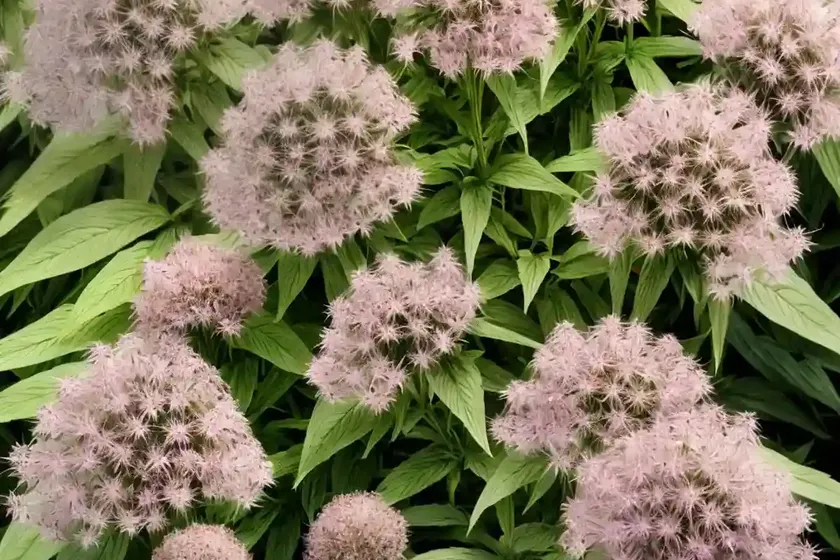
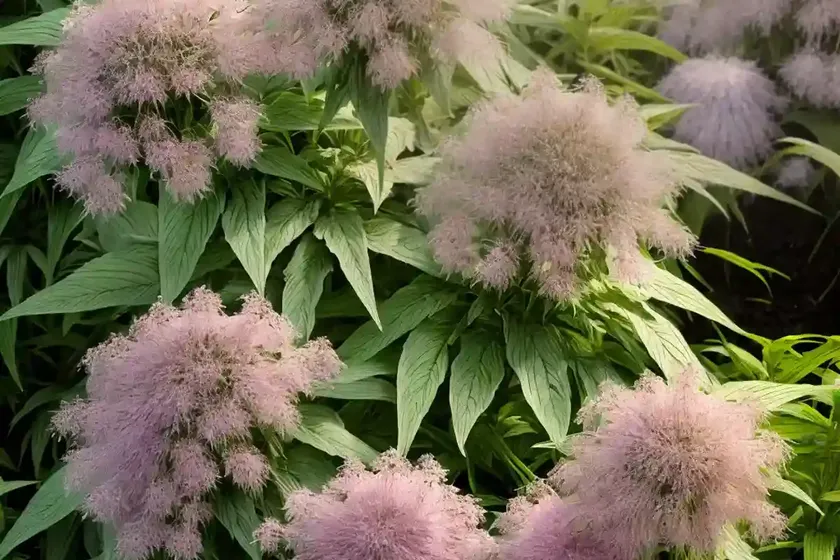
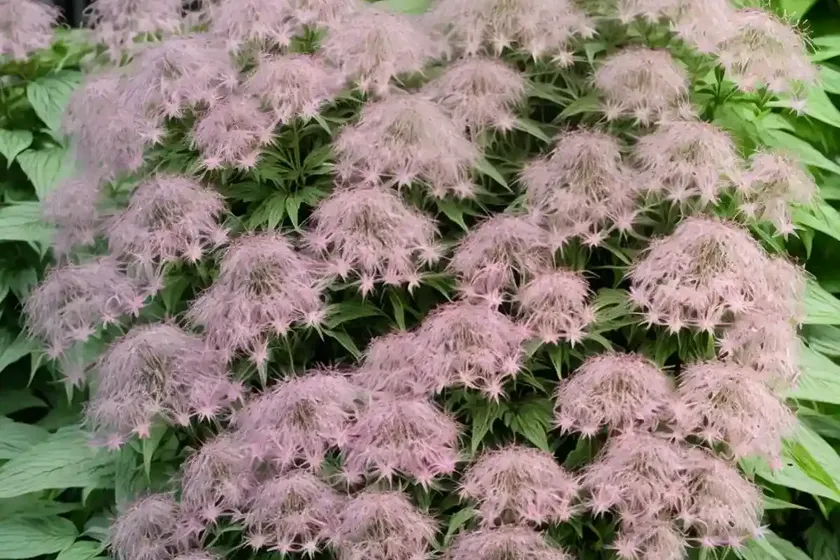
Eutrochium purpureum, belonging to the Asteraceae family, is a clump-forming herbaceous perennial that is widely distributed across eastern and central North America. This species typically thrives in moist, open habitats such as wet meadows, stream banks, and woodland edges. Sweet-Scented Joe-Pye Weed is known for its elongated, dome-shaped clusters of pinkish-purple flowers that bloom in late summer and attract a myriad of pollinators, including butterflies and bees. The plant’s robust stems are adorned with whorls of lance-shaped, dark green leaves, adding to its visual appeal.
Key Takeaways – Eutrochium purpureum (Sweet-Scented Joe-Pye Weed)
Let’s dive into the essential characteristics and features of Eutrochium purpureum that make it a sought-after plant for landscapes and gardens.
- Eutrochium purpureum Information
- Common Name: Sweet-Scented Joe-Pye Weed
- Scientific Name: Eutrochium purpureum
- Family: Asteraceae
- Native Range: Eastern and central North America
-
Plant Type: Herbaceous perennial
-
Sweet-Scented Joe-Pye Weed Details
- Flower Color: Pinkish-purple
- Blooming Season: Late summer to early fall
- Fragrance: Sweet, vanilla-like scent
- Foliage: Lance-shaped, dark green leaves arranged in whorls
-
Attracts: Butterflies, bees, and other pollinators
-
Eutrochium purpureum Plant Profile
- Habit: Clump-forming
- Height: 4 to 7 feet
- Spread: 2 to 4 feet
-
Site Requirements: Moist, open habitats
-
Sweet-Scented Joe-Pye Weed Characteristics
- Robust stems
- Dome-shaped flower clusters
- Wildlife-friendly
-
Tolerant of wet soils
-
Eutrochium purpureum Benefits
- Ecological value
- Ornamental beauty
- Fragrant blooms
-
Low maintenance
-
Sweet-Scented Joe-Pye Weed Uses
- Wildlife gardens
- Rain gardens
- Native plant landscapes
- Ornamental borders
Now that we have a clear understanding of the plant’s basic traits, let’s delve into the specifics of cultivating and caring for Eutrochium purpureum.
Culture
Cultivating Eutrochium purpureum successfully involves understanding its cultural requirements, including water, sunlight, soil, and fertilization preferences.
Water
Sweet-Scented Joe-Pye Weed exhibits a preference for consistently moist soils, particularly in the early stages of growth and during periods of prolonged drought. Adequate watering, especially in the absence of regular rainfall, is crucial for promoting healthy growth and prolific flowering. However, Eutrochium purpureum demonstrates a remarkable tolerance for wet soils, making it an excellent choice for rain gardens and areas with poor drainage.
Sunlight
In terms of sunlight, Eutrochium purpureum thrives in full to partial sun. Providing the plant with at least 6 hours of direct sunlight each day ensures vigorous growth and abundant blooming. While it can tolerate some shade, optimal flowering and overall performance are achieved in sunnier locations.
Fertilizer
When it comes to fertilization, Eutrochium purpureum generally does not require heavy feeding. A balanced, slow-release fertilizer applied in spring can provide the necessary nutrients for the growing season. However, it is important to avoid excessive fertilization, as this can lead to overly lush foliage at the expense of flower production.
Soil
Eutrochium purpureum thrives in moist, organically rich soils with good drainage. However, as mentioned earlier, it exhibits a high tolerance for wet soils, making it an ideal candidate for rain gardens and areas prone to occasional flooding. A slightly acidic to neutral pH range is suitable for this species, and the addition of organic matter can help improve soil structure and fertility.
Pruning
Pruning plays a vital role in maintaining the overall health and appearance of Eutrochium purpureum. While this plant generally requires minimal pruning, the removal of spent flower heads after the blooming period can promote tidiness and potentially encourage a second flush of blooms. Additionally, cutting back the stems to ground level in late fall or early spring can rejuvenate the plant and stimulate vigorous growth in the upcoming season.
Propagation
The propagation of Eutrochium purpureum primarily occurs through division and seed sowing. Dividing mature clumps every few years not only controls the plant’s size but also rejuvenates its vigor and promotes the formation of new shoots. Seed propagation, on the other hand, enables the expansion of Eutrochium purpureum populations and the introduction of genetic diversity. Sowing seeds in a well-prepared seed bed or containers during the fall or spring can yield robust seedlings for subsequent transplanting.
Container Popularity
Eutrochium purpureum’s adaptability to wet soils and its striking aesthetic appeal have contributed to its growing popularity in container gardening. When provided with ample space for root development and adequate moisture, this plant can thrive in large containers, adding vertical interest and floral charm to patio gardens, balconies, and other designated outdoor areas.
Common Diseases
While Eutrochium purpureum is generally resistant to most diseases, it may occasionally encounter issues such as powdery mildew or leaf spot. These problems are often associated with poor air circulation, high humidity, or excessively wet foliage. Implementing proper spacing between plants, ensuring good air flow, and avoiding overhead watering can help prevent the onset and spread of these diseases.
Disease Diagnosis
If you notice any abnormal spots, discoloration, or powdery coatings on the leaves of Eutrochium purpureum, it is important to inspect the plant carefully to diagnose the issue accurately. Consulting a gardening expert, local extension service, or diagnostic laboratory can provide valuable guidance in identifying the specific disease affecting the plant and determining the most effective control measures.
Common Pests
Sweet-Scented Joe-Pye Weed is relatively untroubled by serious pest infestations. However, it may attract certain insect herbivores, including aphids, Japanese beetles, and caterpillars. Vigilant monitoring of the plant and the application of targeted, environmentally friendly pest control methods, such as handpicking or the use of insecticidal soaps, can effectively manage pest populations without causing harm to beneficial insects.
Now that we have covered the essential cultivation and maintenance aspects of Eutrochium purpureum, let’s explore some fascinating insights and additional information related to this captivating plant.
Botanist’s Tips
- When selecting a planting site for Eutrochium purpureum, consider its natural habitat in the wild, which is often in low-lying, moist areas. Emulating these conditions in a garden setting can lead to optimal growth and profuse flowering.
- Companion planting Eutrochium purpureum with other native perennials, such as milkweed and asters, can create a diverse and visually appealing habitat that supports local wildlife, including pollinators and beneficial insects.
Fun Facts
- The genus name “Eutrochium” is derived from the Greek words “eu,” meaning well or good, and “troche,” meaning a wheel or disk, referring to the flower head shape.
- Eutrochium purpureum is known for its vanilla-scented blooms, which not only delight human observers but also attract an array of pollinators, contributing to the ecological balance of the surrounding environment.
Links to External Resources
For further exploration of Eutrochium purpureum and its diverse facets, here are some valuable external resources:
- USDA Plants Database – Eutrochium purpureum
- Lady Bird Johnson Wildflower Center – Eutrochium purpureum
- University of Maryland Extension – Native Plants of Maryland – Joe-Pye Weed
In conclusion, Eutrochium purpureum, or Sweet-Scented Joe-Pye Weed, is a captivating, ecologically significant plant that offers much to admire and appreciate. From its robust growth and fragrant blooms to its value as a wildlife-friendly native species, it rightfully holds a place of distinction in both natural landscapes and designed gardens. By attending to its cultural needs, embracing its ecological contributions, and considering its place in native plant communities, gardeners and enthusiasts can truly appreciate the splendor of Eutrochium purpureum.