Eutrochium Dubium ‘Baby Joe’ (Coastal Plain Joe Pye Weed)
Eutrochium dubium ‘Baby Joe’, commonly known as Coastal Plain Joe Pye Weed, is a beautiful and versatile perennial plant that is prized for its ornamental.
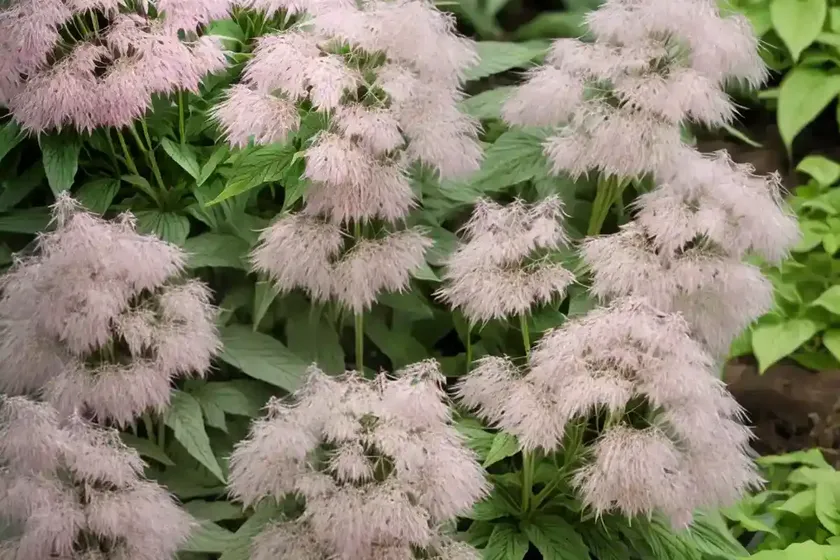
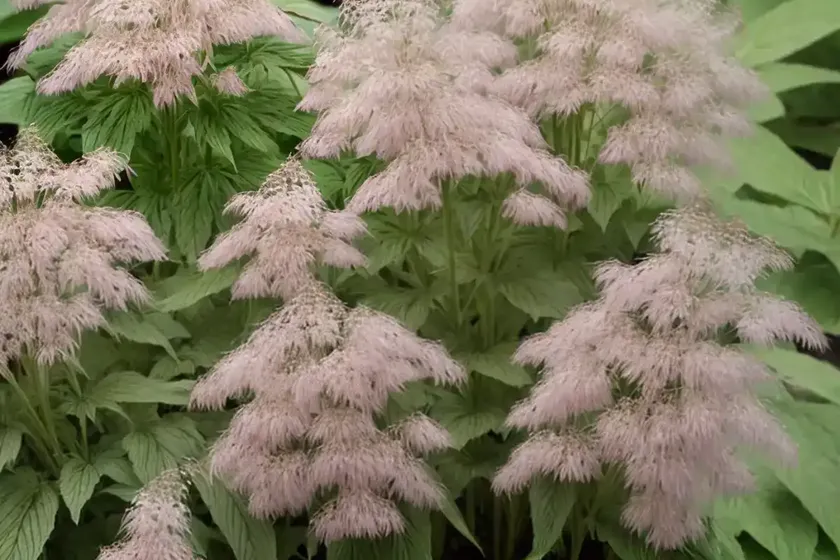
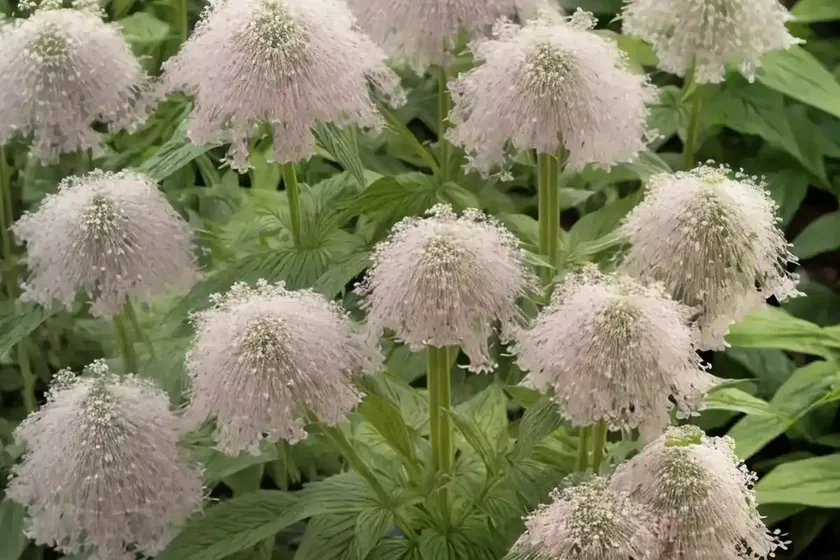
Eutrochium dubium ‘Baby Joe’, commonly known as Coastal Plain Joe Pye Weed, is a beautiful and versatile perennial plant that is prized for its ornamental qualities and its value to the environment. This plant is an excellent addition to any garden, especially for those aiming to attract pollinators and create a visually striking landscape. In this comprehensive guide, we will delve into the various aspects of Eutrochium dubium ‘Baby Joe’, including its characteristics, cultivation, uses, and much more.
Eutrochium dubium ‘Baby Joe’ Description
Eutrochium dubium ‘Baby Joe’ is a herbaceous perennial plant that belongs to the Asteraceae family. It is native to North America and is known for its sturdy upright stems and attractive dome-shaped clusters of tiny pink to purplish flowers. The foliage of the plant is also noteworthy, with elongated leaves that provide an excellent backdrop to the stunning blooms.
Benefits of Growing Eutrochium dubium ‘Baby Joe’
The cultivation of Eutrochium dubium ‘Baby Joe’ offers numerous benefits to gardeners and the environment. Its key advantages include:
- Attractive ornamental features
- Ability to attract pollinators, such as butterflies and bees
- Low maintenance requirements
- Versatility in landscaping applications
- Native plant with ecological value
This robust perennial is a valuable addition to any garden, imparting visual appeal and contributing to the local ecosystem by supporting pollinators.
Coastal Plain Joe Pye Weed Characteristics
Eutrochium dubium ‘Baby Joe’ possesses several distinctive characteristics that make it a sought-after plant for gardens and natural landscapes. The following are some key traits of this plant:
- Upright growth habit
- Showy dome-shaped flower clusters
- Long, lance-shaped leaves
- Tolerant of wet conditions
- Native to North America
These attributes make Eutrochium dubium ‘Baby Joe’ a versatile and desirable plant, particularly for gardens with a focus on native species and ecological sustainability.
Growing Eutrochium dubium ‘Baby Joe’ in Coastal Regions
The adaptability of Eutrochium dubium ‘Baby Joe’ to coastal regions makes it an excellent choice for gardens situated in such environments. When cultivating this plant in coastal areas, considerations for the prevailing conditions, such as salt content in the soil and exposure to wind, are essential to ensure successful growth and development.
Care Tips for Eutrochium dubium ‘Baby Joe’
Proper care is crucial for the successful cultivation of Eutrochium dubium ‘Baby Joe’. The following tips can help ensure optimal growth and blooming of this beautiful perennial:
Water
- Provide consistently moist soil, especially during the plant’s establishment period
- Ensure adequate drainage to prevent waterlogging, particularly in coastal areas where excessive moisture might be an issue
- Mulching can be beneficial to help retain soil moisture and suppress weed growth
Sunlight
- Plant Eutrochium dubium ‘Baby Joe’ in locations that receive full sun to partial shade
- In coastal regions, consider the impact of strong winds and select planting sites that offer some protection from exposure
Fertilizer
- Use a balanced, slow-release fertilizer during the growing season to support healthy growth and abundant blooms
- Incorporate organic matter into the soil prior to planting to provide essential nutrients
Soil
- Ensure that the soil is well-draining and rich in organic matter
- In coastal areas, consider the salinity of the soil and its potential impact on plant growth
Pruning
- Trim back the plant in early spring to promote bushier growth
- Deadhead spent flowers to encourage prolonged blooming
Eutrochium dubium ‘Baby Joe’ Plant Profile
The plant profile for Eutrochium dubium ‘Baby Joe’ encompasses various aspects of its growth requirements and visual appeal, making it an excellent candidate for inclusion in gardens and natural landscapes. The following details provide an overview of the plant’s profile:
- Scientific Name: Eutrochium dubium ‘Baby Joe’
- Common Name: Coastal Plain Joe Pye Weed
- Plant Type: Herbaceous perennial
- Flower Color: Pink to purplish
- Foliage: Lance-shaped leaves
- Height: Approximately 2 to 3 feet
- Spread: 1.5 to 2 feet
- Growth Habit: Upright
- Bloom Time: Late summer to early fall
- Native Range: North America
The captivating appearance and ecological value of Eutrochium dubium ‘Baby Joe’ make it a compelling choice for gardens and naturalistic plantings.
Coastal Plain Joe Pye Weed Varieties
While Eutrochium dubium ‘Baby Joe’ is a notable variety of Joe Pye Weed, there are several other cultivars and species within the Eutrochium genus. These variations offer diverse characteristics, including differences in height, flower color, and habitat preferences. Exploring the range of Joe Pye Weed varieties can provide gardeners with options that align with their specific design objectives and environmental conditions.
Eutrochium dubium ‘Baby Joe’ Uses in Landscaping
Eutrochium dubium ‘Baby Joe’ has various landscaping applications, owing to its ornamental and ecological attributes. Its uses in landscaping include:
- Providing height and structure in perennial borders
- Contributing to wildlife-friendly gardens as a pollinator attractant
- Adding visual interest to naturalistic and wildflower plantings
- Thriving in wetland gardens and rain gardens
- Serving as a versatile component in mixed herbaceous plantings
The versatility of Eutrochium dubium ‘Baby Joe’ makes it a valuable asset for creating diverse and sustainable landscapes.
How to Propagate Eutrochium dubium ‘Baby Joe’
Propagation of Eutrochium dubium ‘Baby Joe’ can be achieved through various methods, including division and seed sowing. Each approach offers specific advantages and considerations for successful propagation.
Propagation Methods
Division
- Divide established clumps in early spring
- Ensure that each division has sufficient root mass and shoot growth
- Replant divisions in prepared soil and water thoroughly
Seed Sowing
- Collect ripe seeds in the fall and store them in a cool, dry place
- Sow seeds in prepared seed trays or directly in the garden in the fall for natural stratification
- Cover seeds lightly with soil and ensure consistent moisture for germination
By employing these propagation methods, gardeners can expand their collection of Eutrochium dubium ‘Baby Joe’ and introduce this exceptional plant to new garden areas.
Coastal Plain Joe Pye Weed Traits
Coastal Plain Joe Pye Weed exhibits specific traits that contribute to its appeal and adaptability. Understanding these traits is valuable for effectively integrating it into garden settings and natural landscapes:
- Tolerance to wet conditions
- Long-lasting and showy blooms
- Wildlife-friendly by attracting pollinators
- Native to North America
- Ability to thrive in sunny locations
These inherent traits make Coastal Plain Joe Pye Weed a dependable and visually striking plant for a range of garden settings.
Eutrochium dubium ‘Baby Joe’ for Attracting Pollinators
The nectar-rich flowers of Eutrochium dubium ‘Baby Joe’ are highly attractive to pollinators, especially butterflies and bees. By including this plant in garden designs, individuals can actively support local pollinator populations and contribute to the overall ecosystem’s vitality.
Best Soil Conditions for Growing Eutrochium dubium ‘Baby Joe’
Eutrochium dubium ‘Baby Joe’ thrives in well-draining soil that is rich in organic matter. In coastal regions, especially those with the potential for high salinity, considerations for soil conditions are crucial. Testing the soil for salinity levels and implementing appropriate measures to mitigate its impact on plant growth are essential for successful cultivation.
Coastal Plain Joe Pye Weed Gardening Tips
When incorporating Coastal Plain Joe Pye Weed into garden designs, the following tips can facilitate its successful establishment and sustained growth:
- Select planting sites that offer adequate moisture and good drainage
- Consider companion plants that complement the ornamental qualities and growth habit of Eutrochium dubium ‘Baby Joe’
- Monitor soil salinity levels and adopt appropriate soil management practices in coastal settings
- Regularly deadhead spent flowers to prolong the blooming period
By following these practical gardening tips, individuals can optimize the performance of Coastal Plain Joe Pye Weed in their gardens.
Eutrochium dubium ‘Baby Joe’ as a Native Plant
The native status of Eutrochium dubium ‘Baby Joe’ endows it with unique ecological value and adaptability to local environmental conditions. Utilizing native plants, such as Coastal Plain Joe Pye Weed, in garden designs promotes biodiversity and supports the conservation of indigenous species.
Potential Pests and Diseases for Eutrochium dubium ‘Baby Joe’
While generally resilient, Eutrochium dubium ‘Baby Joe’ may encounter certain pests and diseases that can impact its growth and appearance. Common issues to be mindful of include:
Common Pests
- Aphids
- Caterpillars
- Japanese beetles
- Spider mites
Common Diseases
- Powdery mildew
- Leaf spot
- Root rot
Effective pest management practices and preemptive disease control measures can help safeguard the health and vitality of Coastal Plain Joe Pye Weed.
Coastal Plain Joe Pye Weed Drought Tolerance
Eutrochium dubium ‘Baby Joe’ exhibits moderate drought tolerance once established. However, consistent moisture is beneficial for optimal growth and abundant flowering. In coastal areas, watering practices should account for the potential impact of salt spray and soil salinity on the plant’s water requirements.
Eutrochium dubium ‘Baby Joe’ Companion Plants
Selecting suitable companion plants can enhance the visual appeal and ecological benefits of Eutrochium dubium ‘Baby Joe’ within garden designs. Compatible companion plants for Coastal Plain Joe Pye Weed include species that share similar cultural requirements and complement its ornamental features.
Eutrochium dubium ‘Baby Joe’ and Its Medicinal Uses
Historically, certain species within the Eutrochium genus, including Eutrochium dubium, have been utilized for their potential medicinal properties. However, it is essential to exercise caution and seek professional guidance before considering the use of any plant for medicinal purposes.
Coastal Plain Joe Pye Weed in Wetland Gardens
The affinity of Eutrochium dubium ‘Baby Joe’ for moist conditions makes it an excellent choice for inclusion in wetland gardens and landscapes designed to emulate natural wetland ecosystems. The presence of this plant contributes to the biodiversity and visual richness of such environments, further emphasizing its ecological significance.
Eutrochium dubium ‘Baby Joe’ Pruning Guide
Pruning Eutrochium dubium ‘Baby Joe’ plays a crucial role in maintaining its vigor and attractive appearance. The following guidelines can assist in effectively pruning this plant:
- Trim back the stems in early spring to promote compact, bushy growth
- Remove spent flower clusters to encourage continuous blooming and manage self-seeding
Growing Eutrochium dubium ‘Baby Joe’ from Seeds
The propagation of Eutrochium dubium ‘Baby Joe’ from seeds presents an opportunity for individuals to establish new plantings and expand the presence of this valuable species. By following appropriate seed sowing and germination practices, gardeners can successfully grow and nurture new generations of Coastal Plain Joe Pye Weed.
Coastal Plain Joe Pye Weed in Container Gardening
Eutrochium dubium ‘Baby Joe’ can be grown in containers, allowing individuals with limited garden space to enjoy the beauty and ecological benefits of this plant. When cultivating it in containers, attention to water and nutrient requirements is essential for maintaining its growth and flowering capacity.
Eutrochium dubium ‘Baby Joe’ and Its Wildlife Value
The ecological value of Eutrochium dubium ‘Baby Joe’ extends to its wildlife support, as the nectar-rich flowers attract a variety of pollinators, including butterflies and bees. By fostering a hospitable environment for these beneficial insects, gardeners can contribute to the broader preservation of local wildlife populations.
Eutrochium dubium ‘Baby Joe’ in Sunny Locations
Eutrochium dubium ‘Baby Joe’ thrives in sunny locations, where it can receive ample sunlight to support its robust growth and prolific flowering. Positioning this plant in areas that receive direct sun for a significant portion of the day enhances its ornamental and ecological contributions.
Coastal Plain Joe Pye Weed for Erosion Control
The robust roots and extensive growth habit of Eutrochium dubium ‘Baby Joe’ make it well-suited for stabilizing soil and preventing erosion. When strategically planted in areas prone to erosion, this plant provides an effective natural solution for maintaining the integrity of the landscape.
Eutrochium dubium ‘Baby Joe’ Water Requirements
Adequate moisture is essential for the healthy development and persistent flowering of Eutrochium dubium ‘Baby Joe’. Regular watering, especially during periods of extended dryness, is important to support its growth and overall performance.
Common Myths About Growing Eutrochium dubium ‘Baby Joe’
Several misconceptions and myths may surround the cultivation and care of Eutrochium dubium ‘Baby Joe’. Addressing these myths can help individuals make informed decisions and cultivate this plant more effectively.
Coastal Plain Joe Pye Weed Landscaping Ideas
Incorporating Coastal Plain Joe Pye Weed into landscape designs offers a wealth of creative possibilities. From creating colorful borders to establishing wildlife-friendly habitats, the inclusion of Eutrochium dubium ‘Baby Joe’ can significantly enhance the visual appeal and ecological value of diverse landscaping ideas.
Eutrochium dubium ‘Baby Joe’ Winter Care
Providing appropriate winter care for Eutrochium dubium ‘Baby Joe’ is essential to ensure its health and resilience during the colder months. Protective measures, such as mulching and pruning, can safeguard the plant and support its vigorous regrowth in the following growing season.
Differences Between Eutrochium dubium ‘Baby Joe’ and Other Joe Pye Weed Varieties
A comprehensive understanding of the distinctions between Eutrochium dubium ‘Baby Joe’ and other Joe Pye Weed varieties enables gardeners to select plants that align with their specific preferences and garden design goals. Evaluating factors such as height, flower color, and ecological preferences aids in making informed choices.
Coastal Plain Joe Pye Weed Natural Habitats
Eutrochium dubium ‘Baby Joe’ naturally occurs in specific habitats, such as wet meadows, along stream banks, and in other moist environments. Understanding its native habitats can inform decisions regarding its placement in designed landscapes and the creation of naturalistic plantings.
Eutrochium dubium ‘Baby Joe’ in Butterfly Gardens
The nectar-rich blooms of Eutrochium dubium ‘Baby Joe’ make it an ideal addition to butterfly gardens, where it can attract and nourish various butterfly species. By incorporating this plant into butterfly-friendly landscapes, individuals can contribute to the support and conservation of local butterfly populations.
Eutrochium dubium ‘Baby Joe’ and Its Seasonal Changes
Observing the seasonal changes in Eutrochium dubium ‘Baby Joe’, from its emergence in spring to its vibrant flowering in summer and fall, provides an engaging and dynamic element in garden settings. Its seasonal variations offer opportunities for different visual effects and interactions with local wildlife.
Coastal Plain Joe Pye Weed and Its Historical Significance
Joe Pye Weed, including the ‘Baby Joe’ variety, holds historical significance as a plant with various traditional uses and cultural associations. Exploring the historical context of this species adds depth to its appeal and its role in human interactions with the natural world.
Eutrochium dubium ‘Baby Joe’ as a Cut Flower
The striking blooms of Eutrochium dubium ‘Baby Joe’ make it an excellent candidate for cut flower arrangements. By harvesting stems of this plant for indoor display, individuals can bring the beauty of the garden into their homes while also promoting additional branching and blooming.
Growing Eutrochium dubium ‘Baby Joe’ in Pots
Cultivating Eutrochium dubium ‘Baby Joe’ in pots and containers extends its reach to individuals with limited garden space, as well as those seeking to create portable displays of this captivating plant. Selecting appropriately sized containers and providing suitable growing conditions are key for successful container gardening with Coastal Plain Joe Pye Weed.
Coastal Plain Joe Pye Weed in Rain Gardens
The affinity of Eutrochium dubium ‘Baby Joe’ for moist conditions makes it an excellent choice for inclusion in rain gardens, where it can thrive in areas prone to periodic inundation. By incorporating this plant into rain garden designs, individuals can address stormwater management while enhancing the visual appeal and ecological value of these landscape features.
Eutrochium dubium ‘Baby Joe’ Sun Requirements
Eutrochium dubium ‘Baby Joe’ benefits from ample sunlight, particularly for promoting robust growth and profuse flowering. Ensuring that this plant receives sufficient sunlight is essential for maximizing its ornamental and ecological contributions in garden settings.
Eutrochium dubium ‘Baby Joe’ and Its Cultural Significance
The cultural significance of Eutrochium dubium ‘Baby Joe’ spans various dimensions, from its historical uses by indigenous peoples to its representation in contemporary gardening and environmental conservation efforts. Recognizing the cultural importance of this plant enriches its value and amplifies its role in garden designs and natural landscapes.
Coastal Plain Joe Pye Weed Common Problems
While generally resilient, Eutrochium dubium ‘Baby Joe’ may encounter certain issues, such as pest infestations or disease outbreaks that can affect its health and appearance. Identifying and addressing common problems ensures the longevity and vitality of Coastal Plain Joe Pye Weed in garden settings.
Eutrochium dubium ‘Baby Joe’ Resistant to Deer and Rabbits
The resilience of Eutrochium dubium ‘Baby Joe’ to browsing by deer and rabbits enhances its suitability for gardens situated in areas with high wildlife populations. Selecting plants that demonstrate resistance to these animals’ feeding habits is crucial for preserving the visual integrity of garden designs.
Eutrochium dubium ‘Baby Joe’ and Its Unique Foliage
The foliage of Eutrochium dubium ‘Baby Joe’ is characterized by elongated, lance-shaped leaves that complement the showy flowering clusters. The unique texture and coloration of the foliage contribute to the plant’s overall visual appeal and create interest throughout the growing season.
Benefits of Growing Coastal Plain Joe Pye Weed
The advantages of cultivating Coastal Plain Joe Pye Weed, including the ‘Baby Joe’ variety, encompass a range of ornamental, ecological, and practical attributes. Understanding these benefits reinforces the appeal and value of this plant within garden settings and natural landscapes.
Eutrochium dubium ‘Baby Joe’ for Attracting Hummingbirds
In addition to its appeal to butterflies and bees, Eutrochium dubium ‘Baby Joe’ also attracts hummingbirds with its nectar-rich flowers. By fostering a welcoming environment for hummingbirds, individuals can enhance the ecological diversity and vibrancy of their gardens.