Eurybia macrophylla (Bigleaf Aster): The Ultimate Plant Guide
Eurybia macrophylla, commonly known as Bigleaf Aster, is a stunning plant that is a favorite among gardeners and landscaping enthusiasts. This article aims to provide an in-depth insight into the characteristics, care requirements, uses, and maintenance of Eurybia macrophylla. Whether you are a novice or seasoned gardener, this comprehensive guide will surely help you understand and appreciate this beautiful plant to its fullest.
What is Eurybia macrophylla (Bigleaf Aster)?
Eurybia macrophylla, also known as the Bigleaf Aster, is a herbaceous perennial plant belonging to the Asteraceae family. This species is native to North America and is admired for its showy, daisy-like flowers and striking foliage. The plant typically grows in dense, bushy clumps, producing an abundance of flowers that are highly attractive to pollinators. Its robust nature and ease of cultivation make it a popular choice for gardens, landscapes, and naturalistic plantings.
Key Takeaways – Eurybia macrophylla (Bigleaf Aster)
Before delving into the specifics of Eurybia macrophylla, here are some key takeaways about the plant:
- Scientific Name: Eurybia macrophylla
- Common Name: Bigleaf Aster
- Family: Asteraceae
- Native Habitat: North America
- Plant Type: Herbaceous Perennial
- Growth Form: Clumping
- Flower Characteristics: Daisy-like, showy
- Foliage: Striking, large leaves
- Uses: Ornamental, pollinator-friendly
- Maintenance: Low-maintenance
Now, let’s explore the different aspects of Eurybia macrophylla in detail.
Culture
Cultivating Eurybia macrophylla involves understanding its specific cultural requirements to ensure optimal growth and bloom. From planting to maintenance, each cultural aspect plays a crucial role in the overall health and vitality of the plant.
Uses
Eurybia macrophylla serves multiple purposes, making it a versatile addition to landscapes and gardens. Some common uses include:
- Ornamental: The attractive flowers and foliage make Eurybia macrophylla an ideal choice for ornamental plantings.
- Pollinator-Friendly: The nectar-rich flowers attract a variety of pollinators, including butterflies and bees, making it a valuable addition to pollinator gardens.
Water
When it comes to watering Eurybia macrophylla, it is essential to strike a balance to prevent water-related issues such as root rot while ensuring the plant receives adequate moisture.
- Watering Guidelines: Eurybia macrophylla thrives in well-draining soil that remains consistently moist. Regular watering, especially during dry spells, is essential to support healthy growth and flowering.
Sunlight
Understanding the sunlight requirements of Eurybia macrophylla is crucial for its overall health and performance.
- Sunlight Needs: Bigleaf Aster thrives in partial shade to full sun. Providing the plant with at least 6 hours of sunlight daily is ideal for robust growth and abundant flowering.
Soil
An optimal soil environment is vital for the growth and development of Eurybia macrophylla.
- Soil Preferences: Well-draining, rich, and slightly acidic soils are preferred. Amending the soil with organic matter can improve its texture and fertility, promoting healthy growth.
Fertilizer
The strategic application of fertilizers can greatly enhance the growth and blooming of Eurybia macrophylla.
- Fertilization: A balanced, slow-release fertilizer applied in spring and mid-summer can provide the necessary nutrients for vigorous growth and prolific flowering.
Pruning
Pruning is an essential aspect of maintaining the shape, health, and vigor of Eurybia macrophylla.
- Pruning Techniques: Deadheading spent flowers and cutting back the stems in late fall can help rejuvenate the plant and promote a tidy appearance.
Propagation
Propagating Eurybia macrophylla allows gardeners to expand their plantings and share the beauty of this species with others.
- Propagation Methods: Division and stem cuttings are commonly used to propagate Eurybia macrophylla. These methods can be performed in spring to early summer for best results.
Container Popularity
The versatility of Eurybia macrophylla makes it well-suited for container cultivation, adding a touch of natural beauty to outdoor living spaces.
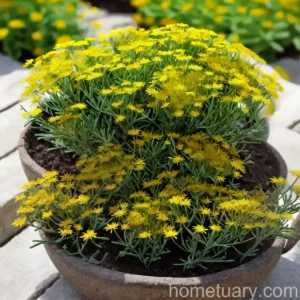
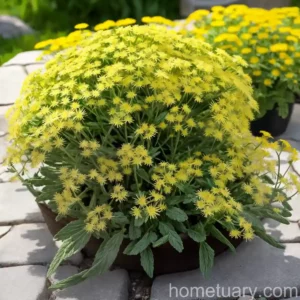
- Container Gardening: When grown in containers, Eurybia macrophylla can be placed on patios, decks, or balconies to bring its charm to smaller outdoor spaces.
Common Diseases
Despite being a hardy plant, Eurybia macrophylla is susceptible to certain diseases that can affect its overall vitality and appearance.
Disease Diagnosis
Being able to identify and understand common diseases of Eurybia macrophylla is crucial for implementing appropriate control measures.
- Common Diseases: Powdery mildew, leaf spot, and stem rot are some of the prevalent diseases that can affect Eurybia macrophylla.
Common Pests
Pest infestations can pose a threat to the health and aesthetics of Eurybia macrophylla, necessitating vigilant monitoring and management.
- Pest Control: Aphids, spider mites, and slugs are among the common pests that can target Eurybia macrophylla. Early detection and intervention are key to preventing significant damage.
Botanist’s Tips
As a plant scientist, I would like to offer some insights and tips for successful cultivation and enjoyment of Eurybia macrophylla based on scientific understanding and practical experience.
- Nutrient Management: Regular soil testing and targeted fertilization can help maintain optimal nutrient levels for the plant.
- Integrated Pest Management: Adopting cultural, mechanical, and biological control methods can effectively manage pest issues while minimizing the need for chemical interventions.
- Companion Planting: Pairing Eurybia macrophylla with compatible species can enhance its visual appeal and ecological benefits in the garden.
Fun Facts
Delving into the intriguing aspects of Eurybia macrophylla can reveal some fascinating and lesser-known facts about the plant.
- Wildlife Attraction: The flowers of Eurybia macrophylla not only attract pollinators but also serve as a food source for certain butterfly species.
- Medicinal Lore: Historically, indigenous communities have used parts of Eurybia macrophylla for various medicinal purposes, showcasing its cultural significance beyond its ornamental value.
Links to External Resources
For further information and resources on Eurybia macrophylla, explore the following links:
- Bigleaf Aster – Missouri Botanical Garden
- Eurybia macrophylla – USDA Plants Database
- Growing Perennials – The National Gardening Association
- Asteraceae – Royal Botanic Gardens, Kew
Eurybia macrophylla (Bigleaf Aster) is a captivating plant that offers an array of aesthetic, ecological, and horticultural benefits. By understanding its cultural requirements, uses, and unique characteristics, one can fully appreciate the charm and resilience of this magnificent species in various landscaping and gardening settings. Whether you are looking to enhance pollinator habitats, create a captivating display of perennial flowers, or simply nurture a low-maintenance yet visually striking plant, Eurybia macrophylla is an excellent choice that embodies the beauty of native flora.
From its vibrant flowers to its noteworthy foliage, Eurybia macrophylla continues to captivate plant enthusiasts and conservationists alike, serving as a testament to the enduring allure and importance of native plant species in horticulture and environmental stewardship.