Aloe Hereroensis (Sand Aloe)
Gardening and nurturing indoor plants have become increasingly popular as people seek to bring nature into their homes and workplaces. Aloe hereroensis.
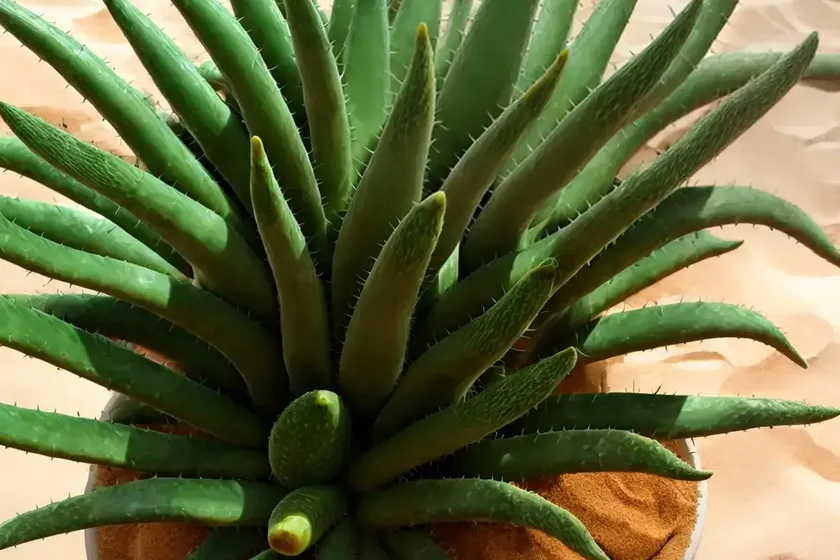
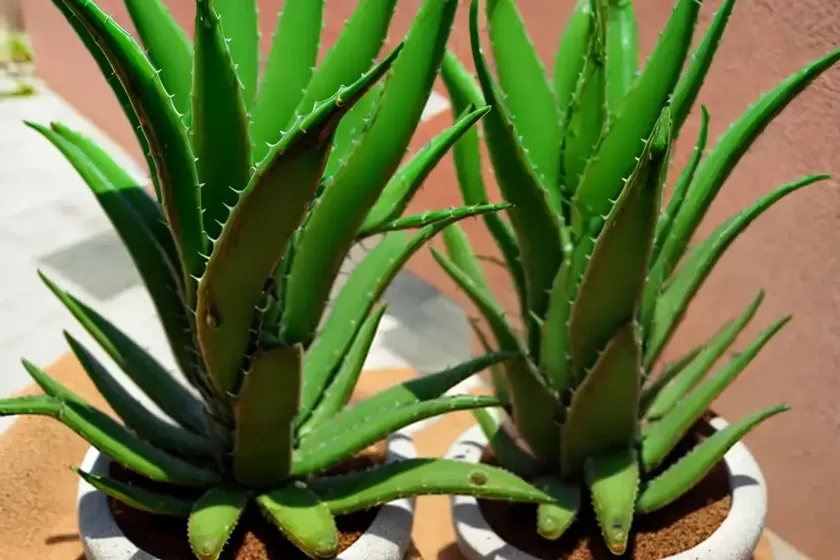
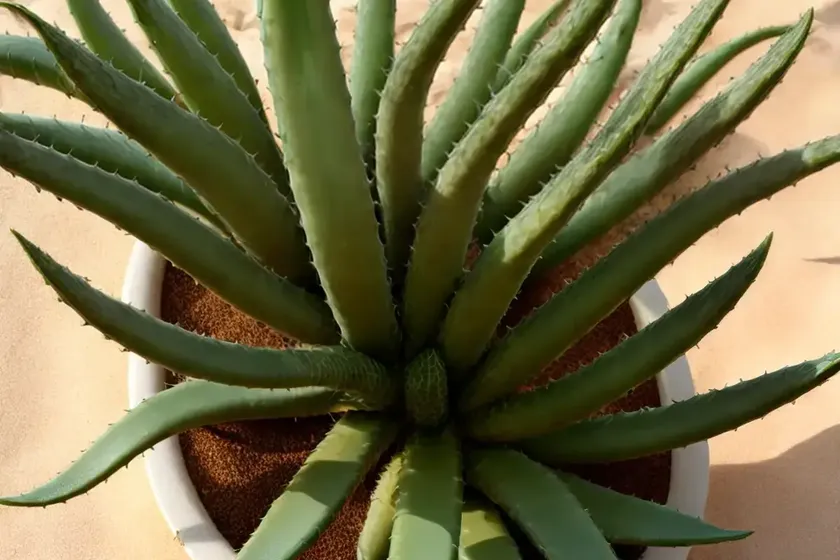
Gardening and nurturing indoor plants have become increasingly popular as people seek to bring nature into their homes and workplaces. Aloe hereroensis, commonly known as Sand Aloe, is an exquisite succulent plant that has gained popularity among plant enthusiasts for its unique characteristics and easy-going nature. Its striking appearance and minimal care requirements make it an ideal addition to any indoor or outdoor garden. In this comprehensive plant care guide, we will delve into the various aspects of cultivating and caring for Aloe hereroensis, providing valuable insights into its culture, uses, maintenance, and much more.
What is Aloe hereroensis (Sand Aloe)?
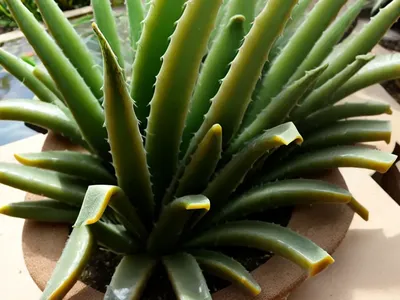
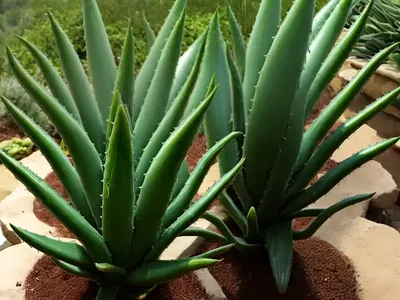
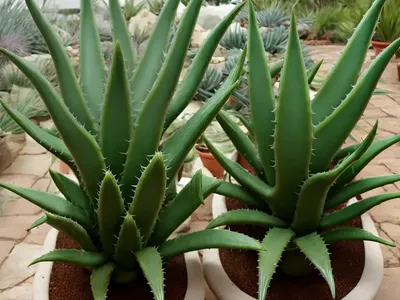
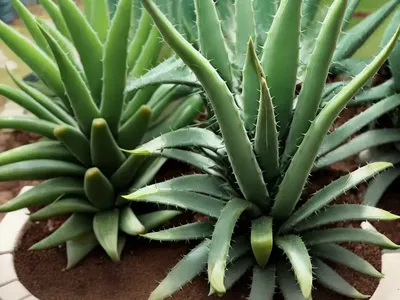
Aloe hereroensis, also known as Sand Aloe, is a species of succulent plant native to the arid regions of southern Africa. Belonging to the Aloe genus, it is characterized by its distinctive rosette of fleshy, lance-shaped leaves that are adorned with small spines along the margins. The plant’s striking appearance, coupled with its resilience in dry and harsh conditions, has made it a popular choice for xeriscaping and as an ornamental addition to gardens and landscapes.
With its drought-tolerant nature and low maintenance requirements, Aloe hereroensis has become a beloved choice for both novice and seasoned gardeners. Its ability to thrive in various environmental conditions, coupled with its ornamental value, has contributed to its popularity as a versatile and visually appealing plant.
Key Takeaways – Aloe hereroensis (Sand Aloe)
Before delving into the detailed care guide for Aloe hereroensis, let’s outline the key takeaways for this unique plant. Understanding these points will provide a comprehensive overview of its characteristics, care requirements, and potential uses:
- Aloe hereroensis, commonly known as Sand Aloe, is a species of succulent plant native to the arid regions of southern Africa.
- Its striking appearance, characterized by fleshy, lance-shaped leaves and small spines along the margins, makes it a visually appealing addition to gardens and landscapes.
- The plant is renowned for its drought-tolerant nature and low maintenance requirements, making it an ideal choice for xeriscaping and ornamental gardening.
- Aloe hereroensis can be cultivated both indoors and outdoors, providing flexibility in its usage and potential for indoor gardening enthusiasts.
- The plant’s ornamental value, coupled with its resilience in dry and harsh conditions, has contributed to its popularity as a visually appealing and versatile plant.
Now that we have established a fundamental understanding of Aloe hereroensis, let’s delve into the intricate details of its care, maintenance, and cultivation.
Cultivating Aloe hereroensis requires an understanding of its specific cultural needs, including water, sunlight, soil, and fertilizer requirements. By meeting these essential criteria, gardeners can ensure the plant’s optimal growth and overall well-being.
Uses of Aloe hereroensis
Ornamental Purposes
One of the primary uses of Aloe hereroensis is as an ornamental plant. Its visually striking appearance, characterized by its rosette of fleshy leaves and architectural form, makes it an ideal choice for adding aesthetic value to gardens, rockeries, and succulent displays. The plant’s unique texture and coloration allow for versatile landscaping and design possibilities, contributing to the creation of visually appealing outdoor spaces.
Medicinal and Therapeutic Uses
In addition to its ornamental value, Aloe hereroensis possesses medicinal and therapeutic properties. The gel-like substance found within the leaves of the plant has been widely utilized for its soothing and healing effects on skin irritations, burns, and minor wounds. Its use in skincare products and traditional remedies has cemented its status as a valuable plant with diverse applications.
Indoor Décor and Green Spaces
Aloe hereroensis is also well-suited for indoor cultivation, where its compact size and low maintenance needs make it an excellent choice for individuals seeking to incorporate greenery into their living or working spaces. The plant’s adaptability to indoor conditions, coupled with its distinctive aesthetic appeal, enhances the ambiance and visual allure of interior environments.
Water Requirements
Aloe hereroensis is a succulent plant with moderate water needs, as it has evolved to thrive in arid and semi-arid environments. Understanding its watering requirements is crucial for maintaining the plant’s health and preventing issues related to overwatering or dehydration.
Watering Frequency
When cultivating Aloe hereroensis, it is important to strike a balance between providing adequate moisture and avoiding waterlogged conditions. The plant should be watered sparingly, allowing the soil to dry out partially between each watering session. During the active growing season, which typically spans spring and summer, a general guideline is to water the plant every 2-3 weeks, depending on environmental factors such as temperature and humidity.
Soil Moisture Monitoring
Regular monitoring of the soil moisture levels is essential for determining the appropriate timing of watering. Aloe hereroensis prefers well-draining soil that facilitates the efficient removal of excess water. Gardeners can utilize a simple moisture meter or perform manual checks by inserting a finger into the soil to assess its dryness before initiating the next watering cycle.
Watering Considerations for Indoor Cultivation
When grown as an indoor plant, Aloe hereroensis should be placed in containers with drainage holes to prevent water accumulation at the root level. This facilitates the proper drainage of excess water, minimizing the risk of root rot and related issues. Indoor humidity levels should also be taken into account, as excessively dry or humid conditions can impact the plant’s water requirements.
Sunlight Requirements
Aloe hereroensis exhibits a preference for bright, indirect sunlight, which closely mimics its natural habitat in arid regions. Adequate exposure to sunlight is essential for promoting healthy growth and the development of vibrant foliage.
Indoor Sunlight Exposure
When cultivating Aloe hereroensis indoors, it should be placed in a location that receives ample sunlight, such as near a south or west-facing window. Indirect sunlight throughout the day is ideal, as direct sunlight for prolonged periods may lead to sunburn or heat stress, particularly in regions with intense sunlight or high temperatures.
Outdoor Sunlight Exposure
For outdoor cultivation, Aloe hereroensis thrives in sunny to partially shaded areas. It is well-suited for xeriscaping and rock gardens, where it can benefit from the sun’s rays while being shielded from extreme heat during midday hours. When selecting an outdoor location for the plant, consideration should be given to its sun exposure and the potential for protection against intense sunlight or heat waves.
Fertilizer Application
Aloe hereroensis exhibits modest fertilizer requirements, with a preference for balanced, low-potency fertilizers that align with its low-nutrient needs. Fertilizer application should be approached with care, avoiding excessive or frequent feeding to prevent adverse effects on the plant’s health.
Fertilization Frequency
During the active growing season in spring and summer, Aloe hereroensis can benefit from a diluted, balanced fertilizer application approximately once a month. The use of a fertilizer specifically formulated for succulent plants, or a general-purpose 10-10-10 fertilizer diluted to half the recommended strength, can provide the essential nutrients required for healthy growth without overwhelming the plant with excessive fertilization.
Considerations for Container-Grown Aloe hereroensis
In the case of container-grown Aloe hereroensis, the use of a time-release or slow-release fertilizer can be advantageous. This method ensures a gradual and consistent release of nutrients over an extended period, reducing the frequency of manual fertilization and minimizing the risk of overfeeding the plant.
Soil Requirements
The choice of soil for Aloe hereroensis is pivotal in promoting its overall health and vitality. Well-draining soil that allows for quick moisture removal and aeration is fundamental to prevent waterlogging and maintain optimal root conditions.
Ideal Soil Composition
Aloe hereroensis thrives in a well-draining succulent or cactus mix, which typically consists of a blend of coarse sand, perlite, and peat or coir. This composition facilitates efficient water drainage and aeration, creating a favorable growing medium that aligns with the plant’s natural habitat in arid environments.
Soil pH Considerations
The soil pH level for Aloe hereroensis should ideally range between 6.0 to 7.0, reflecting a slightly acidic to neutral environment. Ensuring the appropriate pH balance supports the plant’s nutrient uptake and overall physiological processes, contributing to its robust growth and resilience.
Pruning and Maintenance
Pruning and maintenance practices play a significant role in effectively caring for Aloe hereroensis, enabling the removal of spent foliage, promoting tidiness, and managing the plant’s overall appearance.
Removal of Spent Flowers and Leaves
As part of routine maintenance, spent flowers and dried or yellowed leaves should be promptly removed from Aloe hereroensis. This not only enhances the plant’s aesthetic appeal but also prevents the accumulation of decaying matter that could potentially harbor pests or diseases.
Pruning Considerations
Aloe hereroensis generally requires minimal pruning, as its growth habit is characterized by the formation of a central rosette of leaves without extensive branching or sprawling growth. Any damaged or diseased foliage can be carefully pruned using sharp, sterile tools to maintain the plant’s overall health and appearance.
Propagation Techniques
Propagating Aloe hereroensis allows for the expansion of its presence in the garden or the sharing of its unique attributes with fellow gardening enthusiasts. Understanding the methods of propagation, including offsets and seed propagation, provides opportunities for cultivating new plants and nurturing a broader collection of Aloe hereroensis specimens.
Offset Propagation
One of the most common and straightforward methods of propagating Aloe hereroensis is through offsets, also known as “pups.” Offsets are young plantlets that develop at the base of the mother plant, forming a cluster of rosettes that can be carefully separated and transplanted into individual containers or garden beds. This method allows for the efficient multiplication of Aloe hereroensis and the establishment of new, independent plants.
Seed Propagation
While less common, propagating Aloe hereroensis from seeds can be a rewarding endeavor for gardening enthusiasts interested in the complete growth cycle of the plant. Sowing seeds in a well-draining, succulent-friendly growing medium and providing optimal conditions for germination can lead to the successful propagation of new Aloe hereroensis plants.
Container Gardening
Aloe hereroensis is well-suited for container gardening, offering flexibility in its placement and cultivation while adding a touch of greenery to indoor and outdoor spaces. Selecting appropriate containers, understanding space requirements, and providing adequate care are essential components of successful container gardening with Aloe hereroensis.
Container Selection
When choosing containers for Aloe hereroensis, it is important to opt for vessels with adequate drainage holes to prevent water accumulation. Additionally, containers made of materials such as clay or terra cotta facilitate air circulation to the roots, further promoting the plant’s health.
Space Requirements
The compact nature of Aloe hereroensis makes it suitable for small to medium-sized containers, allowing for placement on windowsills, shelves, or outdoor patios. Considering the plant’s eventual size and growth habit is beneficial when selecting the appropriate container size and location for optimal growth.
Indoor and Outdoor Considerations
For indoor container gardening, positioning Aloe hereroensis near well-lit areas with indirect sunlight is essential. Outdoor container cultivation should take into account the plant’s sunlight preferences and protection from extreme weather conditions, particularly during periods of high heat or excessive moisture.
Aloe hereroensis has gained significant popularity among gardening enthusiasts, succulent collectors, and landscape designers due to its numerous appealing attributes. The following factors contribute to the plant’s widespread recognition and increased interest from individuals seeking to incorporate it into their gardening endeavors:
- Visual Appeal: The striking appearance of Aloe hereroensis, characterized by its architectural rosette of fleshy leaves and subtle spines, makes it an eye-catching addition to gardens, rockeries, and succulent displays.
- Low Maintenance Requirements: The plant’s resilience in dry and arid conditions, coupled with its moderate water and sunlight needs, makes it an accessible choice for individuals with varying levels of gardening experience.
- Ornamental Versatility: Aloe hereroensis’s ornamental value extends to both indoor and outdoor settings, providing options for incorporating the plant into diverse living spaces and garden designs.
- Medicinal and Therapeutic Properties: The plant’s use in skincare products and traditional remedies has contributed to its appeal among individuals seeking natural and beneficial plant-based solutions.
- Drought Tolerance: Aloe hereroensis’ ability to thrive in drought-prone environments aligns with the growing interest in water-wise gardening and xeriscaping practices.
- Propagation Ease: The plant’s propagation through offsets and, to a lesser extent, seeds, allows for the continuous expansion of its presence in gardening and landscaping initiatives.
The combination of these factors has led to Aloe hereroensis being recognized as a versatile and visually appealing plant with diverse uses and applications within horticulture and garden design.
Aloe hereroensis, while generally resilient, is susceptible to certain diseases and issues that can impact its growth and vitality. Understanding these potential ailments and their corresponding diagnosis and treatment is crucial for maintaining the plant’s health and preventing the spread of infections.
Disease Diagnosis
Root Rot
One of the primary issues that Aloe hereroensis may encounter is root rot, often caused by overwatering or waterlogged soil. Symptoms of root rot include wilting, yellowing of foliage, and a foul odor emanating from the soil. Upon observing these signs, it is essential to carefully inspect the plant’s roots, remove any affected areas, and adjust the watering regimen to prevent further moisture-related complications.
Leaf Spot
Leaf spot, characterized by the presence of dark, water-soaked lesions on the foliage, can occur due to excessive moisture, poor air circulation, or fungal infections. Diagnosing leaf spot involves visually assessing the leaves for irregular discolorations and implementing measures to improve air circulation, modify watering practices, and, if necessary, utilize fungicidal treatments to mitigate the issue.
Stem and Crown Rot
Stem and crown rot may manifest as soft, discolored areas on the plant’s central stem or at the base of the rosette. These symptoms, often resulting from prolonged exposure to excessive moisture or severe fungal infections, warrant prompt intervention to prevent the spread of rot and preserve the plant’s structural integrity. Adjusting the watering routine, enhancing soil drainage, and implementing fungicidal measures can aid in addressing stem and crown rot issues.
Common Pests
Aphids
Aloe hereroensis may attract aphids, small sap-sucking insects that can congregate on the undersides of leaves and tender shoots. The presence of aphids may lead to leaf distortion, yellowing, and a sticky substance known as honeydew. Controlling aphids involves utilizing natural predators, such as ladybugs, or employing insecticidal soaps to deter and manage infestations effectively.
Mealybugs
Mealybugs are another potential pest that can affect Aloe hereroensis, clustering on the plant’s foliage and stems while feeding on its sap. Symptoms of mealybug infestations include white, cottony masses and stunted growth. Addressing mealybug issues entails physically removing the pests using a soft brush or cotton swab, along with the application of horticultural oils or insecticidal treatments to control their presence.
Spider Mites
Spider mites, microscopic arachnids that thrive in hot and dry conditions, may target Aloe hereroensis, leading to stippled or discolored foliage and fine webbing on the plant. Mitigating spider mite infestations involves increasing humidity levels, deploying predatory mites, and using acaricidal sprays to manage and eliminate the pests effectively.
Botanist’s Tips for Disease and Pest Management
- Adopt a Preventative Approach: Maintaining optimal growing conditions for Aloe hereroensis, including suitable watering practices and adequate air circulation, serves as a proactive measure against diseases and pest infestations.
- Regular Monitoring: Periodically inspecting the plant for signs of disease, pest activity, or unusual changes in growth allows for early intervention and the timely implementation of corrective measures.
- Cultural Modifications: Adjusting environmental factors such as watering frequency, light exposure, and air circulation can significantly impact the plant’s resilience against diseases and pests, reducing their occurrence and severity.
By implementing these botanist’s tips, gardeners can proactively manage and mitigate potential diseases and pest issues, promoting the overall health and vigor of Aloe hereroensis.
Aloe hereroensis is not only a visually captivating plant with practical uses but also an intriguing species with unique characteristics and attributes. Exploring the following fun facts provides a deeper appreciation for this remarkable succulent and its role in gardening and horticulture:
-
Hereroensis Origin: The plant’s specific epithet, “hereroensis,” is derived from the Herero people, an ethnic group inhabiting the regions where the plant is native. This naming convention reflects the plant’s cultural and geographical ties to its natural habitat.
-
Architectural Form: Aloe hereroensis is renowned for its striking architectural form, characterized by symmetrical rosettes of fleshy leaves with prominent marginal spines. This distinct appearance contributes to its ornamental value and appeal in garden design.
-
Drought Tolerance: The plant’s natural adaptation to arid environments and its remarkable drought tolerance align with the growing emphasis on water-wise gardening practices and the cultivation of resilient, low-maintenance plants capable of withstanding dry conditions.
-
Medicinal Significance: Aloe hereroensis, like many Aloe species, possesses a gel-like substance within its leaves that has been traditionally used for its therapeutic properties. The plant’s contributions to skincare and medicinal applications have earned it recognition as a valuable natural resource.
-
Botanical Diversity: Aloe hereroensis belongs to the diverse and esteemed Aloe genus, which encompasses numerous species known for their ornamental, medicinal, and horticultural significance. Its inclusion within this renowned genus showcases the plant’s botanical richness and versatility.
The exploration of these fun facts further underscores the appeal and significance of Aloe hereroensis, shedding light on its cultural, botanical, and practical aspects.
To support and enhance the insights provided in this comprehensive plant care guide for Aloe hereroensis, the following links to external resources offer valuable information, images, and in-depth details on the plant’s characteristics, cultivation, and gardening applications:
- Aloe hereroensis: Plant Profile and Care Guide
- University of Florida IFAS Extension: Aloe hereroensis
- Royal Botanic Gardens, Kew: Aloe hereroensis Information
These external resources serve as valuable references, providing additional perspectives, expert insights, and botanical expertise on Aloe hereroensis and its role in horticulture and gardening practices.
In conclusion, the cultivation and care of Aloe hereroensis (Sand A