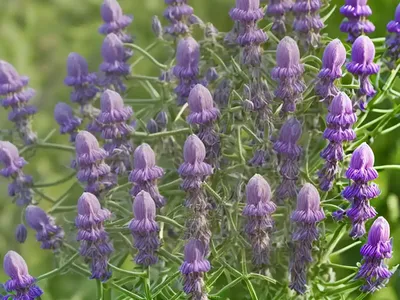
European Gorse (Ulex Europaeus)
European gorse, scientifically known as Ulex europaeus, is a hardy evergreen shrub that belongs to the Fabaceae (pea) family. This species is native to.
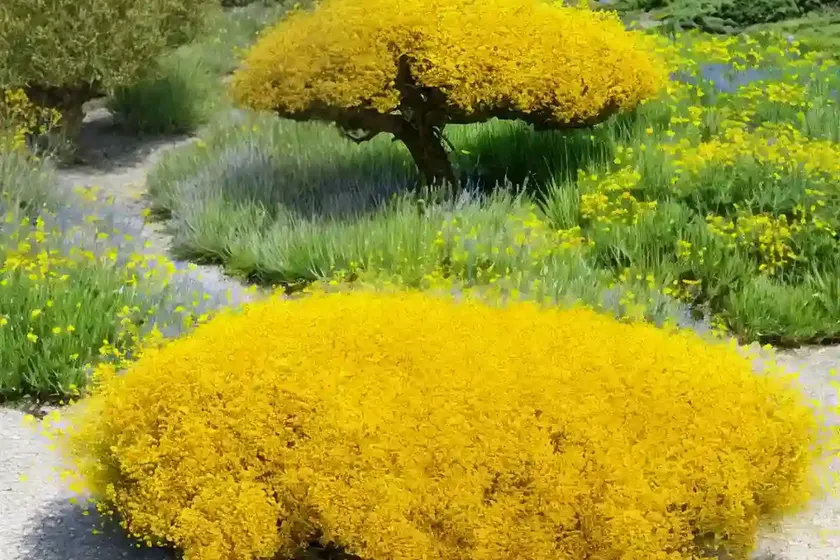
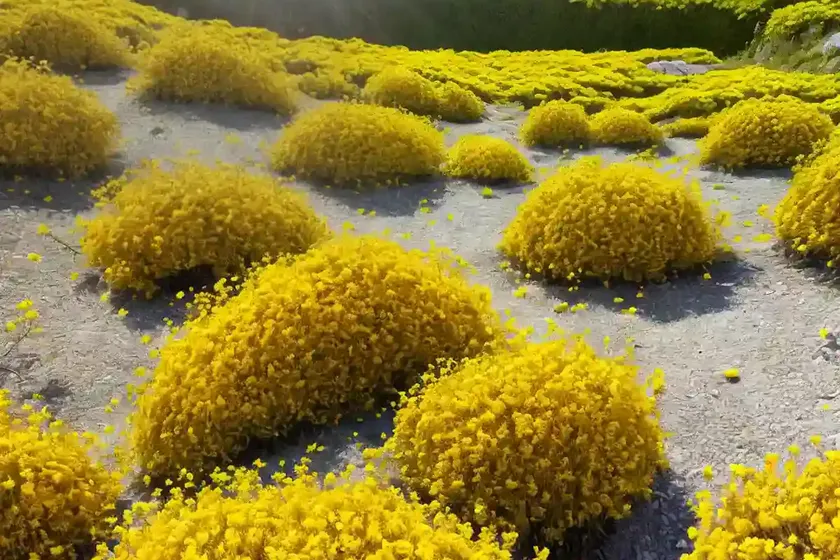
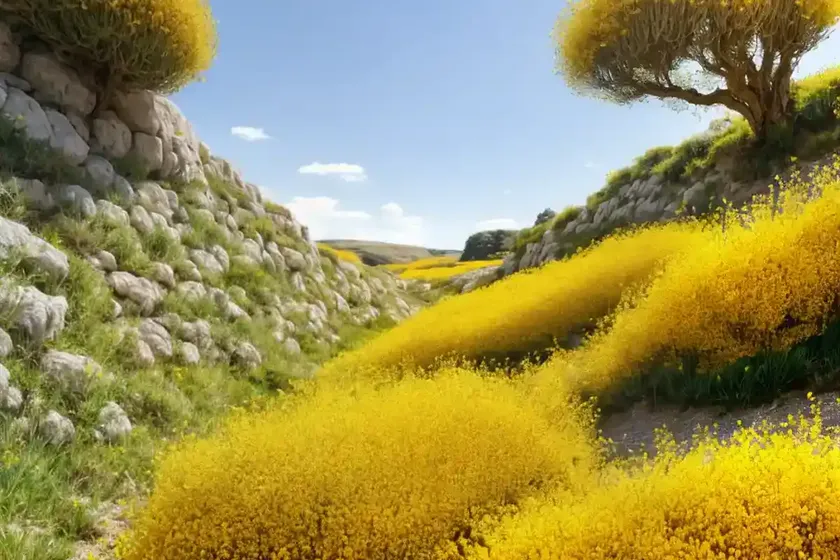
What is Plant: European Gorse (Ulex europaeus)
European gorse, scientifically known as Ulex europaeus, is a hardy evergreen shrub that belongs to the Fabaceae (pea) family. This species is native to Europe, and commonly goes by various names including European gorse plant, European furze, whin, espinheiro, common gorse, and gorse shrub. Known for its alluring clusters of bright yellow flowers and dense, spiny branches, Ulex europaeus thrives in a wide range of ecosystems, making it a significant component of various habitats. Its adaptability and ability to thrive in diverse conditions contribute to its widespread distribution across Europe and its introduction to other parts of the world.
Key Takeaways – European Gorse (Ulex europaeus)
- Scientific Name: Ulex europaeus
- Common Names: European gorse plant, European furze, whin, espinheiro, common gorse, gorse shrub,
- Characteristics: Thorny, evergreen, nitrogen-fixing, invasive, vibrant yellow flowers
- Ecological Importance: Serves as wildlife habitat, capable of fixing nitrogen, supports diverse ecosystems
- Cultural and Medicinal Uses: Historical folklore, traditional medicine, culinary applications
- Management Considerations: Control and conservation strategies, understanding ecological impacts
In this comprehensive guide, we will delve into the various aspects of European gorse, ranging from its cultural and medicinal uses to its ecosystem impacts and management strategies. The information presented here will serve as a valuable resource for botanists, horticulturists, and anyone interested in understanding the intriguing characteristics and ecological significance of Ulex europaeus.
Culture
Water
European gorse, being a resilient and adaptable species, can tolerate drought conditions and is relatively low-maintenance once established. While it can thrive in dry, sandy soils, supplemental watering during prolonged dry spells, particularly for young plants, can promote healthier growth and floral abundance.
Sunlight
Being a sun-loving species, European gorse thrives in full sunlight and prefers open, unshaded areas. It is well-suited to thrive in diverse climatic conditions, making it a favorable option for landscaping projects or naturalization efforts.
Uses
European gorse has been valued for various purposes throughout history and continues to hold significance in contemporary applications. Its uses encompass cultural, medicinal, ecological, and horticultural realms.
-
Cultural Uses: In folklore and traditional customs, European gorse has been associated with diverse legends, symbolizing strength, endurance, and protection. Its vibrant yellow flowers have often been featured in cultural celebrations and festivals.
-
Medicinal Uses: In traditional medicine, parts of the gorse plant have been utilized for their potential medicinal properties. From teas made from the flowers and young shoots to extracts used for their potential health benefits, the plant holds a historical place in herbal remedies.
-
Ecological Significance: European gorse is a notable nitrogen-fixing plant, enhancing soil fertility and supporting the growth of neighboring plants. Furthermore, its dense thickets provide vital habitat for various wildlife species, contributing to the overall biodiversity of ecosystems.
-
Horticultural Applications: While European gorse is esteemed for its wild beauty and ecological contributions, it is also utilized in horticulture as a landscaping plant, particularly in regions with challenging growing conditions. Its vibrant flowers and ability to thrive in poor soils make it an attractive choice for ornamental landscaping.
Overall, the multifaceted uses of European gorse underline its cultural, ecological, and horticultural value, supporting its presence in a range of settings and contexts.
Water
| Watering Requirement | Description |
|---|---|
| Moderate | Thrives in relatively dry conditions, is drought-tolerant once established |
| Young Plants | Supplementary watering during extended dry periods can promote healthy growth |
Sunlight
| Sunlight Needs | Description |
|---|---|
| Full Sun | Thrives in open, sunny locations |
| Versatility | Adaptable to diverse climatic conditions, suitable for various geographical regions |
Fertilizer
European gorse, being a nitrogen-fixing plant, has the unique ability to absorb and utilize atmospheric nitrogen, supporting its growth and fertility. As such, it generally requires minimal fertilization once established, benefiting from the natural processes of nitrogen fixation.
Soil
| Soil Type | Description |
|---|---|
| Well-Drained | Flourishes in sandy, well-drained soils |
| pH Tolerance | Can tolerate a range of soil pH levels, including mildly acidic to slightly alkaline |
Pruning
European gorse is a relatively low-maintenance plant and typically requires minimal pruning once established. However, to maintain its shape and promote healthy growth, periodic removal of dead or damaged branches and spent flowers is recommended.
Propagation
European gorse can be propagated through various methods, including seed propagation and vegetative propagation. While seeds can be collected and sown in a suitable growing medium, vegetative propagation techniques such as cuttings can also be employed to propagate specific cultivars or clones.
Container Popularity
Given its adaptability and striking visual appeal, European gorse is increasingly being utilized in container gardening and landscaping. Its ability to thrive in less favorable growing conditions and its ornamental value make it a popular choice for container cultivation in gardens and urban spaces.
Common Diseases
European gorse is generally resilient to most diseases, owing to its hardy nature and minimal susceptibility to pathogens. However, occasional issues such as root rot or fungal infections may arise, particularly in overly moist or poorly drained conditions.
Disease Diagnosis
| Symptoms | Possible Causes | Preventive Measures |
|---|---|---|
| Yellowing leaves, wilting | Root rot due to waterlogged soil | Ensure well-drained soil, avoid overwatering |
Common Pests
While European gorse is relatively resistant to most pests, occasional infestations by aphids or spider mites may occur. Regular monitoring and prompt intervention can effectively address pest issues without significant impact on the plant’s overall health.
Botanist’s Tips
-
Adaptive Characteristics: Understand and appreciate the adaptability of Ulex europaeus to diverse environmental conditions, reflecting its ecological success.
-
Ecological Interactions: Recognize the complex ecological interactions facilitated by European gorse, including its role as a nitrogen fixer and habitat provider.
-
Cultural Significance: Explore the rich cultural history and symbolism associated with European gorse, showcasing its enduring presence in human traditions.
-
Landscape Applications: Consider the horticultural potential of European gorse in diverse settings, ranging from ornamental landscaping to ecosystem restoration initiatives.
Fun Facts
-
The vibrant yellow flowers of European gorse are not only visually captivating but also emit a delightful coconut-like fragrance.
-
In traditional folklore, European gorse has been linked to numerous myths and legends across different cultures, symbolizing endurance and renewal.
Links to External Resources
- Royal Horticultural Society – Ulex europaeus
- USDA National Invasive Species Information Center – European Gorse
- The Medicinal Chef – European Gorse: A Culinary and Medicinal Wonder
In conclusion, the European gorse (Ulex europaeus) stands as a remarkable botanical specimen with diverse cultural, ecological, and horticultural significance. Its vibrant blooms, ecological contributions, and adaptability underscore its enduring appeal and relevance in various contexts. Whether it’s enhancing ecosystems, inspiring folklore, or gracing landscapes with its beauty, European gorse continues to captivate and enrich the world of plants and people alike.