European Crab Apple (Malus Sylvestris)
Plants play a crucial role in supporting life on Earth, providing us with oxygen, food, and resources. One particular plant that holds significant value is.
Introduction
Plants play a crucial role in supporting life on Earth, providing us with oxygen, food, and resources. One particular plant that holds significant value is the European Crab Apple, scientifically known as Malus Sylvestris. In this comprehensive guide, we will delve into various aspects of this remarkable tree, including its cultural significance, uses, water and sunlight requirements, soil and fertilizer needs, pruning techniques, propagation methods, common diseases and pests, and much more. By understanding the European Crab Apple in detail, we can appreciate its ecological importance and make informed decisions about its care and cultivation.
What is the European Crab Apple (Malus Sylvestris)?
The European Crab Apple, or Malus Sylvestris, belongs to the Malus genus and the Rosaceae family. It is a deciduous tree native to Europe and parts of Western Asia. This small to medium-sized tree is known for its attractive blossom and fruit, making it a popular choice in both natural and cultivated landscapes. The European Crab Apple is closely related to the cultivated apple tree, Malus domestica, and shares many similar characteristics, though it is generally smaller in stature.
Key Takeaways
Before we delve into the specifics, let’s take a high-level look at some key takeaways related to the European Crab Apple (Malus Sylvestris).
European Crab Apple (Malus Sylvestris)
- Scientific Name: Malus Sylvestris
- Plant Type: Deciduous Tree
- Native Range: Europe and Western Asia
- Uses: Ornamental, Culinary, Medicinal
- Growth Rate: Moderate
- Watering Needs: Moderate
- Sunlight Requirements: Full Sun to Partial Shade
- Soil Type: Well-Draining, Loamy Soil
- Pruning Requirements: Regular Maintenance Pruning
- Common Diseases: Apple Scab, Powdery Mildew
- Common Pests: Aphids, Caterpillars
- Special Features: Beautiful Blossoms, Small Edible Fruit
- Conservation Status: Least Concern
As we continue our exploration of the European Crab Apple, we will delve deeper into each of these aspects, offering practical insights and tips for cultivating and caring for this wonderful tree.
Culture
Uses
The European Crab Apple (Malus Sylvestris) has a rich history of diverse uses, ranging from ornamental and culinary to medicinal and ecological.
Ornamental Use
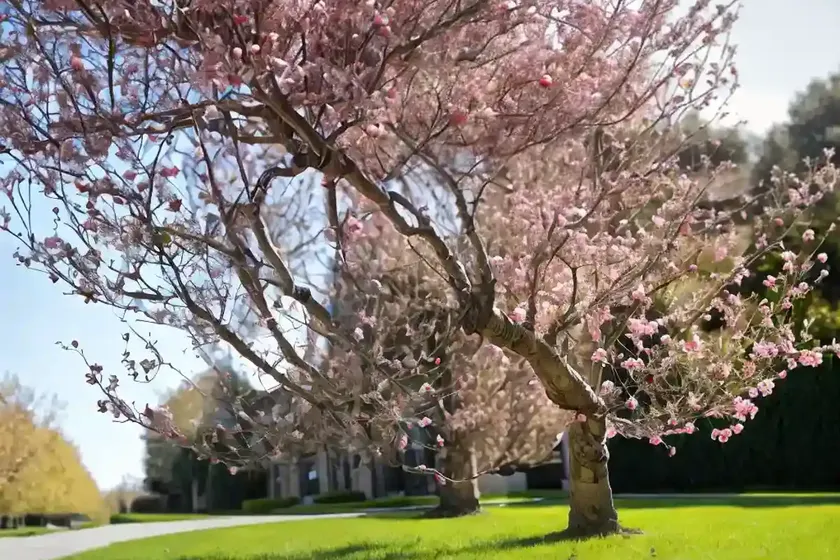
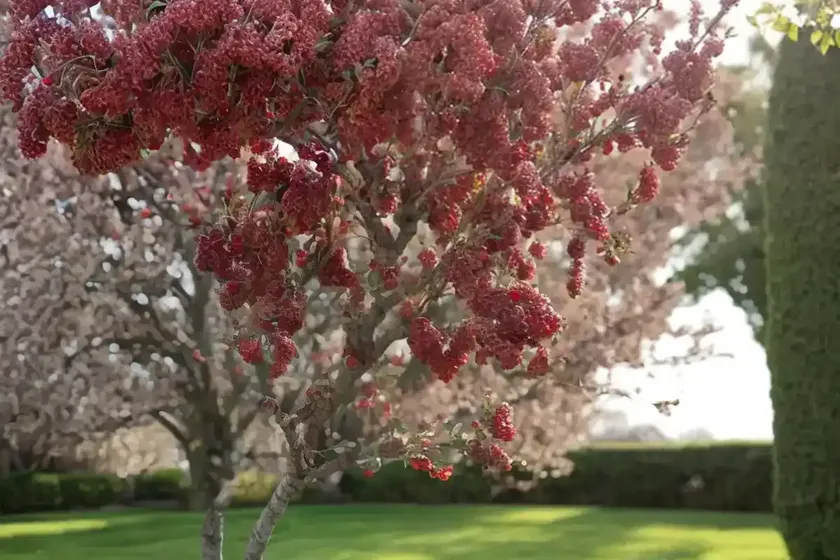
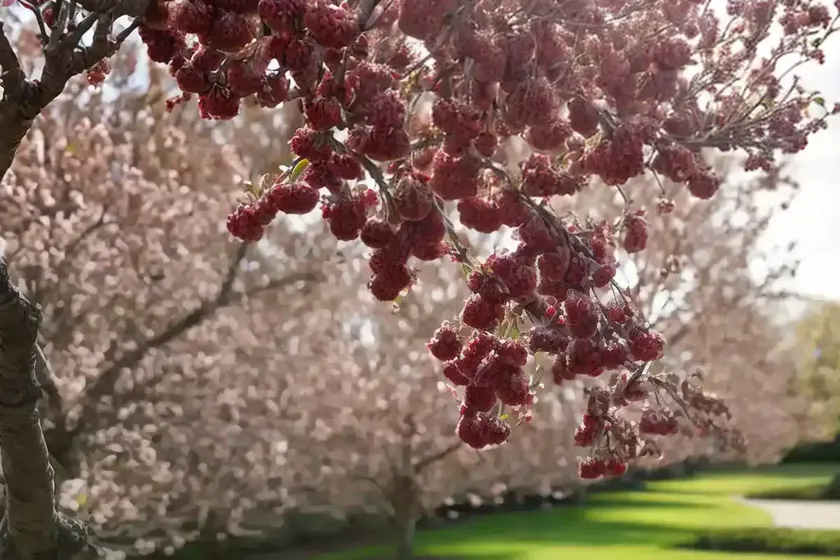
One of the primary uses of the European Crab Apple is ornamental. Its delicate white or pink blossoms and small, colorful fruit make it a charming addition to gardens, parks, and natural woodland areas. The tree’s aesthetic appeal and seasonal changes, from blooming flowers in spring to vivid foliage in autumn, make it a sought-after ornamental tree for landscaping projects.
Culinary Use
The small fruit of the European Crab Apple, while tart and somewhat astringent, has been used for centuries in culinary applications. It is traditionally used to make jellies, preserves, and aromatic ciders. When combined with sweeter apple varieties or other fruits, the European Crab Apple’s fruit adds a unique tangy flavor and natural pectin content that is beneficial for preserving and flavoring various dishes.
Medicinal Use
In traditional medicine, various parts of the European Crab Apple tree have been utilized for their medicinal properties. The bark, leaves, and fruit contain compounds that have been used to aid digestion, soothe sore throats, and provide essential vitamins and antioxidants.
Wildlife Habitat
Another important use of the European Crab Apple is its role in supporting wildlife. The tree provides food and shelter for various birds, insects, and small mammals. Its blossoms attract pollinators, while its fruit serves as a valuable source of nutrition for wildlife during the winter months.
Water
Proper watering is essential for the health and vitality of the European Crab Apple. While this tree is relatively tolerant of varying moisture levels, it thrives when provided with consistent, moderate watering.
- Young Trees: Newly planted or young European Crab Apple trees benefit from regular watering, especially during dry spells. It’s important to keep the soil evenly moist, but not waterlogged, to promote healthy root development.
- Established Trees: Mature European Crab Apple trees generally have moderate water needs once established. While they can withstand some periods of drought, providing supplemental irrigation during prolonged dry spells can help maintain tree vigor and fruit production.
Sunlight
The European Crab Apple thrives in full sun to partial shade, demonstrating its adaptability to varying light conditions. However, to ensure optimal growth and abundant flowering and fruiting, providing adequate sunlight is crucial.
-
Full Sun: Planting the European Crab Apple in a location that receives full sun for the majority of the day promotes strong, healthy growth and abundant flowering. In such conditions, the tree is better equipped to produce an ample crop of fruit and develop a well-formed canopy.
-
Partial Shade: While the European Crab Apple can tolerate partial shade, it may experience reduced flowering and fruiting compared to trees that receive full sun. Additionally, excessive shade can lead to poor air circulation, potentially increasing the risk of certain diseases.
Fertilizer
In general, the European Crab Apple (Malus Sylvestris) does not have high fertilizer requirements, especially if it is grown in fertile, well-draining soil. Proper soil preparation at the time of planting, along with occasional fertilization, can support healthy growth and fruit production.
-
Fertilizing Schedule: For young European Crab Apple trees, applying a balanced, slow-release fertilizer in the early spring can provide the necessary nutrients to support vigorous growth. Always follow the manufacturer’s recommendations regarding application rates and methods to avoid over-fertilization.
-
Soil Nutrients: A fertilizer with a balanced ratio of nitrogen, phosphorus, and potassium can support the tree’s overall health. Additionally, incorporating organic matter, such as compost or well-rotted manure, into the soil can enhance its fertility and structure, benefiting the European Crab Apple tree.
-
Avoid Excess: While fertilization is beneficial, it is important to avoid excessive application of chemical fertilizers, as this can lead to nutrient imbalances and environmental pollution. Monitoring the tree’s growth and overall vigor can help determine the need for additional fertilizer applications.
Soil
The European Crab Apple (Malus Sylvestris) thrives in well-draining, loamy soil with good fertility and a slightly acidic to neutral pH. Understanding the soil preferences of this tree is essential for creating an optimal growing environment.
-
Drainage: Proper soil drainage is critical for the European Crab Apple, as waterlogged soil can lead to root rot and other moisture-related issues. Amending heavy or compacted soils with organic matter or planting the tree in a raised bed can improve drainage.
-
Soil pH: The ideal soil pH for the European Crab Apple is in the range of 6.0 to 6.5, slightly acidic to neutral. Conducting a soil test before planting can help determine the soil’s pH and nutrient levels, allowing for targeted soil amendments as needed.
-
Soil Structure: Loamy soil, which consists of a balanced combination of sand, silt, and clay, promotes good aeration and water retention, making it ideal for the European Crab Apple. Regularly incorporating organic matter into the soil can improve its structure and fertility over time.
Pruning
Proper pruning is essential for maintaining the health, form, and productivity of the European Crab Apple tree. Regular pruning allows for the removal of dead, diseased, or crossing branches, shaping the tree, and promoting optimal fruit production and flowering.
-
Timing: The best time to prune the European Crab Apple is during the late winter or early spring while the tree is still dormant. Pruning during this period minimizes stress on the tree and allows for the examination of its overall structure before the new growth begins.
-
Techniques: When pruning, it is important to use sharp, clean pruning tools to make precise cuts and minimize the risk of damage or disease transmission. Removing water sprouts, suckers, and any damaged or weak branches helps maintain the tree’s vigor and aesthetic appeal.
-
Thinning: Thinning out the canopy of the European Crab Apple promotes better air circulation and light penetration, reducing the risk of fungal diseases and improving fruit quality. Additionally, selectively removing branches to open up the canopy can enhance the tree’s natural form and beauty.
Propagation
Propagation of the European Crab Apple (Malus Sylvestris) can be achieved through various methods, including seeds, cuttings, and grafting. Each approach has its advantages and considerations, allowing for the expansion of the tree’s presence in diverse landscapes and ecosystems.
-
Seed Propagation: Growing European Crab Apple trees from seed is a straightforward method that allows for the genetic diversity of the parent tree to be preserved. However, it is important to stratify the seeds, subjecting them to a period of cold, moist conditions, before planting to promote germination.
-
Cutting Propagation: Utilizing semi-hardwood or hardwood cuttings from the European Crab Apple tree can be an effective way to propagate specific cultivars or clones. Rooting hormone, proper moisture, and warmth can encourage the development of roots and the establishment of new trees.
-
Grafting: Grafting is commonly used to propagate selected varieties of the European Crab Apple, combining the desired scion with a compatible rootstock to create a new tree. This method allows for the replication of desirable traits and the production of genetically identical trees.
Container Popularity
The European Crab Apple is well-suited for container cultivation, making it a popular choice for urban gardens, patios, and small outdoor spaces. When grown in containers, this tree exhibits the same ornamental appeal and seasonal interest as its landscape-grown counterparts, with the added benefit of portability and adaptability to various growing conditions.
-
Container Size: Selecting a sufficiently large container is crucial for the successful growth of the European Crab Apple. A container with a capacity of at least 15-20 gallons provides ample space for root development and stability, reducing the need for frequent repotting.
-
Growing Medium: Well-draining potting mix, formulated for woody plants or trees, is ideal for container-grown European Crab Apples. A mix that contains organic matter, perlite, and vermiculite promotes healthy root growth and moisture retention while preventing compaction.
-
Watering and Maintenance: Container-grown European Crab Apples may require more frequent watering than their counterparts in the ground, as containers can dry out more quickly. Regular monitoring of soil moisture, along with occasional fertilization and pruning, supports the tree’s vigor and longevity in a containerized environment.
Common Diseases
Like many trees and plants, the European Crab Apple (Malus Sylvestris) is susceptible to certain diseases, ranging from fungal infections to bacterial pathogens. Understanding these common diseases and their symptoms is essential for proactive management and prevention.
Disease Diagnosis
Apple Scab (Venturia inaequalis)
Apple scab is a fungal disease that affects the leaves and fruit of the European Crab Apple, causing dark, scabby lesions and premature defoliation. The disease thrives in humid conditions and can significantly impact the tree’s overall health and aesthetic appeal.
-
Symptoms: Watch for dark, olive-green lesions on the upper surface of the leaves, often accompanied by velvety patches on the lower leaf surface. Infected fruit may develop corky, scab-like areas, affecting their quality and marketability.
-
Management: To manage apple scab, it is important to practice good sanitation by removing fallen leaves and fruit from around the tree. Applying fungicidal sprays and selecting disease-resistant cultivars can also help prevent and control the spread of apple scab.
Powdery Mildew (Podosphaera leucotricha)
Powdery mildew is a prevalent fungal disease that affects the leaves, shoots, and buds of the European Crab Apple, resulting in a distinctive white, powdery growth on the plant surfaces.
-
Symptoms: Look for white, powdery patches on the upper and lower leaf surfaces, along with distorted leaf growth and stunted shoots. Severe powdery mildew infestations can lead to reduced photosynthesis and overall tree vigor.
-
Management: Pruning to improve air circulation, applying horticultural oils or sulfur-based fungicides, and selecting mildew-resistant cultivars are effective strategies for managing powdery mildew in European Crab Apple trees.
Common Pests
In addition to diseases, the European Crab Apple (Malus Sylvestris) may be susceptible to pest infestations that can impact the tree’s health and productivity. Identifying and addressing common pests in a timely manner can mitigate damage and promote the long-term well-being of the tree.
Aphids (Aphidoidea)
Aphids are small sap-sucking insects that can infest the leaves and new growth of the European Crab Apple, leading to distorted foliage, honeydew production, and potential sooty mold development.
-
Symptoms: Look for curled or distorted leaves, sticky honeydew on the foliage, and the presence of the aphids themselves, often found clustered on the undersides of leaves or near tender shoot tips.
-
Management: Introducing natural predators, such as ladybugs or lacewings, can help control aphid populations. Additionally, horticultural oils, insecticidal soaps, and targeted pesticides can provide effective aphid management while minimizing harm to beneficial insects.
Caterpillars (Lepidoptera larvae)
Caterpillars, the larval stage of moths and butterflies, can feed on the leaves, buds, and fruit of the European Crab Apple, potentially causing extensive defoliation and cosmetic damage.
-
Symptoms: Keep an eye out for chewed or skeletonized leaves, as well as the presence of caterpillars or their frass (droppings) on the foliage.
-
Management: Handpicking caterpillars when feasible, utilizing biological control agents like Bacillus thuringiensis (Bt), and applying targeted insecticides during specific life stages of the caterpillars can help manage infestations while minimizing impact on beneficial insects.
Botanist’s Tips
For those who are passionate about the care and cultivation of the European Crab Apple (Malus Sylvestris), here are some valuable tips from botanists and experienced growers that can help enhance the success and enjoyment of working with these remarkable trees.
-
Selecting Cultivars: When considering European Crab Apple varieties to plant, prioritize disease-resistant cultivars that can withstand common pathogens and require minimal intervention. Cultivars with desirable blossom and fruit characteristics can add aesthetic and culinary value to the landscape.
-
Establishing Pollinator Habitat: Encouraging the presence of pollinators, such as bees, butterflies, and hoverflies, around European Crab Apple trees can enhance fruit set and overall biodiversity. Planting nectar-rich flowers and minimizing pesticide use support pollinator health and ecosystem resilience.
-
Promoting Soil Health: Regularly amending the soil with organic matter, such as compost or mulch, supports the soil microbiome and structure, leading to improved tree nutrition and resilience. Avoid compaction and soil disturbance to preserve beneficial soil organisms and root health.
Fun Facts
To round out our exploration of the European Crab Apple (Malus Sylvestris), here are some fun and interesting facts that highlight the tree’s unique attributes and cultural significance.
-
In folklore and mythology, the European Crab Apple tree is often associated with love, fertility, and protection. It has been used in various traditions and rituals to symbolize rebirth and new beginnings.
-
The fruit of the European Crab Apple is rich in pectin, a natural gelling agent, making it valuable for preserving and creating delicious jellies and jams.
-
The wood of the European Crab Apple is prized for its fine grain and attractive color, making it sought after for small woodworking projects and decorative items.
-
The blossoms of the European Crab Apple are highly fragrant and attract various pollinators, adding to the sensory appeal of the tree in garden settings.
Links to External Resources
To complement our in-depth exploration of the European Crab Apple (Malus Sylvestris), here are some highly informative and authoritative resources that provide valuable insights into the cultivation and care of this remarkable tree.
General Information and Cultivation
- Royal Horticultural Society: European Crab Apple
- University of Missouri Extension: Managing Pests in the Home Orchard
Disease and Pest Management
- Penn State Extension: Apple Scab Management
- University of California Statewide Integrated Pest Management Program: Aphids
Wildlife and Ecological Importance
Ornamental and Landscaping Uses
In conclusion, the European Crab Apple (Malus Sylvestris) stands as a captivating and beneficial tree with a rich history of cultural, culinary, and ecological significance. Understanding its unique characteristics, care requirements, and ecological role can enable us to appreciate and cultivate this splendid tree with greater confidence and success. Whether planted for its ornamental value, culinary uses, or support of wildlife, the European Crab Apple enriches our landscapes and lives with its beauty and bounty.
Remember to seek out reputable nurseries and resources when acquiring European Crab Apple trees or seeking specific cultivars, and always follow sustainable and environmentally responsible practices in the care and cultivation of trees. By sharing knowledge and enthusiasm for trees like the European Crab Apple, we contribute to the conservation and appreciation of our natural world and its diverse plant species.


