European Buckthorn (Rhamnus Cathartica)
Plants play an essential role in the ecosystem, providing food, oxygen, and numerous other resources. Amongst the diverse range of plant species, the.
Introduction
Plants play an essential role in the ecosystem, providing food, oxygen, and numerous other resources. Amongst the diverse range of plant species, the European buckthorn (Rhamnus cathartica) stands out with its unique characteristics and ecological significance. In this comprehensive guide, we will explore the European buckthorn, covering its habitat, characteristics, uses, growth habits, distribution, benefits, identification, and much more. So let’s delve into the fascinating world of Rhamnus cathartica.
What is European Buckthorn (Rhamnus cathartica)?
European buckthorn, scientifically known as Rhamnus cathartica, is a deciduous shrub or small tree belonging to the Rhamnaceae family. This plant species is native to Europe, Western Asia, and North Africa, and has been introduced to North America. The European buckthorn is well-known for its small, black berries and its adaptability to a wide range of environmental conditions. It has been used in various applications throughout history due to its beneficial properties and ornamental value.
Key Takeaways
Before we delve into the specifics of European buckthorn, let’s summarize the key takeaways of Rhamnus cathartica:
- Habitat: The European buckthorn thrives in a variety of habitats, including woodlands, thickets, and disturbed areas.
- Characteristics: It is a deciduous shrub or small tree with glossy, oval-shaped leaves and small, black berries.
- Uses: European buckthorn has been utilized for medicinal, ecological, and ornamental purposes.
- Growth Habits: It exhibits vigorous growth and can tolerate a wide range of soil and light conditions.
- Distribution: Native to Europe, Western Asia, and North Africa, it has also been introduced to North America.
- Benefits: The plant offers several benefits, including wildlife habitat, medicinal properties, and ecological significance.
- Identification: European buckthorn can be identified by its distinctive leaves, flowers, and berries.
Now, let’s explore the various aspects of European buckthorn in more detail.
Habitat of European Buckthorn
European buckthorn is a versatile plant that can thrive in diverse habitats. Its adaptability allows it to grow in woodlands, hedgerows, riparian areas, and disturbed sites. This broad habitat range contributes to its ecological significance, as it provides shelter and food for a variety of wildlife species. The plant’s ability to establish itself in a range of environments makes it a notable component of many ecosystems.
Characteristics of Rhamnus cathartica
Morphological Features
The morphology of Rhamnus cathartica is characterized by its distinct features:
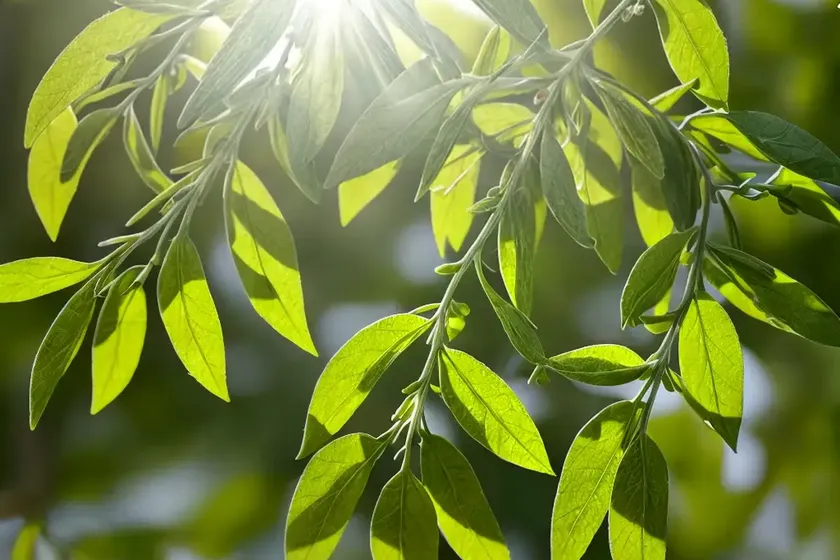
– Leaves: The leaves are ovate, glossy, and approximately 3-7 cm long with prominent veins. They turn yellow in autumn, adding a vibrant touch to the landscape.
– Flowers: The small, greenish-yellow flowers bloom in clusters, adding to the aesthetic appeal of the plant.
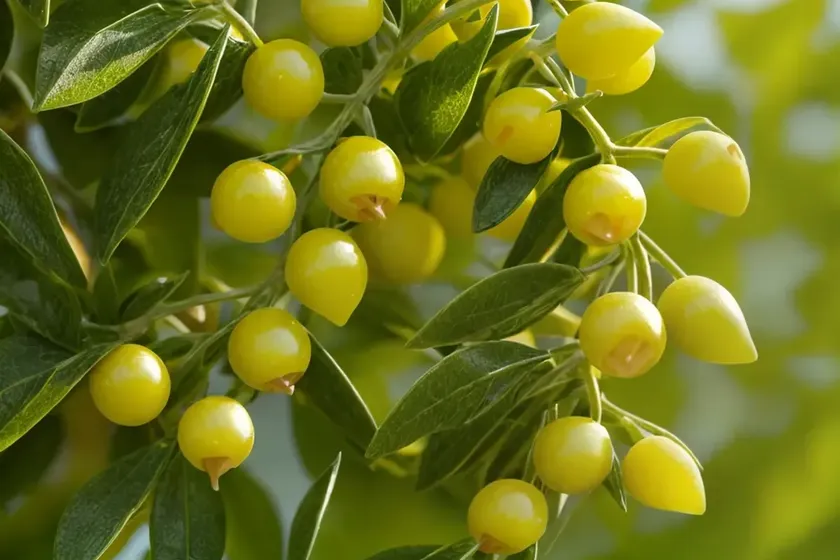
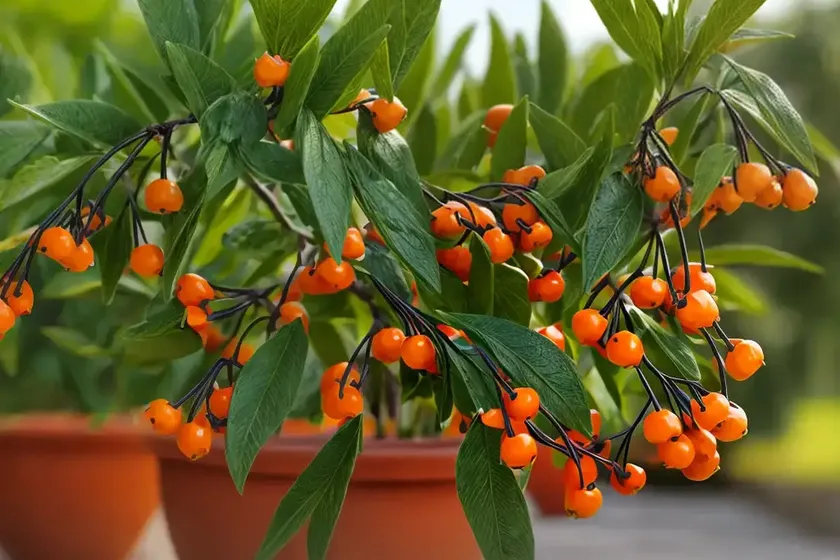
– Berries: The plant bears small, glossy black berries, which serve as a food source for birds and other wildlife.
Growth Habit
European buckthorn typically grows as a shrub or small tree, reaching heights of 2-6 meters. Its growth habit is dense, and it forms a thicket of branches, contributing to its value in providing wildlife habitat and cover.
Uses of European Buckthorn
European buckthorn has been utilized for various purposes, ranging from medicinal to ecological and ornamental applications.
Medicinal Uses
The berries and bark of European buckthorn have been used in traditional medicine for their purgative properties. Historically, they were employed as a mild laxative and were believed to have cleansing effects on the body.
Ecological Significance
The plant serves ecological purposes by providing food and habitat for wildlife. Birds are particularly attracted to the berries, making the plant a valuable food source in natural areas.
Ornamental Value
Due to its glossy foliage and decorative berries, European buckthorn is also used for ornamental landscaping. It adds visual interest to gardens and natural areas, especially during the autumn when the foliage turns yellow and the berries ripen to a dark hue.
Distribution of Rhamnus cathartica
The native range of European buckthorn spans across Europe, Western Asia, and North Africa. Additionally, it has been introduced to North America, where it has established itself in various regions. The distribution of this plant highlights its adaptability to different environments and its capacity to thrive outside of its original range.
Benefits of European Buckthorn
The European buckthorn offers several benefits, both in natural ecosystems and human usage:
– Wildlife Habitat: The dense growth habit and the production of berries contribute to the plant’s role in providing food and shelter for wildlife, particularly birds.
– Medicinal Properties: While its medicinal usage is not as common today, historically, the purgative properties of the plant were recognized and utilized.
– Ecological Significance: As an ecological component, European buckthorn contributes to the biodiversity of its native habitats and the areas in which it has been introduced.
Identification of Rhamnus cathartica
The identification of European buckthorn can be based on its distinctive features:
– Leaves: The glossy, ovate leaves with prominent veins are characteristic of the plant.
– Berries: The small, black berries in clusters are a prominent identifying feature, especially during the fruiting season.
Cultivation Requirements
Now that we have explored the natural habitat and uses of European buckthorn, it’s essential to understand its cultivation requirements for those interested in growing or managing this plant.
Water
European buckthorn has moderate water needs and can tolerate a range of moisture levels once established. It is adaptable to both dry and moderately wet conditions, making it suitable for various environments. While it can withstand drought once established, consistent moisture is beneficial for optimal growth and berry production.
Sunlight
This plant is considered moderately shade tolerant, but it thrives in full sun to partial shade conditions. Adequate sunlight is essential for its growth and berry production. In shaded environments, the density of the foliage may decrease, affecting its ornamental and ecological value.
Fertilizer
Generally, European buckthorn does not have high fertilizer requirements once established in a suitable location. However, when growing it in less fertile soils or as part of ornamental landscaping, the application of balanced fertilizer in the spring can support its growth and overall health.
Soil
European buckthorn can adapt to a range of soil types, including loamy, sandy, or clay soils, as long as they are well-draining. It can tolerate both acidic and alkaline soils, further expanding its suitability for cultivation in various regions. Ideally, the soil should be moderately moist and not excessively waterlogged.
Pruning
Pruning is an important aspect of managing European buckthorn, especially in ornamental landscapes or when aiming to control its growth. Key considerations for pruning include:
– Deadwood Removal: Periodic removal of dead or damaged branches promotes the overall health and appearance of the plant.
– Size Control: Selective and minimal pruning can be employed to control the size and density of the plant, particularly in landscaping applications.
Propagation
European buckthorn can be propagated through various methods, including seed propagation and vegetative propagation:
Seed Propagation:
- Collection: The berries can be collected when ripe, and the seeds can be extracted for propagation.
- Stratification: To improve germination, the seeds typically require a period of cold stratification before sowing.
Vegetative Propagation:
- Cuttings: Semi-hardwood cuttings taken from the healthy and actively growing branches can be utilized for propagation.
Container Popularity
While European buckthorn is well-suited for cultivation in gardens and natural areas, its popularity in container gardening is relatively limited. Due to its size and growth habits, it may not be the most practical choice for container cultivation in small spaces or urban environments.
Common Diseases
European buckthorn can be susceptible to certain diseases, with some of the common issues being:
– Anthracnose: This fungal disease can cause leaf spots, defoliation, and twig dieback, affecting the overall health of the plant.
– Powdery Mildew: White powdery patches on the leaves are indicative of powdery mildew, which can impact the aesthetics of the plant.
Disease Diagnosis
Diagnosing diseases in European buckthorn involves careful observation of the plant’s symptoms and, in some cases, microscopic examination of the affected plant parts. Timely diagnosis is crucial for implementing effective management strategies and preventing the spread of diseases to other plants in the vicinity.
Common Pests
European buckthorn may face challenges from various pests, including:
– Aphids: These small insects can infest the plant, causing damage to the foliage and impacting its overall vigor.
– Scale Insects: Scale insects may attach themselves to the branches and stems, affecting the plant’s health and appearance.
Botanist’s Tips
For those fascinated by the unique characteristics and ecological role of European buckthorn, here are some tips and recommendations:
– Wildlife Enhancement: Consider incorporating European buckthorn into wildlife-friendly landscapes to support bird populations and other wildlife.
– Medicinal Properties: While the plant’s medicinal usage is historical, it can be of interest for those exploring traditional herbal remedies and botany.
Fun Facts
To add an extra layer of interest to our exploration of European buckthorn, here are some intriguing and lesser-known facts about Rhamnus cathartica:
– Despite its name, European buckthorn is not closely related to the true buckthorns belonging to the genus Buckthorn.
– The berries of European buckthorn are mildly toxic to humans but serve as an important food source for birds during the winter months.
Links to External Resources
For further in-depth exploration of European buckthorn and related topics, the following external resources provide valuable insights and information:
– UK Forestry Commission – Non-Native Species Information Portal
– USDA Plants Database
– Royal Horticultural Society – Plant Search
– Invasive Plant Atlas of the United States
– The Plant List – Rhamnus cathartica
Conclusion
In conclusion, European buckthorn (Rhamnus cathartica) is a notable plant species with a rich history of uses, ecological significance, and unique attributes. Its adaptability to diverse habitats, wildlife interactions, and cultural significance make it a subject of interest for botanists, horticulturists, and ecologists. Understanding the cultivation requirements and ecological impacts of European buckthorn is essential for managing its presence in natural environments and ornamental landscapes. As we continue to explore the intricate world of plants, the European buckthorn stands as a compelling example of the diverse and valuable contributions of plant species to our ecosystems and human societies.
By delving into the habitat, uses, cultivation, and ecological roles of European buckthorn, we have gained a deeper understanding of this intriguing plant species, paving the way for further appreciation of its significance in the natural world.
For those intrigued by the vast and intricate world of plants, the European buckthorn offers a captivating avenue for exploration and appreciation of the diverse and remarkable attributes of plant life.
This comprehensive guide to European buckthorn (Rhamnus cathartica) provides a detailed exploration of the plant, covering its habitat, characteristics, uses, cultivation, and much more. By delving into the intricate world of this fascinating plant species, we gain a deeper appreciation for its ecological significance and contributions to natural ecosystems. Whether for wildlife enhancement, medicinal curiosity, or botanical intrigue, European buckthorn offers a captivating subject for exploration in the realm of plant science and ecological stewardship.
While exploring the extensive details and nuances of European buckthorn, we unravel its valuable role in the intricate tapestry of plant life and natural ecosystems, encouraging a deeper understanding and appreciation for the diverse contributions of plant species to our world.


