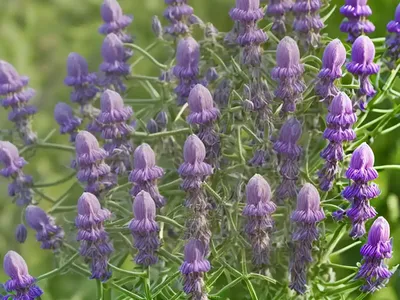
European Blue Lupine (Lupinus Angustifolius)
The European blue lupine, scientifically known as Lupinus angustifolius, is a visually stunning flowering plant that belongs to the Fabaceae family. This.
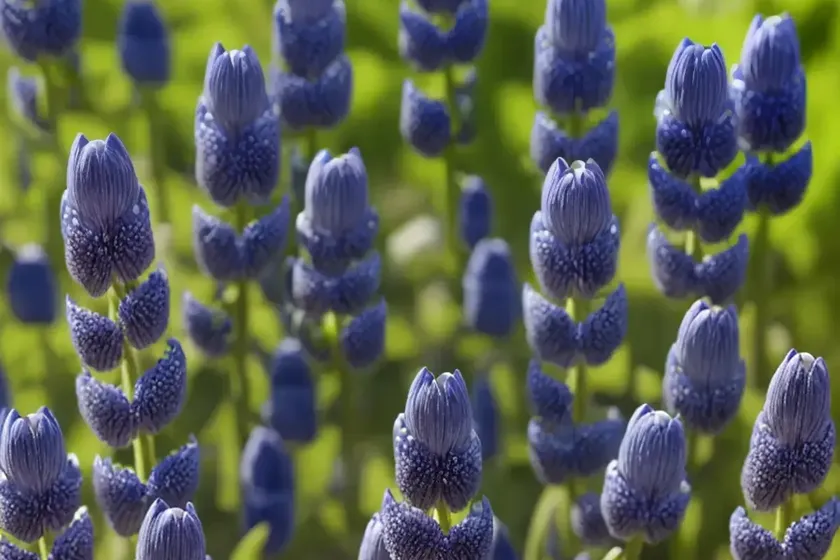
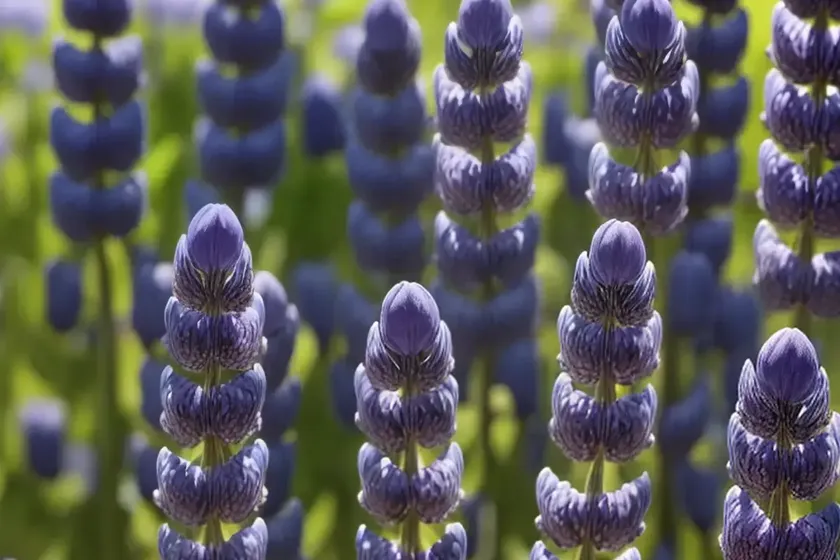
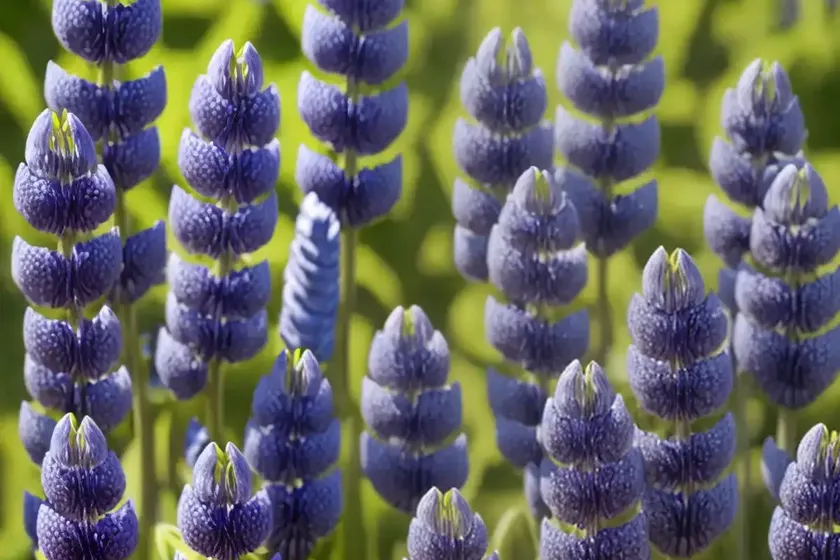
The European blue lupine, scientifically known as Lupinus angustifolius, is a visually stunning flowering plant that belongs to the Fabaceae family. This beautiful plant is native to southern Europe and western Asia and is a popular choice for gardens and landscapes due to its vibrant and eye-catching flowers. In addition to its ornamental value, the European blue lupine also offers various ecological and agricultural benefits that make it a valuable addition to any environment.
In this comprehensive guide, we will delve into the fascinating world of the European blue lupine, exploring its cultural significance, growth requirements, maintenance tips, and much more. Whether you are a seasoned gardener or a novice enthusiast, this guide will equip you with the knowledge and insights needed to cultivate and care for this captivating plant successfully.
What is European Blue Lupine (Lupinus angustifolius)?
The European blue lupine, or Lupinus angustifolius, is a herbaceous perennial plant renowned for its striking blue flowers and palmate leaves. It typically grows to a height of 60-90 cm (24-36 inches) and produces dense clusters of flowers along tall, erect stems. The flowers themselves are characterized by their intense indigo-blue coloration, creating a visually dazzling display that adds vibrancy to any landscape. Beyond its aesthetic allure, the European blue lupine also boasts a robust and extensive root system, making it an excellent choice for soil stabilization and erosion control.
Key Takeaways
Before delving into the specifics of European blue lupine care, it’s important to highlight some key takeaways about this beautiful plant.
Cultural Significance:
– Rich history and folklore associations with the plant
– Symbolic significance in various cultures
Growth Requirements:
– Adequate water and sunlight for optimal growth
– Well-drained soil with moderate fertility
Maintenance Tips:
– Pruning for healthy growth and prolific flowering
– Disease prevention and control measures
Ecological Benefits:
– Soil improvement and nitrogen fixation
– Wildlife attraction and biodiversity support
With these key points in mind, let’s explore the various facets of cultivating and caring for the European blue lupine.
Planting and Cultivation
Soil Preferences
European blue lupines thrive in well-drained, loamy soils with moderate fertility. The ideal pH range for soil is slightly acidic to neutral, approximately 6.0 to 7.0. It is crucial to ensure good drainage to prevent waterlogging, which can be detrimental to the plant’s health. Additionally, incorporating organic matter into the soil can enhance its overall quality and fertility, providing a favorable environment for the lupine’s development.
[Tip]
- Conduct a soil test to assess pH levels and nutrient content before planting European blue lupine.
Watering Needs
Proper irrigation is essential for the healthy growth and development of European blue lupine plants. During the initial establishment phase, consistent watering is crucial to support root development and overall vigor. Once established, the plants exhibit moderate drought tolerance, reducing the frequency of watering but ensuring that they receive adequate moisture during dry periods. However, it is imperative to avoid overwatering, as excessive moisture can lead to root rot and other detrimental conditions.
[Tip]
- Use a soaker hose or drip irrigation system to deliver water directly to the plant’s root zone, minimizing water wastage.
Sunlight Requirements
European blue lupines thrive in full sun to partial shade, preferring at least 6-8 hours of direct sunlight per day. Adequate sunlight is essential for promoting robust growth and abundant flowering. In regions with intense heat, providing some afternoon shade can help protect the plants from excessive stress and sunscald.
[Tip]
- Monitor the plant’s sunlight exposure throughout the day, especially during hot summer months, to ensure optimal conditions.
Fertilizer Needs
To support healthy growth and flowering, European blue lupines benefit from a balanced fertilizer application during the growing season. A complete, slow-release fertilizer with a balanced NPK ratio can provide the essential nutrients the plants need. It is advisable to apply the fertilizer in early spring as new growth begins, taking care to follow the recommended application rates to prevent over-fertilization.
[Tip]
- Consider using an organic fertilizer to promote long-term soil health and minimize the risk of chemical buildup.
Pruning and Maintenance
Pruning Tips
Pruning plays a vital role in maintaining the health and appearance of European blue lupine plants. Regular deadheading, or the removal of spent flowers, encourages continuous blooming and prevents the plants from expending energy on seed production. Additionally, removing any damaged or diseased foliage helps maintain overall plant vigor and reduces the risk of fungal infections.
[Tip]
- Deadhead European blue lupine flowers regularly to promote prolonged flowering periods and enhance visual appeal.
Disease Prevention
While European blue lupines are generally resilient plants, they can be susceptible to certain fungal diseases, including powdery mildew and anthracnose. To prevent disease development, it is essential to promote good air circulation around the plants by spacing them adequately and avoiding overcrowding. Additionally, practicing proper watering techniques, such as watering at the base of the plants to minimize leaf wetting, can help reduce the risk of fungal infections.
[Tip]
- Apply preventive fungicidal treatments if fungal diseases are prevalent in your region, especially during periods of high humidity.
Propagation and Container Gardening
Propagation Methods
European blue lupines can be propagated through various methods, including seed sowing, division, and stem cuttings. Seed propagation is the most common approach and involves sowing seeds directly into the garden soil or containers. To increase the success rate of seed germination, scarifying the seeds by nicking or sanding the outer seed coat can help to expedite the germination process.
[Tip]
- Collect seeds from mature European blue lupine plants in late summer for propagation in the following growing season.
Container Gardening
European blue lupines can thrive in containers, making them an excellent choice for gardeners with limited space or those interested in adding colorful accents to patios, balconies, or paved areas. When selecting a container, opt for a spacious pot with adequate drainage holes to prevent water accumulation. A well-draining potting mix formulated for flowering plants can provide the necessary support for the lupine’s growth and development.
[Tip]
- Assess the size of the lupine’s root system and choose a container that allows for ample root expansion and growth.
Common Diseases and Pests
Common Diseases
European blue lupines may be susceptible to certain diseases, with powdery mildew and anthracnose being among the most prevalent issues. Powdery mildew manifests as a white, powdery growth on the plant’s leaves and stems, while anthracnose causes dark lesions and cankers on the foliage. Both conditions can impact the plant’s overall health and aesthetic appeal if left unchecked.
Disease Diagnosis
Regular inspection of the plant for any signs of disease is crucial for early intervention and effective management. If you observe abnormal discoloration, spots, or unusual growth on the foliage, promptly investigate the issue and take necessary measures to diagnose the specific disease affecting the plant. Consult with a local horticulturist or extension service for accurate diagnosis and targeted treatment recommendations.
Common Pests
European blue lupines may encounter pests such as aphids, spider mites, and caterpillars, especially during periods of active growth and flowering. These pests can cause damage to the plant’s foliage and flowers, affecting its overall vitality and appearance. Implementing pest control measures, including the use of natural predators, insecticidal soaps, or horticultural oils, can help manage pest infestations effectively.
[Tip]
- Monitor the plant for signs of pest activity, such as stippled leaves, distorted growth, or the presence of insects, and take appropriate action to address the issue.
Botanist’s Tips for Successful European Blue Lupine Cultivation
To ensure the successful cultivation of European blue lupine in your garden or landscape, consider the following expert tips and recommendations:
-
Companion Planting: Pair European blue lupines with other flowering perennials or ornamental grasses to create visually engaging and biodiverse plant communities.
-
Mulching: Apply a layer of organic mulch around the base of the plants to conserve moisture, suppress weed growth, and insulate the roots during extreme temperatures.
-
Wildlife Attraction: European blue lupines are known to attract pollinators such as bees and butterflies, contributing to the overall health and biodiversity of the ecosystem.
-
Educational Uses: Incorporate European blue lupines into educational gardens and landscapes to teach students about plant diversity, ecological interactions, and the importance of conservation.
Fun Facts about European Blue Lupine
- The vibrant blue flowers of European blue lupines are not only visually appealing but also serve as a valuable nectar source for pollinators, supporting the local ecosystem.
- The genus name “Lupinus” is derived from the Latin word “lupus,” meaning wolf, alluding to the mistaken belief that plants depleted soil fertility, hence the name “wolf plant.”
- European blue lupines have been used in traditional medicine for their purported diuretic and anti-inflammatory properties, although caution should be exercised when considering medicinal uses.
Links to External Resources
For further information on European blue lupine cultivation, care, and related topics, consider exploring the following resources:
- Royal Horticultural Society – Lupinus angustifolius
- Missouri Botanical Garden – Lupinus angustifolius
- University of Maryland Extension – Lupinus angustifolius Fact Sheet
In conclusion, European blue lupine (Lupinus angustifolius) stands out as a captivating and ecologically valuable plant species. Its stunning flowers, ecological contributions, and cultural significance make it a cherished addition to gardens, landscapes, and natural habitats. By adhering to the care tips and recommendations outlined in this guide, you can cultivate and nurture European blue lupines with confidence, witnessing their beauty and benefits firsthand.
References
– “Lupinus angustifolius – Plant Finder.” Missouri Botanical Garden, www.missouribotanicalgarden.org/PlantFinder/PlantFinderDetails.aspx?taxonid=282968&isprofile=1&basic=lupinus.
– “Lupinus angustifolius (A068) – European Blue Lupine.” Royal Horticultural Society, www.rhs.org.uk/Plants/64924/Lupinus-angustifolius/Details.
– “European Blue Lupine.” University of Maryland Extension, extension.umd.edu/resource/european-blue-lupine.