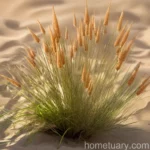
European Beach Grass (Ammophila Arenaria): A Coastal Pioneer Species
From stabilizing sand dunes to preventing coastal erosion, European beach grass (Ammophila arenaria) stands out as a vital component of coastal ecosystems in Europe. In this comprehensive guide, we will explore the key aspects of European beach grass, its cultural significance, uses, maintenance requirements, and its role in preserving coastal biodiversity.
What is European Beach Grass (Ammophila Arenaria)?
European beach grass, scientifically known as Ammophila arenaria, is a perennial beach grass species native to coastal regions of Europe. It belongs to the family Poaceae and is well adapted to coastal environments, particularly sandy beaches and dunes. Commonly referred to as marram grass or European marram grass, it is renowned for its vital role in stabilizing coastlines and preventing sand erosion due to its extensive root system.
The ecological significance of Ammophila arenaria extends beyond its ability to anchor sand and prevent erosion. It also serves as a habitat and food source for various coastal wildlife, contributing to the overall biodiversity of coastal regions. Furthermore, its cultural and recreational importance, particularly in coastal tourism, cannot be overlooked.
Key Takeaways – European Beach Grass (Ammophila Arenaria):
Before delving into the specific aspects of European beach grass cultivation, it is important to highlight some key takeaways about this coastal pioneer species. Here are some of the essential points to keep in mind regarding Ammophila arenaria:
- It is a European grass species well adapted to coastal environments, particularly sandy beaches and dunes.
- European beach grass plays a critical role in stabilizing sand dunes and preventing coastal erosion.
- It is a key component of coastal vegetation and contributes to the biodiversity of European coastal regions.
- Ammophila arenaria is known for its resilience, salt tolerance, and adaptability to harsh coastal conditions.
- The conservation status of European beach grass is of significant concern, given its ecological importance and vulnerability to habitat degradation.
Now that we have a foundational understanding of European beach grass, let’s explore the cultural significance, uses, and key considerations for cultivating and preserving this vital coastal plant.
Culture
Uses
European beach grass, with its remarkable adaptability to coastal environments, serves various ecological and practical purposes. Its uses span from environmental conservation to landscaping and erosion control. Here are some of the key uses of Ammophila arenaria:
-
Stabilization of Sand Dunes: One of the primary uses of European beach grass is dune stabilization. Its extensive rhizome system helps bind the sand, preventing dune erosion and promoting dune growth. This function is crucial for maintaining the integrity of coastal dune systems and protecting inland areas from sand encroachment.
-
Coastal Erosion Control: Along shorelines and coastal areas prone to erosion, European beach grass plays a pivotal role in preventing land loss. Its dense network of roots helps anchor the sand, serving as a natural buffer against wave action and reducing the impact of coastal erosion.
-
Habitat Creation: By stabilizing dunes and creating a stable environment, Ammophila arenaria contributes to the formation of unique coastal habitats. These habitats support a diverse range of plant and animal species, enriching the overall biodiversity of coastal ecosystems.
-
Landscaping and Soil Stabilization: Beyond its ecological functions, European beach grass is used in landscaping and soil stabilization projects in coastal areas. Its ability to thrive in sandy, salt-laden soils makes it a valuable asset for landscaping efforts near beaches and coastal properties.
-
Recreational and Aesthetic Purposes: Along with its ecological significance, European beach grass enhances the visual appeal of coastal landscapes. It is often incorporated into beachfront properties, parks, and recreational areas, contributing to the scenic beauty of coastal regions.
Water
European beach grass exhibits superb drought tolerance, making it well-suited for the arid and sandy conditions prevalent in coastal environments. While it can survive in low moisture conditions, establishing the grass in its initial growth phase may require supplemental watering until the root system becomes established. Once established, it requires minimal watering, relying primarily on natural rainfall and soil moisture present in coastal environments.
In instances where prolonged drought occurs, particularly during the establishment phase, consistent watering may be necessary to support healthy growth and root development. However, ample drainage is essential to prevent waterlogged conditions, as excessive moisture can inhibit the establishment and growth of European beach grass.
Sunlight
Ammophila arenaria thrives in full sunlight and is well adapted to the intense light conditions found in coastal areas. It is highly tolerant of direct sun exposure, requiring at least six to eight hours of sunlight per day for optimal growth. In shaded or partially shaded environments, the grass may exhibit reduced vigor and density, compromising its ability to fulfill its ecological functions, such as dune stabilization and erosion control.
When selecting a site for planting European beach grass, prioritizing locations with ample sunlight is crucial. This ensures that the grass receives the necessary light energy to support robust growth and the development of its extensive root system.
Fertilizer
In the natural coastal habitat, European beach grass is adapted to nutrient-poor, sandy soils, and it has evolved to thrive without the need for supplemental fertilization. Its growth and establishment are primarily driven by the nutrient reserves present in the sand and the organic matter accumulated within the dune environment.
When cultivating European beach grass in landscaped or disturbed coastal areas, it is important to minimize the use of fertilizers, particularly those containing high levels of nitrogen and phosphorus. Excessive fertilization can disrupt the delicate balance of nutrients in coastal ecosystems, potentially leading to eutrophication and the disruption of native plant communities.
If soil nutrient deficiencies are evident, organic soil amendments such as compost or well-decomposed manure can be used to improve soil fertility. However, careful consideration should be given to the specific nutrient requirements of the grass, as excessive fertilization can result in imbalances and ecological disturbances.
Soil
European beach grass thrives in well-drained, sandy soils characteristic of coastal environments. Its adaptability to low-nutrient, well-drained substrates makes it an ideal candidate for stabilizing sandy coastal areas and dunes. When establishing or transplanting Ammophila arenaria, the following soil considerations are essential:
-
Sandy Soil Composition: The preferred soil type for European beach grass is sandy soil with good drainage properties. Sandy substrates facilitate the establishment of the grass’s extensive root system and provide a stable medium for dune stabilization.
-
Soil pH: European beach grass tolerates a wide range of soil pH, including acidic to slightly alkaline conditions. In coastal environments, the pH of the soil is influenced by factors such as salt deposition and the mineral composition of the sand. The grass’s adaptability to varying pH levels contributes to its resilience in coastal habitats.
-
Salt Tolerance: An important characteristic of the soil in coastal regions is its salinity. European beach grass exhibits exceptional salt tolerance, enabling it to thrive in soils with moderate to high salinity levels. This attribute is vital for its role in coastal stabilization and erosion control, where exposure to seawater and salt spray is common.
-
Drainage: Adequate drainage is paramount for the successful cultivation of European beach grass. Excess moisture and waterlogging can impede root development and lead to the decline of the grass. Therefore, selecting well-drained sites and avoiding areas prone to water accumulation is essential for its cultivation.
Pruning
European beach grass typically does not require extensive pruning or trimming in natural coastal habitats. However, in landscaped areas and public spaces where the aesthetics of the grass are a consideration, light pruning may be performed to maintain a neat and tidy appearance. When pruning European beach grass, the following guidelines can be followed:
-
Dead Leaf Removal: Removing dead or yellowing leaves can help improve the overall appearance of the grass and promote air circulation around the plant. This can be done by gently pulling or cutting away the dead foliage, being careful not to damage the growing points and emerging shoots.
-
Height Control: If the grass becomes overgrown or exceeds desired height limits, it can be trimmed to maintain a uniform height and shape. Care should be taken to avoid excessive pruning, as this can stress the grass and compromise its natural function as a stabilizer and erosion controller.
-
Pruning Frequency: Pruning frequency for European beach grass is generally low, especially in natural settings where it can grow freely. In landscaped areas, pruning can be done as needed to manage the grass’s size and appearance, typically on an annual or biannual basis.
Propagation
The propagation of European beach grass can be achieved through both sexual and vegetative means, each with its unique advantages and considerations.
Sexual Propagation:
Seed propagation can be used to establish new populations of European beach grass, particularly in restoration and conservation projects. To propagate Ammophila arenaria from seeds, the following steps can be taken:
-
Seed Collection: Collect mature seeds from healthy, established stands of European beach grass. Harvest seeds when they are fully ripe, typically in late summer or early autumn.
-
Seed Preparation: Clean the seeds to remove any debris or fruiting structures. Scarification of the seed coat may be necessary to enhance germination, as the seeds have evolved to withstand coastal conditions.
-
Sowing: Sow the prepared seeds in a suitable substrate with good drainage, such as sandy soil. Ensure that the seeds are covered lightly with soil and receive adequate sunlight for germination.
-
Germination and Establishment: Keep the soil consistently moist to support seed germination and the establishment of seedlings. As the seedlings grow, ensure that they receive sufficient light and protection from potential threats such as trampling and sand movement.
Vegetative Propagation:
Vegetative propagation of European beach grass involves the use of rhizomes and root fragments to establish new plants. This method can be particularly effective in restoration efforts and landscaping projects. The following steps outline the process of vegetative propagation for Ammophila arenaria:
-
Rhizome Collection: Obtain healthy rhizome segments from established stands of European beach grass. Carefully extract the rhizomes, ensuring that they are intact and capable of producing new shoots and roots.
-
Planting: Plant the collected rhizome segments in a suitable substrate, ensuring that they are positioned at the appropriate depth and orientation for growth.
-
Root Development: Provide consistent moisture and sunlight to facilitate the development of new shoots and roots from the planted rhizome segments.
-
Transplanting: Once the new plants have established a robust root system, they can be transplanted to their intended location, whether it is for coastal restoration, dune stabilization, or landscaping purposes.
Container Popularity
While European beach grass is often associated with coastal environments and dune systems, it is also valued for its ornamental qualities in container gardening. The graceful, arching foliage of the grass, coupled with its ability to thrive in sandy soil, makes it an attractive option for container plantings in coastal regions and beyond.
The popularity of European beach grass in containers can be attributed to several factors:
-
Aesthetic Appeal: The elegant, fountain-like form of Ammophila arenaria adds a touch of coastal charm to container gardens and coastal-themed landscapes.
-
Adaptability to Sandy Soil: Growing European beach grass in containers filled with sandy soil or a well-draining substrate simulates its natural coastal habitat and promotes healthy growth.
-
Versatility: Containers of European beach grass can be strategically placed to enhance outdoor spaces, create visual interest, and evoke the ambiance of coastal settings.
Common Diseases
While European beach grass is generally resilient and disease-resistant in its natural coastal habitat, certain environmental stresses and human activities can predispose it to potential diseases. Understanding the common diseases that may affect Ammophila arenaria is crucial for its conservation and management. Some of the common diseases that may impact European beach grass include:
-
Fungal Infections: Under conditions of excessive moisture or poor drainage, European beach grass may be susceptible to fungal diseases such as leaf spot and root rot. These conditions can lead to the deterioration of foliage and a decline in the overall health of the grass.
-
Bacterial Blights: Bacterial infections can cause blighting of foliage and stems in European beach grass, leading to visible lesions and discoloration. These infections may occur in response to wounds or environmental stressors that compromise the plant’s natural defenses.
-
Viral Diseases: While viral diseases are less common in European beach grass, they can have detrimental effects on its growth and vigor. Symptoms of viral infections may include stunted growth, distorted foliage, and general weakness in affected plants.
Disease Diagnosis
Accurately diagnosing diseases in European beach grass is essential for implementing targeted management strategies and preserving the health of coastal ecosystems. The diagnosis of diseases in Ammophila arenaria involves careful observation of symptoms, laboratory analysis, and proactive management approaches. Some key steps in the disease diagnosis process include:
-
Symptom Identification: Thoroughly assess the foliage, stems, and roots of European beach grass for any unusual symptoms, including discoloration, lesions, wilting, and abnormal growth patterns.
-
Environmental Evaluation: Consider the environmental conditions in which the grass is growing, including moisture levels, drainage, and the presence of potential stressors such as pollutants or compacted soil.
-
Laboratory Analysis: In cases where the cause of a plant’s decline is unclear, diagnostic laboratory tests may be conducted to identify the specific pathogens or underlying causes of disease.
-
Professional Consultation: Seek guidance from plant pathology experts and professionals with experience in coastal plant conservation to validate disease diagnoses and develop targeted management plans.
Common Pests
While European beach grass exhibits resilience to many environmental stressors, certain pests can pose challenges to its health and vitality. Recognizing the common pests that may affect Ammophila arenaria is crucial for implementing effective pest management strategies. Some of the common pests that may impact European beach grass include:
-
Nematodes: Soil-borne nematodes can affect the root system of European beach grass, leading to decreased vigor, stunted growth, and susceptibility to secondary infections.
-
Insects: Certain insects, such as grasshoppers, caterpillars, and aphids, may feed on the foliage and stems of European beach grass, potentially causing visible damage and reducing the plant’s aesthetic and ecological value.
-
Burrowing Animals: Mammals and burrowing animals, such as rabbits and rodents, can disturb the root system of European beach grass and lead to destabilization of dune systems and coastal habitats.
Botanist’s Tips
As a coastal pioneer species with critical ecological functions, European beach grass requires thoughtful cultivation and preservation to sustain its contributions to coastal ecosystems. Here are some expert tips from botanists and conservation practitioners for effectively managing and conserving Ammophila arenaria:
-
Minimal Disturbance: When working within natural coastal habitats, minimize disturbances to existing stands of European beach grass to maintain the integrity of dune systems and the associated plant and animal communities.
-
Native Plant Selection: Prioritize the use of native plant species, including European beach grass, when implementing coastal restoration and stabilization projects. Native plants are well-suited to local conditions and provide essential habitat and food sources for coastal wildlife.
-
Erosion Control Measures: In conjunction with the planting of European beach grass, implement erosion control measures such as dune fencing and erosion blankets to protect newly established stands from wave action and sand movement.
-
Collaborative Conservation: Engage local communities, conservation organizations, and government entities in collaborative efforts to conserve and restore coastal habitats where European beach grass plays a significant role.
-
Long-term Monitoring: Establish monitoring programs to assess the health and performance of European beach grass populations over time, identifying any potential threats or changes in coastal dynamics that may impact the grass’s long-term viability.
Fun Facts
Uncover some intriguing and lesser-known facts about European beach grass that highlight its unique ecological adaptations and cultural significance:
-
Sand-binding Specialists: European beach grass is renowned for its exceptional ability to bind and stabilize sand, facilitating the growth of coastal dunes and contributing to the resilience of coastal ecosystems.
-
Saline Adaptation: Ammophila arenaria exhibits remarkable salt tolerance, enabling it to thrive in saline conditions and withstand exposure to seawater and salt spray, common in coastal environments.
-
Coastal Wildlife Support: The stable habitats created by European beach grass support a diverse array of coastal wildlife, including nesting birds, insects, and small mammals that depend on these habitats for survival.
-
Cultural Symbolism: In addition to its ecological importance, European beach grass holds cultural significance and is often regarded as an emblem of coastal landscapes and the enduring dynamics of coastal ecosystems.
-
Historical Uses: Throughout history, European beach grass has been used for practical purposes such as thatching, weaving, and stabilizing sand dunes, demonstrating its enduring utility and cultural heritage.
Links to External Resources
For further exploration of European beach grass (Ammophila arenaria) and related topics in coastal conservation and ecology, the following external resources provide valuable insights and information:
-
[European Dune Conservation Network] – A collaborative network of organizations and researchers dedicated to the conservation of European coastal dunes, encompassing the ecological significance of Ammophila arenaria and other coastal species.
-
[European Coastal Habitat Restoration Guide] – A comprehensive guide to habitat restoration and conservation of coastal ecosystems in Europe, featuring best practices for incorporating European beach grass in restoration projects.
-
[Coastal Plant Biodiversity Database] – An extensive database documenting the biodiversity of coastal plant communities in Europe, including the distribution and ecological roles of Ammophila arenaria and related species.
-
[European Coastal Stabilization Techniques] – A resource detailing innovative and effective techniques for stabilizing coastal areas, emphasizing the role of European beach grass in erosion control and dune stabilization.
-
[European Coastal Management Toolkit] – A toolkit designed for coastal managers and conservation practitioners, offering practical guidance on managing European beach grass populations and integrating them into coastal conservation strategies.
-
[European Plant Conservation Initiatives] – A repository of conservation initiatives and projects focused on preserving the plant biodiversity of European coastal regions, encompassing efforts to conserve and restore Ammophila arenaria habitats.
In conclusion, European beach grass (Ammophila arenaria) stands as a symbol of resilience, adaptation, and ecological significance in coastal environments throughout Europe. The intrinsic link between European beach grass and the stability of coastal ecosystems underscores the need for its thoughtful cultivation, effective conservation, and integrated management within the context of coastal restoration and environmental stewardship.
As we embrace the multifaceted roles of Ammophila arenaria, from stabilizing sand dunes to supporting coastal biodiversity, it is imperative to recognize its conservation status and the collective responsibility to safeguard its ecological contributions for the benefit of present and future generations. By embracing the cultural, ecological, and practical dimensions of European beach grass, we can foster a deeper appreciation for its irreplaceable value within the intricate tapestry of coastal landscapes and ecosystems.