Tall Bluebells (Mertensia Paniculata): A Complete Guide
Welcome to the wonderful world of plants! In this comprehensive guide, we will take an in-depth look at the enchanting Tall Bluebells (Mertensia Paniculata). Whether you are an experienced gardener or a novice plant enthusiast, you will find valuable information about the culture, uses, care, and much more for this captivating plant. Let’s delve into the realm of Tall Bluebells and discover the secrets of its cultivation and maintenance.
What is the Tall Bluebells (Mertensia Paniculata)?
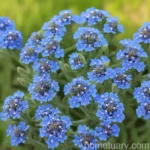
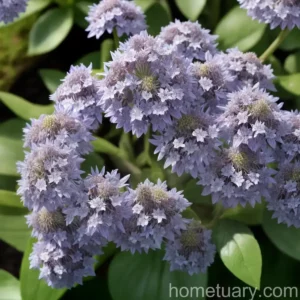
Tall Bluebells, scientifically known as Mertensia Paniculata, is a native perennial plant that belongs to the Boraginaceae family. This striking plant is characterized by its elegant clusters of small, bell-shaped flowers that bloom in mesmerizing shades of blue. It is commonly found in woodland areas, along stream banks, and in other moist, shaded habitats. The botanical name “Mertensia” is derived from the German botanist Franz Karl Mertens, and “Paniculata” refers to the panicle-like arrangement of the flowers.
Tall Bluebells are valued not only for their ornamental beauty but also for their ecological significance. They play a vital role in supporting pollinators and wildlife, making them a valuable addition to any garden or natural landscape.
Key Takeaways – Tall Bluebells (Mertensia Paniculata)
Before we embark on our journey to explore the world of Tall Bluebells, let’s take a moment to highlight some key takeaways about this enchanting plant.
- Scientific Name: Mertensia Paniculata
- Common Name: Tall Bluebells
- Plant Type: Perennial
- Family: Boraginaceae
- Flower Color: Blue
- Growth Habit: Clump-forming, upright
- Sunlight: Partial to full shade
- Watering: Moist, well-drained soil
- Soil Type: Rich, humusy, and moderately fertile
- Pruning: Minimal pruning required after flowering
- Propagation: Division, seeds
- Uses: Ornamental, wildlife support
- Diseases: Susceptible to fungal diseases in overly wet conditions
- Pests: Generally pest-resistant
- Native Range: North America
Now that we have an overview of the key aspects of Tall Bluebells, let’s delve deeper into each of these elements to understand how to cultivate and care for this captivating plant.
Culture
Sunlight
Tall Bluebells thrive in partial to full shade, making them an excellent choice for woodland gardens, shaded borders, and areas with filtered light. While they can tolerate some morning sun, it is crucial to provide them with protection from intense afternoon sun, especially in warmer climates. In regions with hot summers, situating Tall Bluebells in areas with dappled sunlight or gentle morning sun can help prevent stress and sunburn.
Water
Mertensia Paniculata has a preference for consistently moist soil, especially during the growing season. However, it is essential to ensure that the soil is well-drained to prevent waterlogging, which can lead to root rot and other moisture-related issues. Regular watering, particularly during dry spells, is beneficial for the health and vigor of Tall Bluebells. Mulching around the plants can help conserve soil moisture and reduce the frequency of watering.
Soil
The ideal soil for Tall Bluebells is rich, humusy, and moderately fertile. They thrive in soil that is well-aerated and provides good drainage. Adding organic matter such as compost or well-rotted leaf mold when planting or during routine maintenance can improve the soil structure and fertility, creating an optimal growing environment for Mertensia Paniculata.
Uses
Ornamental
Tall Bluebells are prized for their enchanting and delicate appearance, making them a delightful addition to shaded garden areas. Whether planted in clusters or as a standalone specimen, their graceful clusters of blue flowers lend an ethereal quality to the landscape. They can be incorporated into woodland garden designs, shaded borders, and naturalistic plantings, where their charming blooms can be appreciated up close.
Wildlife Support
In addition to their aesthetic value, Tall Bluebells play a crucial role in supporting pollinators and wildlife. The nectar-rich flowers attract various pollinators, including bees and butterflies, contributing to the ecological diversity of the garden. Additionally, the foliage provides food and habitat for certain native insects, further enriching the ecosystem.
Fertilizer
Tall Bluebells generally thrive in moderately fertile soil and may not require heavy feeding. However, applying a balanced, slow-release fertilizer in early spring can provide the plants with essential nutrients to support healthy growth and abundant flowering. It is important to follow the specific recommendations on the fertilizer label and avoid over-fertilizing, which can lead to excessive foliage at the expense of flower production.
Pruning
Minimal pruning is typically required for Tall Bluebells. After the flowering period, removing any spent blooms can help maintain the plant’s neat appearance and prevent self-seeding if desired. However, it is important to avoid heavy pruning or cutting back the foliage excessively, as this can affect the plant’s ability to store energy for the following season.
Propagation
Division
Tall Bluebells can be propagated through division, which involves separating the rhizomatous roots to create new plants. Division is best carried out in early spring or fall when the plant is not in active growth. By carefully lifting and dividing the clumps, individual sections with healthy roots and shoots can be replanted in suitable locations, allowing them to establish and grow into new, vibrant plants.
Seeds
Another method of propagating Mertensia Paniculata is through seeds. Collecting ripe seed pods in late summer or early autumn and sowing them in a prepared seedbed or containers can yield new seedlings. The seeds should be sown at the appropriate depth and provided with the necessary moisture and care to support germination. Over time, the seedlings will develop into robust plants, ready to grace the garden with their exquisite blooms.
Container Popularity
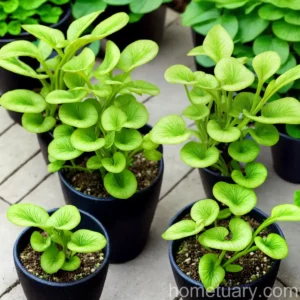
While Tall Bluebells are often associated with shaded garden landscapes and naturalistic settings, they can also thrive in containers under the right conditions. Their adaptability to partial to full shade makes them suitable candidates for enriching shaded patios, balconies, and outdoor living spaces. When selecting containers for Tall Bluebells, it is important to choose those with sufficient drainage holes to prevent waterlogging, as well as a high-quality, well-draining potting mix to support healthy growth.
Common Diseases
Despite their overall resilience, Tall Bluebells are susceptible to certain diseases, particularly in conditions of excessive moisture and poor air circulation. Common diseases that may affect Mertensia Paniculata include:
- Powdery Mildew:
-
Powdery mildew can manifest as a white, powdery coating on the leaves and stems, affecting the plant’s overall health and aesthetics. To combat powdery mildew, ensuring good air circulation around the plants, avoiding overhead watering, and removing affected foliage can help minimize the incidence of this fungal disease.
-
Leaf Spot:
- Leaf spot diseases can cause dark spots or lesions on the foliage, potentially leading to leaf yellowing and premature defoliation. To manage leaf spot, practicing good sanitation, such as removing and disposing of infected plant material, and providing proper watering and care can aid in reducing its impact on Tall Bluebells.
Disease Diagnosis
When diagnosing and addressing potential diseases affecting Tall Bluebells, it is important to closely observe the plant for any unusual symptoms or changes in its appearance. Regular inspection of the foliage, stems, and overall growth can help detect early signs of disease, allowing for timely intervention and management. Additionally, consulting with local horticultural experts or plant health professionals can provide valuable insights and recommendations for addressing specific diseases that may be prevalent in your region.
Common Pests
Tall Bluebells are generally resistant to many common garden pests, thanks to their natural resilience and the protection provided by their shaded habitat. However, there are a few pests that may occasionally pose a threat to these plants, including:
- Slugs and Snails:
-
These mollusks can inflict damage by feeding on the foliage and tender shoots of Tall Bluebells, particularly during periods of high moisture or humidity. Utilizing natural or organic slug and snail control methods, such as barriers, traps, and diatomaceous earth, can help mitigate their impact on the plants.
-
Deer and Rabbits:
- In areas where deer and rabbits are present, these animals may graze on the foliage of Tall Bluebells, potentially causing significant damage. Implementing fencing or repellents designed to deter browsing wildlife can help safeguard the plants from excessive feeding and browsing.
Botanist’s Tips
Soil Requirements for Tall Bluebells
Optimal soil conditions are crucial for the health and vigor of Tall Bluebells. To meet their soil requirements, consider the following:
- Use a well-draining, humus-rich soil mix when planting or transplanting Tall Bluebells.
- Incorporate organic matter such as compost or leaf mold to improve soil structure and fertility.
- Avoid heavy, compacted soils that may impede drainage and root development.
Sunlight Needs for Mertensia Paniculata
Understanding the sunlight preferences of Tall Bluebells is key to supporting their growth and blooming. Here are some tips for meeting their sunlight needs:
- Plant Tall Bluebells in areas with partial to full shade, providing protection from intense afternoon sun in warmer climates.
- In regions with hot summers, choose sites with dappled sunlight or morning sun to prevent stress and sunburn.
Watering Tall Bluebells
Effective watering practices play a vital role in sustaining the health and vitality of Tall Bluebells. Consider the following guidelines for watering these plants:
- Maintain consistently moist soil, particularly during the active growth and flowering periods.
- Use mulch to conserve soil moisture and reduce the frequency of watering, especially during dry spells.
Pruning Mertensia Paniculata
Prudent pruning can help maintain the appearance and performance of Tall Bluebells. Follow these pruning tips for optimal results:
- After the flowering period, remove spent blooms to promote a tidy appearance and prevent self-seeding.
- Avoid excessive pruning or cutting back of the foliage, as this can impact the plant’s energy reserves.
Fertilizing Tall Bluebells
Balanced nutrition is essential for the well-being of Tall Bluebells. Use the following tips for fertilizing these plants:
- Apply a balanced, slow-release fertilizer in early spring to provide essential nutrients for healthy growth and flowering.
- Follow the recommended application rates and avoid over-fertilizing, which can lead to imbalanced growth and reduced flowering.
Fun Facts
-
Native Beauty: Tall Bluebells are native to North America, where they can be found adorning woodland areas and shaded habitats with their exquisite blooms.
-
Botanical Charm: The delicate, bell-shaped flowers of Mertensia Paniculata possess a beguiling aesthetic that captivates the senses and attracts admirers from afar.
-
Ecological Role: In addition to their ornamental value, Tall Bluebells contribute to the ecological richness of their surroundings by supporting pollinators and native wildlife.
-
Perennial Splendor: This enduring plant returns year after year, gracing the garden with its enduring beauty and enduring presence.
-
Enchanting Foliage: In addition to their enchanting flowers, Tall Bluebells boast lush, verdant foliage that adds texture and allure to shaded garden spaces.
Links to External Resources
As we conclude our exploration of Tall Bluebells (Mertensia Paniculata), I would like to provide you with links to reputable external resources where you can further expand your knowledge and appreciation of this captivating plant:
- The American Horticultural Society – Plant Profile: Mertensia Paniculata
- University of Wisconsin-Madison – Wisconsin State Herbarium: Mertensia Paniculata
- Lady Bird Johnson Wildflower Center – Native Plant Database: Mertensia Paniculata
- North Carolina State University Extension – Growing Native Plants: Mertensia Paniculata
- Missouri Botanical Garden – Plant Finder: Mertensia Paniculata
- Wild Seed Project – Growing Native Plants In Maine: Tall Bluebells
- USDA Forest Service – Fire Effects Information System: Mertensia Paniculata
- Royal Horticultural Society – Mertensia for British Gardens
These resources provide valuable insights, practical guidance, and conservation information about Tall Bluebells, enhancing your understanding of this remarkable plant and its role in natural ecosystems and cultivated landscapes.
In conclusion, Tall Bluebells (Mertensia Paniculata) stand as a testament to the beauty, resilience, and ecological significance of native plants. With their graceful demeanor, captivating blooms, and contributions to biodiversity, they enrich our gardens and natural spaces with their time-honored presence. Whether you are drawn to their enchanting flowers, their ecological benefits, or their adaptability to shaded environments, Tall Bluebells offer a wealth of rewards to those who acquaint themselves with their botanical charm. As you embark on your journey of plant discovery, may the allure of Tall Bluebells inspire you to cultivate a deeper connection with the natural world and the remarkable plants that inhabit it.
Discover the magic of Tall Bluebells, and let their timeless elegance grace your garden with enchantment and vitality.
References
- Mertensia Paniculata flowers
- Tall bluebells plant
- Mertensia Paniculata care
- Growing tall bluebells
- Bluebells plant characteristics
- Tall bluebells varieties
- Mertensia Paniculata propagation
- Soil requirements for tall bluebells
- Sunlight needs for Mertensia Paniculata
- Watering tall bluebells
- Pruning Mertensia Paniculata
- Fertilizing tall bluebells
- Tall bluebells in garden landscapes
- Mertensia Paniculata as a perennial
- Diseases and pests affecting tall bluebells