Euphorbia enopla: A Complete Plant Care Guide
Euphorbia enopla, commonly known as the Pincushion Euphorbia, is a unique and visually striking succulent that belongs to the Euphorbiaceae family. This fascinating plant originates from South Africa and is cherished for its distinctive appearance and relatively low maintenance requirements. In this comprehensive guide, we will delve into the various aspects of Euphorbia enopla care, including its cultural considerations, uses, and challenges, to help both novice and experienced plant enthusiasts cultivate and appreciate this captivating species.
What is Euphorbia enopla?
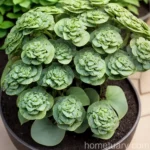
Euphorbia enopla is a spiny succulent characterized by its compact, globular shape and densely packed spines, which resemble a pincushion, hence its common name. This plant is often green, but it can also exhibit a bluish tint, creating an interesting and attractive aesthetic. Its botanical name, Euphorbia, pays homage to Euphorbus, the Greek physician to King Juba II of Mauretania, who is believed to have used a plant in this genus for medicinal purposes. The specific epithet, enopla, likely originates from the Greek word “en,” meaning “in,” and “hopla,” meaning “arms” or “weapon,” possibly alluding to the armament-like spines that adorn this remarkable succulent.
Key Takeaways – Euphorbia enopla
Before we embark on a detailed exploration of Euphorbia enopla care, let’s highlight some key takeaways about this captivating succulent:
-
Scientific Name: Euphorbia enopla
-
Common Names: Pincushion Euphorbia
-
Origin: South Africa
-
Characteristics: Compact, globular form with densely packed spines; typically green, sometimes bluish in color
-
Cultural Considerations: Thrives in bright light and well-draining soil; requires minimal water and is relatively low-maintenance
-
Uses: Ornamental plant suitable for both indoor and outdoor cultivation; adds unique visual interest to gardens and succulent displays
-
Challenges: Can be susceptible to overwatering; spines can cause skin irritation; toxic to pets and humans if ingested
With these key points in mind, let’s dive into the details of caring for Euphorbia enopla, from its cultural requirements to its common uses, potential challenges, and more.
Culture
Understanding the cultural considerations is crucial for successfully caring for Euphorbia enopla. This encompasses various factors such as water, sunlight, fertilizer, soil, pruning, and propagation. Let’s explore each of these components in detail.
Uses
Euphorbia enopla is primarily cultivated for ornamental purposes due to its striking appearance and relatively low maintenance requirements. Here are some common uses of this captivating succulent:
-
Gardens and Landscapes: Euphorbia enopla can be an excellent addition to xeriscapes, rock gardens, or succulent beds, where its distinctive form and texture can create visual interest and contrast.
-
Container Gardening: The compact and globular nature of Euphorbia enopla makes it an ideal candidate for container cultivation, where it can thrive as a standalone specimen or be combined with other succulents to create visually captivating arrangements.
-
Indoor Décor: With its unique form and low water requirements, Euphorbia enopla can be an appealing choice for indoor display, adding a touch of natural elegance to living spaces.
Water
Watering Needs: Euphorbia enopla, like many succulents, is adapted to arid environments and consequently has low water needs. Overwatering is a common mistake that can lead to root rot and other issues. It is essential to let the soil dry out between waterings and to ensure that the pot or planting site provides proper drainage.
Watering Frequency: During the growing season in spring and summer, water Euphorbia enopla when the top inch of the soil has dried out. In the dormant period in fall and winter, reduce watering to prevent excessive moisture.
Watering Method: When watering Euphorbia enopla, it is advisable to apply water at the base of the plant to minimize moisture contact with the spines and foliage, which can help prevent rot and fungal issues.
Sunlight
Sunlight Requirements: Euphorbia enopla thrives in bright, indirect light or partial sun. When grown outdoors, it should be placed in a location that receives partial sun or filtered sunlight to prevent scorching. When cultivated indoors, it can be positioned near a sunny window, preferably with some protection from intense midday sun.
Sunlight Duration: Aim to provide Euphorbia enopla with approximately 4-6 hours of indirect sunlight daily, as this will promote healthy growth and the development of its distinct spination.
Light Exposure: In regions with long, intense summer sun exposure, it may be necessary to provide some shade or protection during the hottest part of the day to prevent excessive stress on the plant.
Fertilizer
Fertilizing Frequency: Euphorbia enopla has relatively low fertilizer requirements. During the active growing season in spring and summer, a balanced, diluted fertilizer can be applied every 4-6 weeks to support healthy growth. However, it is important to avoid overfertilization, which can lead to excessive vegetative growth and diminish the plant’s distinctive form.
Fertilizer Type: Select a well-balanced, water-soluble fertilizer specifically formulated for succulents and cacti. Dilute the fertilizer to half or quarter strength to prevent the risk of nutrient burn.
Fertilizing Method: Apply the diluted fertilizer to the soil around the base of the plant, taking care to avoid contact with the spines and foliage. Water the plant after fertilizing to disperse the nutrients into the soil.
Soil
Soil Type: Euphorbia enopla requires a well-draining soil mix to thrive. A cactus or succulent potting mix is ideal, as it provides the necessary drainage and aeration while preventing the risk of waterlogged conditions.
Soil pH: The soil pH for Euphorbia enopla should ideally range between 6.0 and 7.0, indicating a slightly acidic to neutral pH level. It is important to maintain proper soil pH to facilitate nutrient uptake and overall plant health.
Soil Composition: A suitable soil mix for Euphorbia enopla can consist of components such as coarse sand, perlite, and well-draining potting mix formulated for succulents and cacti.
Pruning
Pruning Needs: Euphorbia enopla generally requires minimal pruning. Dead or damaged growth can be carefully removed as needed to maintain the plant’s appearance and overall health. When performing any pruning, it is essential to wear protective gloves to avoid injury from the spines.
Pruning Frequency: As a relatively slow-growing succulent, Euphorbia enopla typically requires infrequent pruning. Periodically inspect the plant for any dead or damaged stems and remove them as necessary to maintain its compact form.
Pruning Method: When pruning Euphorbia enopla, use sterilized pruning tools to prevent the spread of diseases. Make clean cuts at the base of the affected stems to promote swift healing and minimize the risk of infection.
Propagation
Propagation Methods: Euphorbia enopla can be propagated through stem cuttings or offsets. Stem cuttings can be taken during the growing season and rooted in a well-draining soil mix. Similarly, offsets or pups that develop at the base of the plant can be carefully removed and rooted to produce new plants.
Propagation Success: Successful propagation of Euphorbia enopla often relies on providing the appropriate environmental conditions, including warmth and moisture, to encourage the development of roots on the cuttings or offsets.
Propagation Challenges: It is important to exercise caution when handling Euphorbia enopla and its cuttings, as the milky sap it produces can be irritating to the skin and mucous membranes. Additionally, care should be taken to avoid overwatering newly rooted cuttings, as this can lead to rot and failure to establish.
Container Popularity
Container Suitability: Euphorbia enopla’s compact, globular form and relatively slow growth make it well-suited for container cultivation. It can thrive in a wide range of container sizes, from small pots for individual plants to larger containers for group plantings or mixed succulent arrangements.
Container Materials: When selecting containers for Euphorbia enopla, prioritize those made from porous materials such as terracotta or unglazed ceramic, as they promote air and water exchange. Ensure that the containers have drainage holes to prevent water from accumulating at the root zone.
Container Aesthetics: Euphorbia enopla can serve as a visually compelling centerpiece in a container garden, whether as a standalone specimen or combined with other succulents to create an eye-catching display. Consider contrasting the plant’s spiny texture with softer foliage or complementary colors for a visually engaging arrangement.
Common Diseases
Disease Risks: Euphorbia enopla is generally resilient to most diseases, particularly when provided with appropriate cultural conditions. However, overwatering can increase the risk of fungal infections and root rot, while poor ventilation and high humidity can contribute to issues such as powdery mildew.
Disease Prevention: To prevent disease, it is essential to avoid overwatering, provide sufficient air circulation, and maintain proper sanitation practices. Promptly remove any decaying or diseased plant material, and avoid overcrowding, which can impede air movement and create favorable conditions for fungal growth.
Disease Diagnosis
Symptoms: When diagnosing potential diseases in Euphorbia enopla, be on the lookout for signs such as soft, discolored, or water-soaked stems or roots, which could indicate rot. Additionally, the presence of powdery, white fungal growth on the stems or foliage may indicate a case of powdery mildew.
Diagnostic Process: If you suspect disease in Euphorbia enopla, it is advisable to carefully examine the plant and its growing environment to identify any cultural imbalances or irregularities. If necessary, consult with an experienced horticulturist or plant health professional for further assistance.
Common Pests
Pest Types: Euphorbia enopla can be susceptible to common succulent pests such as mealybugs, spider mites, and scale insects. These pests can feed on the plant’s sap, causing damage to the stems and foliage.
Pest Control: Implement integrated pest management practices to control infestations, including physical removal of pests, the application of horticultural oils or insecticidal soaps, and the introduction of natural predators as biological control agents.
Pest Prevention: Regularly inspect Euphorbia enopla for signs of pests, particularly in the nooks and crannies where pests may hide. Maintaining overall plant health and providing proper cultural conditions can help reduce the risk of pest infestations.
Botanist’s Tips
As botanists, we have gained valuable insights into the care and cultivation of a wide range of plant species, including Euphorbia enopla. Here are some additional tips to help you succeed in nurturing this captivating succulent:
-
When repotting Euphorbia enopla, handle it with care to avoid contact with the spines. Using protective gloves and working methodically can help minimize the risk of injury.
-
Avoid placing Euphorbia enopla in locations where it may be inadvertently brushed against or disturbed, as the stems and spines can cause skin irritation. Keep it out of high-traffic areas to prevent accidental contact.
-
As a succulent that is adapted to arid conditions, Euphorbia enopla appreciates some airflow around its foliage and stems. Avoid overly crowded growing environments and provide adequate ventilation to promote plant health.
Fun Facts
As we explore the world of Euphorbia enopla, here are some intriguing and fun facts about this captivating succulent:
-
Euphorbia enopla is named for its dense spination, which gives it a resemblance to an old-fashioned pincushion, adding to its charm and appeal.
-
Despite its charming appearance, Euphorbia enopla possesses a protective mechanism in the form of its sharp spines, which help deter herbivores and prevent excessive moisture loss.
-
In its native habitat of South Africa, Euphorbia enopla can be found in regions with arid, rocky substrates, showcasing its adaptability to challenging growing conditions.
-
The distinctive appearance of Euphorbia enopla makes it a popular choice for xeriscaping, succulent gardens, and drought-tolerant landscapes, where it brings both visual interest and low maintenance requirements.
Links to External Resources
For further information on Euphorbia enopla and related topics, consider exploring the following resources:
- Euphorbia enopla: A Unique and Low-Maintenance Addition to Your Garden
- Succulent Plant Care Guide
- Cactus and Succulent Society of America
In conclusion, Euphorbia enopla, with its striking appearance and relatively low maintenance requirements, represents a captivating addition to gardens, succulent displays, and indoor plant collections. By understanding its cultural needs, addressing potential challenges, and appreciating its unique characteristics, plant enthusiasts can cultivate and enjoy the charm of Euphorbia enopla, expanding their appreciation for the diverse world of succulents and arid-adapted plants.
Remember to consistently provide appropriate light, water, and environmental conditions, and to exercise caution when handling this captivating succulent to ensure its continued health and vigor. With the insights and tips shared in this comprehensive guide, you are well-equipped to embark on a rewarding journey of growing and caring for Euphorbia enopla, enhancing your horticultural expertise and fostering a deeper connection with this remarkable plant.
As always, embracing the beauty of plants and expanding our knowledge of their care and cultivation enriches our lives and deepens our appreciation for the natural world.
Thank you for joining us on this journey of exploration and discovery into the enchanting world of Euphorbia enopla!
Disclaimer: The information provided in this article is for educational and informational purposes only. It is not intended as a substitute for professional gardening or horticultural advice. Prior to implementing any plant care practices or making changes to your gardening routine, we recommend consulting with experienced horticulturists, botanists, or reputable gardening resources for guidance tailored to your specific needs and circumstances.