Chervil (Anthriscus Cerefolium)
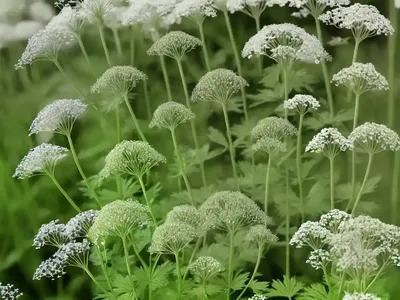
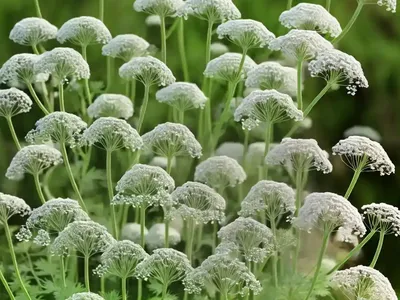
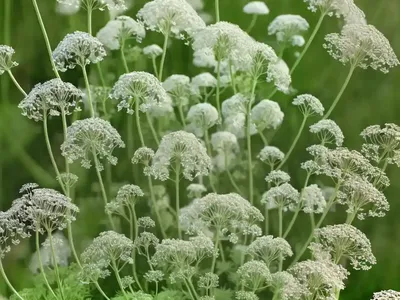
Chervil (Anthriscus cerefolium) is a delicate and lacy herb with a mild and subtle flavor that is often used to enhance the taste of various dishes. It is.
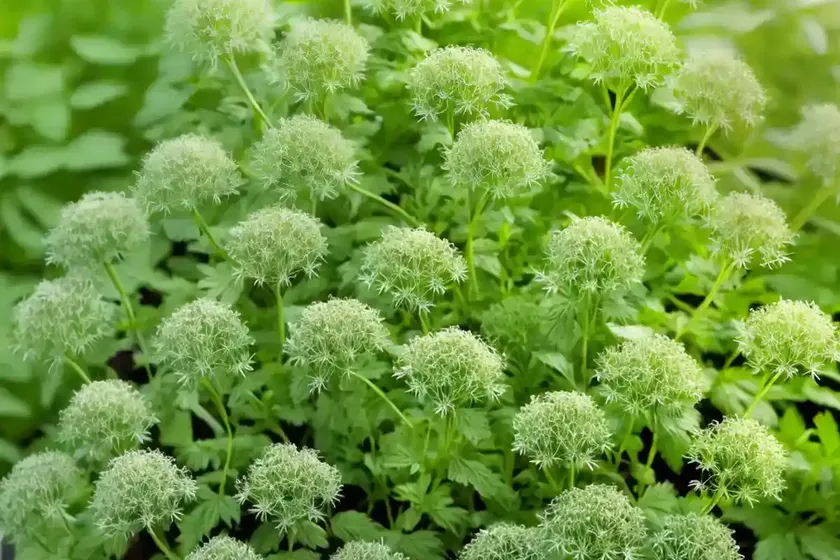
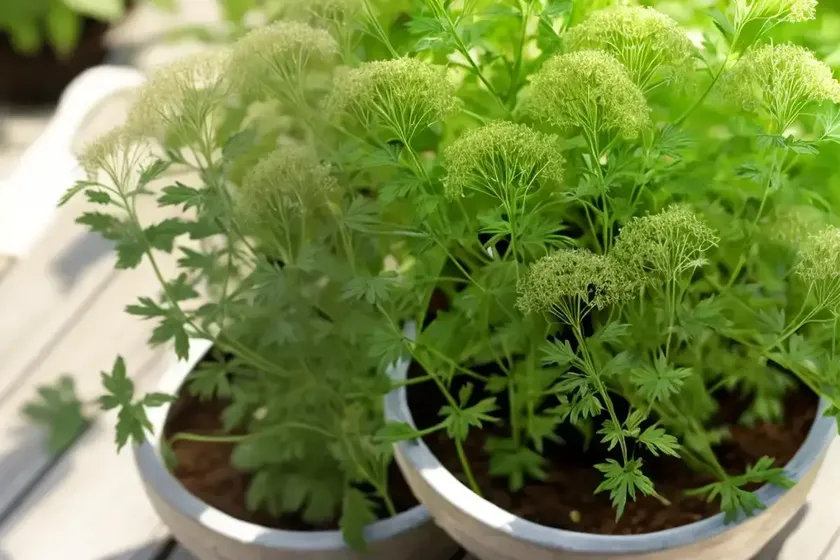
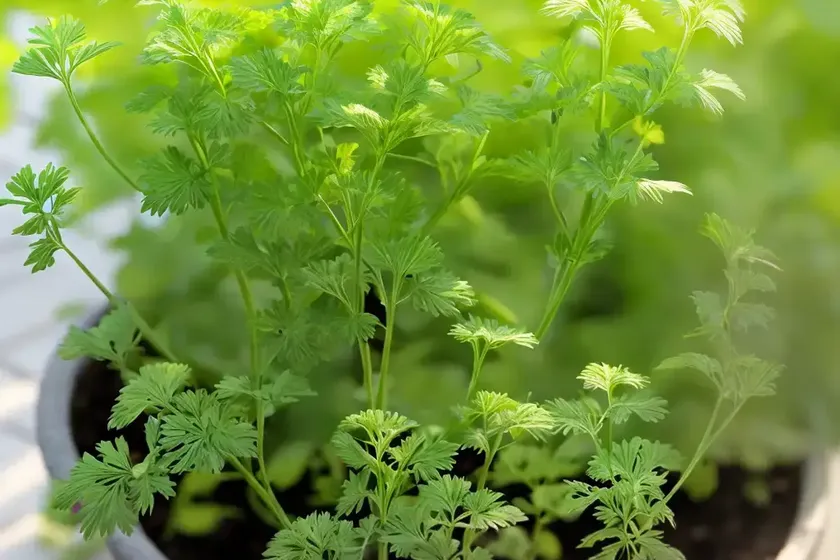
Chervil (Anthriscus cerefolium) is a delicate and lacy herb with a mild and subtle flavor that is often used to enhance the taste of various dishes. It is a member of the Apiaceae family and is native to the Caucasus region in Europe. The herb has been used in culinary and medicinal practices for centuries due to its distinctive flavor and potential health benefits.
What is Chervil (Anthriscus cerefolium)?
Chervil, scientifically known as Anthriscus cerefolium, is a delicate annual herb that is often cultivated for its aromatic leaves. The plant is characterized by its fine, fern-like foliage and is commonly used as a garnish or seasoning in various culinary dishes.
Key Takeaways – Chervil (Anthriscus cerefolium)
Here is a quick overview of the key takeaways about Chervil:
- Botanical Name: Anthriscus cerefolium
- Common Name: Chervil
- Plant Type: Annual herb
- Flavor Profile: Mild and subtle flavor with hints of anise
- Usage: Culinary and medicinal
- Growth Rate: Fast-growing
- Native Region: Caucasus region in Europe
Culture
Cultivating Chervil requires an understanding of its specific cultural requirements, including optimal growing conditions and care practices.
Water
Chervil thrives in consistently moist soil and should not be allowed to dry out completely. Adequate watering is crucial for the plant’s growth and development. However, it is essential to avoid waterlogged conditions, as excessive moisture can lead to root rot.
Sunlight
Chervil prefers partial shade or dappled sunlight, especially in regions with warmer climates. It benefits from protection against the intense midday sun, particularly during the summer months.
Fertilizer
When growing Chervil, it is important to provide a balanced and organic fertilizer to support its growth. A slow-release fertilizer can be applied to the soil to provide essential nutrients for the plant’s development.
Soil
Chervil grows best in well-draining, fertile soil with a slightly acidic to neutral pH. Loamy soil with good organic content is ideal for promoting healthy growth and robust foliage.
Pruning
Regular pruning is important for Chervil to encourage new growth and prevent the plant from becoming leggy. By trimming the outer leaves and stems, the plant can maintain a compact and bushy form.
Propagation
Chervil can be propagated from seeds, which should be sown directly into the desired growing area. It is important to ensure that the seeds are sown at the appropriate depth and adequately covered with soil.
Container Popularity
Chervil is well-suited for container cultivation, making it an ideal choice for individuals with limited outdoor space. The herb can be grown in pots, planters, or window boxes, providing a convenient and accessible source of fresh Chervil for culinary use.
Container Care
When growing Chervil in containers, it is essential to provide adequate drainage to prevent waterlogging. Additionally, regular watering and proper placement to receive sufficient sunlight are crucial for container-grown Chervil.
Uses
Chervil is valued for its diverse uses in culinary and medicinal applications, making it a versatile herb with numerous benefits and potential health advantages.
Culinary Uses
The delicate flavor of Chervil makes it a popular choice for enhancing the taste of various dishes. It is often used as a fresh garnish to add a subtle hint of flavor to salads, soups, omelets, and seafood dishes. Additionally, Chervil can be incorporated into herb blends and used to season chicken, fish, and vegetable-based recipes.
Medicinal Properties
In traditional medicine, Chervil has been associated with potential health benefits, including its use as a digestive aid and for promoting overall well-being. It is also recognized for its antioxidant properties and may offer mild therapeutic benefits when consumed as part of a balanced diet.
Common Diseases
While Chervil is relatively resistant to many common plant diseases, there are certain issues that may affect its growth and vitality.
Disease Diagnosis
Some common diseases that may affect Chervil include:
- Powdery Mildew: A fungal infection characterized by a powdery white coating on the leaves.
- Leaf Spot: Circular or irregular blemishes on the leaves caused by fungal or bacterial pathogens.
- Damping Off: A condition that leads to the decay of seedlings at the soil level, often caused by overly moist conditions and poor air circulation.
Common Pests
Chervil may be susceptible to certain pests that can impact its overall health and vigor.
Pests
Common pests that may affect Chervil include:
- Aphids: Small, sap-sucking insects that can distort new growth and weaken the plant.
- Caterpillars: Larval stage of butterflies and moths that may feed on Chervil foliage, causing damage to the leaves.
- Slugs and Snails: These pests can feed on the tender foliage of Chervil, leading to visible damage and reduced growth.
Pest Control
Effective pest control measures for Chervil may include handpicking pests, using organic insecticidal soap, and encouraging natural predators such as ladybugs and lacewings to control aphid populations.
Botanist’s Tips
As a plant scientist, I recommend the following tips for successful Chervil cultivation:
- Consistent Moisture: Maintain consistent soil moisture to ensure optimal growth and prevent stress-related issues.
- Pruning and Harvesting: Regularly prune and harvest Chervil to promote new growth and prevent the plant from becoming overly leggy.
Fun Facts
Here are some intriguing facts about Chervil:
- Chervil is often referred to as “gourmet parsley” due to its delicate and aromatic flavor.
- The herb is believed to have originated in the Near East and was introduced to Europe by the Romans.
Links to External Resources
For further information about Chervil and its cultivation, uses, and care, the following external resources are highly recommended:
- Royal Horticultural Society
- University of Maryland Extension – Chervil
- USDA Plants Database
- Missouri Botanical Garden
In conclusion, Chervil, with its delicate leaves and subtle flavor, holds a unique place in culinary and herbal traditions. By understanding its cultural requirements, culinary uses, and potential health benefits, individuals can appreciate the value of this versatile herb in various aspects of everyday life. Whether utilized as a culinary garnish, seasoning, or potential natural remedy, Chervil continues to inspire and enrich our experiences with its distinctive charm and flavor profile.
References
- Oplinger, E. S., et al. “Chervil.” University of Wisconsin-Madison, 1992, https://hort.purdue.edu/newcrop/afcm/chervil.html.
- “Chervil.” University of Maryland Extension, https://extension.umd.edu/hgic/topics/chervil.
- “Chervil – Anthriscus cerefolium.” Royal Horticultural Society, https://www.rhs.org.uk.
- “Anthriscus cerefolium.” Missouri Botanical Garden, http://www.missouribotanicalgarden.org.
Note: The provided external resource links offer additional insights into the cultivation, uses, and care of Chervil, serving as valuable references for enthusiasts and practitioners alike.