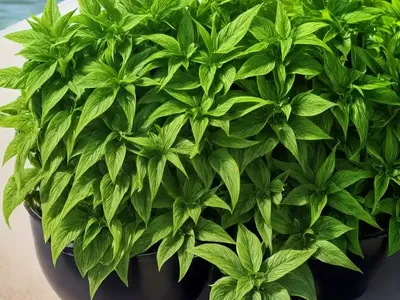
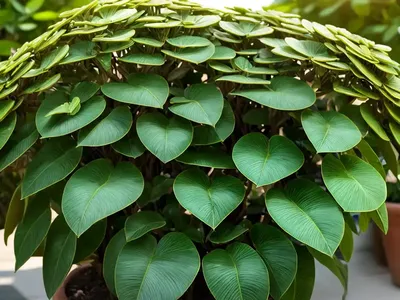
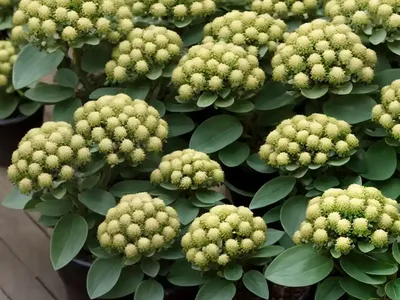
Euphorbia Ammak ‘Variegata’ (Candelabra Spurge)
Euphorbia ammak ‘Variegata’, commonly known as Candelabra Spurge, is a striking and unique plant with distinct features that make it a popular choice for.
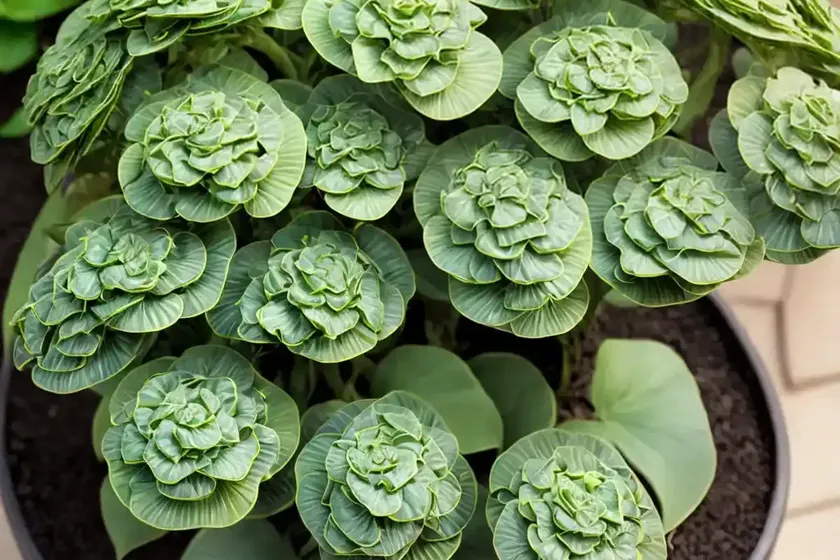
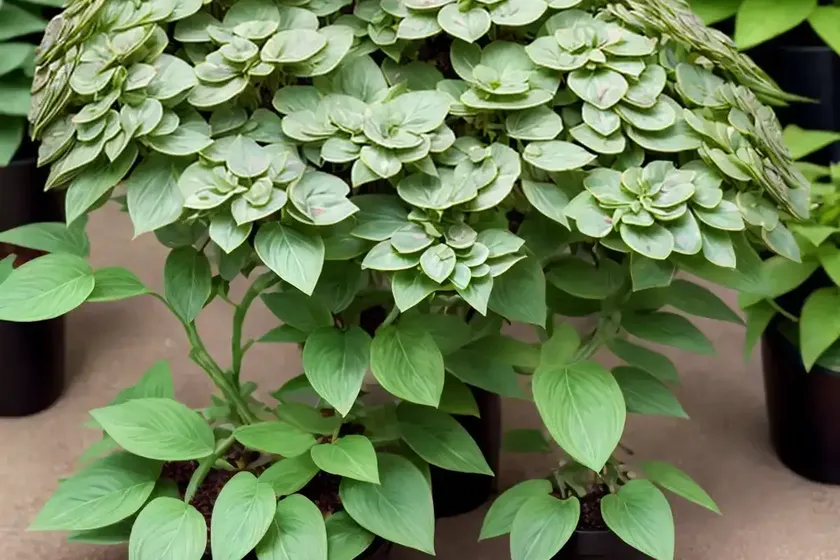
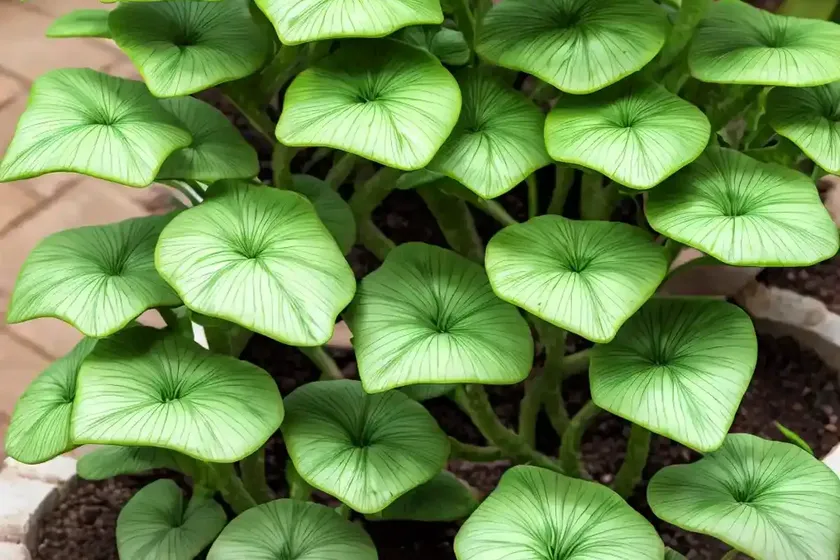
Euphorbia ammak ‘Variegata’, commonly known as Candelabra Spurge, is a striking and unique plant with distinct features that make it a popular choice for gardens and landscapes. In this comprehensive guide, we will delve into the description, care tips, characteristics, uses, and maintenance of Euphorbia ammak ‘Variegata’.
What is Euphorbia ammak ‘Variegata’?
Euphorbia ammak ‘Variegata’ is a succulent plant species belonging to the Euphorbiaceae family. It is native to tropical and subtropical regions, particularly in Africa. This plant is characterized by its striking architectural form, variegated foliage, and unusual flower structures.
Euphorbia ammak ‘Variegata’ Description
The Candelabra Spurge is a tall, columnar succulent that can reach heights of up to 10 feet. Its stems are densely packed with small, variegated leaves that add a stunning visual appeal to the plant. The variegation is often a blend of green and creamy white, creating an eye-catching contrast. The plant’s bloom time is typically in late spring to early summer, producing greenish-yellow flowers arranged in dense clusters, giving it its “candelabra” appearance. The flowers are not the traditional showy blooms, but rather unique structures called cyathia, which are characteristic of the Euphorbia genus.
Key Takeaways – Euphorbia ammak ‘Variegata’ (Candelabra Spurge)
Let’s explore the key takeaways and essential care guidelines for growing and maintaining Euphorbia ammak ‘Variegata’:
- Culture
-
Euphorbia ammak ‘Variegata’ thrives in warm and sunny conditions, mimicking its native habitat. It is well-suited for Mediterranean and desert landscaping themes due to its drought tolerance and preference for well-draining soils.
-
Uses
-
With its impressive height and unique form, Euphorbia ammak ‘Variegata’ is often used as a focal point in xeriscapes and arid landscapes. It can also be featured in large containers to add a dramatic touch to outdoor spaces.
-
Water
-
As a succulent, Candelabra Spurge has moderate water needs. It is important to avoid overwatering, as this can lead to root rot. Ensuring proper drainage is crucial for its health and growth.
-
Sunlight
-
This plant thrives in full sun to partial shade. Placing it in a location with ample sunlight will help maintain its variegation and encourage compact growth.
-
Fertilizer
-
Euphorbia ammak ‘Variegata’ benefits from a balanced, liquid fertilizer diluted to half or quarter strength during its active growing season in spring and summer.
-
Soil
-
Well-draining, sandy soil is ideal for Candelabra Spurge. It is essential to avoid waterlogged conditions to prevent root issues.
-
Pruning
-
Pruning should be minimal and primarily focused on removing dead or damaged stems. It is important to handle this plant with care due to its toxic sap, which can cause skin irritation.
-
Propagation
-
Propagation methods for Euphorbia ammak ‘Variegata’ include stem cuttings, which should be taken with caution due to the plant’s toxic latex.
-
Container Popularity
-
Due to its unique form and low water requirements, Candelabra Spurge is a popular choice for container gardening, particularly in arid and Mediterranean-style landscapes.
-
Common Diseases
-
While Euphorbia ammak ‘Variegata’ is relatively resilient, it may be susceptible to stem rot and other fungal infections if exposed to prolonged wet conditions.
-
Disease Diagnosis
-
Identifying and addressing diseases promptly is crucial to ensure the plant’s health. Monitoring for signs of rot or discoloration can help in early diagnosis.
-
Common Pests
- Candelabra Spurge may attract common garden pests such as aphids and spider mites. Regular inspections can help prevent pest infestations.
Botanist’s Tips
As a plant scientist, I would like to share some additional tips for successfully cultivating and caring for Euphorbia ammak ‘Variegata’:
- Fun Facts
-
Euphorbia ammak ‘Variegata’ is often referred to as a “living fence” due to its use as a natural boundary plant in some regions. Additionally, the latex produced by this plant has historically been used for medicinal and folkloric purposes.
-
Botanical Interest
- The unique floral structures of Euphorbia ammak ‘Variegata’ are a source of fascination for botanists and plant enthusiasts. Observing the intricate cyathia and studying the plant’s reproductive mechanisms can offer valuable insights into its biology.
Links to External Resources
For more in-depth information on Euphorbia ammak ‘Variegata’ and related topics, I recommend exploring the following external resources:
- Royal Horticultural Society – Euphorbia ammak ‘Variegata’
- University of Florida IFAS Extension – Euphorbia ammak
- American Society for the Prevention of Cruelty to Animals – Toxic and Non-Toxic Plant List
In the next sections, we will delve deeper into each aspect of caring for Euphorbia ammak ‘Variegata’, including its water requirements, sunlight needs, soil preferences, propagation techniques, maintenance guidelines, and more.
Euphorbia ammak ‘Variegata’ Culture
Euphorbia ammak ‘Variegata’ is a plant that thrives in specific cultural conditions, characterized by warm temperatures and well-draining soils. Understanding its cultural preferences is essential for ensuring its long-term health and vitality.
Sunlight Requirements
Candelabra Spurge prefers full sun to partial shade. When grown in regions with ample sunlight, it exhibits vibrant variegation and maintains its compact form. In environments with insufficient light, the plant may become leggy and lose some of its visual appeal.
Watering Guidelines
Proper watering is crucial for the overall well-being of Euphorbia ammak ‘Variegata’. As a succulent, it is adapted to drought-like conditions and should not be over-watered. The plant’s water needs primarily depend on the environmental conditions and soil moisture levels.
-
Watering Frequency: During the active growing season in spring and summer, it is advisable to water the plant when the top inch of the soil has dried out. In cooler months or winter, reduce the frequency of watering to prevent waterlogging.
-
Drainage Importance: Ensuring adequate drainage is imperative for preventing water from accumulating around the plant’s roots. Waterlogged conditions can lead to root rot and other issues, so it is essential to plant Euphorbia ammak ‘Variegata’ in well-draining soil and containers.
Soil Preferences
Euphorbia ammak ‘Variegata’ thrives in well-draining soil with a sandy or gritty texture. Incorporating organic matter into the soil can enhance its fertility and moisture retention without compromising drainage. Additionally, a slightly acidic to neutral pH range (6.0-7.0) is optimal for this plant.
Fertilization
Applying a balanced, water-soluble fertilizer at half or quarter strength can support the plant’s growth and vigor during the active growing season. It is recommended to fertilize Euphorbia ammak ‘Variegata’ every 4-6 weeks from spring to early fall, following the manufacturer’s instructions for dilution and application.
Uses in Landscaping
Euphorbia ammak ‘Variegata’ serves various purposes in landscaping and outdoor design due to its striking appearance, ease of maintenance, and adaptability to arid environments. Some common uses include:
-
Architectural Focal Point: The tall and columnar growth habit of Candelabra Spurge makes it an excellent choice as a focal point in the landscape. It adds vertical interest and architectural appeal to garden beds and borders.
-
Xeriscaping: Due to its drought tolerance and minimal water requirements, Euphorbia ammak ‘Variegata’ is well-suited for xeriscape or water-wise gardens. It thrives in arid and Mediterranean-style landscape themes.
-
Container Gardening: The unique form and low maintenance needs of Candelabra Spurge make it a popular option for container gardening. It can be featured in large pots on patios, decks, or other outdoor living spaces.
-
Living Barrier: In some regions, Euphorbia ammak ‘Variegata’ is utilized as a natural boundary plant due to its height and dense growth habit. It can create visual screens and boundaries within the landscape.
Maintenance and Pruning
Proper maintenance practices are essential for promoting the health and longevity of Euphorbia ammak ‘Variegata’. While this plant is relatively low-maintenance, there are specific guidelines to follow for its care and upkeep.
Pruning Techniques
When it comes to pruning Euphorbia ammak ‘Variegata’, minimal intervention is generally recommended. The primary focus of pruning is to remove dead or damaged stems while maintaining the overall shape and form of the plant. It is important to approach the plant with caution due to its toxic sap, which can cause skin irritation and other health issues.
-
Protective Gear: Wear gloves and protective clothing when pruning Candelabra Spurge to minimize direct skin contact with the plant’s latex. Additionally, eye protection is advisable to prevent contact with sap.
-
Cutting Tool Sanitization: Before and after pruning, sterilize cutting tools to prevent the potential spread of diseases or infections. Disinfecting the blades with rubbing alcohol or a diluted bleach solution can help maintain plant health.
-
Stem Removal: Use sharp, clean pruning shears to selectively remove dead, diseased, or overgrown stems. Make clean cuts close to the base of the plant to promote healing and minimize the risk of additional damage.
Winter Care
In regions with colder winters, providing appropriate care during the winter months is essential to protect Euphorbia ammak ‘Variegata’ from potential cold damage. Consider the following winter care tips:
-
Cold Protection: If the plant is grown in containers, consider moving it to a sheltered location or providing insulation to protect it from freezing temperatures. In garden beds, a layer of mulch can offer some protection.
-
Reduced Watering: Adjust the watering schedule to account for reduced water needs during the dormant winter period. Monitor soil moisture levels and only water when necessary to prevent waterlogging.
Propagation Success Rate
Propagation of Euphorbia ammak ‘Variegata’ can be carried out through stem cuttings, though it requires careful handling due to the plant’s toxic latex. High success rates in propagation can be achieved by following these guidelines:
-
Cutting Preparation: Use clean, sharp scissors or pruning shears to take stem cuttings from healthy, mature growth. Allow the cut ends to callus for a few days before planting to reduce the risk of rot.
-
Proper Handling: Wear protective gloves and exercise caution when handling the cuttings to avoid contact with the plant’s toxic sap. Additionally, keep cuttings away from children and pets to prevent accidental ingestion.
-
Well-Draining Medium: Plant the prepared cuttings in a well-draining potting mix suitable for succulents. Maintaining slightly moist conditions can aid in root development without causing waterlogged issues.
Common Diseases and Pest Control
While Euphorbia ammak ‘Variegata’ is relatively resilient, it may be susceptible to certain diseases and pests in specific environmental conditions. Understanding common issues and their respective treatment methods is essential for maintaining the plant’s health.
Disease Management
One of the primary concerns for Euphorbia ammak ‘Variegata’ is stem and root rot, particularly in poorly drained or excessively wet soil. Diagnosing and addressing diseases promptly can prevent widespread damage and promote recovery. Here are some disease management strategies:
-
Preventative Measures: Ensure proper soil drainage and avoid overwatering to minimize the risk of rot-related diseases. Planting in well-draining soil and containers can mitigate these issues.
-
Early Detection: Regularly inspect the plant for signs of discoloration, wilting, or unusual growth. Early identification of disease symptoms can enable timely intervention and treatment.
-
Treatment Approaches: If disease symptoms are detected, consider adjusting the watering schedule, removing affected plant parts, and applying fungicidal treatments as recommended by gardening professionals.
Pest Prevention and Treatment
Despite its resilience, Euphorbia ammak ‘Variegata’ may attract common garden pests such as aphids, spider mites, and mealybugs. Proactive pest prevention measures and appropriate treatment methods can help safeguard the plant from pest infestations.
-
Integrated Pest Management: Implementing cultural and biological pest control methods, such as maintaining plant health, introducing natural predators, and using insecticidal soaps, can effectively manage common pests without harming the environment.
-
Regular Monitoring: Periodically inspect the plant for signs of pest activity, including stippling on leaves, webbing, or visible pests. Early detection allows for targeted treatment and prevents pest populations from escalating.
-
Safe Treatment Options: When applying pest control measures, prioritize the use of environmentally safe and non-toxic products to minimize the impact on beneficial insects and the overall ecosystem.
Fun Facts and Botanist’s Insights
As a plant scientist, I find the unique characteristics and natural history of Euphorbia ammak ‘Variegata’ to be fascinating. Here are some insights and fun facts about this intriguing plant species:
Eco-Friendly Landscaping Benefits
In addition to its aesthetic appeal and adaptability, Euphorbia ammak ‘Variegata’ offers several eco-friendly benefits for sustainable landscaping and outdoor design:
-
Drought Tolerance: The plant’s ability to thrive in arid conditions reduces the reliance on irrigation, making it a valuable addition to water-wise landscapes and xeriscapes.
-
Wildlife Habitat: Euphorbia ammak ‘Variegata’ can provide shelter and forage for beneficial insects, birds, and other wildlife, contributing to the ecological diversity of the garden or landscape.
-
Low Maintenance: Minimal water and maintenance requirements result in reduced resource consumption and labor, aligning with principles of sustainable landscaping and conservation.
Medicinal and Folkloric Uses
Throughout history, various parts of Euphorbia species, including Euphorbia ammak, have been used for medicinal and folkloric purposes in different cultures. The latex produced by the plant has been traditionally employed for its potential healing properties. However, it is important to note that Euphorbia plants contain toxic compounds and should be handled with caution.
Taxonomic and Hybridization Interest
Euphorbia ammak ‘Variegata’ is part of the diverse Euphorbia genus, which comprises numerous species with distinct characteristics and ecological adaptations. Botanists and taxonomists study the genetic relationships and morphological features of Euphorbia species, contributing to our understanding of plant diversity and evolution.
Conclusion
Euphorbia ammak ‘Variegata’, or Candelabra Spurge, is an exquisite succulent plant with a striking architectural form and variegated foliage that captivates the attention of plant enthusiasts and landscape designers. Its adaptability to arid climates, low maintenance needs, and unique aesthetic qualities make it a valuable addition to gardens, container displays, and xeriscape landscapes. By understanding the plant’s cultural requirements, maintenance guidelines, and potential challenges, gardeners and landscapers can cultivate and showcase Euphorbia ammak ‘Variegata’ with confidence and care.
I hope you found this extensive guide both informative and inspiring. If you are considering adding Euphorbia ammak ‘Variegata’ to your garden or landscape, or if you are already cultivating this remarkable plant, I encourage you to explore the provided external resources for additional insights and practical tips. Happy gardening and may your landscapes flourish with the beauty of Euphorbia ammak ‘Variegata’!